The future of the bioeconomy: the ‘SoBio2’ project outlines the optimal use of biomass by 2050
The project “Scenarios for the optimal use of biomass in the bioeconomy by 2050”, carried out by the DBFZ and the Helmholtz Centre for Environmental Research (UFZ), investigated the cost-effective use of limited biomass resources in the energy, chemical, peat substitution and timber construction sectors, as well as for the generation of negative emissions to achieve climate protection targets in Germany by 2050. Using system modelling as well as various scenario and sensitivity analyses, the project provides robust insights into the establishment of the bioeconomy within the scope of the study. On 5 May 2026, the closing event of the SoBio2 project took place, attended by over 230 participants.
During the closing event, moderated by Prof. Dr Daniela Thrän (UFZ), researchers Dr. Kathleen Meisel (DBFZ) and Dr. Matthias Jordan (UFZ) presented the project’s key findings. These were supplemented by brief statements from experts Dr. Wiebke Jander (UBA), Dr. Wadim Weber (VCI), Prof. Jürgen Karl (University of Erlangen-Nuremberg) and Sven Selbert (NABU), as well as by numerous comments and questions from the approximately 230 participants.
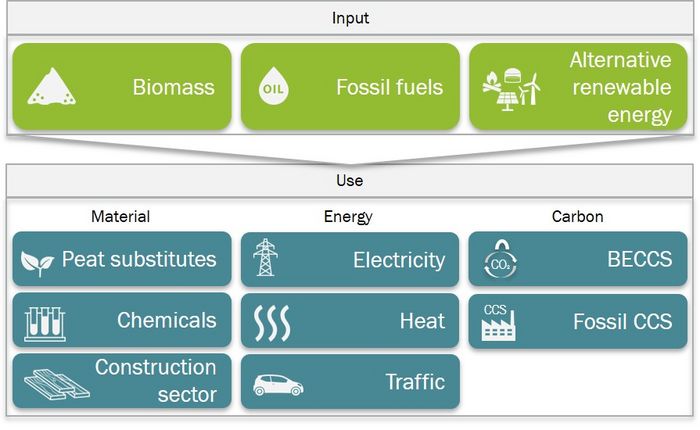
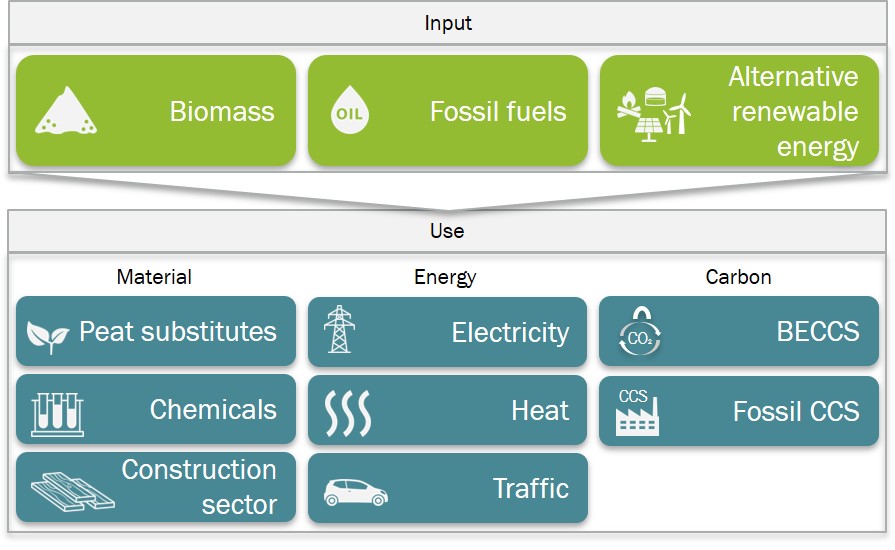
There was consensus that biomass, as a valuable, renewable and limited resource, should primarily be used where it can be deployed in a cost-effective manner to meet demand whilst simultaneously achieving climate protection targets, compared to alternative options. “Limited biomass is used where non-biogenic alternatives are the most cost-intensive: in aviation and shipping (HEFA, LNG), in high-temperature industrial applications – here largely combined with CO2 capture and storage –, in flexible electricity generation (biogas), in peak-load heat generation in older, unrenovated buildings, and in the chemical industry (ethanol, methanol for the production of olefins and aromatics)”, said Dr. Kathleen Meisel from the DBFZ. In addition, Dr. Matthias Jordan (UFZ) pointed out that the quantities of timber used in timber construction will only increase significantly in the long term if additional timber resources become available through increased mobilisation or imports, or if a mandatory timber construction quota is implemented. In various brief statements by the experts, it was also emphasised that climate protection should not be equated with comprehensive sustainability. Even though biomass makes a significant contribution to achieving climate targets, its provision must always take biodiversity and other environmental concerns into account to ensure a truly sustainable transformation, according to the participants.
The aim is to place the key scientific messages firmly within the context of current political debates surrounding the bioeconomy and to make policy recommendations. The final report was published as part of the DBFZ series under the title ‘DBFZ Report No. 56’ and is available to download free of charge.
Further Information and Downloads:
Final Report (german): www.dbfz.de/report_sobio2
Project website BENOPT Modelling (german): www.ufz.de/index.php?de=52711
Project websites SoBio2: www.dbfz.de/en/sobio2 / www.ufz.de/index.php?en=50539
Presentation slides (german): www.dbfz.de/abschluss_sobio2
Smart Bioenergy – innovations for a sustainable future
The DBFZ works as a central and independent thinker in the field of energy and material use of biomass on the question of how the limited available biomass resources can contribute to the existing and future energy system with sustainability and high efficiency. As part of the research the DBFZ identifies, develops, accompanies, evaluates and demonstrates the most promising fields of application for bioenergy and the especially positively outstanding examples together with partners from research, industry and public. With the scientific work of the DBFZ, the knowledge of the possibilities and limitations of energy and integrated material use of renewable raw materials in a biobased economy as a whole should be expanded and the outstanding position of the industrial location Germany in this sector permanently secured – www.dbfz.de/en.