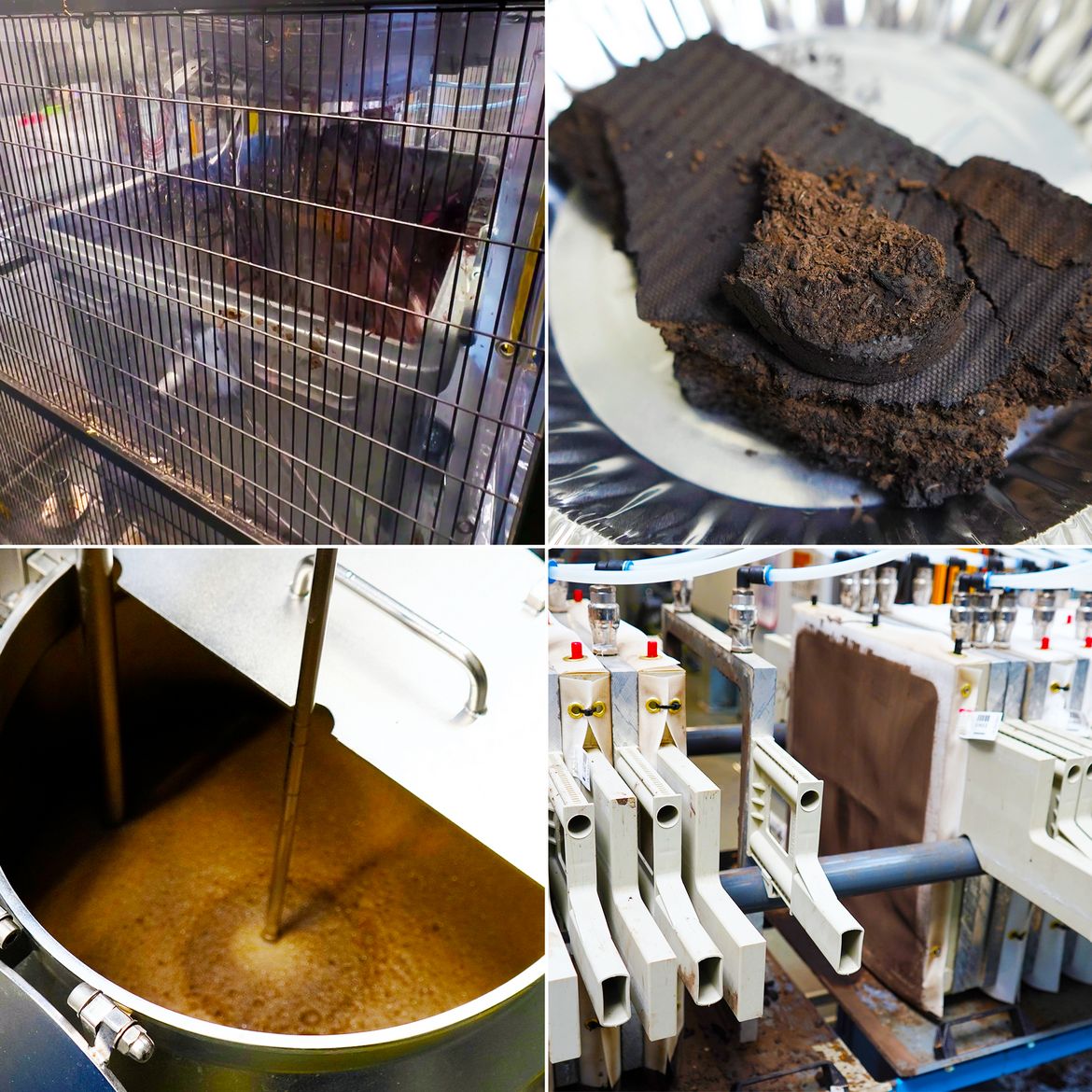
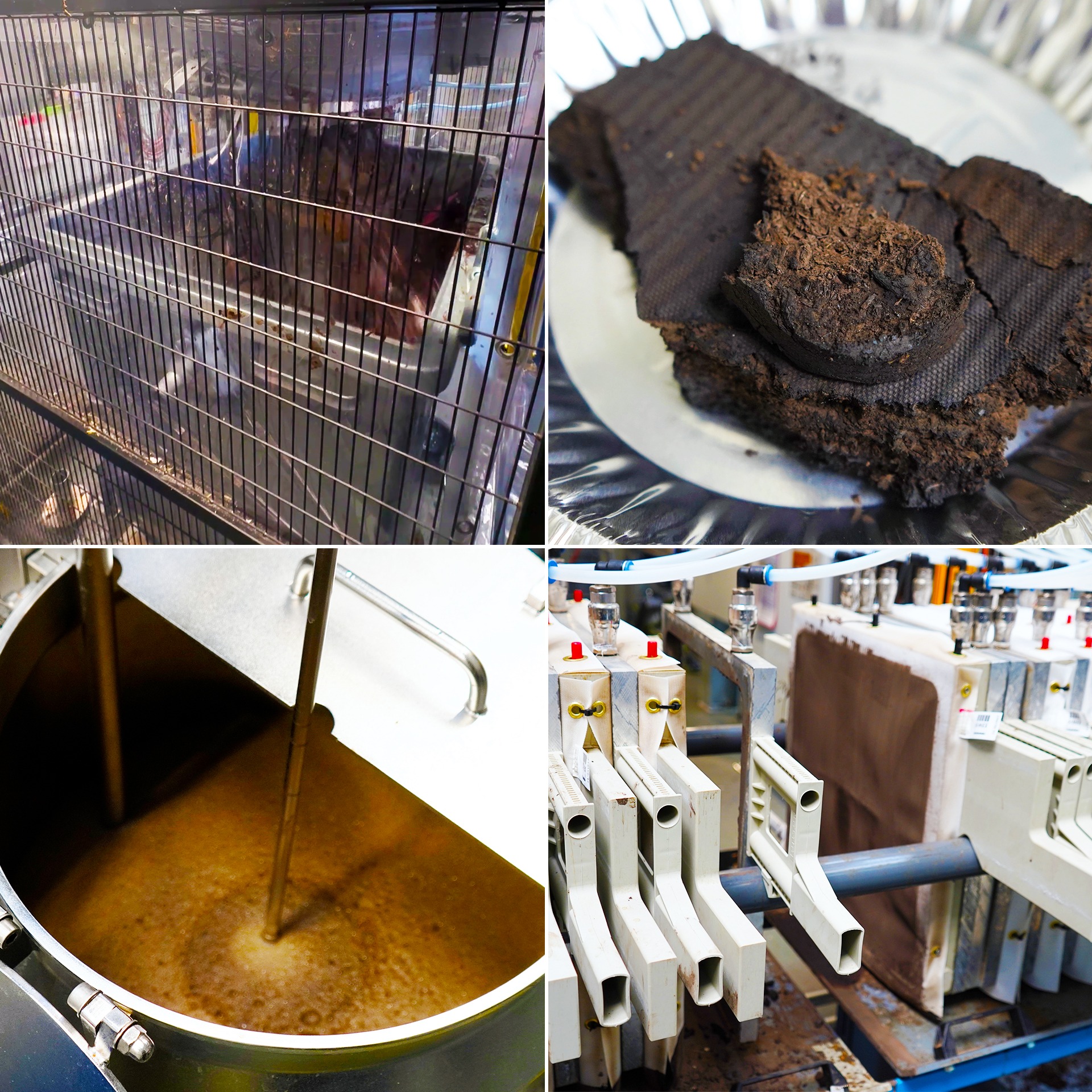
Hydrothermal Processes
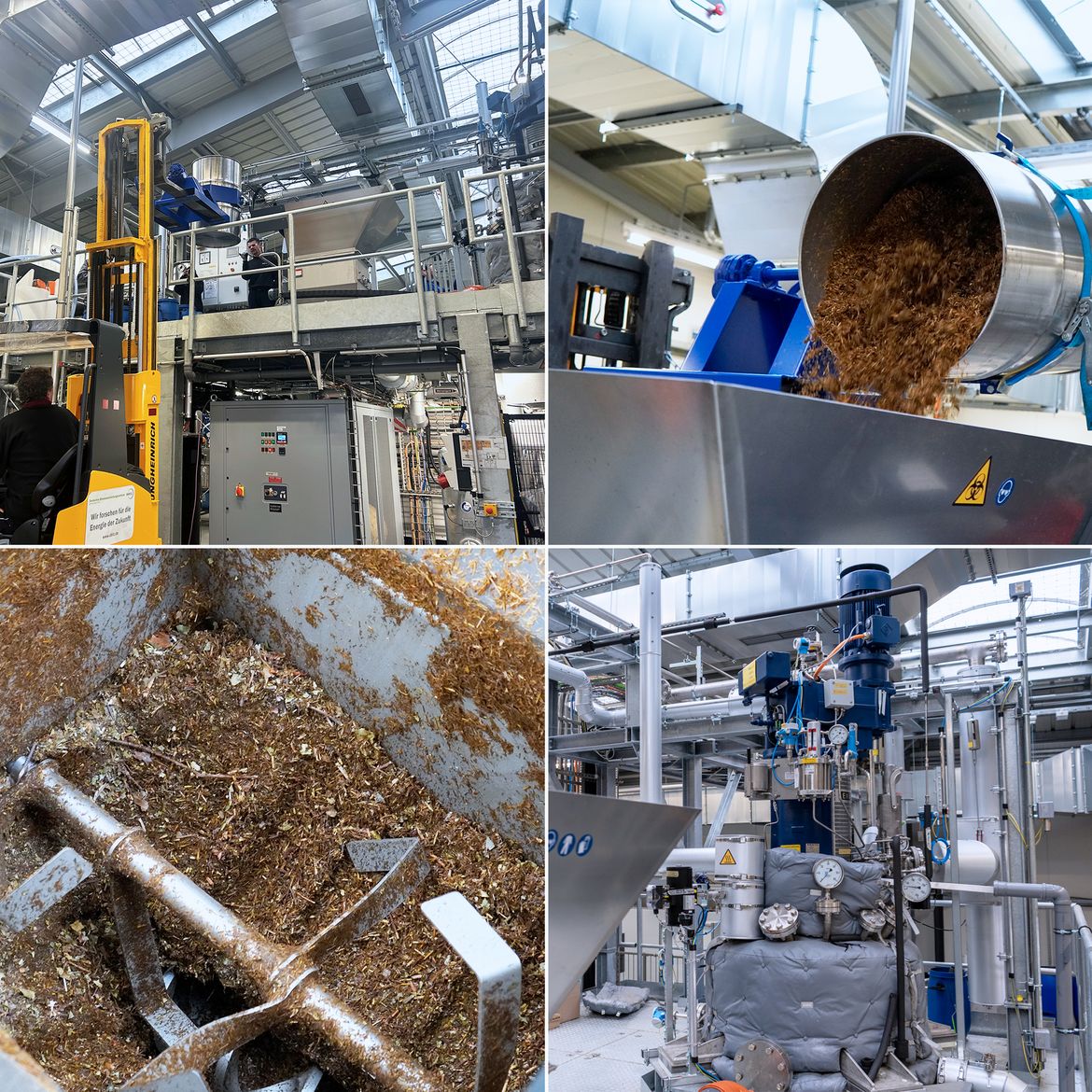
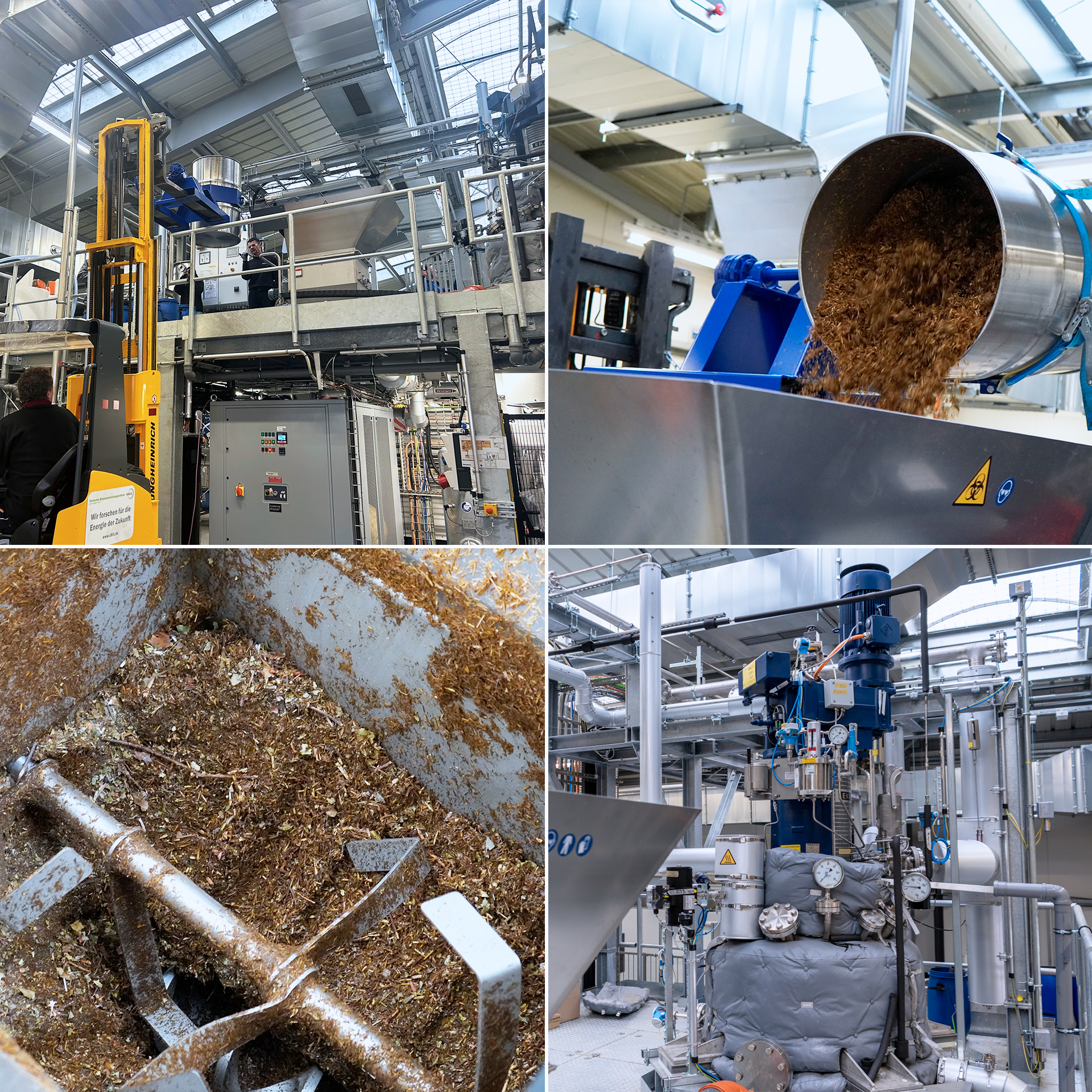
The centrepiece of the hydrothermal processing plant in the ‘Hydrothermal Processes’ (HTP) module is a 500-litre (0.5 m³) stainless-steel reactor, designed specifically for the treatment of highly water-containing biomass and waste materials under elevated pressure and temperature. This module brings together processes for the digestion, treatment and upgrading of biomass, which typically take place at temperatures of 150 to 280 °C and pressures of around 5 to 65 bar over periods ranging from approximately thirty minutes to a few hours. The reactor itself can be operated under conditions of up to 240 °C and around 40 bar and is used both for the pre-treatment of complex biomass for anaerobic digestion and for the post-treatment or processing of digestion residues.
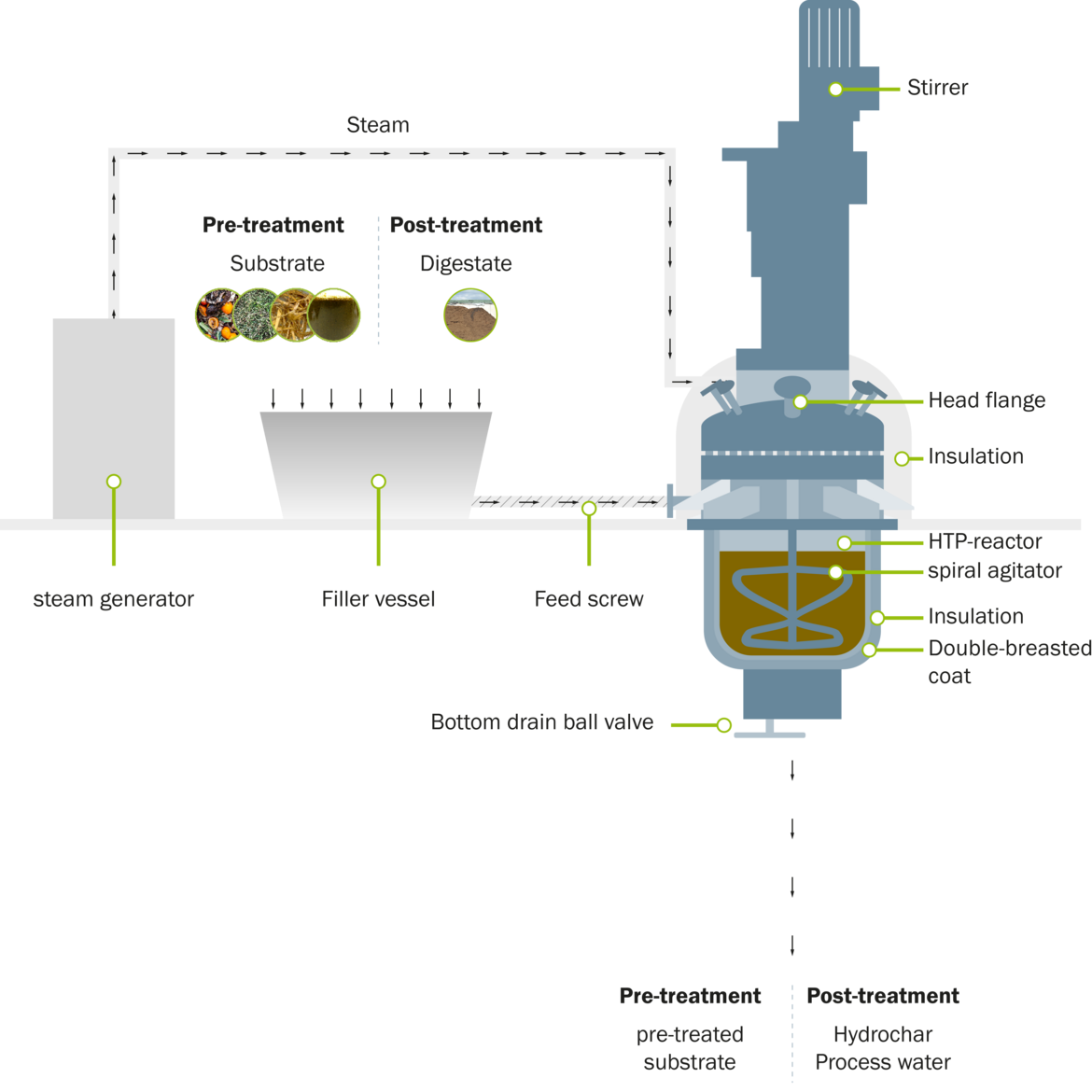
A key feature of the system is a wall-mounted, spiral-shaped agitator with a maximum torque of 8000 Nm, which enables the processing of various types of real-world biomass with a high dry matter content. The process is supported by an integrated steam generator, which ensures a high heating rate of up to 2 K/min despite the large reactor volume. Close process monitoring also ensures precise control and regulation of the reaction conditions.
Under elevated temperatures and pressures, the polymeric components of the biomass are hydrolytically broken down into their monomers, which subsequently decompose further and rearrange themselves, producing hydrochar and water-soluble products. In the lower temperature and residence time range, the process is specifically used to break down the lignocellulosic matrix. This makes the biomass more accessible and easier to degrade for the microorganisms involved in anaerobic fermentation, leading to an increased biogas yield in a shorter time.
In digestate treatment, however, higher temperature and pressure levels can be utilised to convert aqueous digestate into hydrochar whilst simultaneously achieving a targeted transfer of nutrients between the solid and liquid phases. For example, phosphorus can be transferred from the solid phase to the liquid phase and subsequently recovered in downstream processes, such as through precipitation reactions.
Hydrothermal reaction
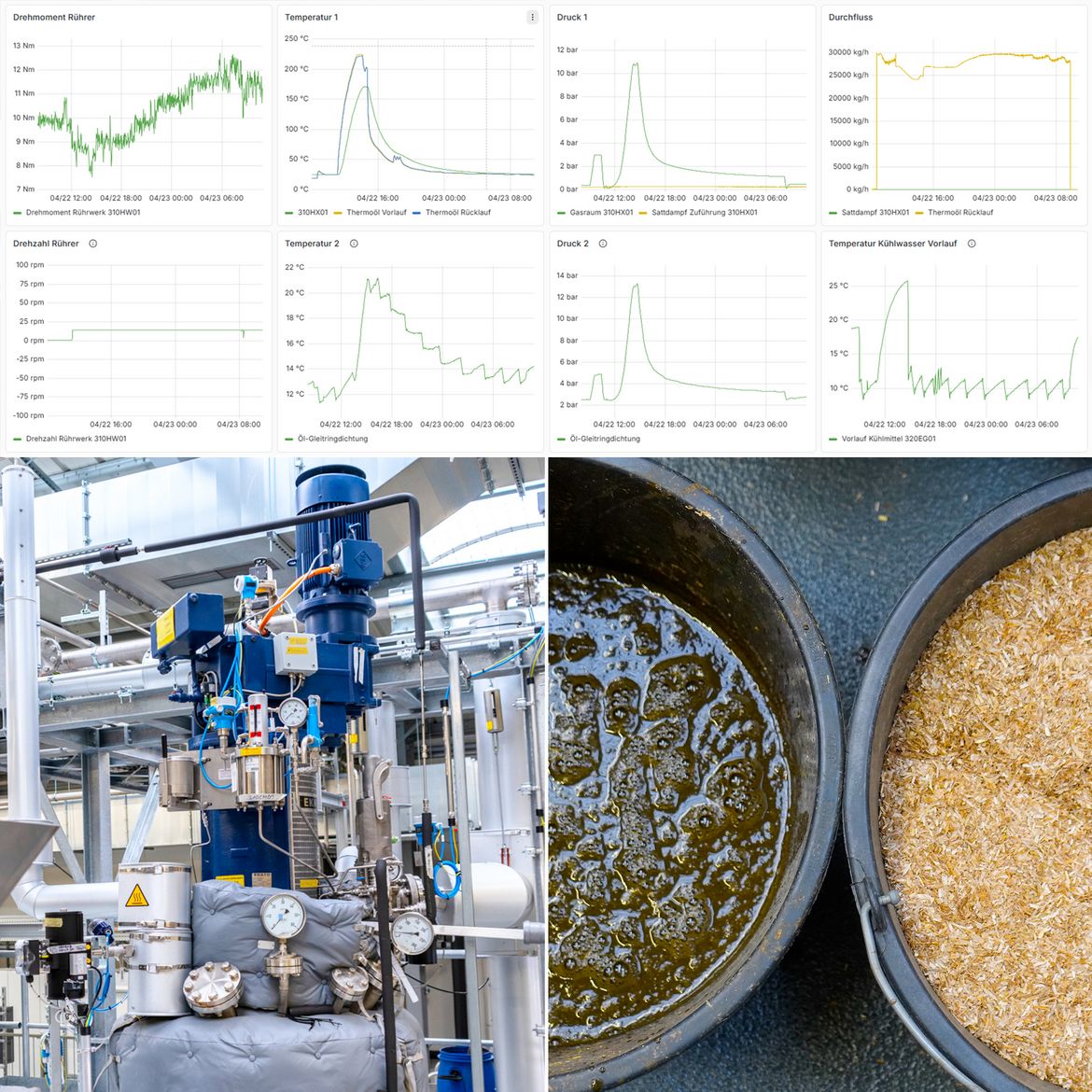
The temperature and reaction time depend on the type of material and its subsequent use. A relatively mild treatment is selected for the pre-treatment stage. The main objective here is to hydrolyse the biomass in order to improve the subsequent biogas yield and kinetics. When using digestate, more severe reaction conditions are selected to carbonise the material and produce hydrochar. After the reaction, the product can be actively cooled using the thermal oil in the jacket.
Product utilisation
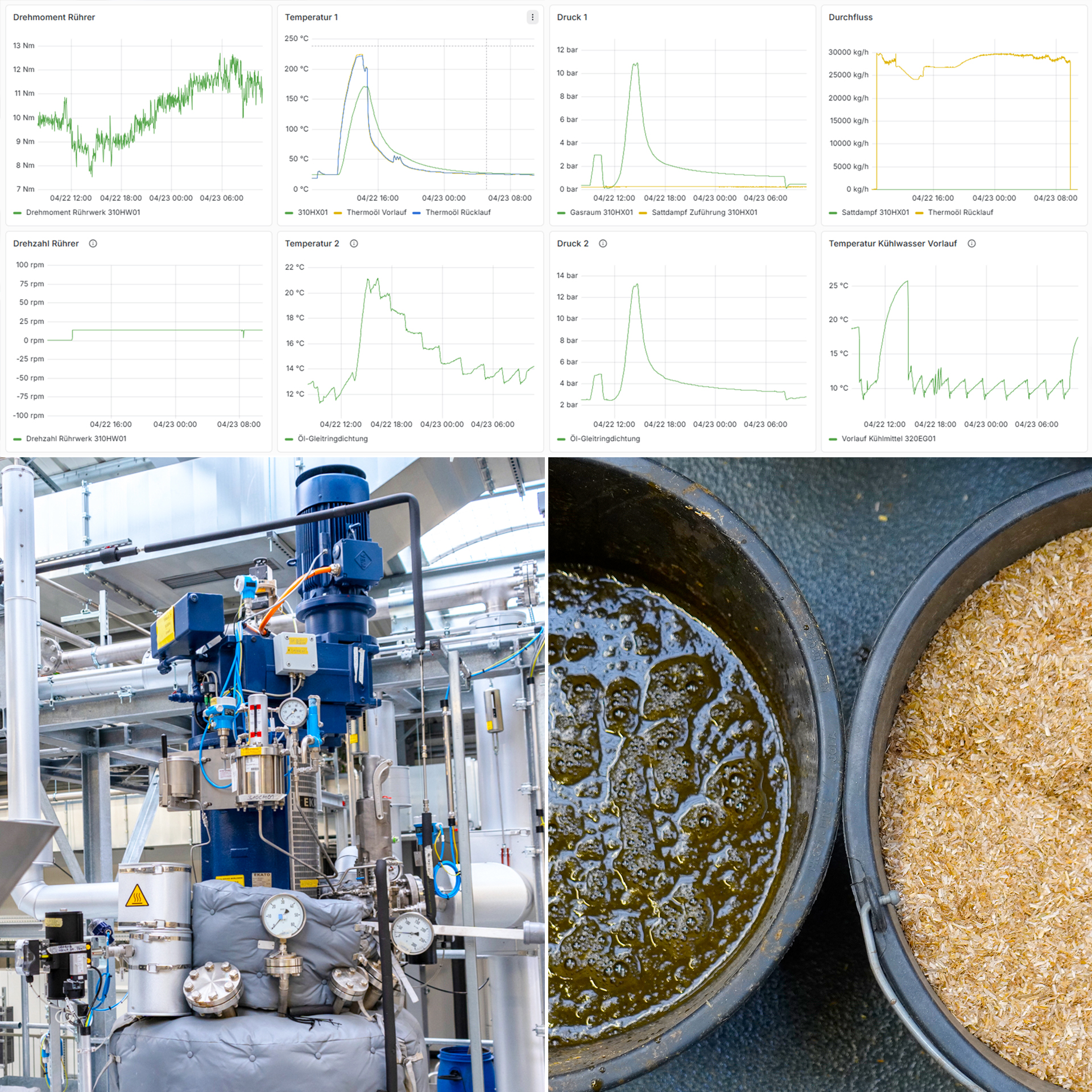
The product mixture is removed by opening the ball valve at the bottom. Depending on the application, it is either fed into anaerobic digestion or can be directed to a post-treatment process to purify the process water and separate the biochar. The high nutrient and carbon content of the biochar opens up potential uses, such as land application or carbon capture, utilisation and storage.