3. Work Package – Supporting Scientific Research Studies
The scientific accompanying studies provide a well founded, transparent basis for the decisions made in Work Packages 1 and 2. They are carried out in close cooperation between the University of Greifswald, the University of Rostock, and the DBFZ. The aim is to create a solid foundation for implementing the project's measures and for their ongoing development.
Priorities of the Supporting Scientific Research Studies
1. Physicochemical Studies & Greenhouse Gas Exchange
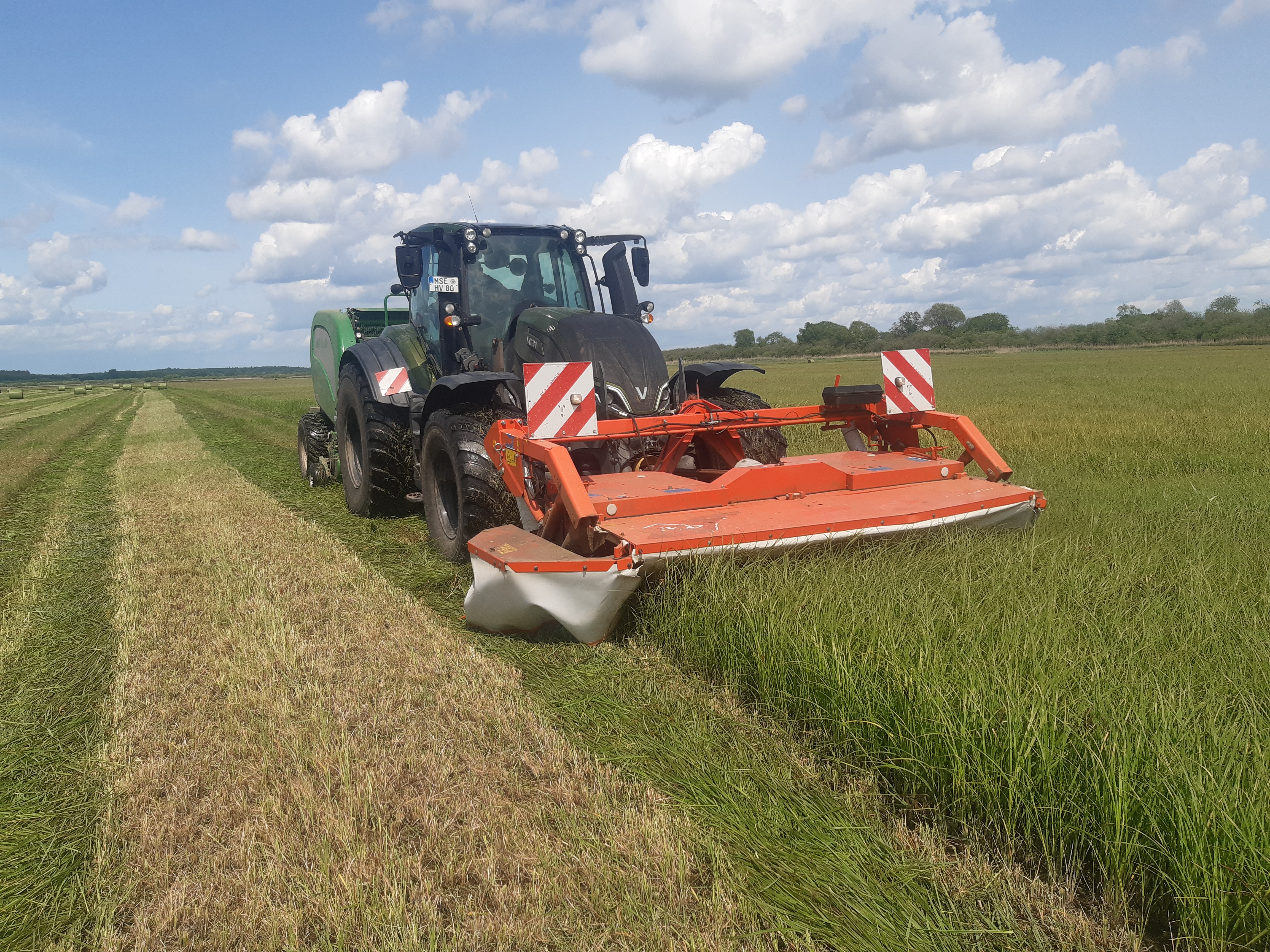
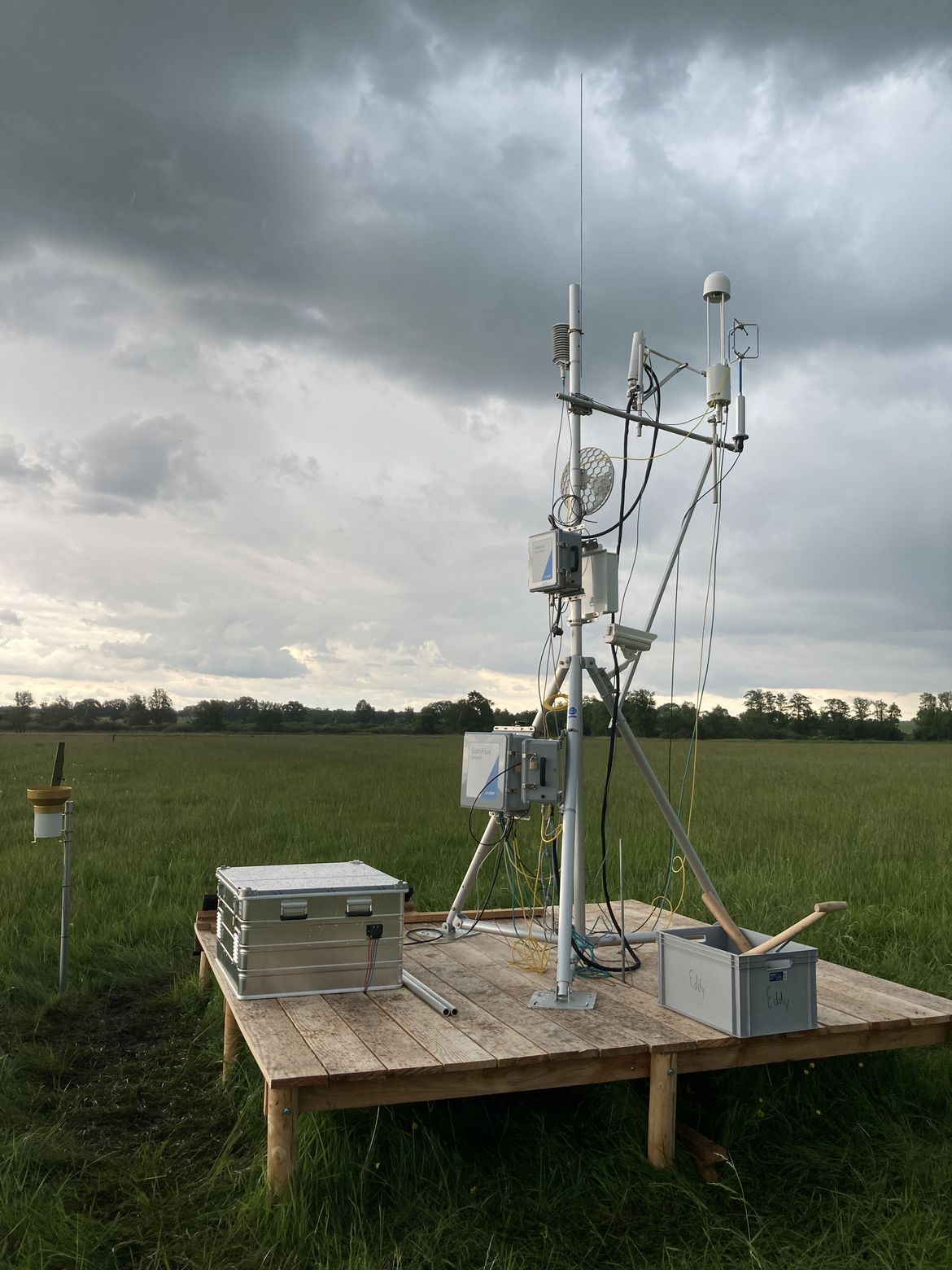
As peatlands are revitalized on a large scale and managed as wet meadows, the effects of this change in land use on the greenhouse gas balance are systematically studied by our partners at the University of Rostock. The research applies a BACI approach (Before After Control Impact) using modern eddy covariance measurement systems. Three types of sites are compared: peatlands that have already been revitalized, project sites that are being rewetted, and drained reference sites that remain unchanged. This approach makes it possible to reliably capture changes while accounting for natural climatic variation. Additional measurement campaigns on smaller plots provide detailed data on water levels, nutrients, and other environmental parameters, creating a comprehensive picture of the climate impact of peatland revitalization.
The three site types at a glance:
- Already revitalized site – shows how peatlands develop in the long term after rewetting
- Project site (before/after) – reveals the changes directly caused by the measures
- Drained reference site – serves as a comparison for peatlands without rewetting
2. Studies on Organisms
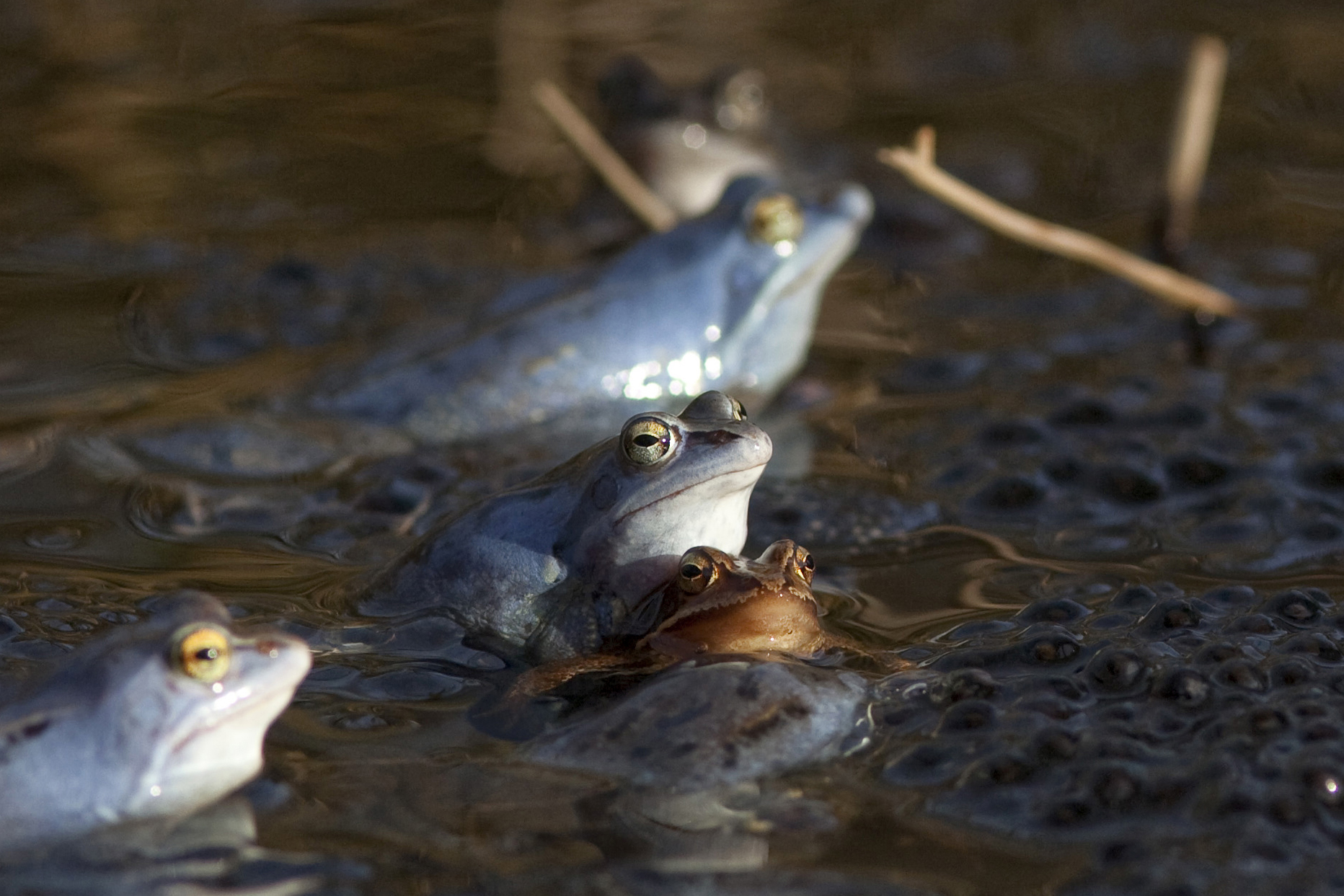
MOOReturn investigates how biodiversity develops on rewetted peatland areas. Vegetation, site conditions, and selected animal groups such as dragonflies and ground beetles are regularly recorded and compared with reference sites.
Objective: To derive scientifically grounded recommendations for biodiversity friendly, sustainable paludiculture.
3. Lifecycle-Analysis
The DBFZ examines the climate impact, environmental footprint, and economic viability of using revitalized peatlands. Material and energy flows of the resulting products are analyzed and assessed in terms of cost, greenhouse gas emissions, and other environmental effects.
4. Socioeconomic Analysis