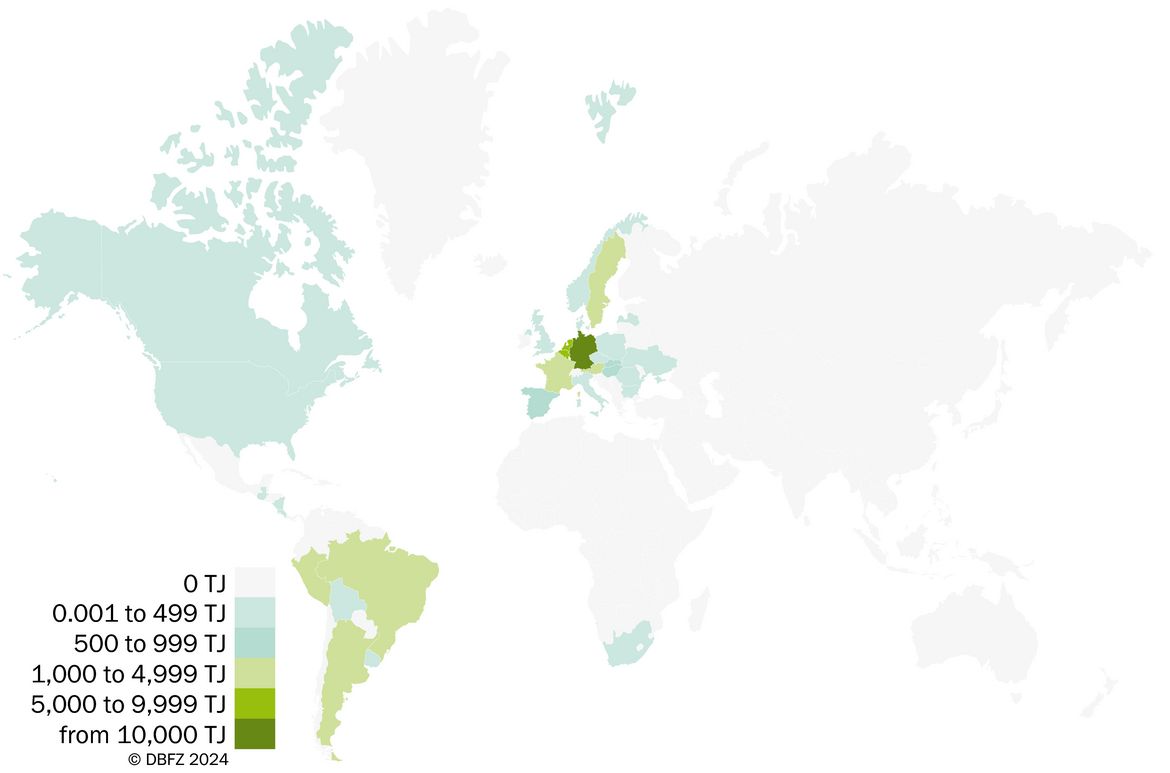
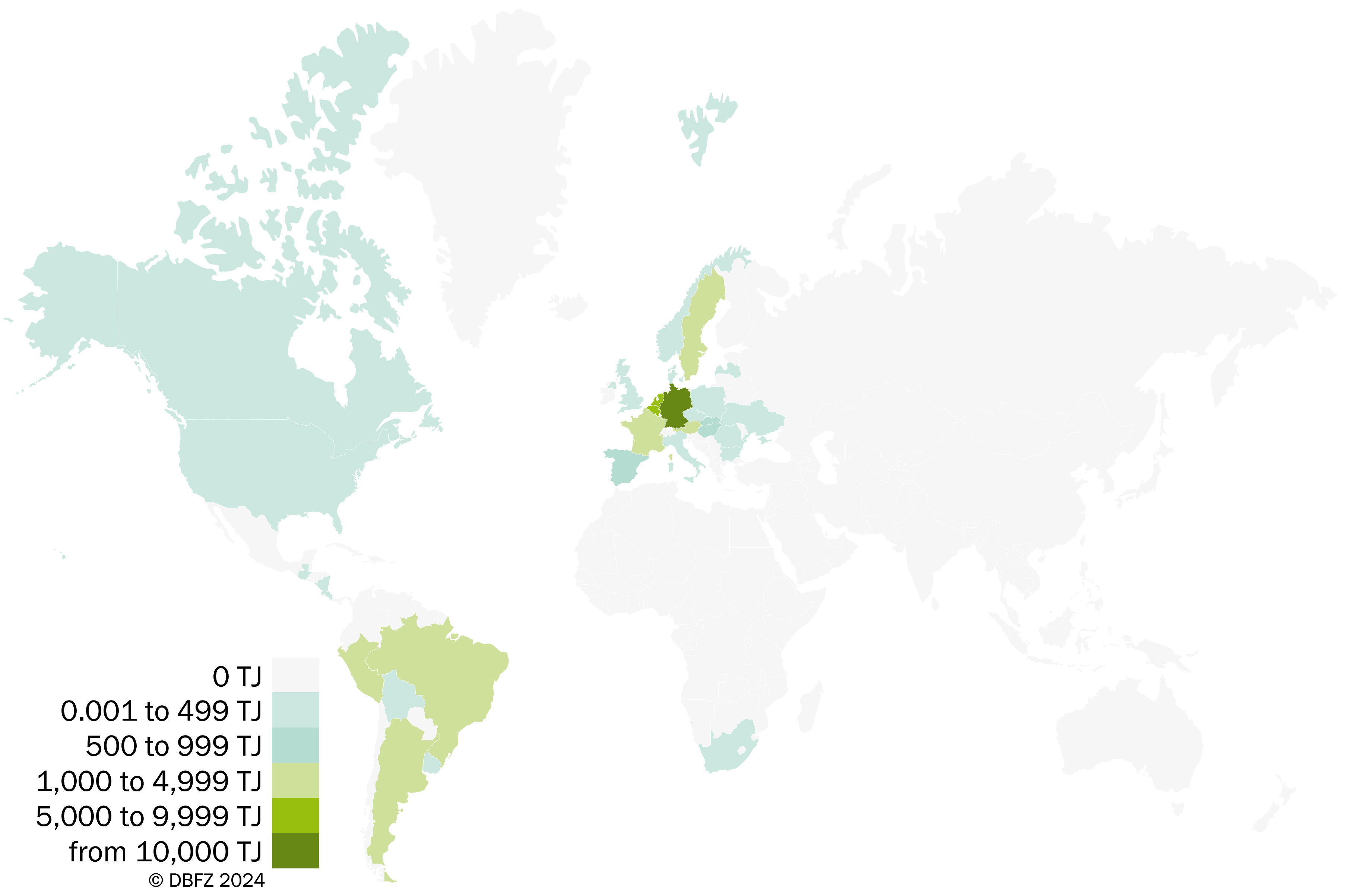
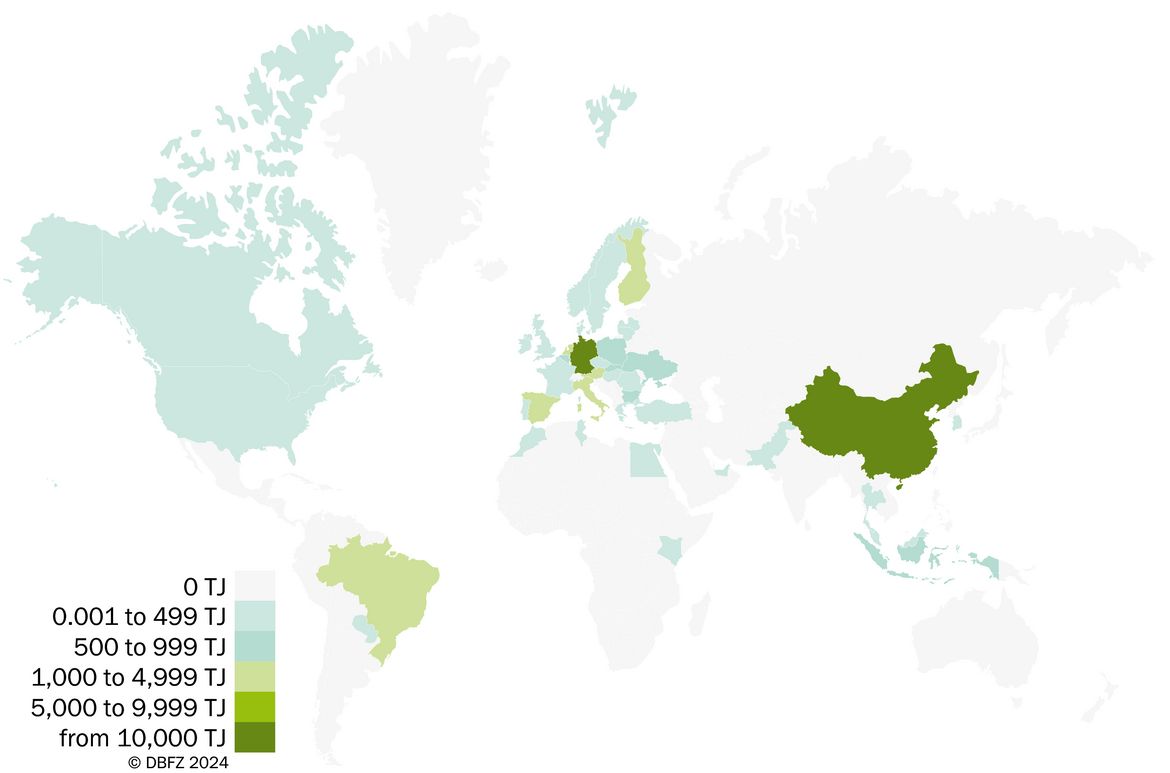
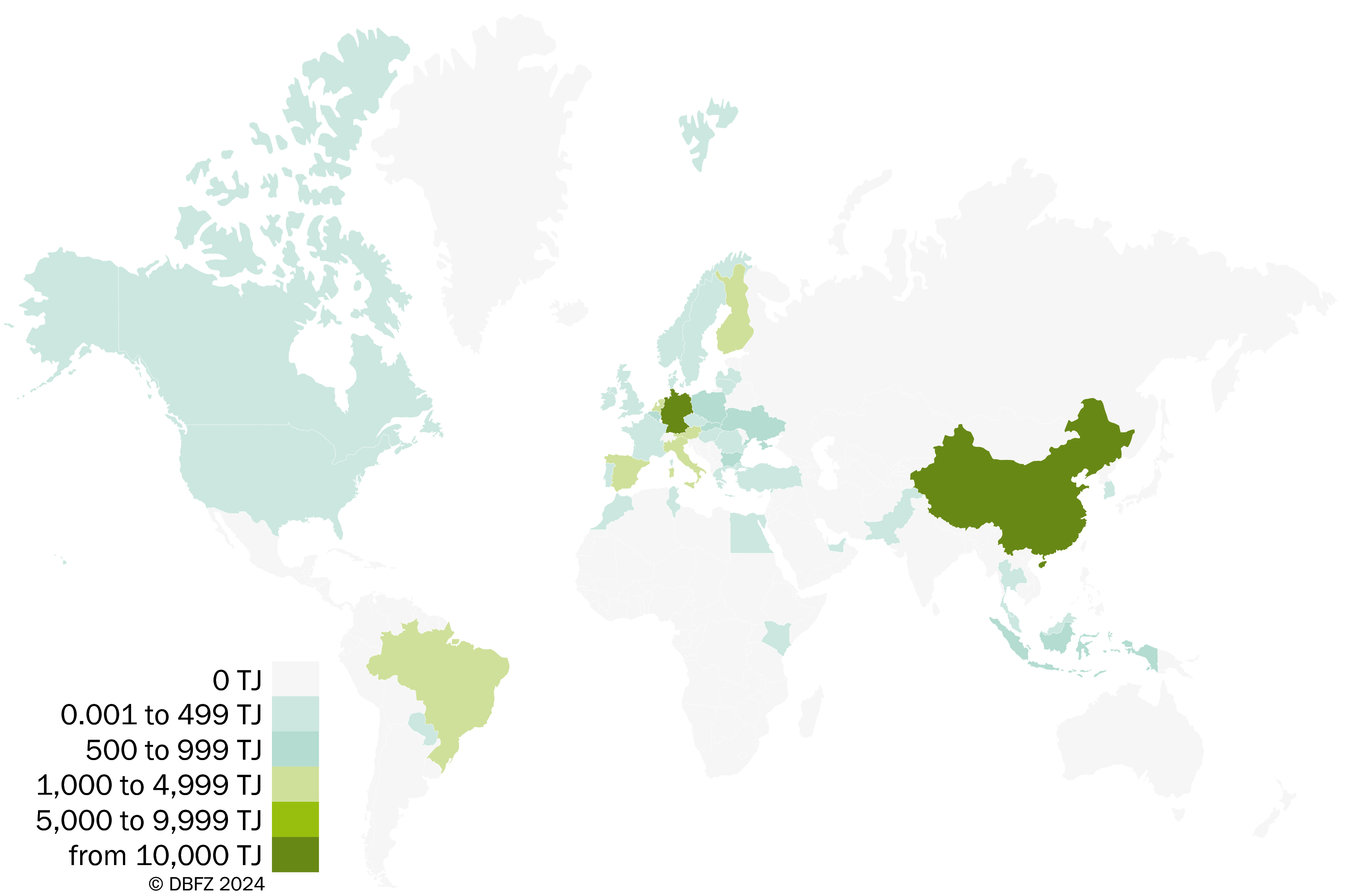
Figures from the monitoring report

On this page, you will find all the charts and figures from the monitoring report “Renewable Energy in Transport”, clearly organised by chapter. You can use the chapter overview to go directly to the section you require. If you would like to download all the figures and charts together, please use the download button below.

Button Download all figures from the monitoring report

File size: approx. 87 MB

Summary

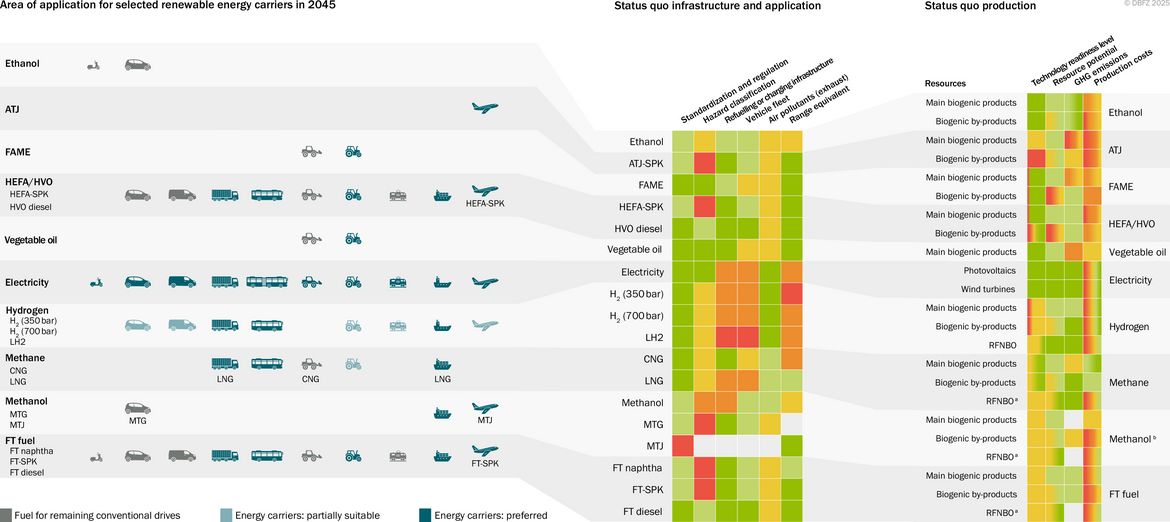
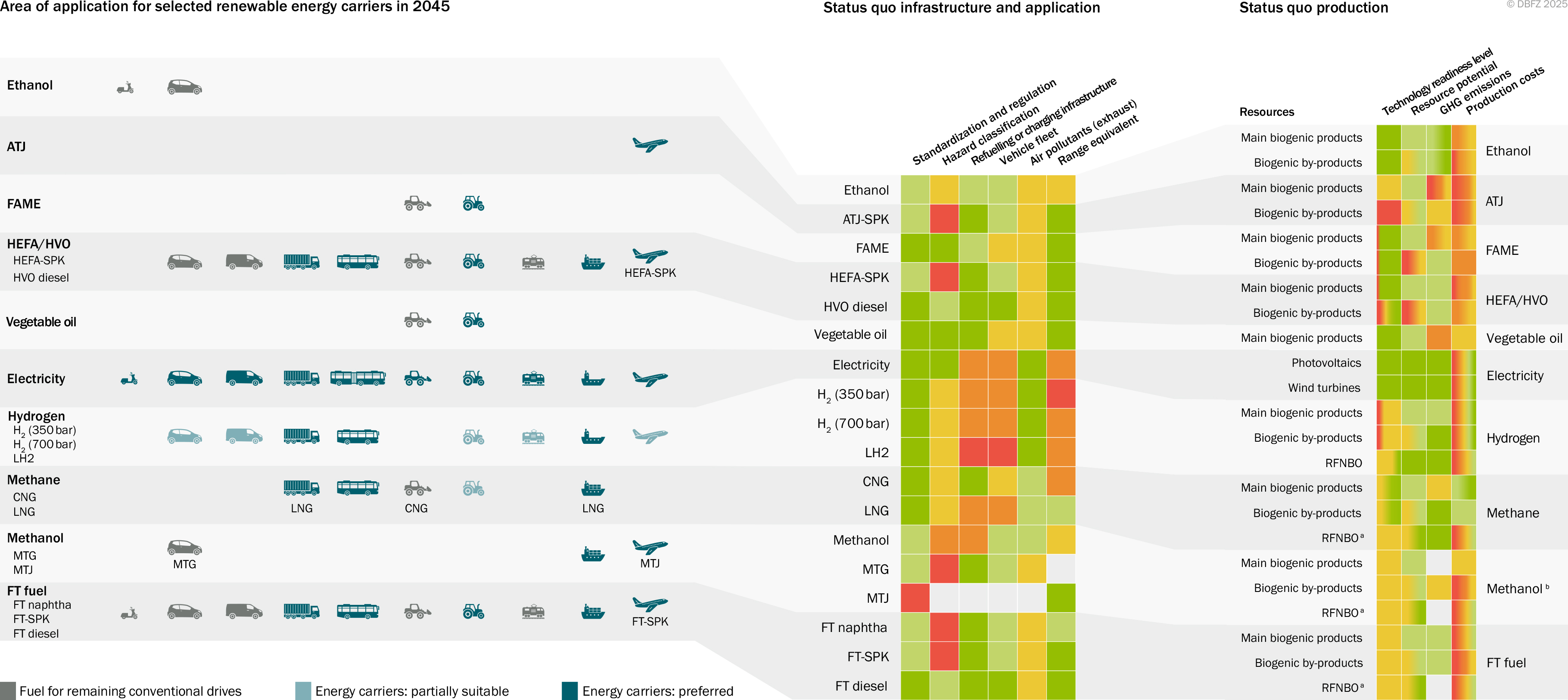
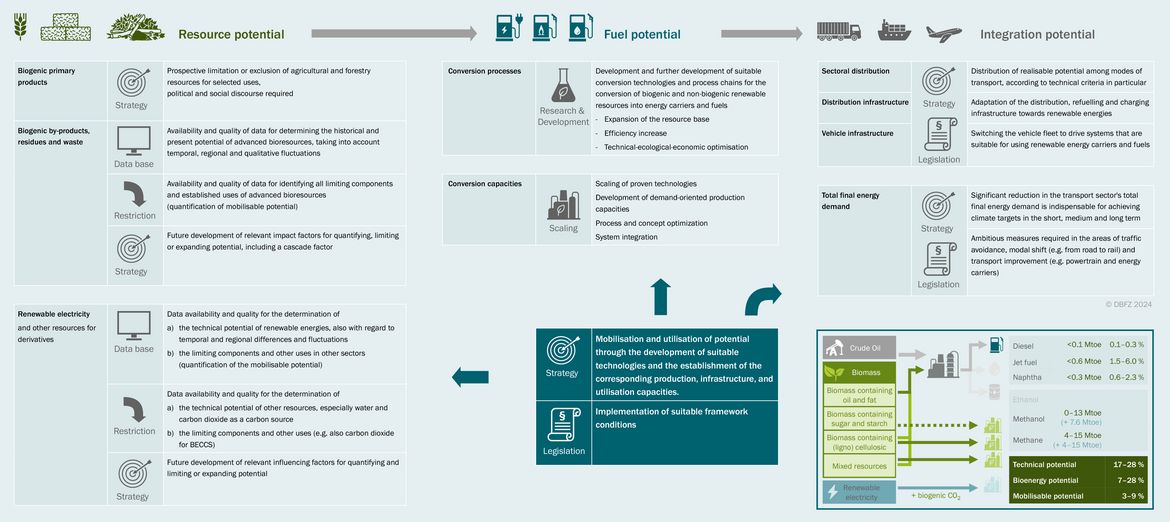
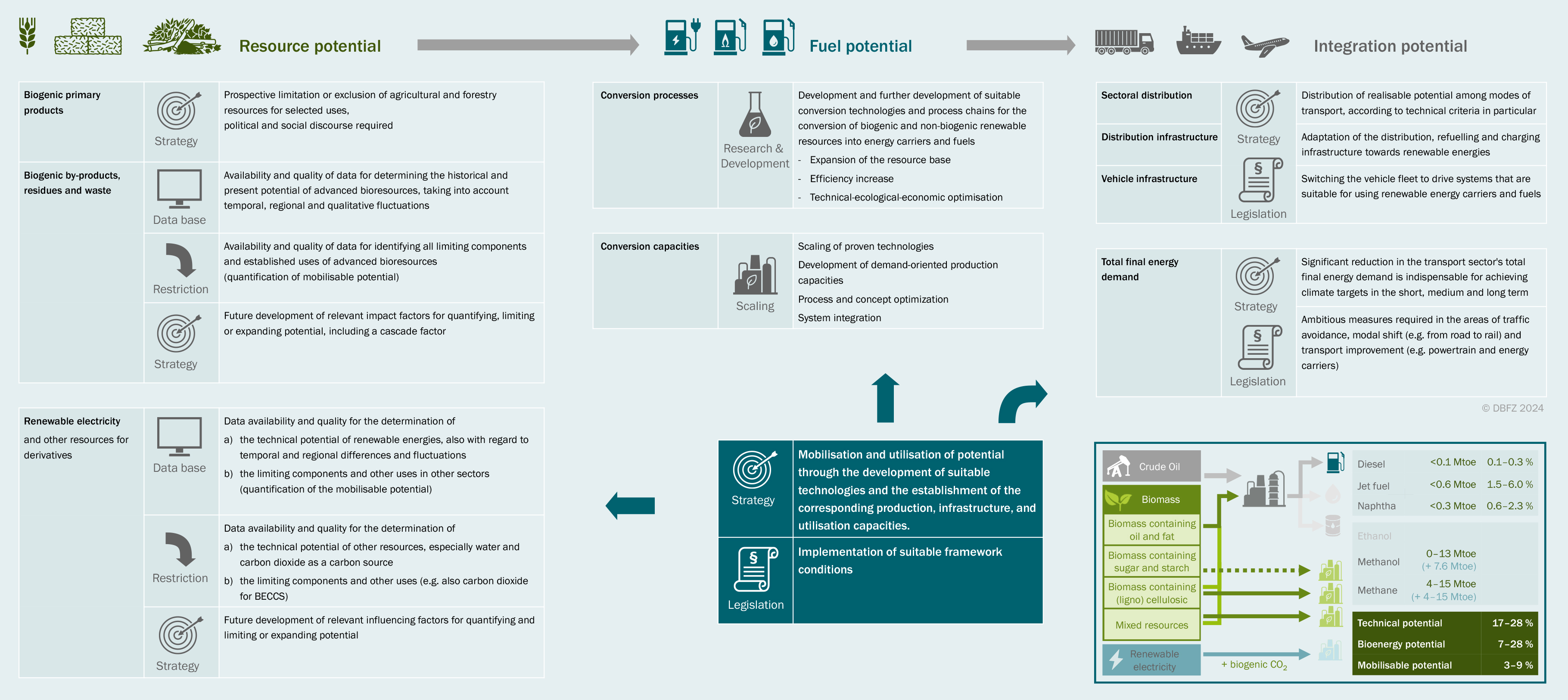
Graphical Abstract to the Monitoring Report ‘Renewable Energies in Transport'

Fig. S-1 on page 3

Download [JPG, 918 KB]

Chapter 1: The challenge of the energy transition in transport

When using the illustrations in Chapter 1, please cite them as follows:

Schröder, J.; Görsch, K.; Lenz, C. N. (2026): The challenge of energy transition in transport. In: Schröder, J.; Görsch, K. (eds.): Renewable Energies in Transport. Monitoring Report. pp. 5-21. Leipzig: DBFZ. ISBN: 978-3-949807-36-7. DOI: 10.48480/45hp-x131
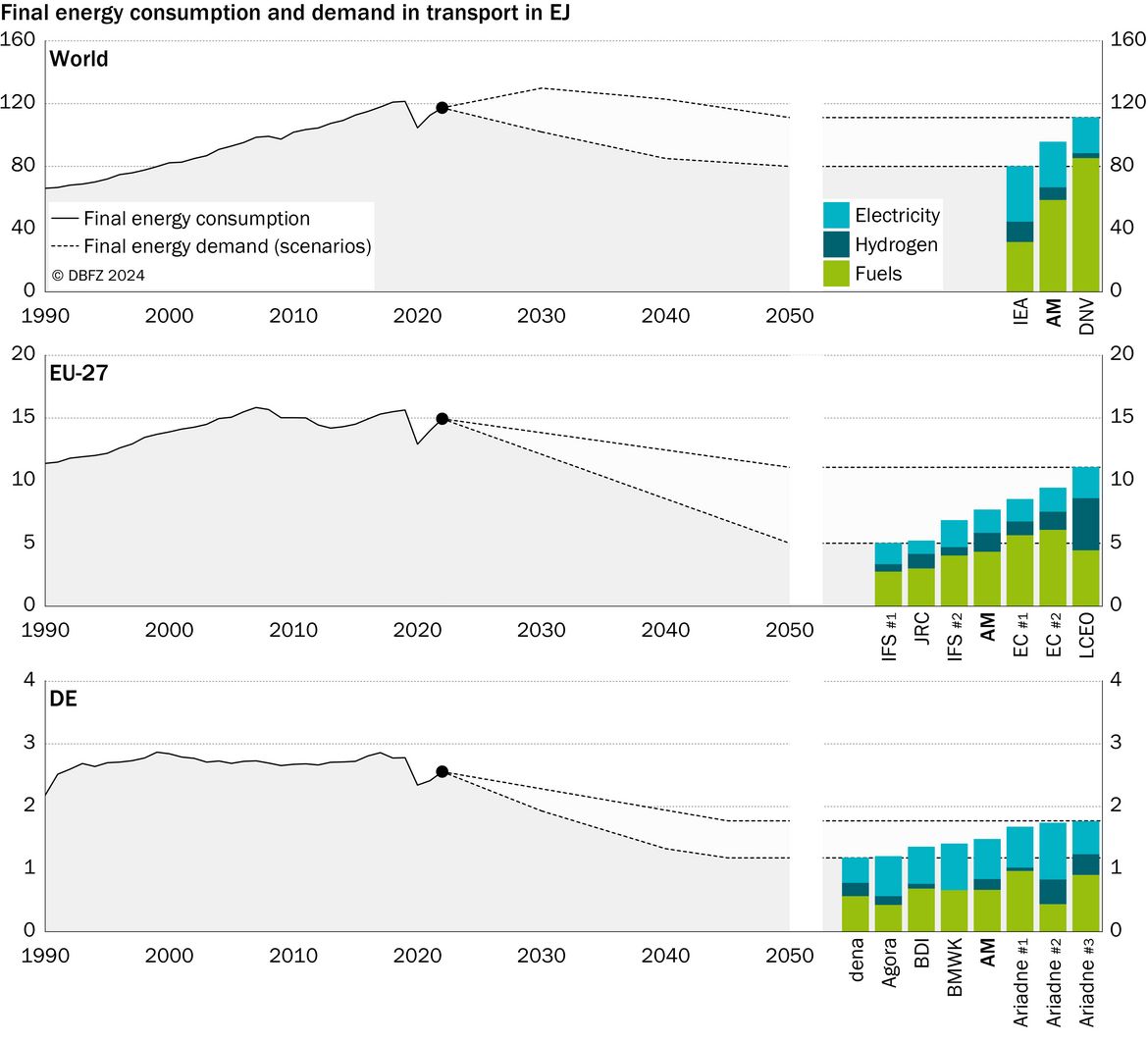
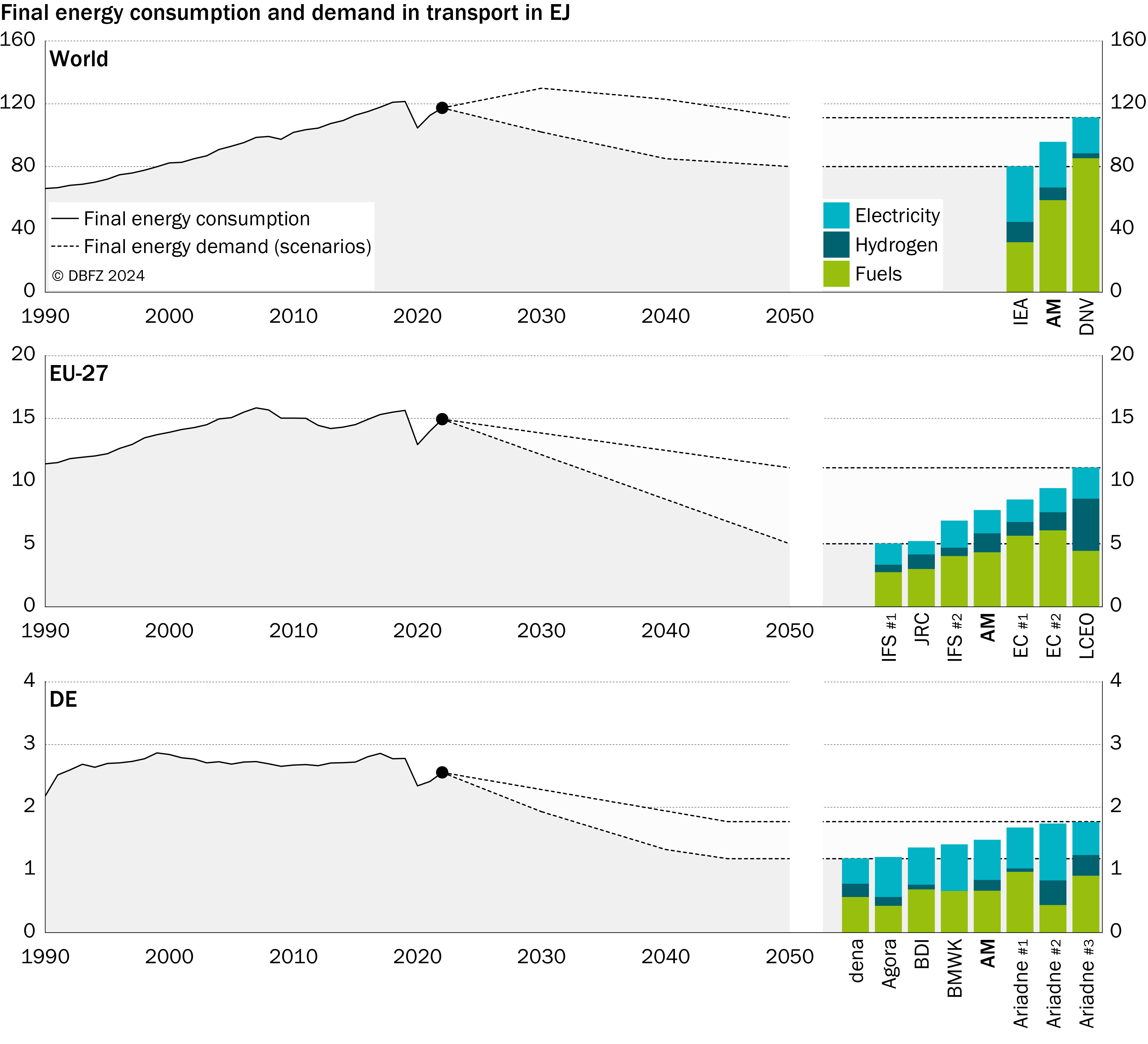
Final energy consumption and demand by 2050 in transport

Fig. 1-1 on page 7

Download [JPG, 1,7 MB]

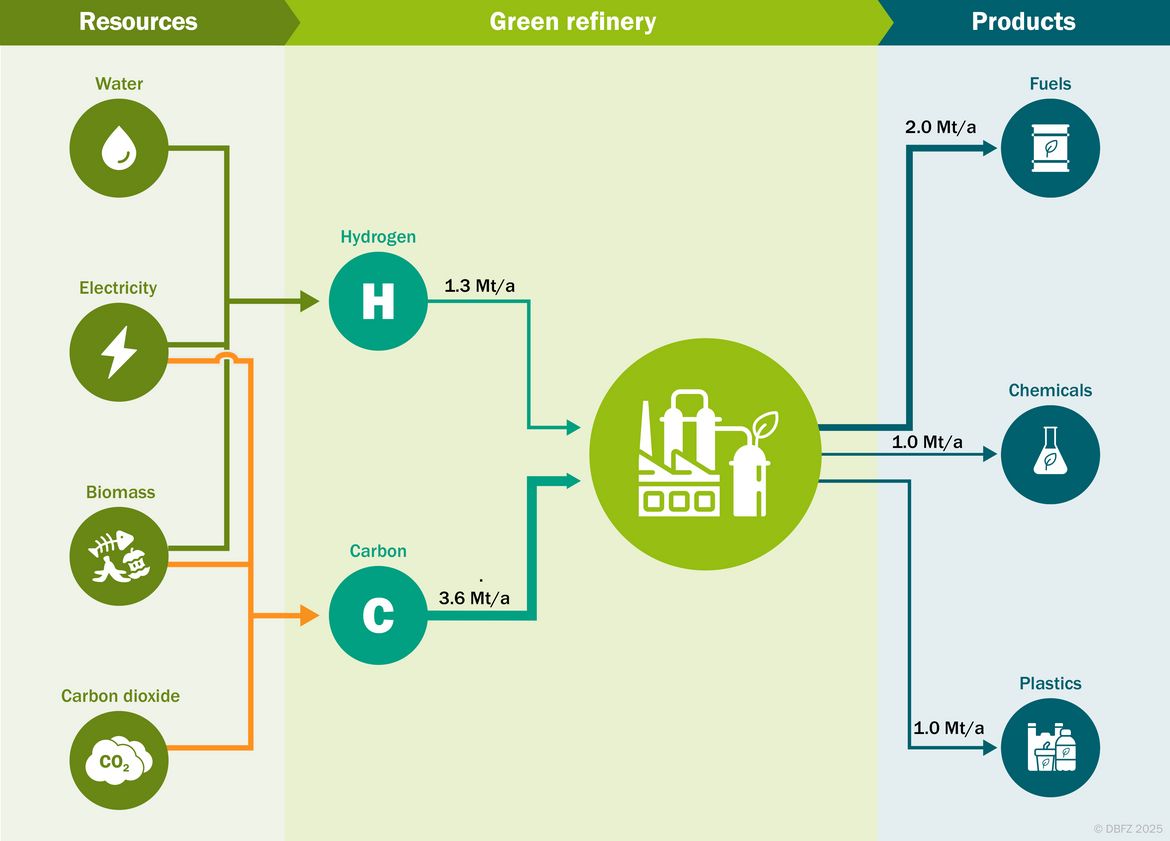
Reference refinery for the production of renewable fuels, chemicals and plastics

Fig. 1-2 on page 9

Download [JPG, 1,3 MB]

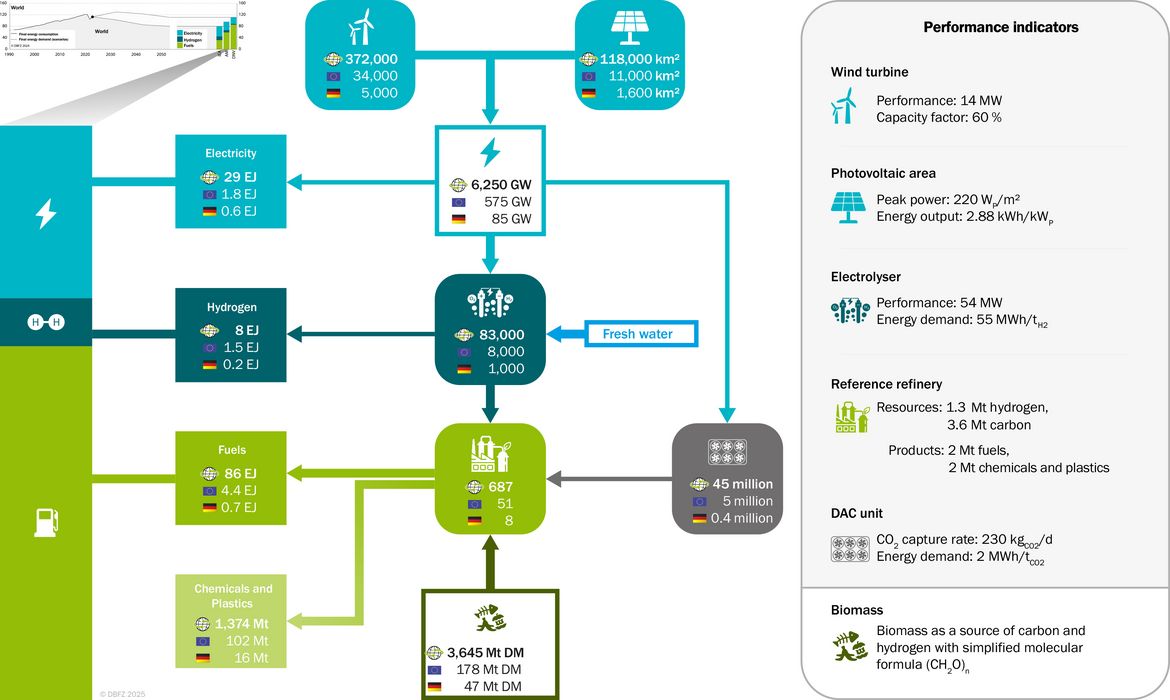
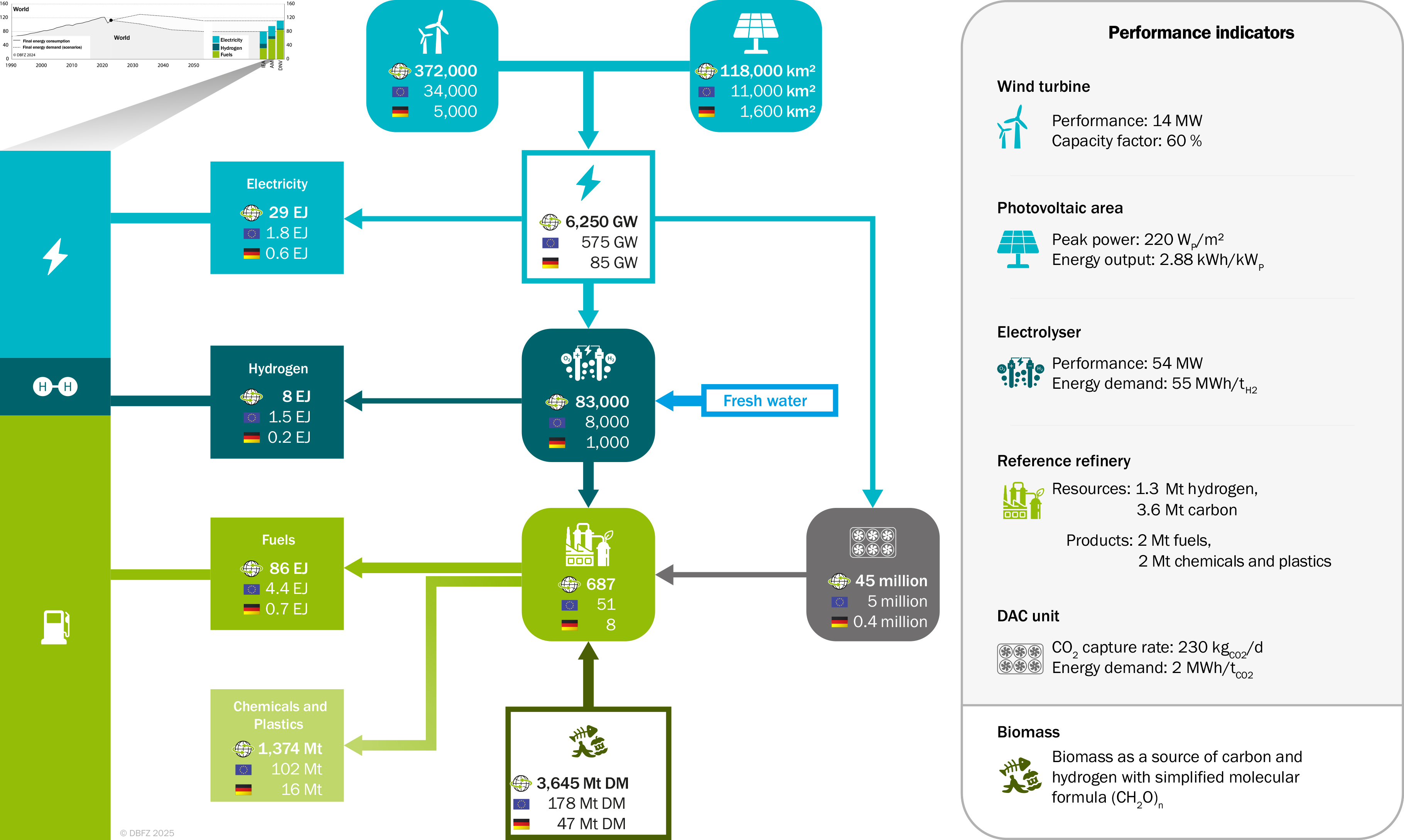
Comparison of energy demand in 2045/2050 and demand for resources and technical systems for the supply of electricity, hydrogen and fuels according to the base scenario; framework: world, EU and Germany

Fig. 1-3 on page 10

Download [JPG, 1,5 MB]

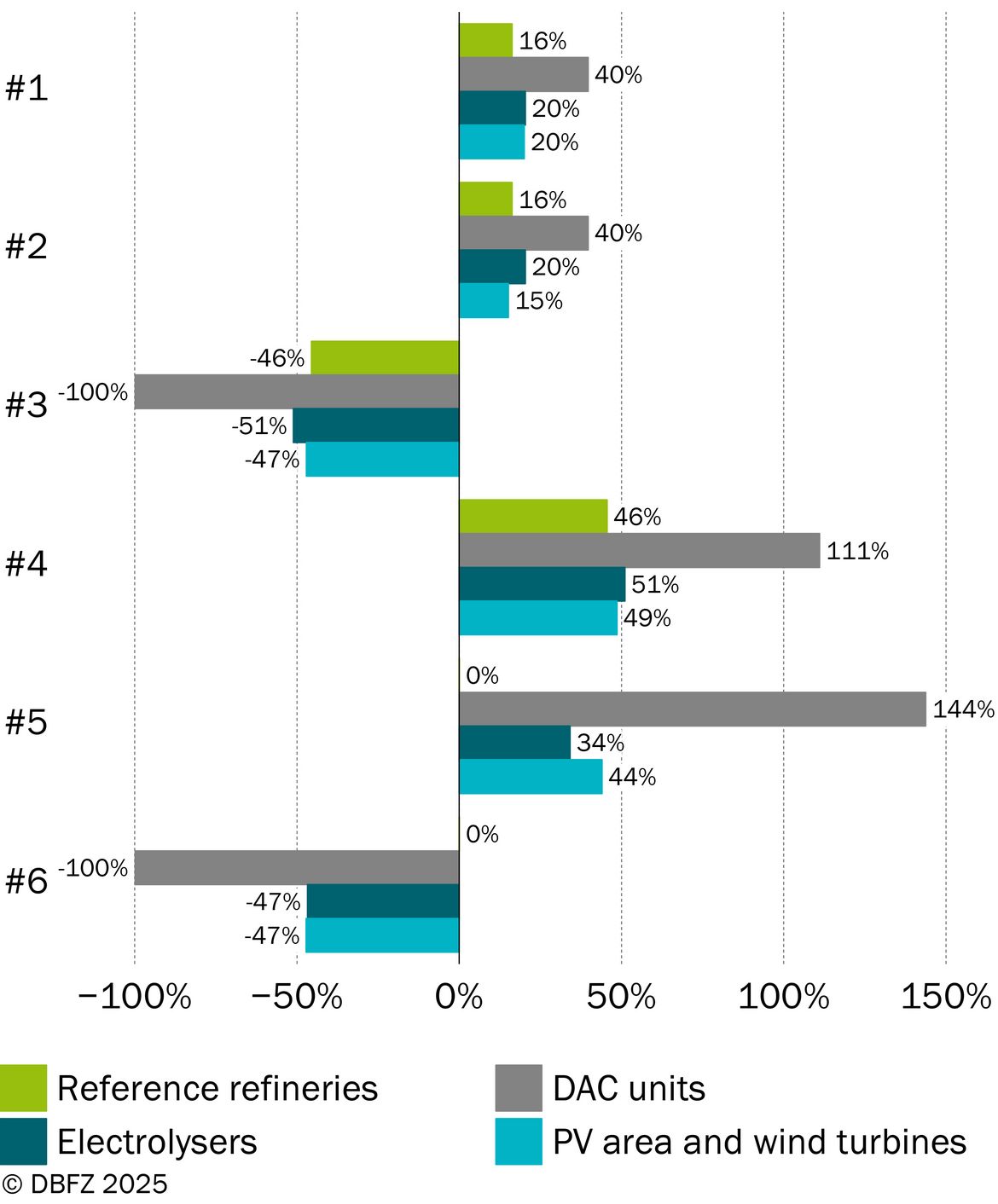
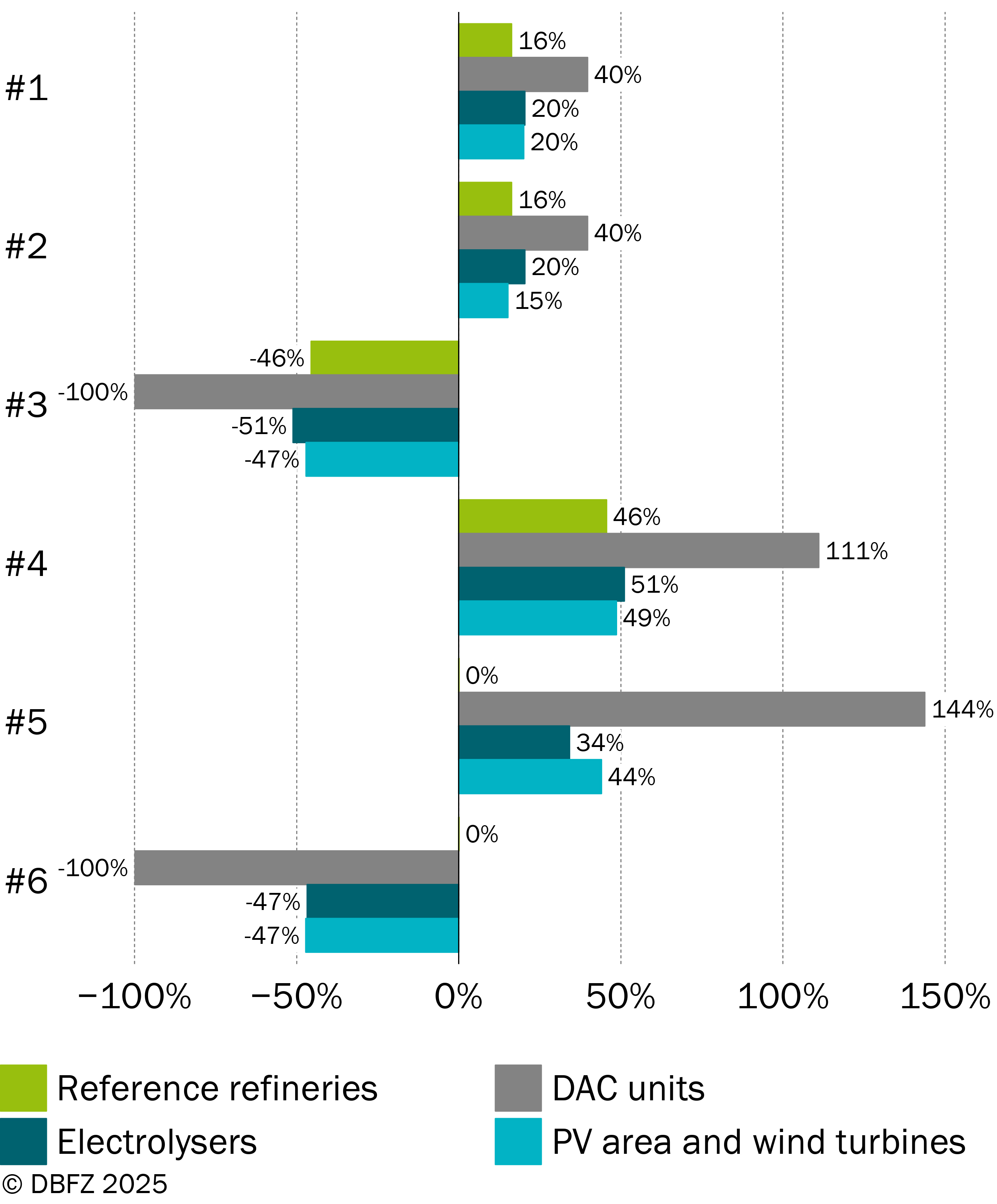
Relative change in global plant demand in scenarios #1 to #6 compared to the baseline scenario

Fig. 1-4 on page 11

Download [JPG, 1,1 MB]

Chapter 2: Transport and its infrastructure

When using the illustrations in Chapter 2, please cite them as follows:

Schröder, J.; Görsch, K. (2026): Transport and its infrastructure. In: Schröder, J.; Görsch, K. (eds.): Renewable Energies in Transport. Monitoring Report. pp. 22-32. Leipzig: DBFZ. ISBN: 978-3-949807-36-7. DOI: 10.48480/45hp-x131
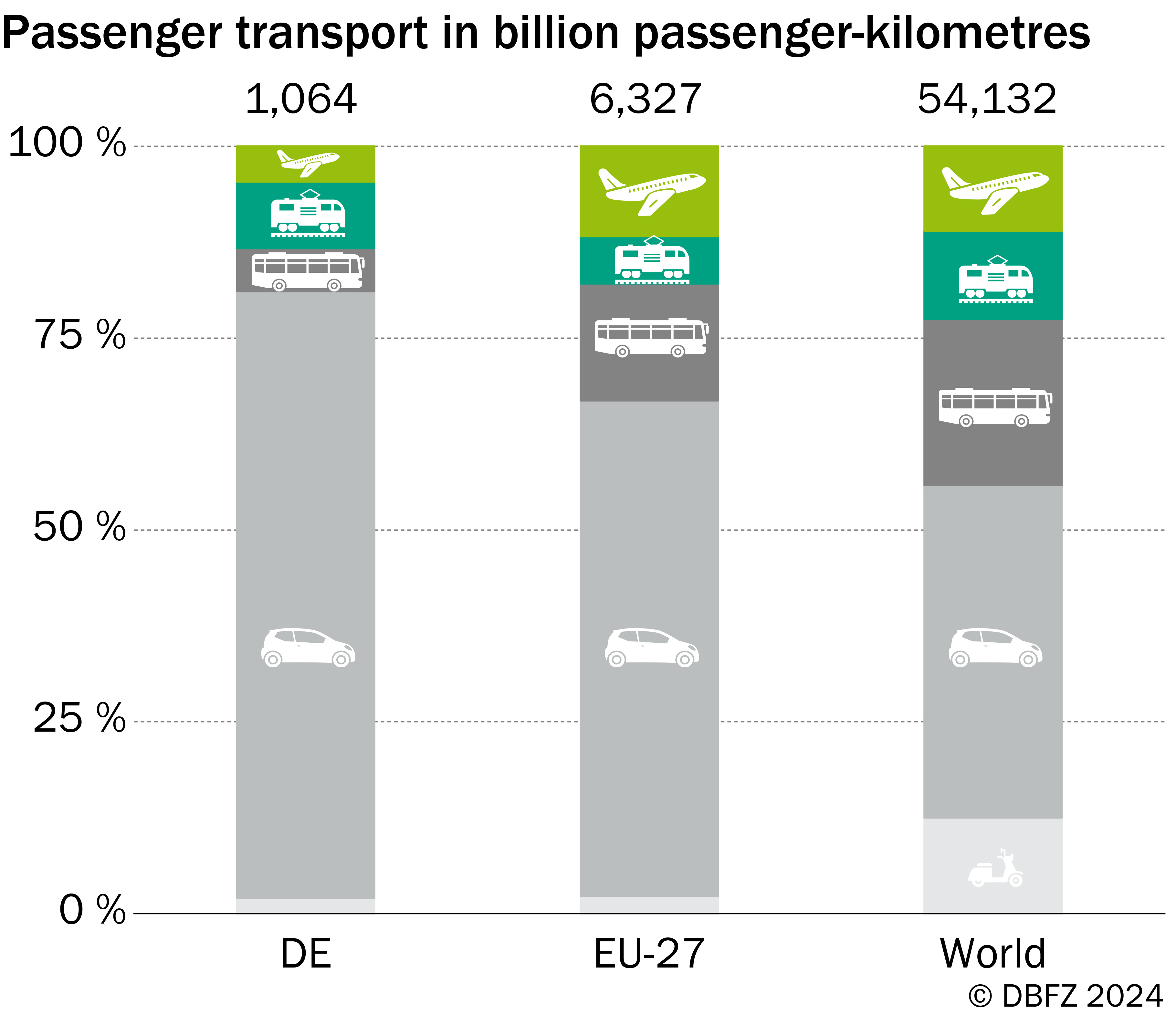
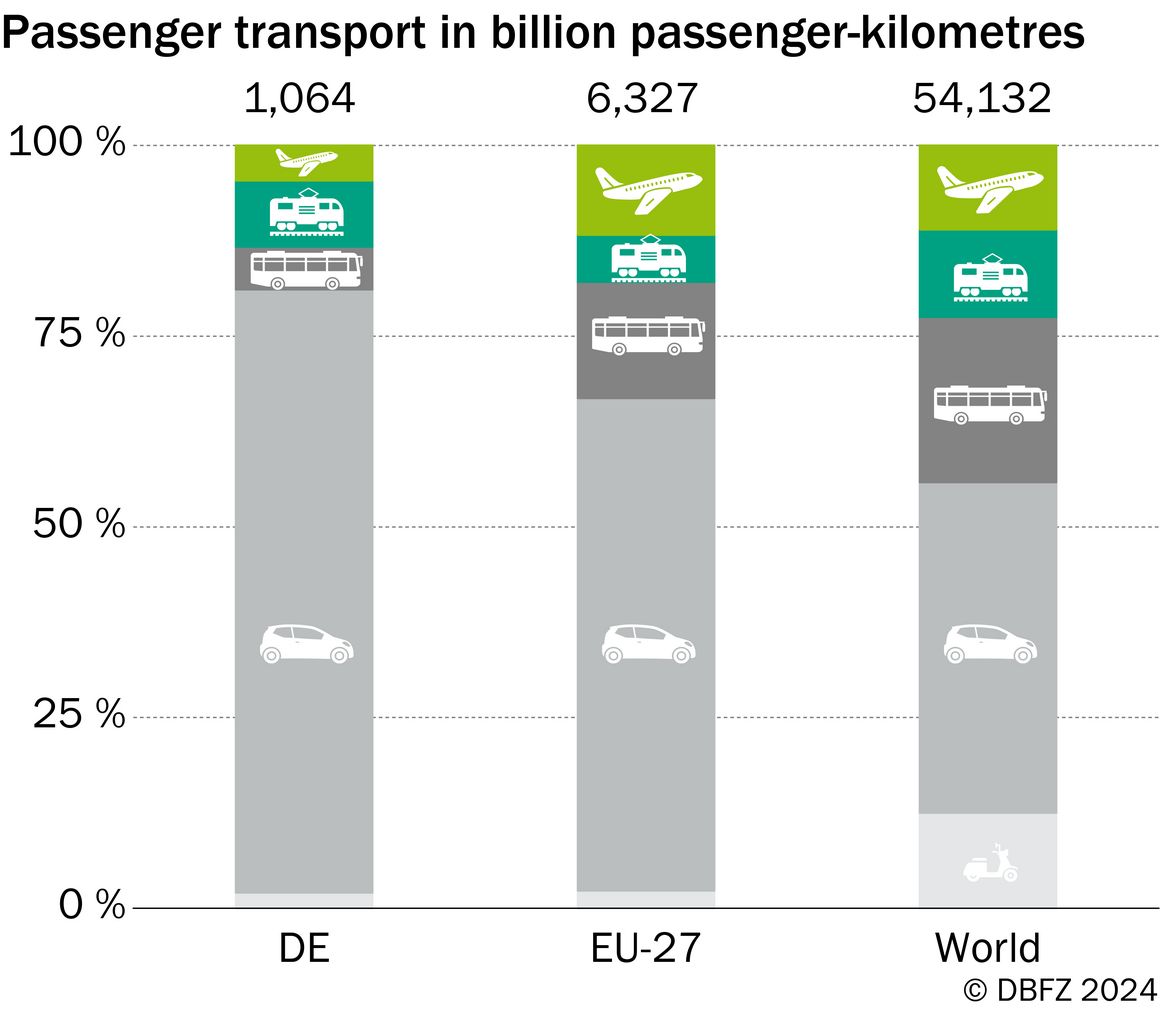
Modal split of transport performance for passenger transport

Fig. 2-1 on page 24

Download [JPG, 1,3 MB]

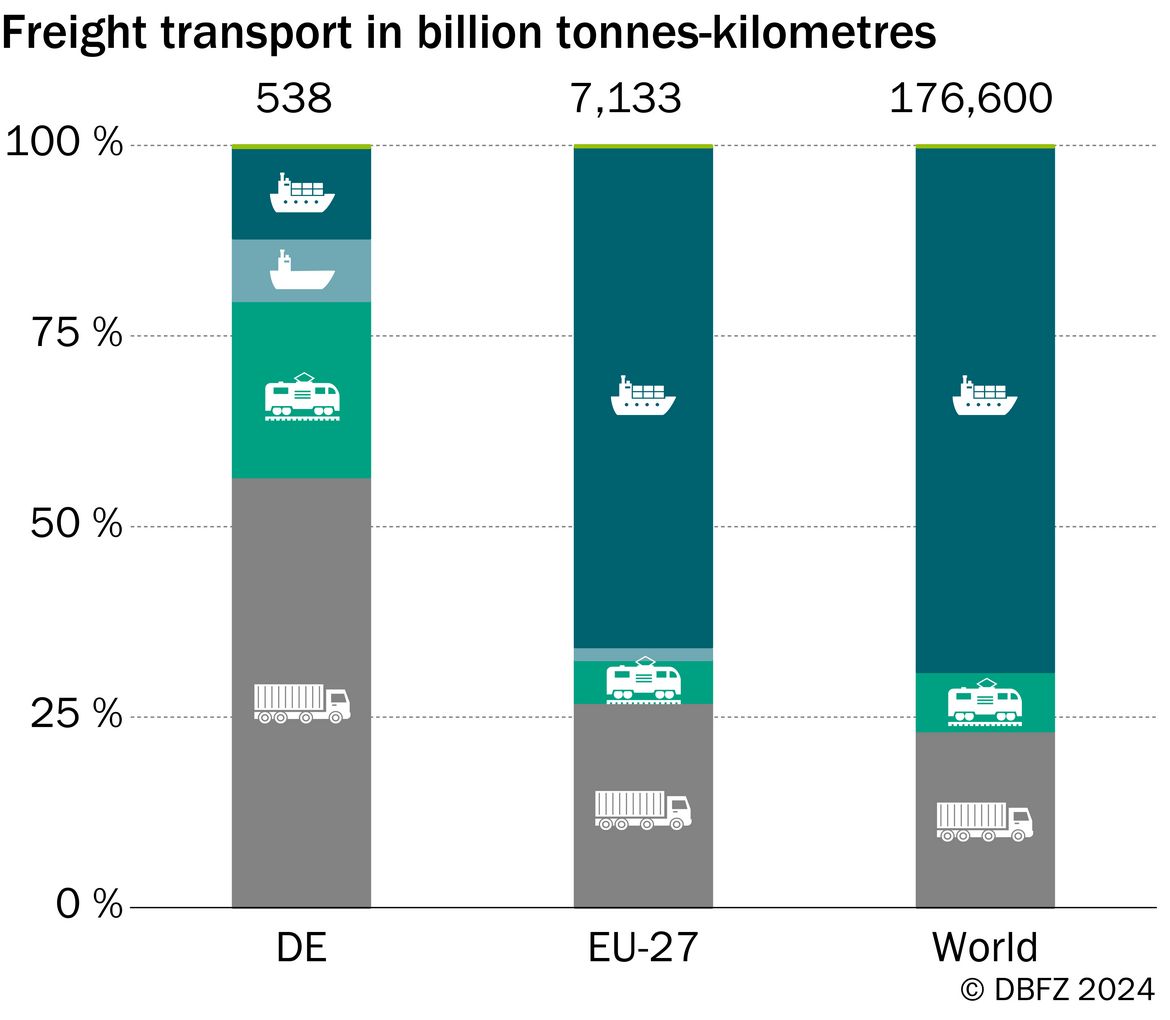
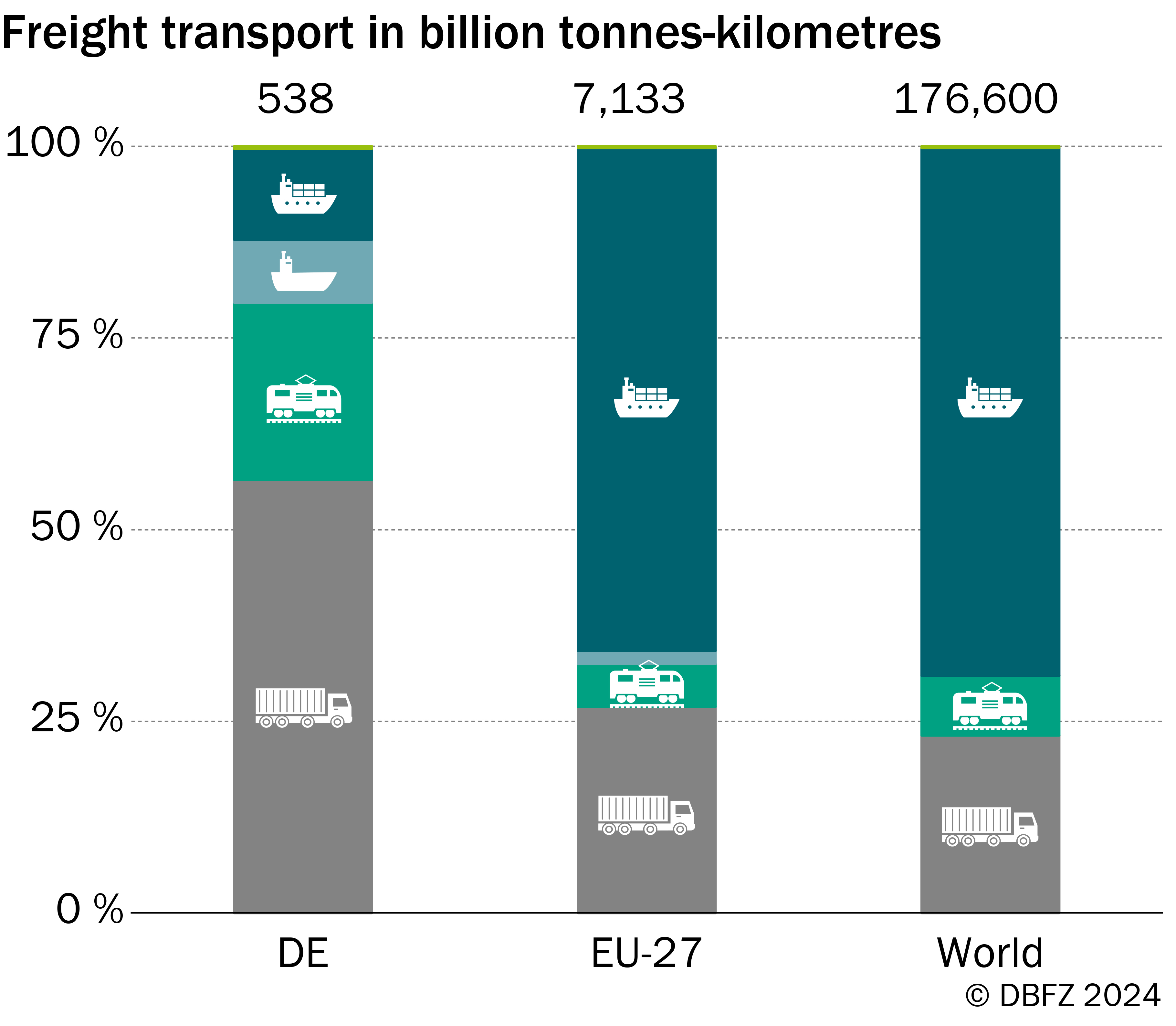
Modal split of transport performance for freight transport

Fig. 2-2 on page 24

Download [JPG, 1,3 MB]

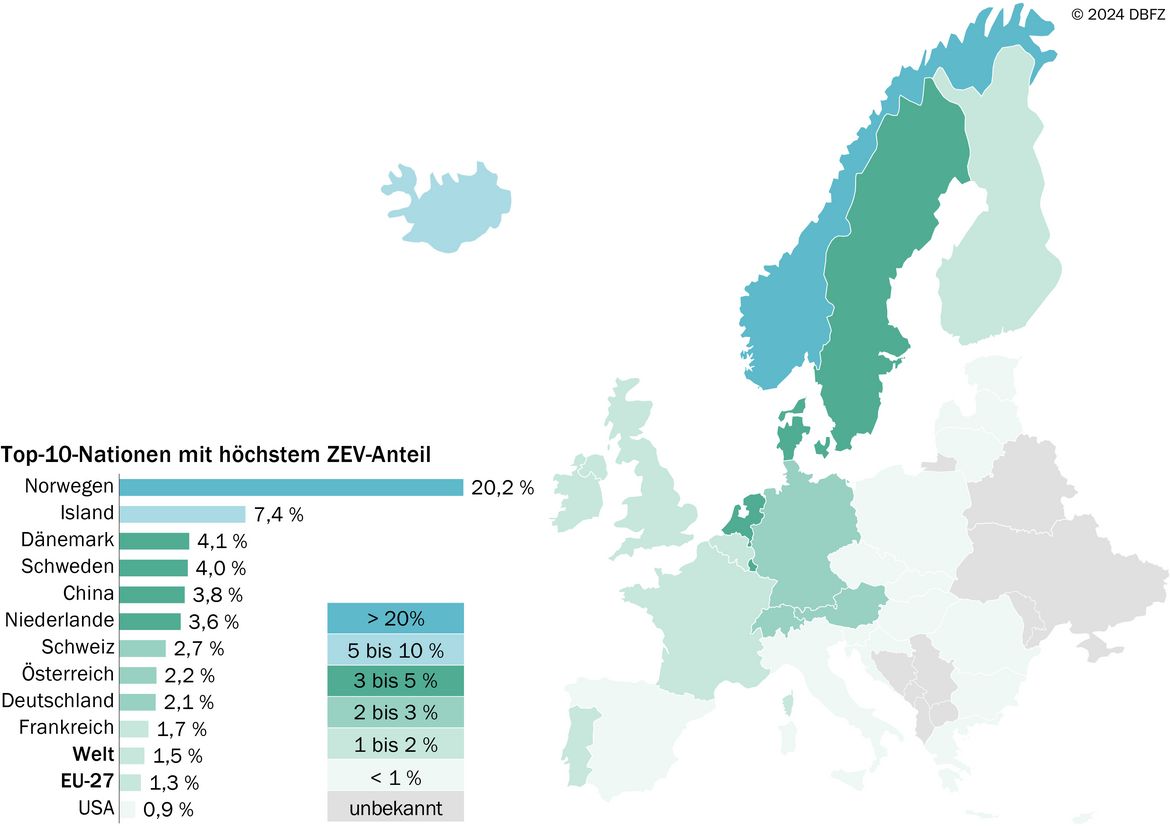
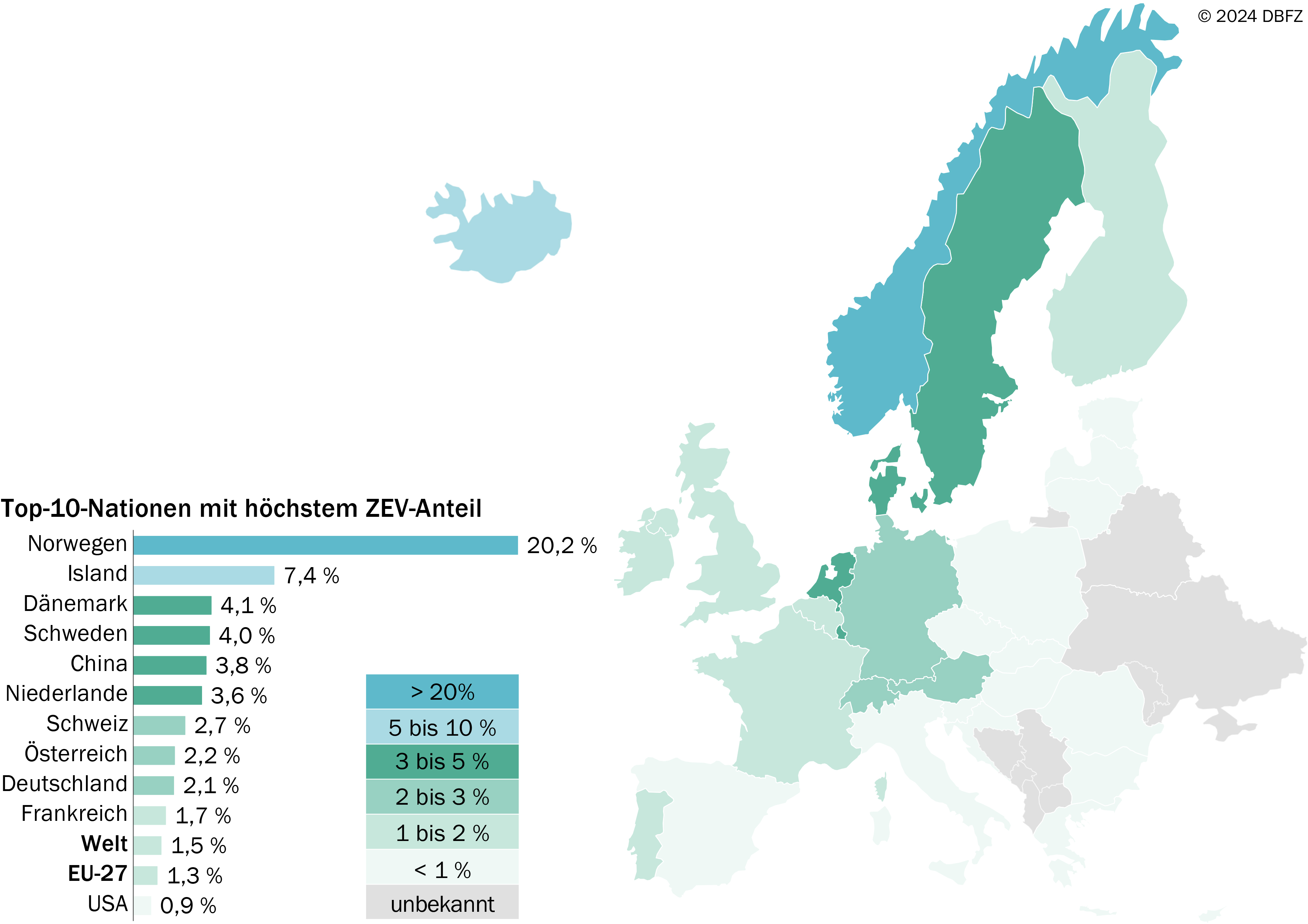
Share of zero-emission vehicles

Fig. 2-3 on page 25

Download [JPG, 1,1 MB]

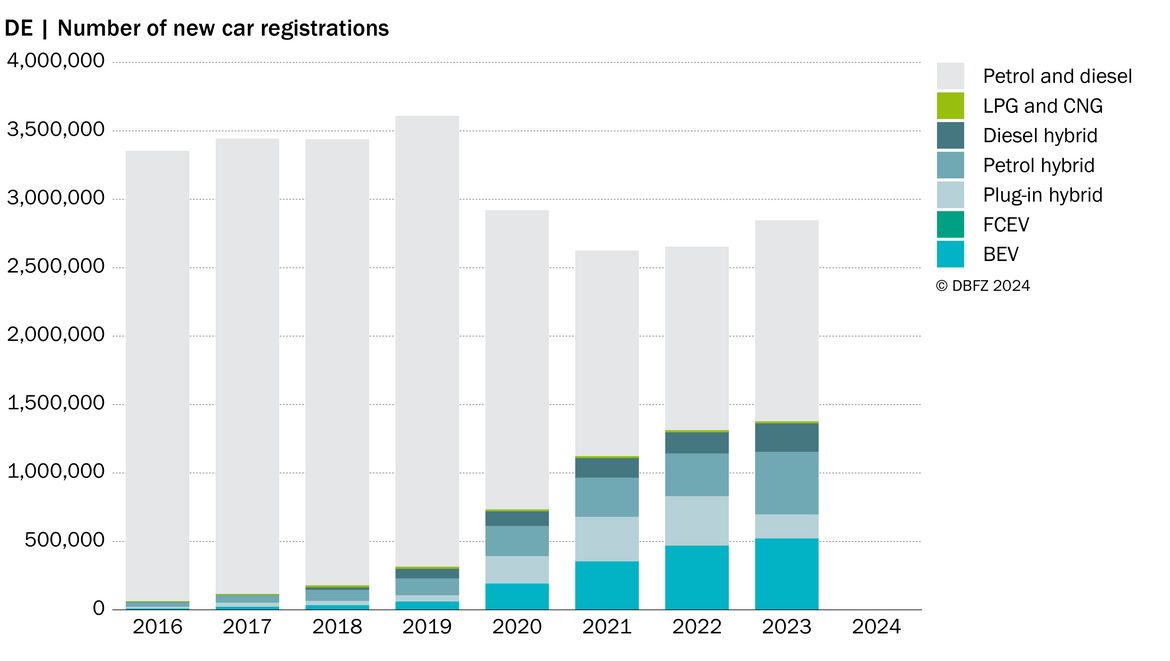
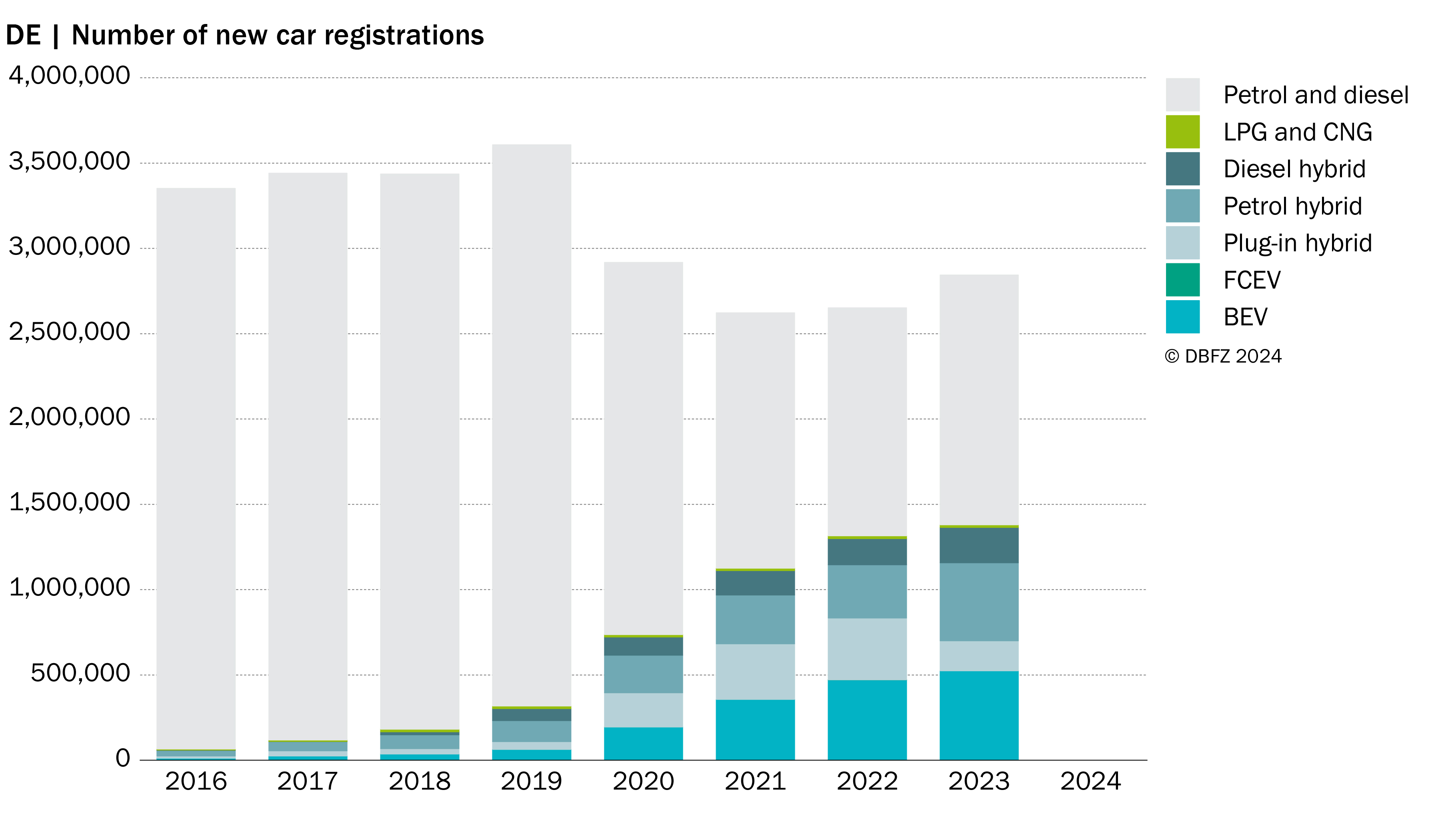
Number of new car registrations in Germany, divided according to powertrain type

Fig. 2-4 on page 25

Download [JPG, 943 KB]

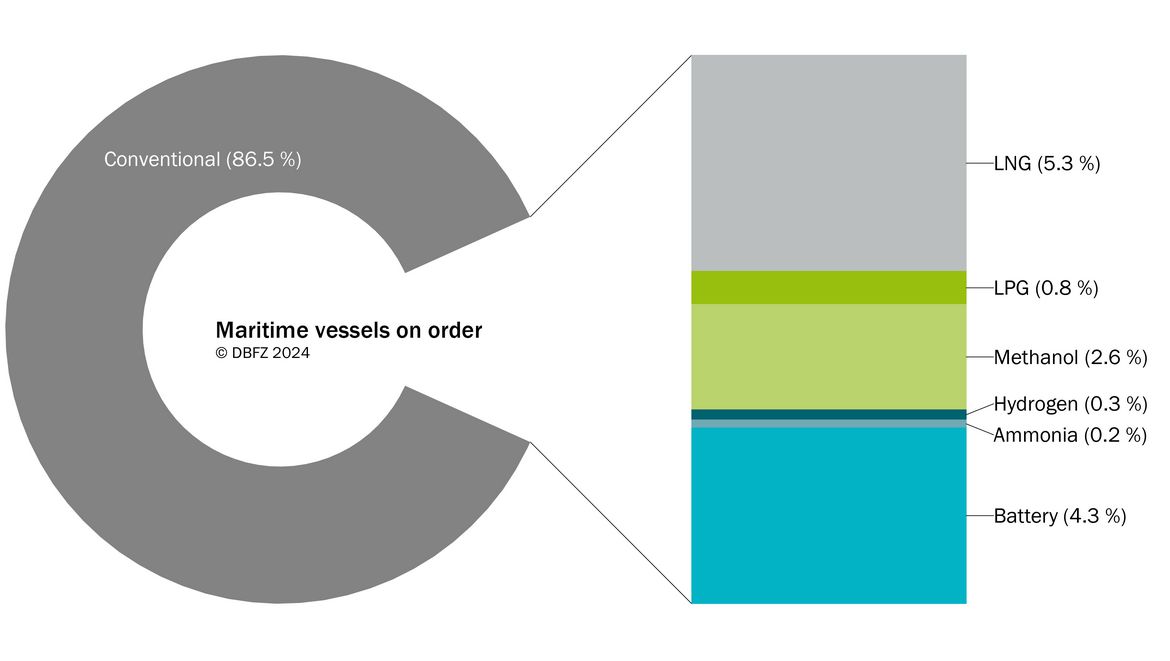
Deep-sea vessels on order (worldwide) from 2024

Fig. 2-5 on page 26

Download [JPG, 750 KB]

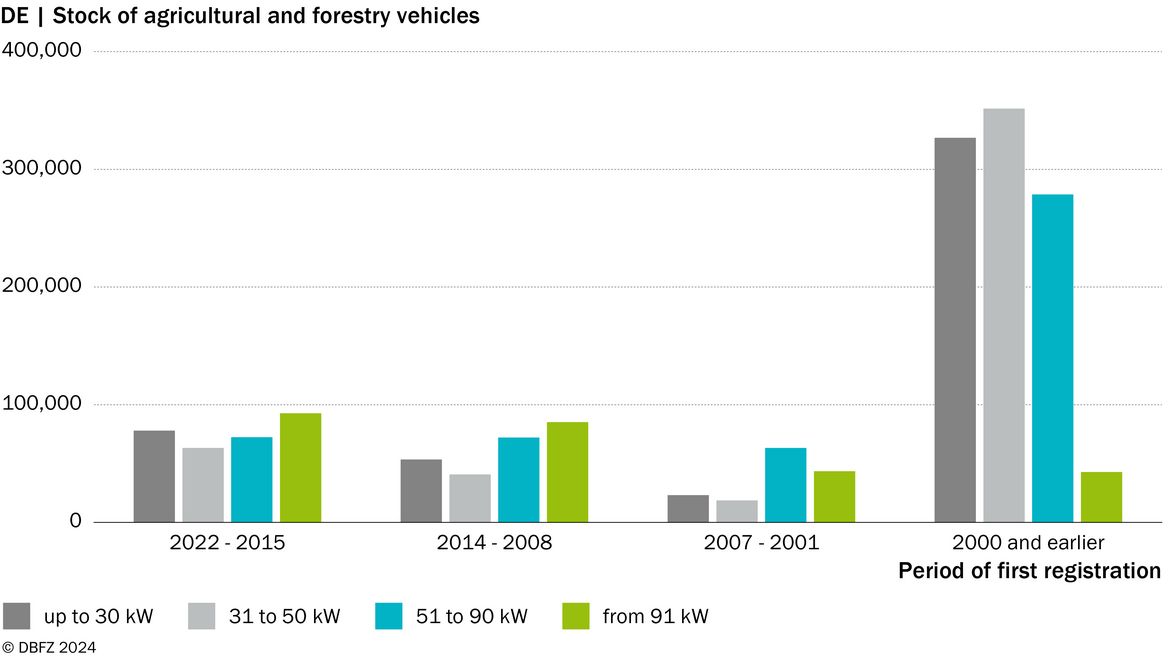
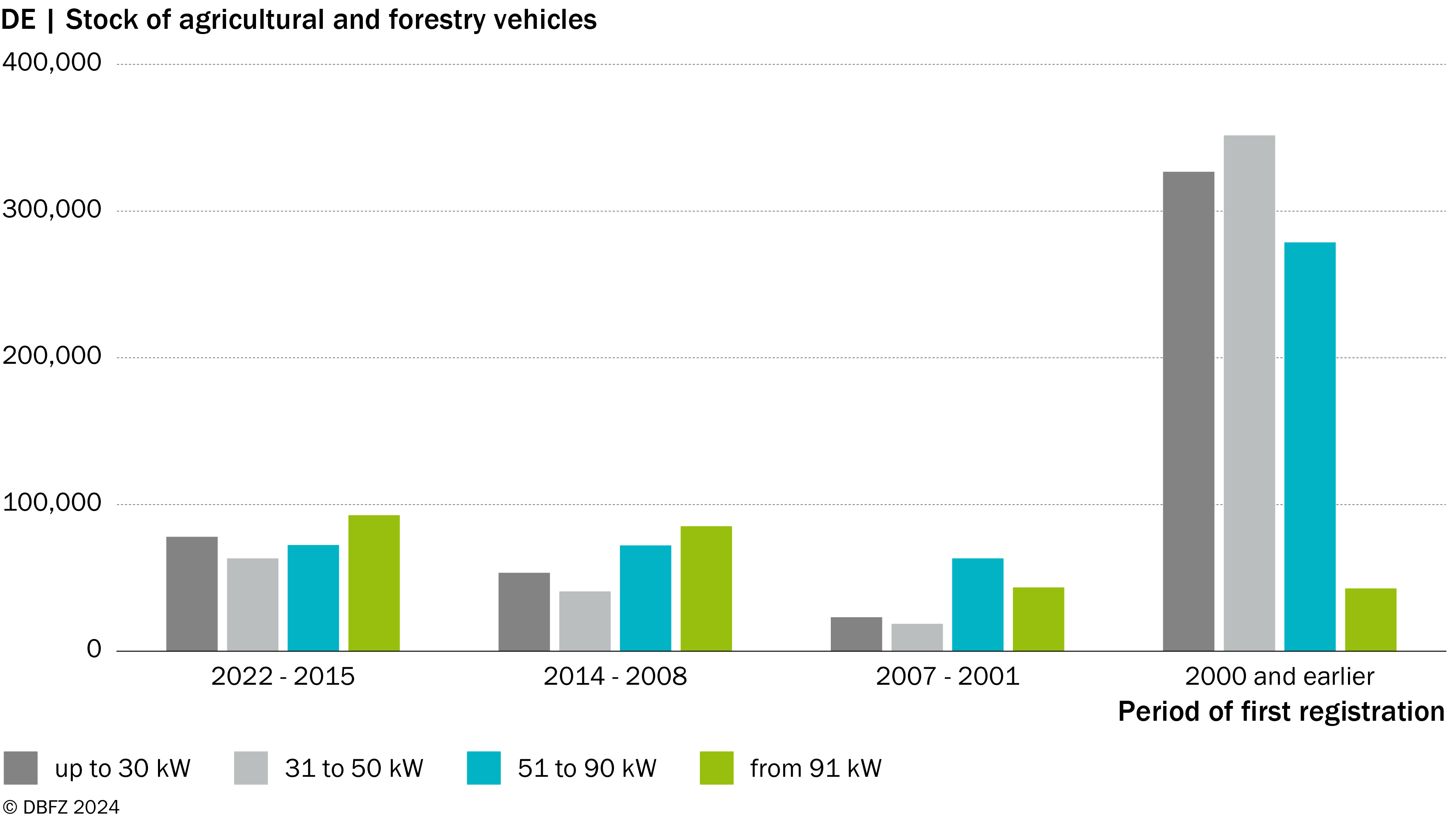
Fleet of agricultural and forestry vehicles in Germany

Fig. 2-6 auf Seite 27

Download [JPG, 890 KB]

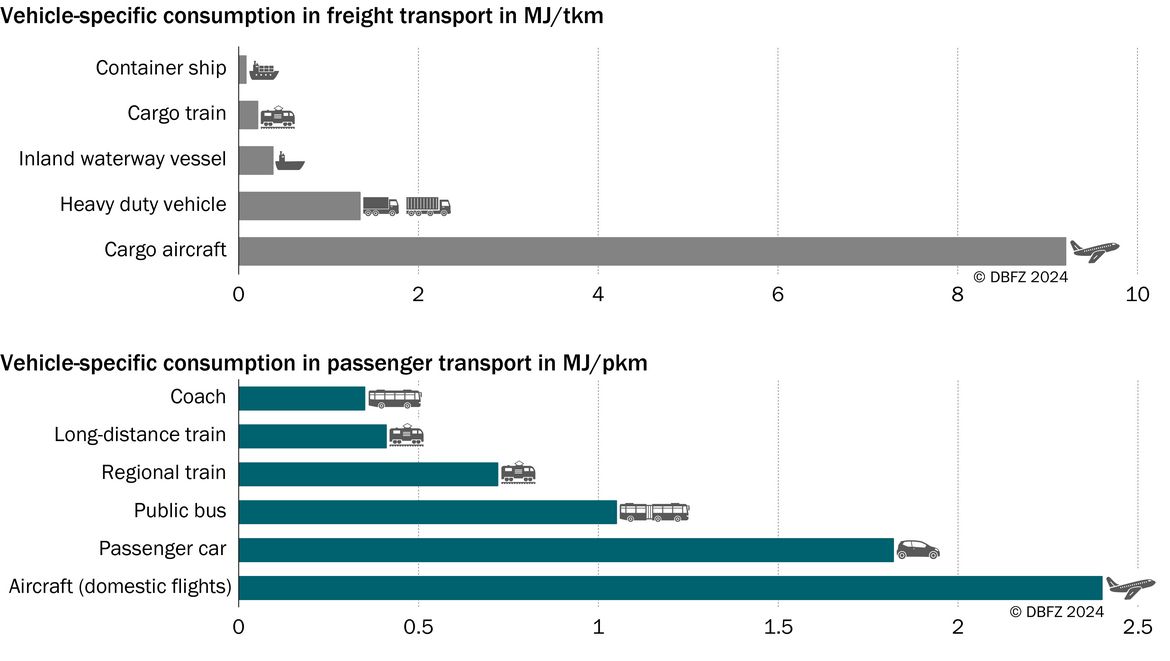
Vehicle-specific energy consumption in freight and passenger transport

Fig. 2-7 on page 28

Download [JPG, 1 MB]

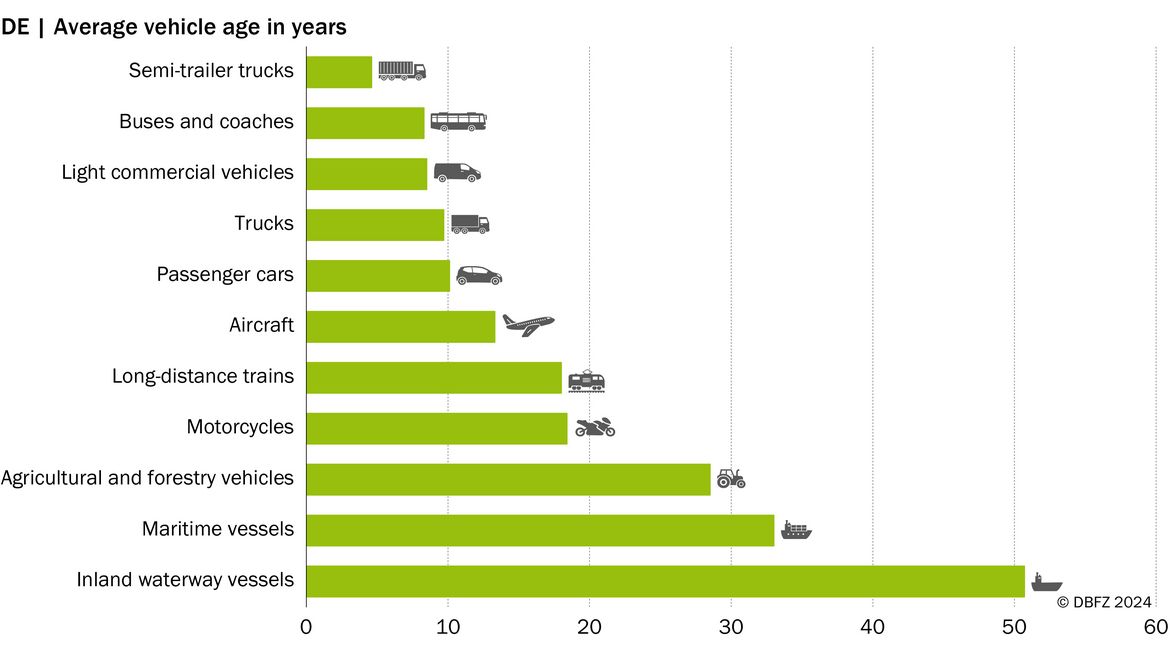
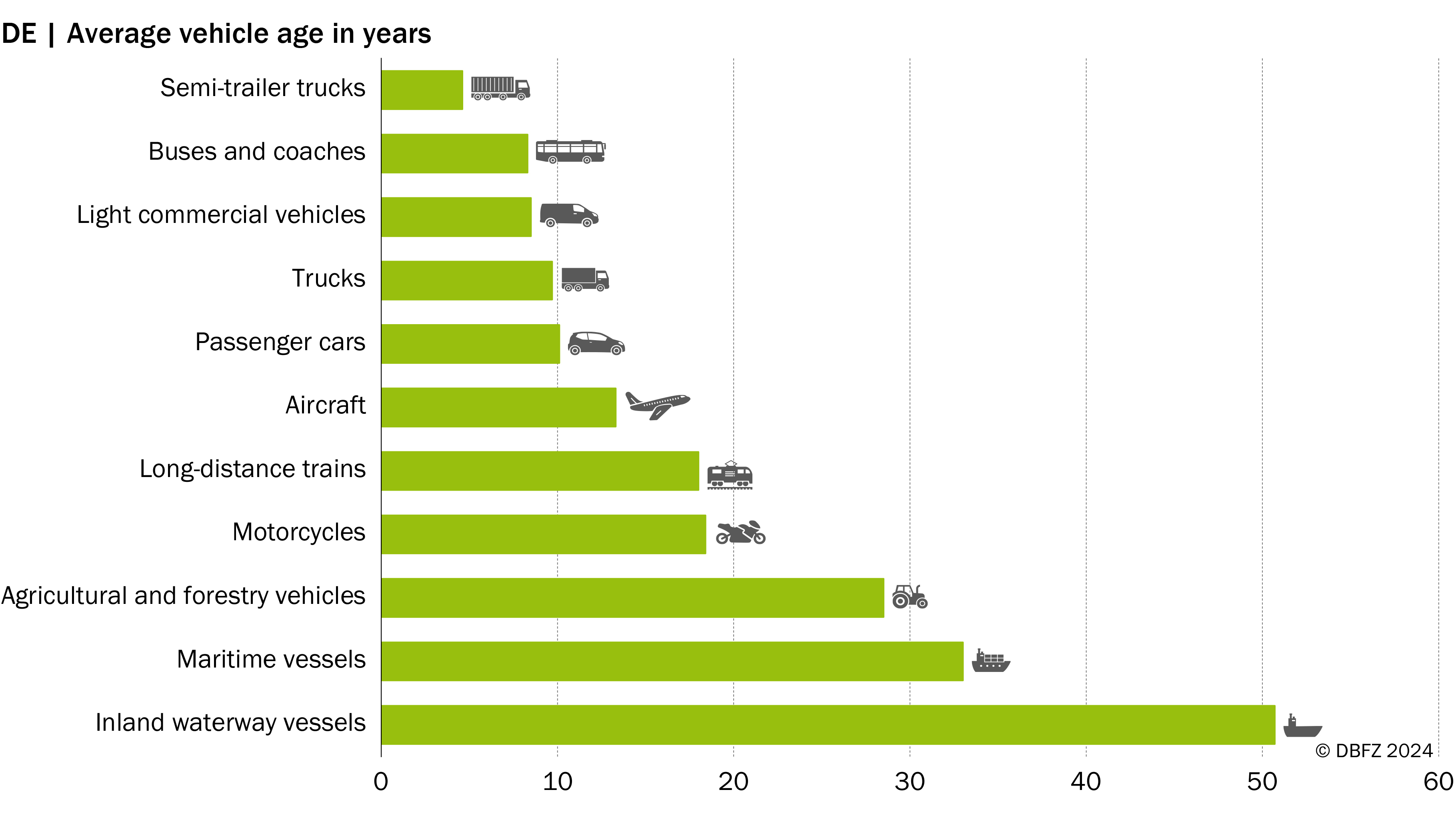
Average vehicle age, broken down according to mode of transport

Fig. 2-8 on page 28

Download [JPG, 930 KB]

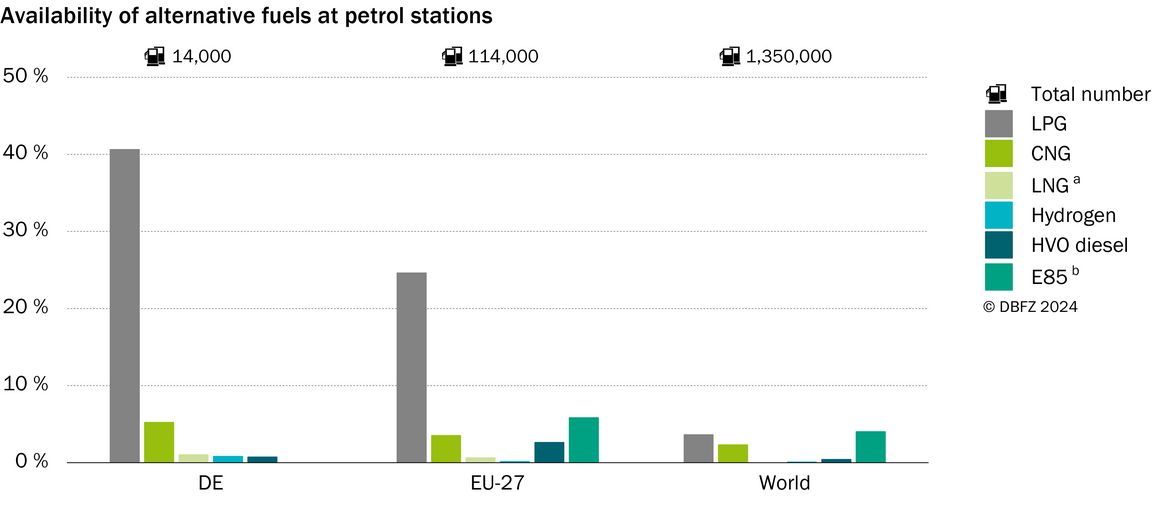
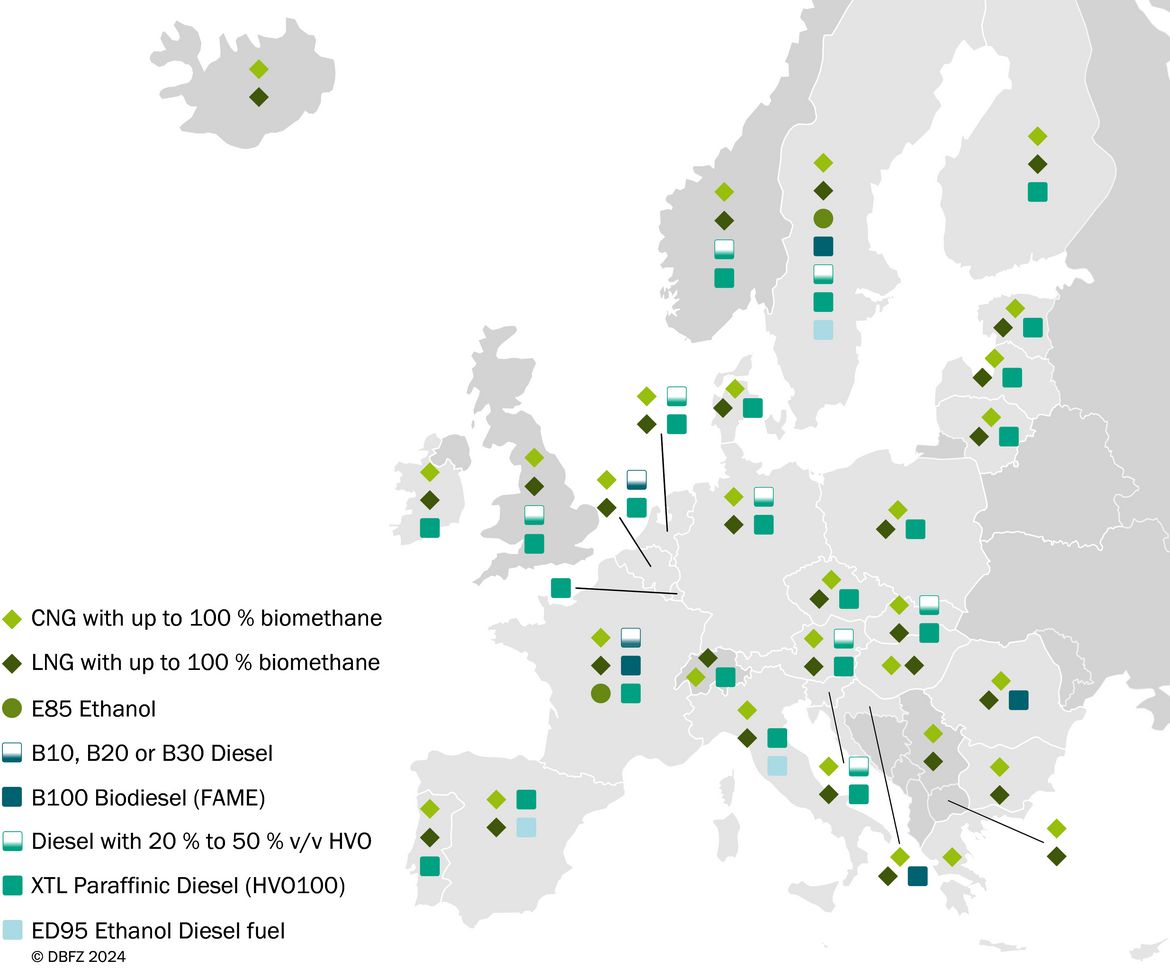
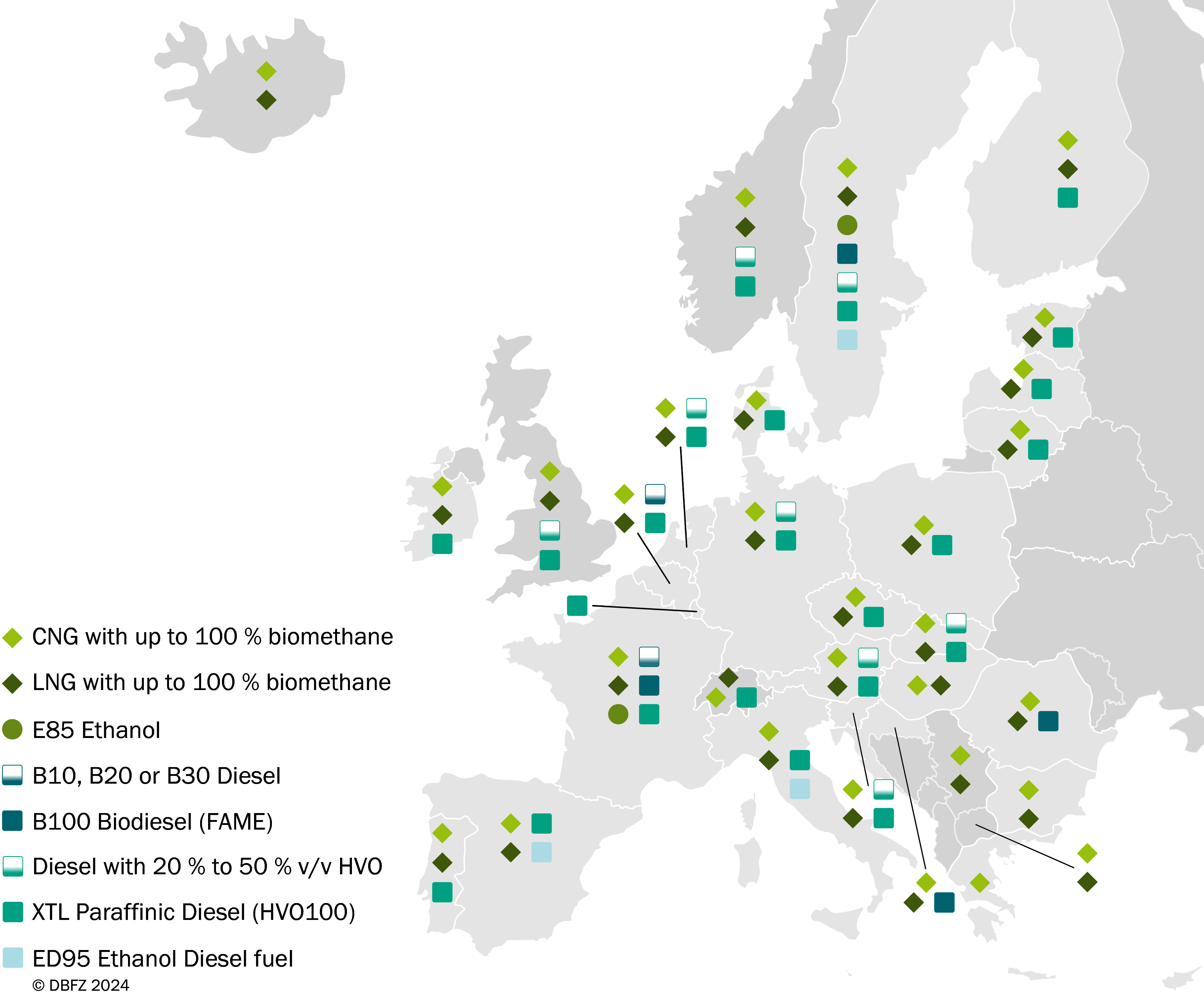
Availability of alternative fuels at petrol stations, reference year 2023

Fig. 2-9 on page 29

Download [JPG, 749 KB]

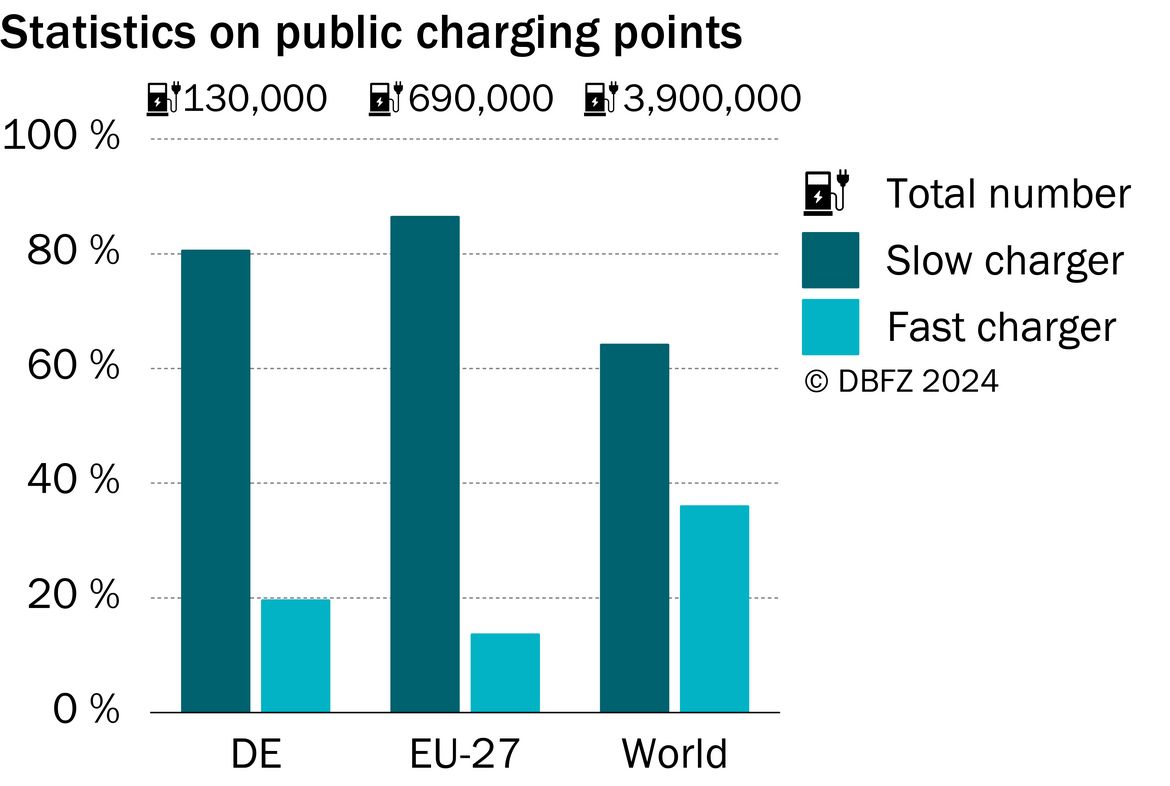
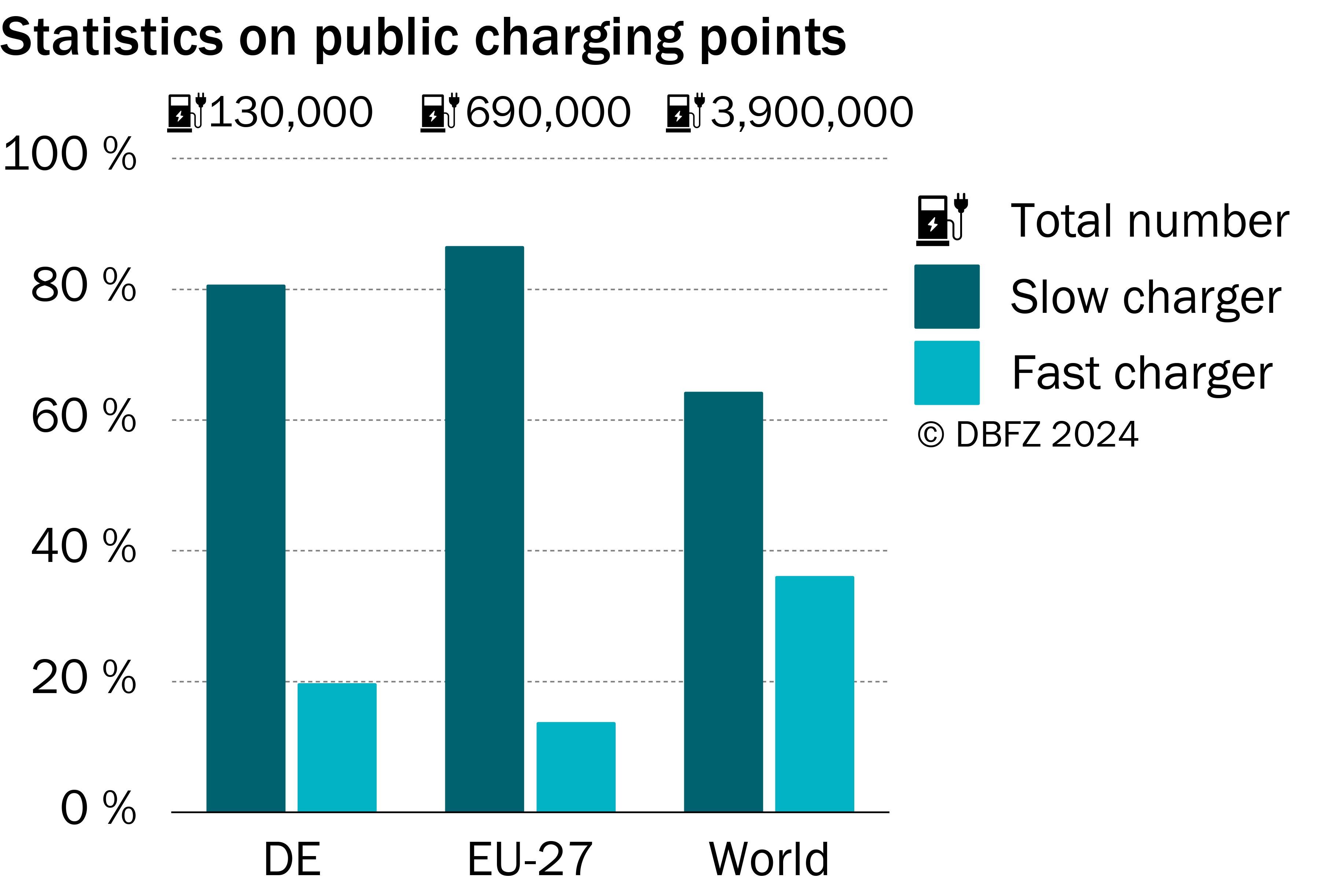
Statistics on normal and fast charging points within the public sector

Fig. 2-10 on page 29

Download [JPG, 1,1 MB]

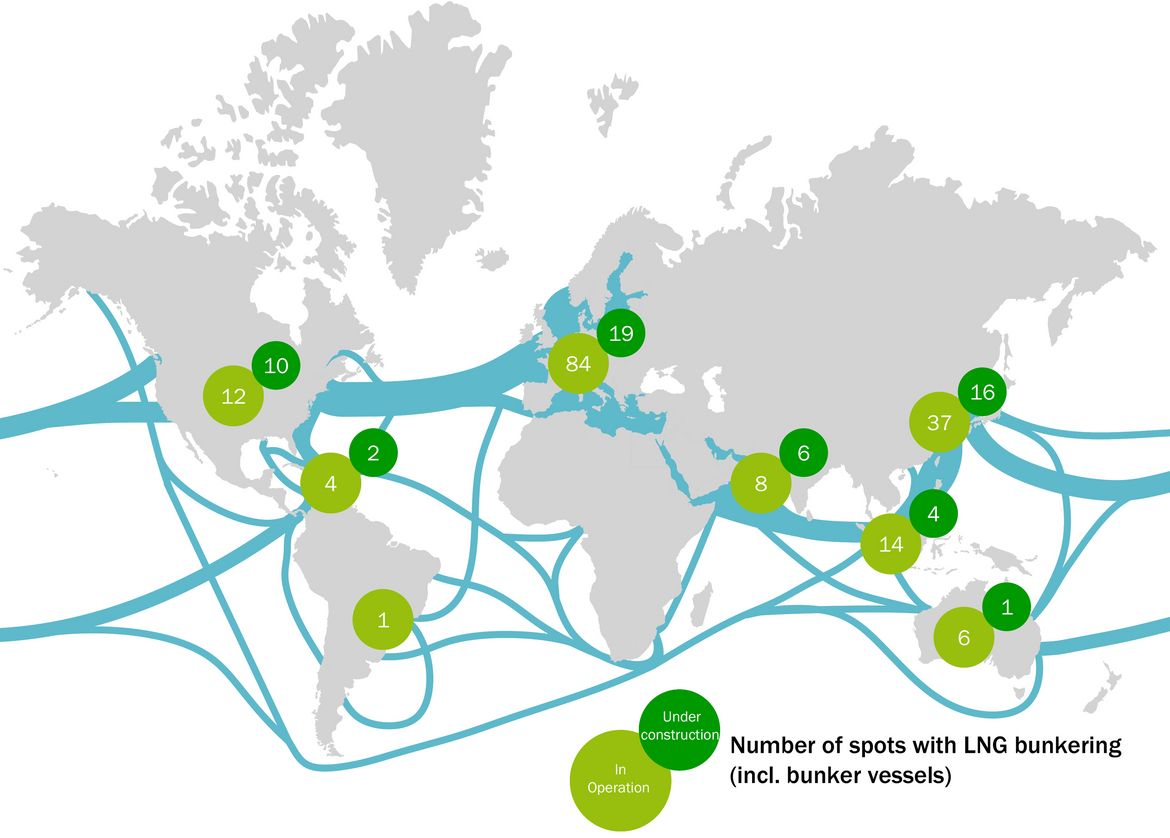
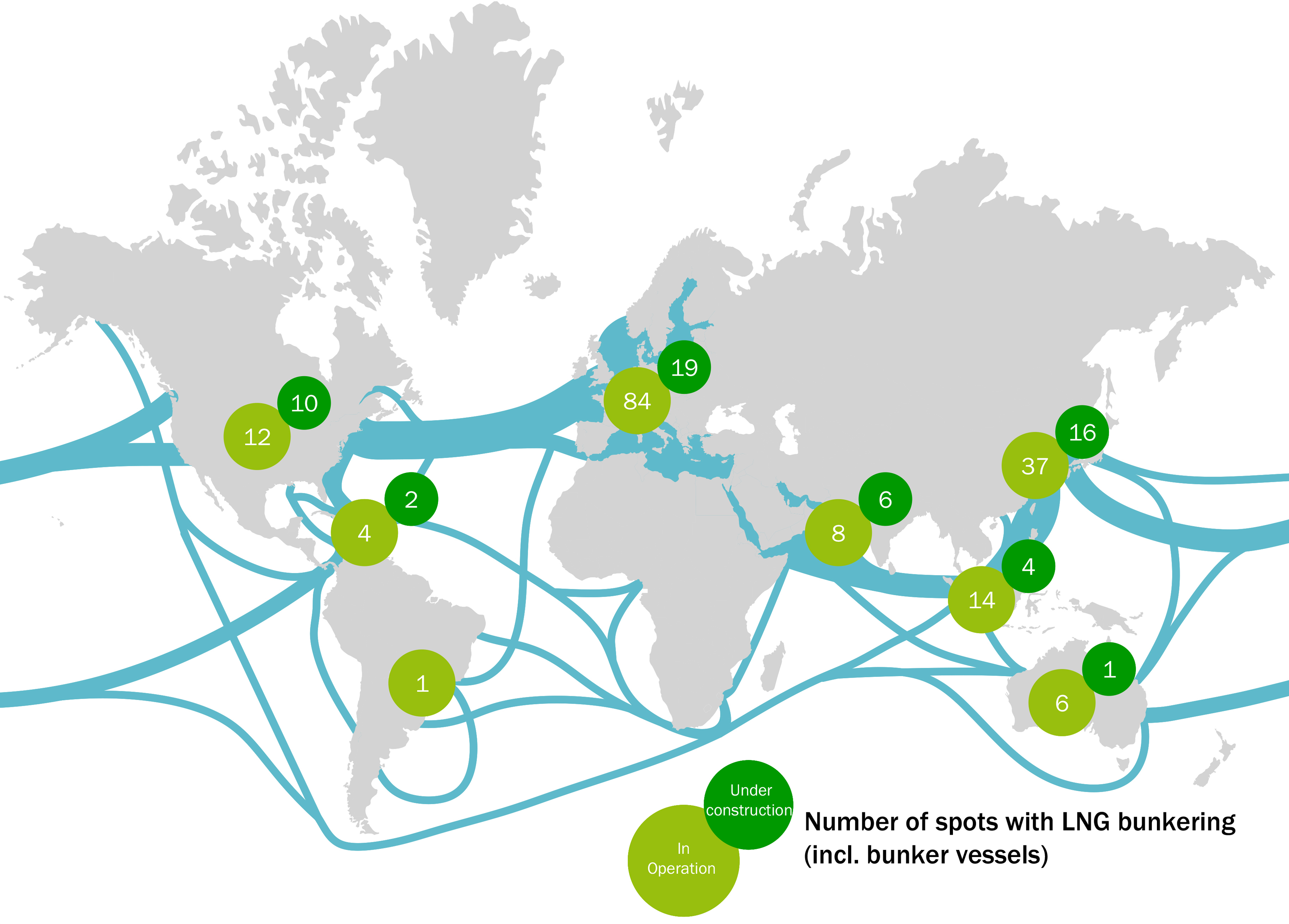
Bunker infrastructure for LNG in the shipping industry

Fig. 2-11 on page 30

Download [JPG, 1,65 MB]

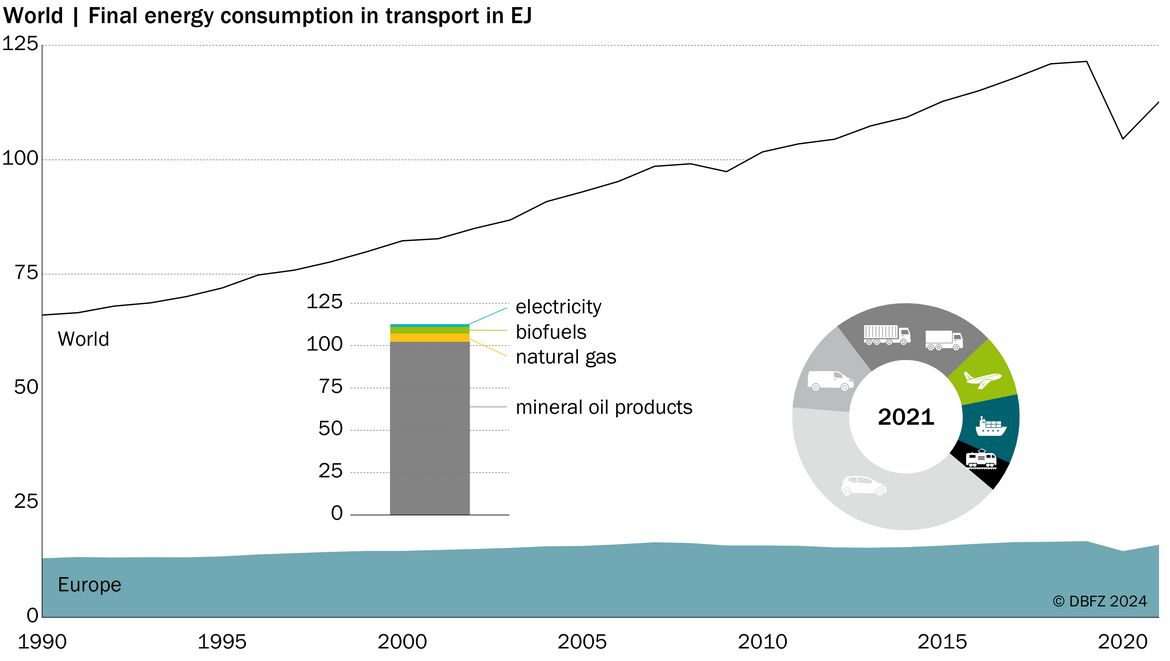
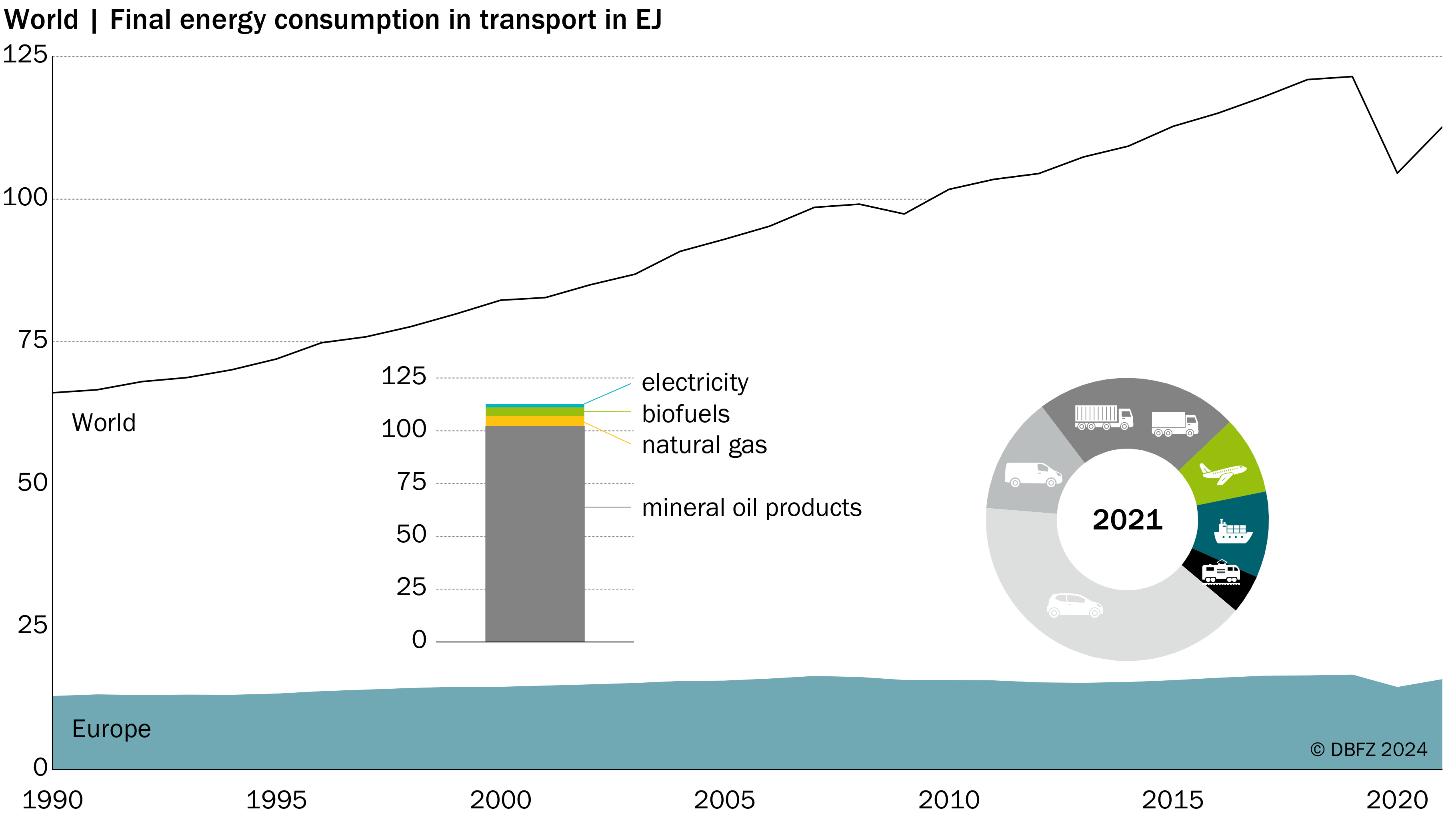
Final energy consumption transport worldwide

Fig. 2-12 on page 30

Download [JPG, 919 KB]

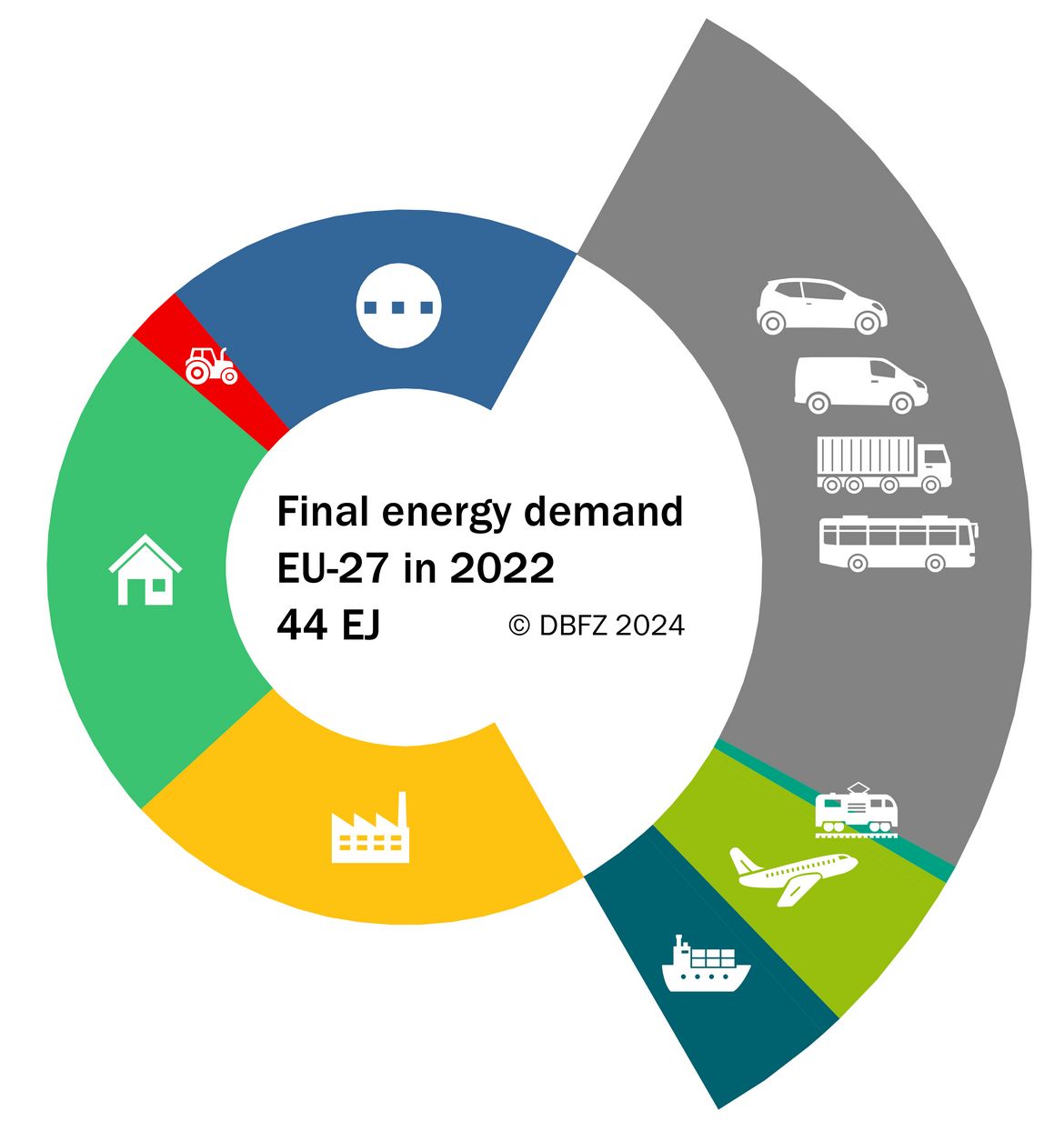
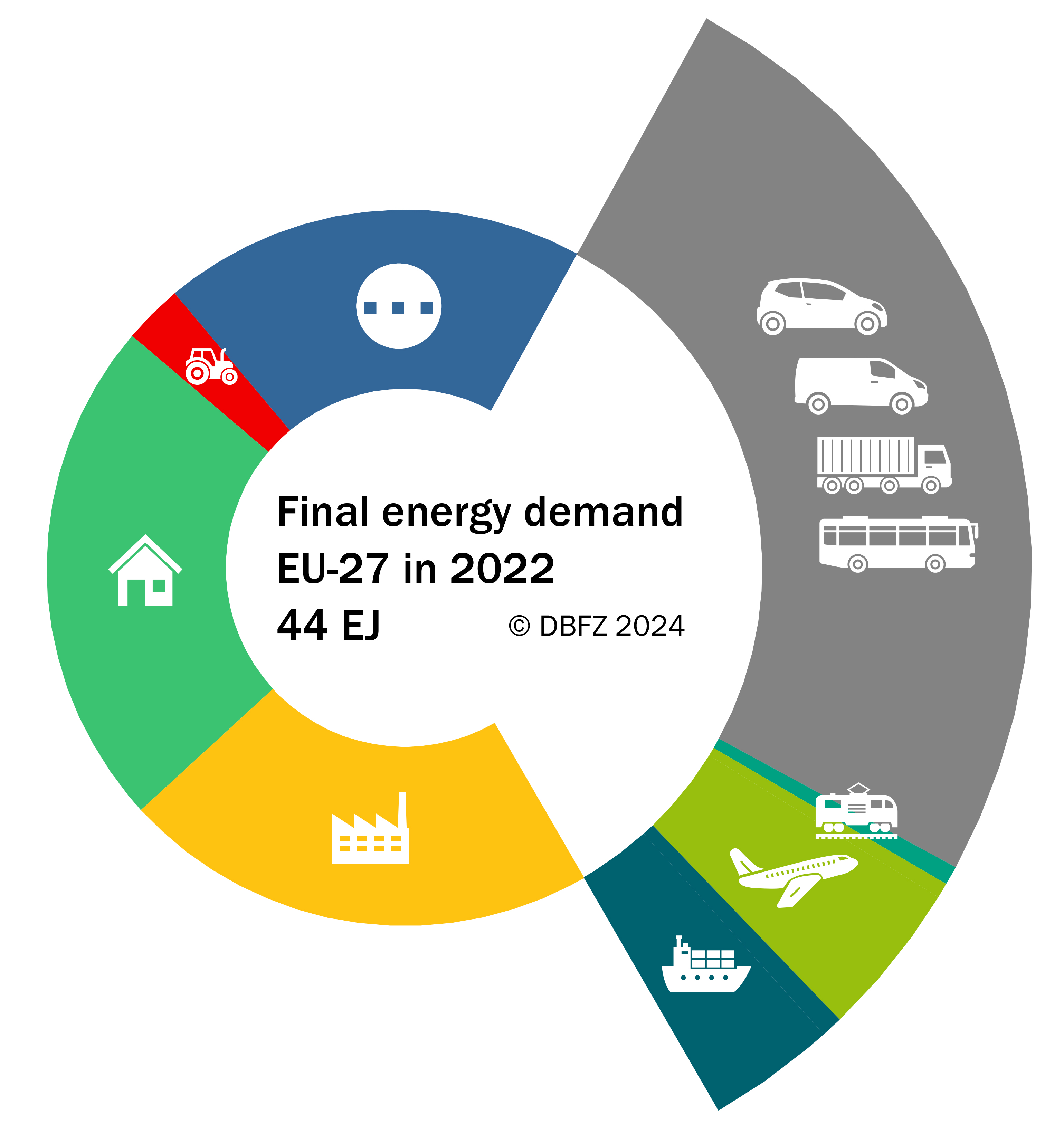
Final energy consumption in the transport sector EU-27

Fig. 2-13 on page 31

Download [JPG, 1,2 MB]

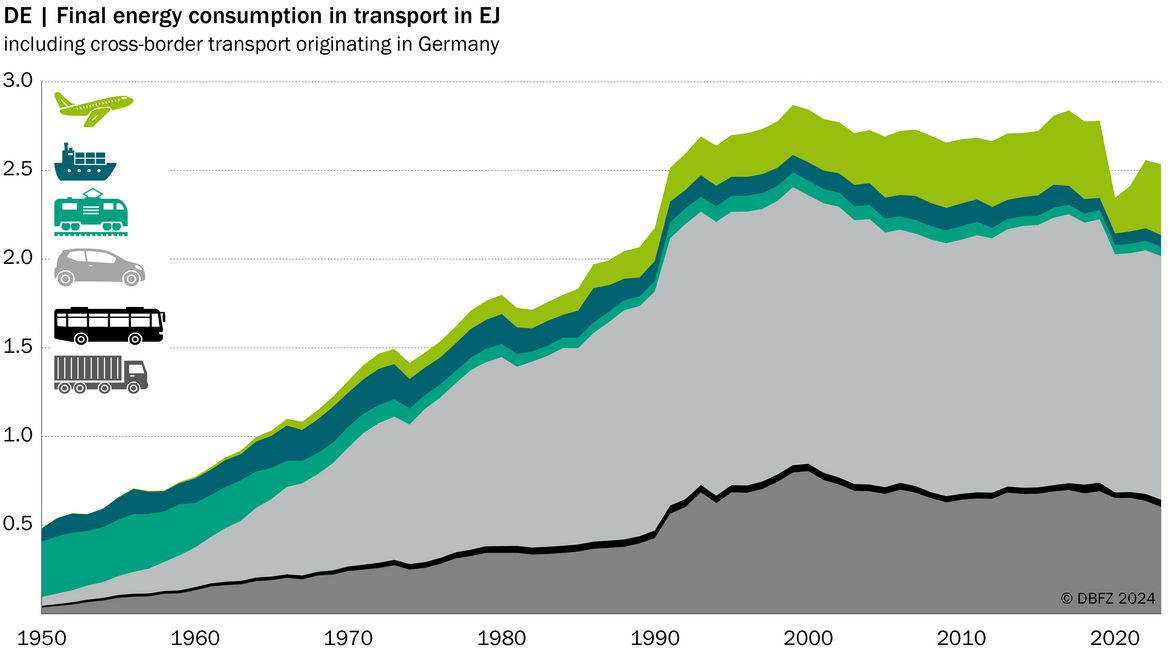
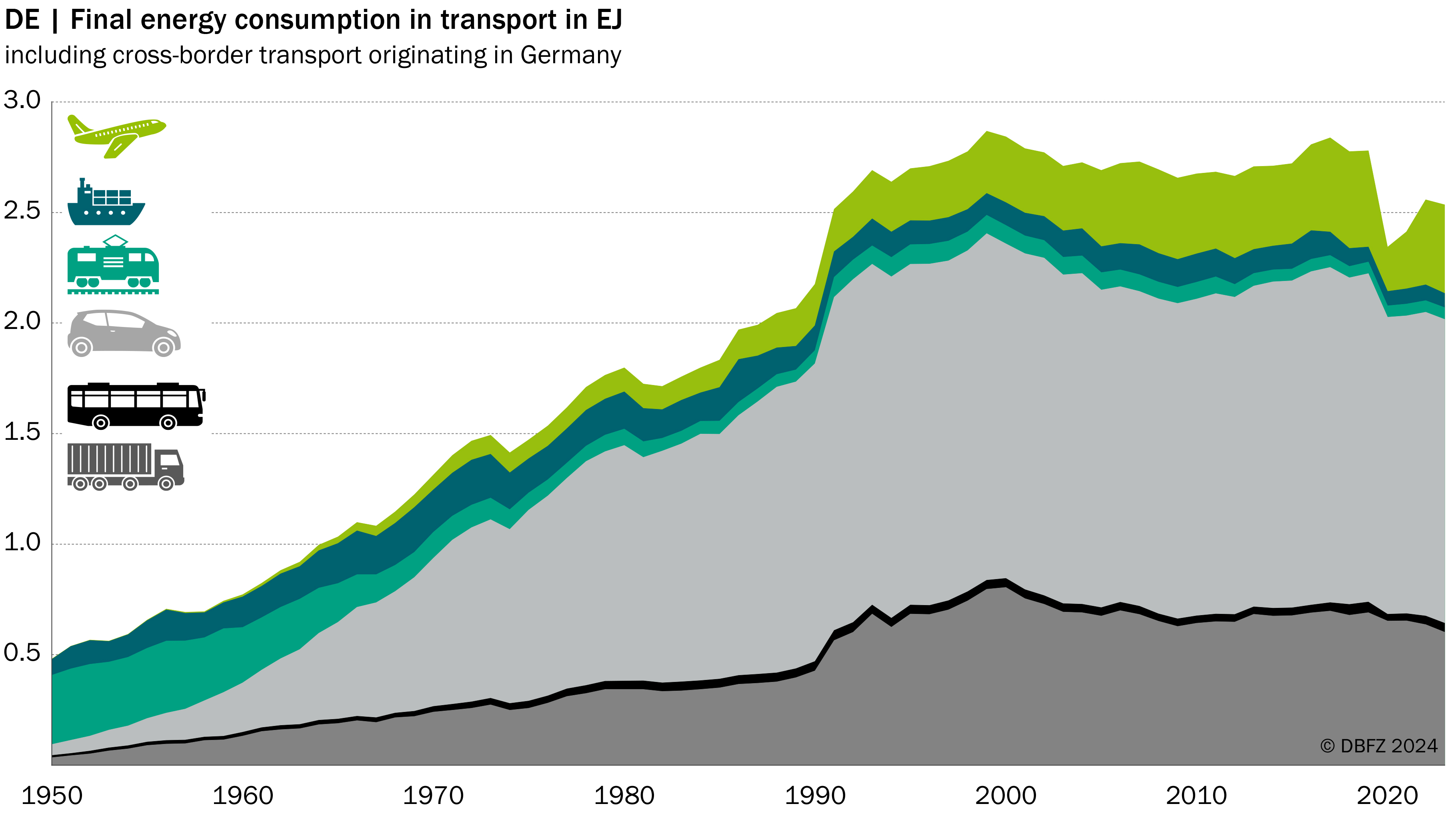
Final energy consumption transport sector Germany

Fig. 2-14 on page 31

Download [JPG, 1 MB]

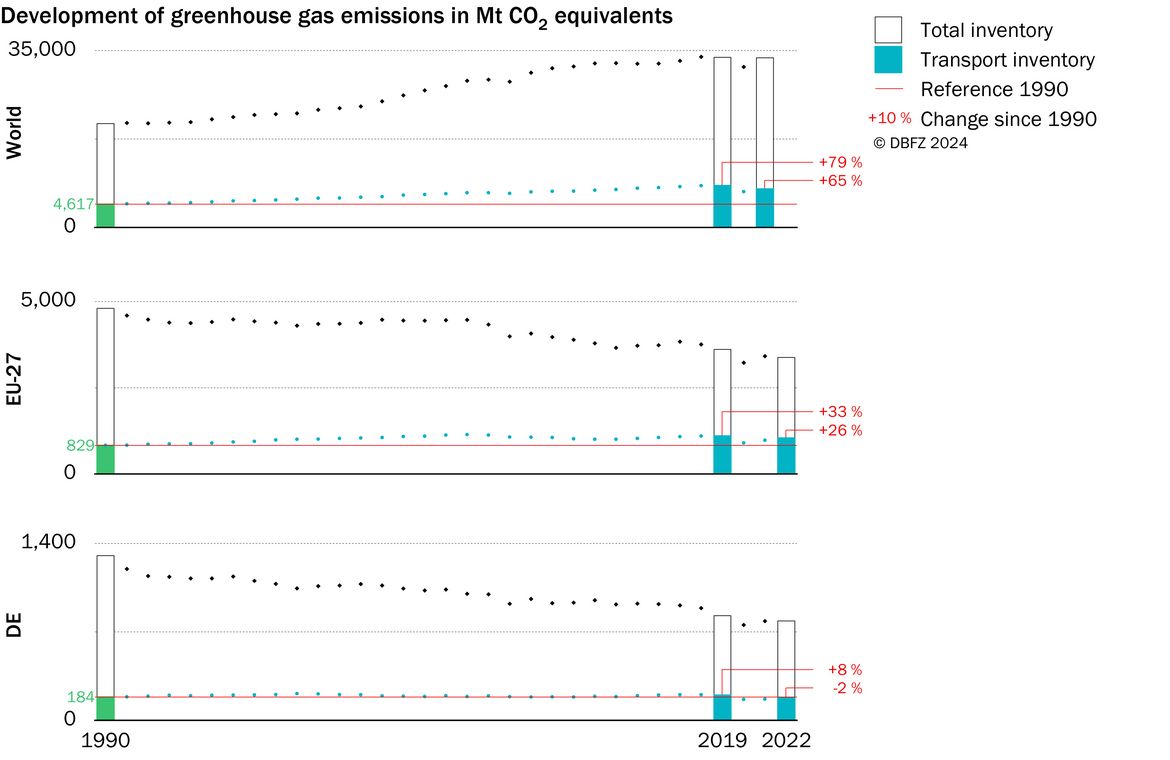
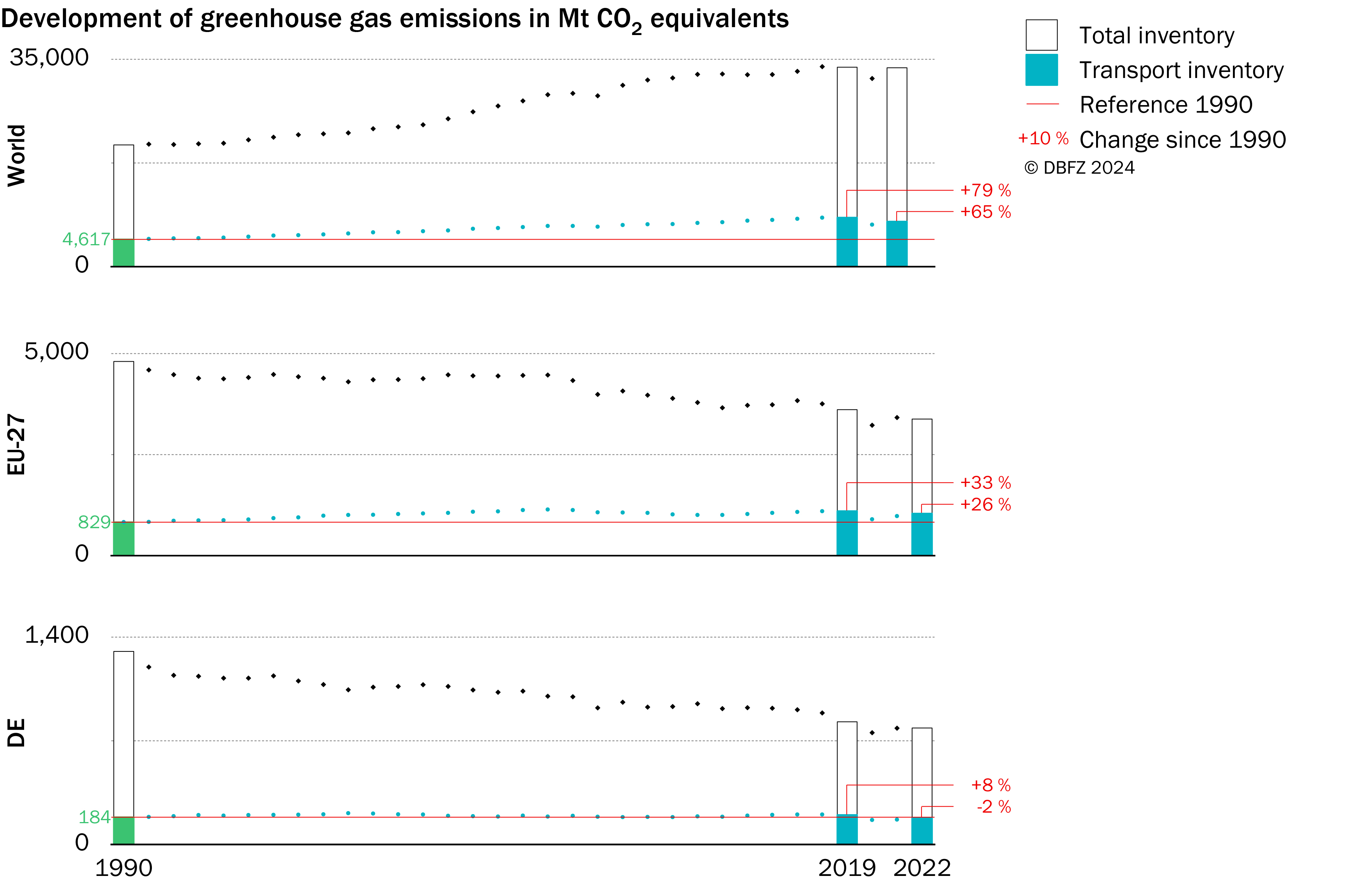
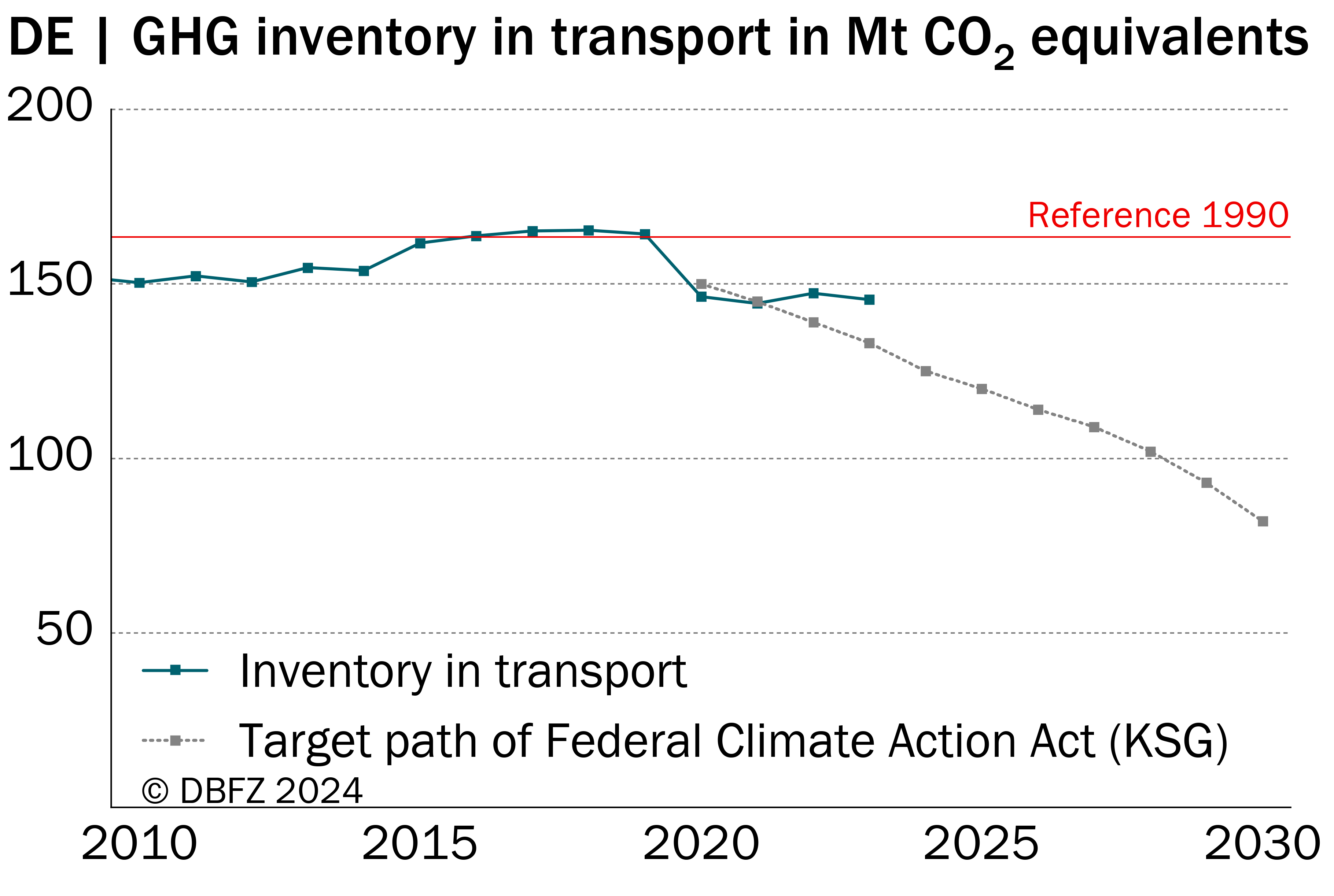
Development of GHG emissions from transport and the total inventory

Fig. 2-15 on page 32

Download [JPG, 1,1 MB]

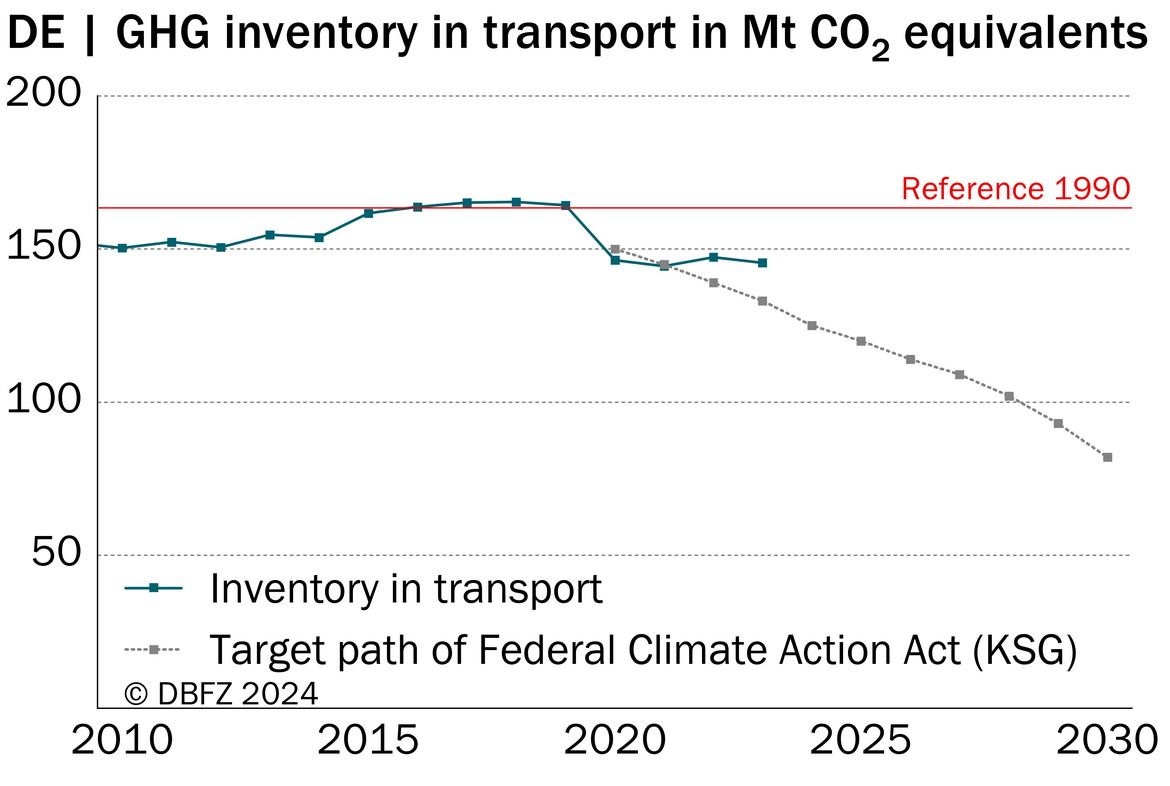
Development and target achievement of GHG emissions in Germany

Fig. 2-16 on page 32

Download [JPG, 1,2 MB]

Chapter 3: Political and legal framework

When using the illustrations in Chapter 3, please cite them as follows:

Dögnitz, N.; Görsch, K.; Naumann, K. (2026): Political and legal framework. In: Schröder, J.; Görsch, K. (eds.): Renewable Energies in Transport. Monitoring Report. pp. 33-53. Leipzig: DBFZ. ISBN: 978-3-949807-36-7. DOI: 10.48480/45hp-x131
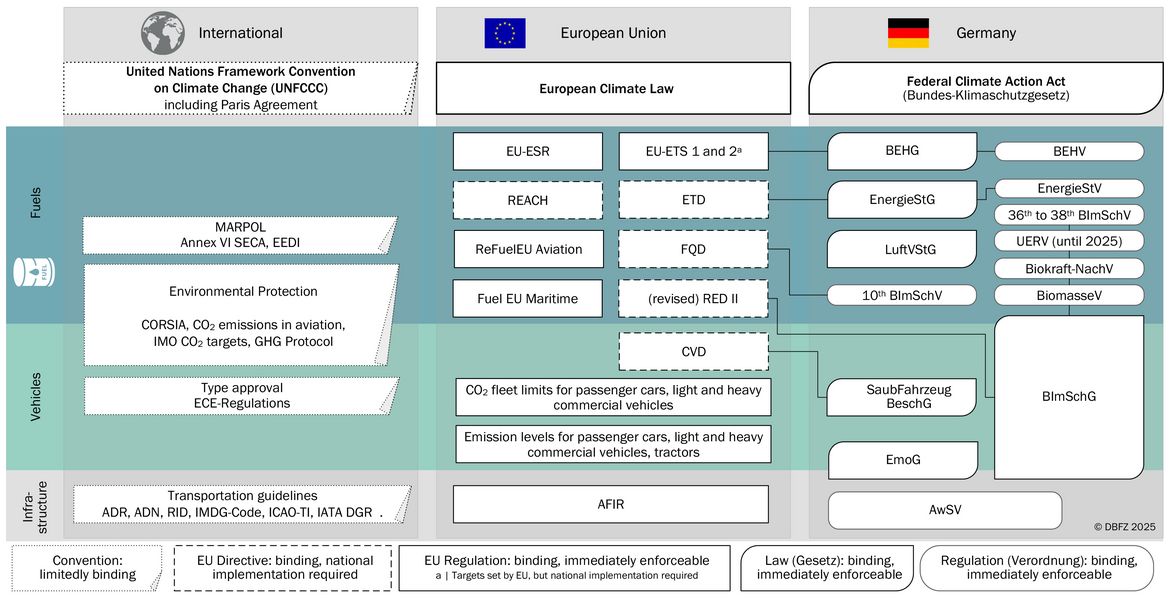
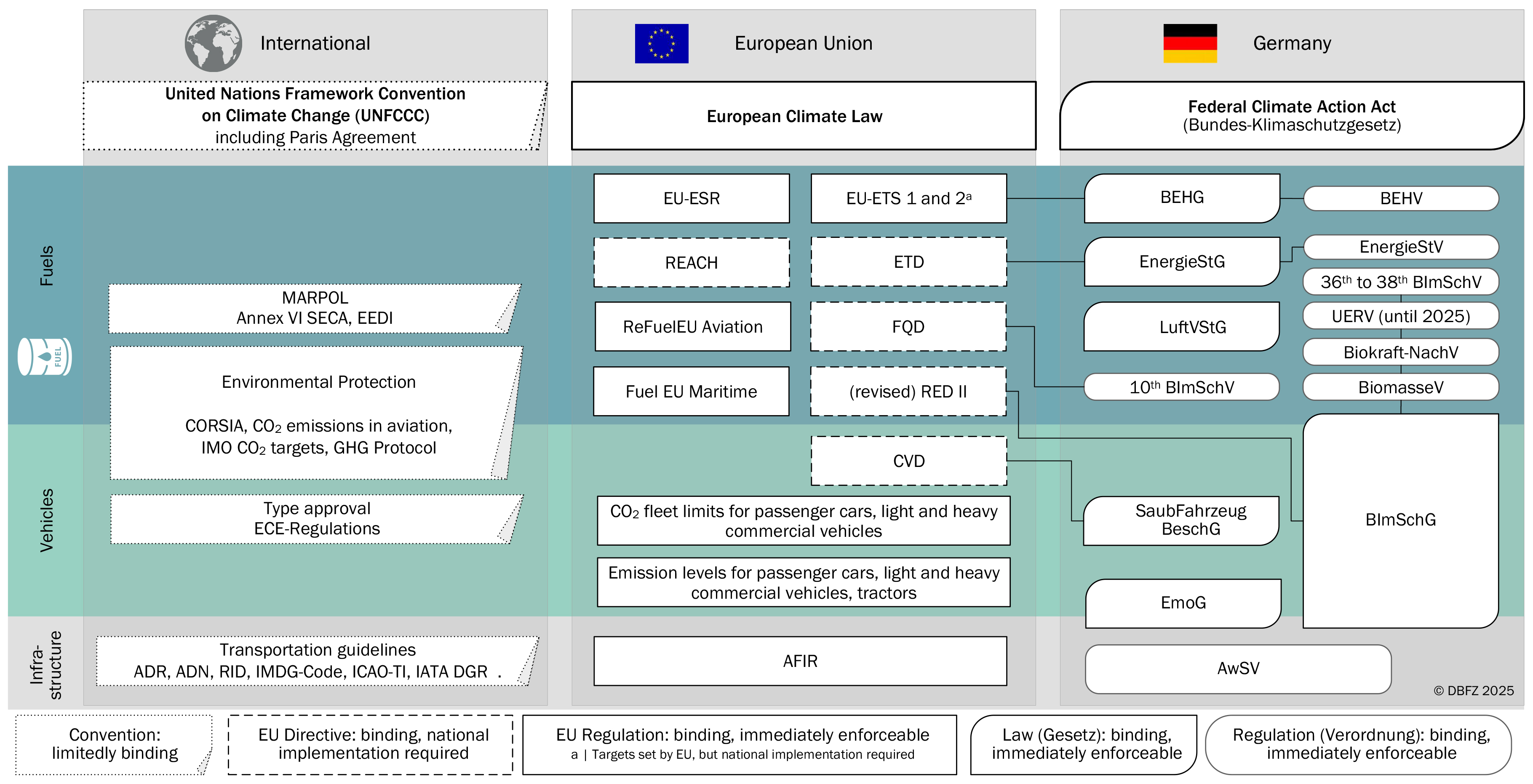
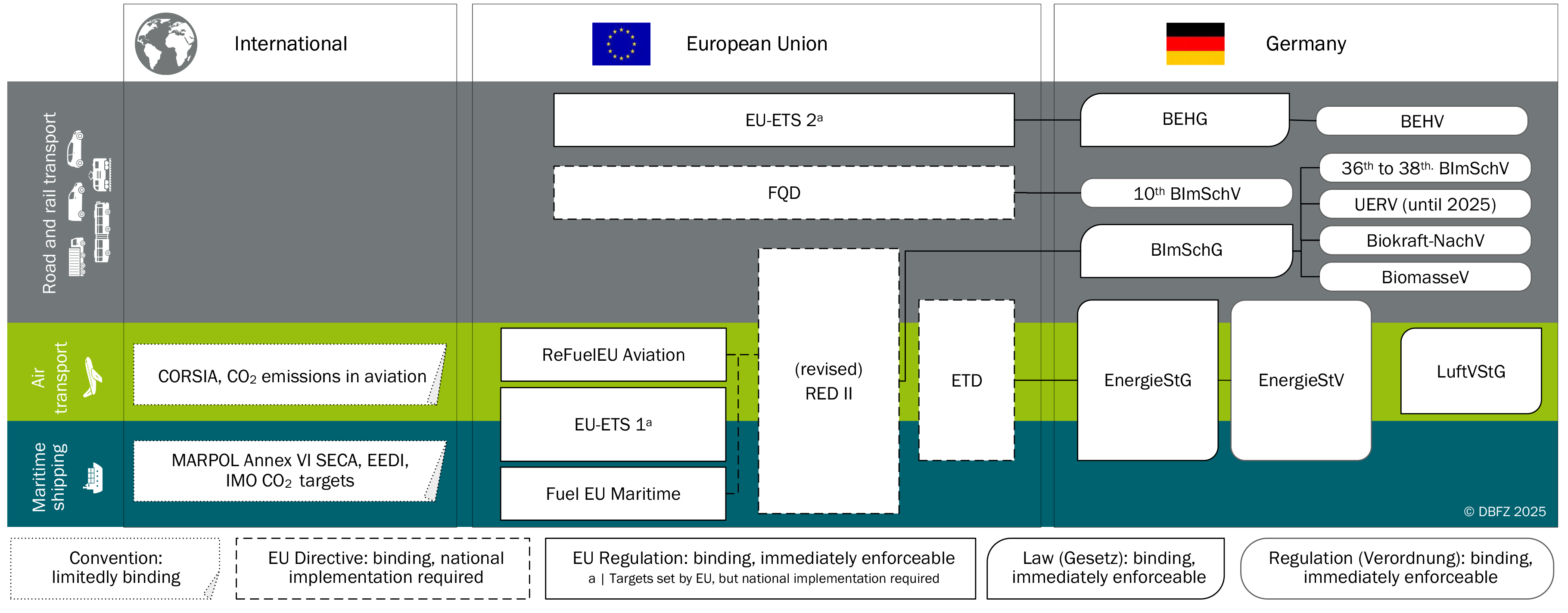
Overview of key legal framework conditions in the transport sector

Fig. 3-1 on page 34

Download [JPG, 1,6 MB]

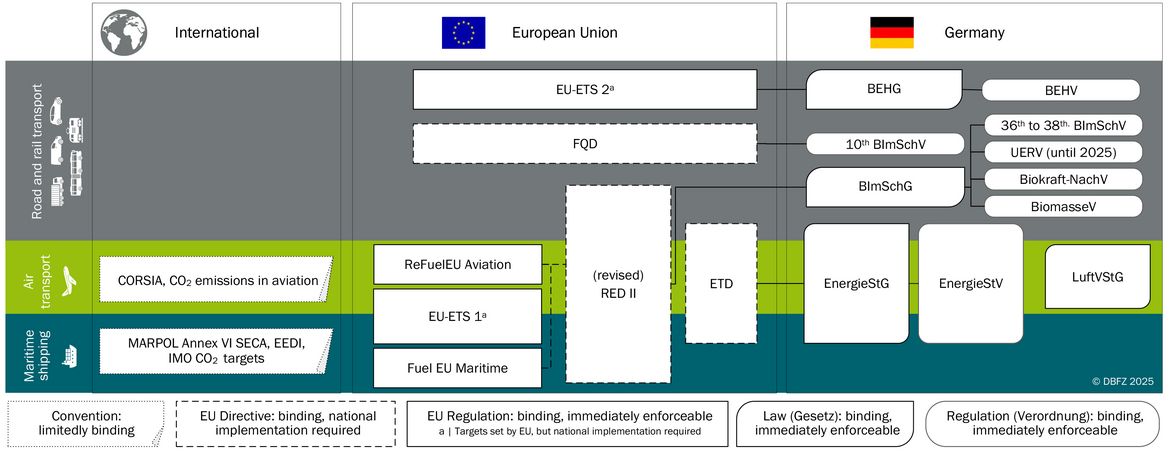
Overview of existing legal framework conditions for fuel production and trade

Fig. 3-2 on page 36

Download [JPG, 1 MB]

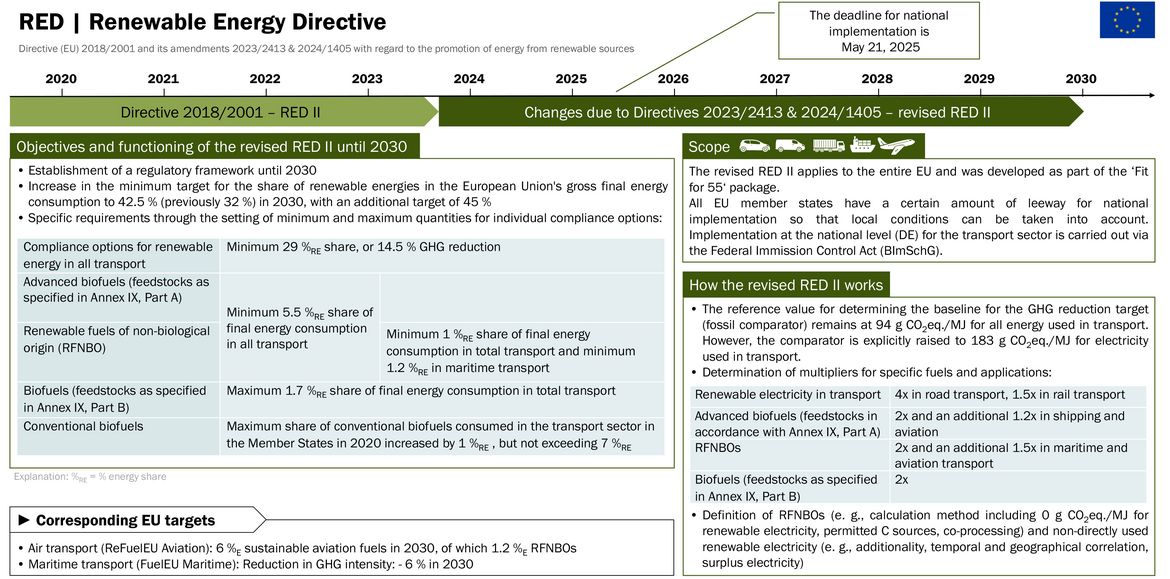
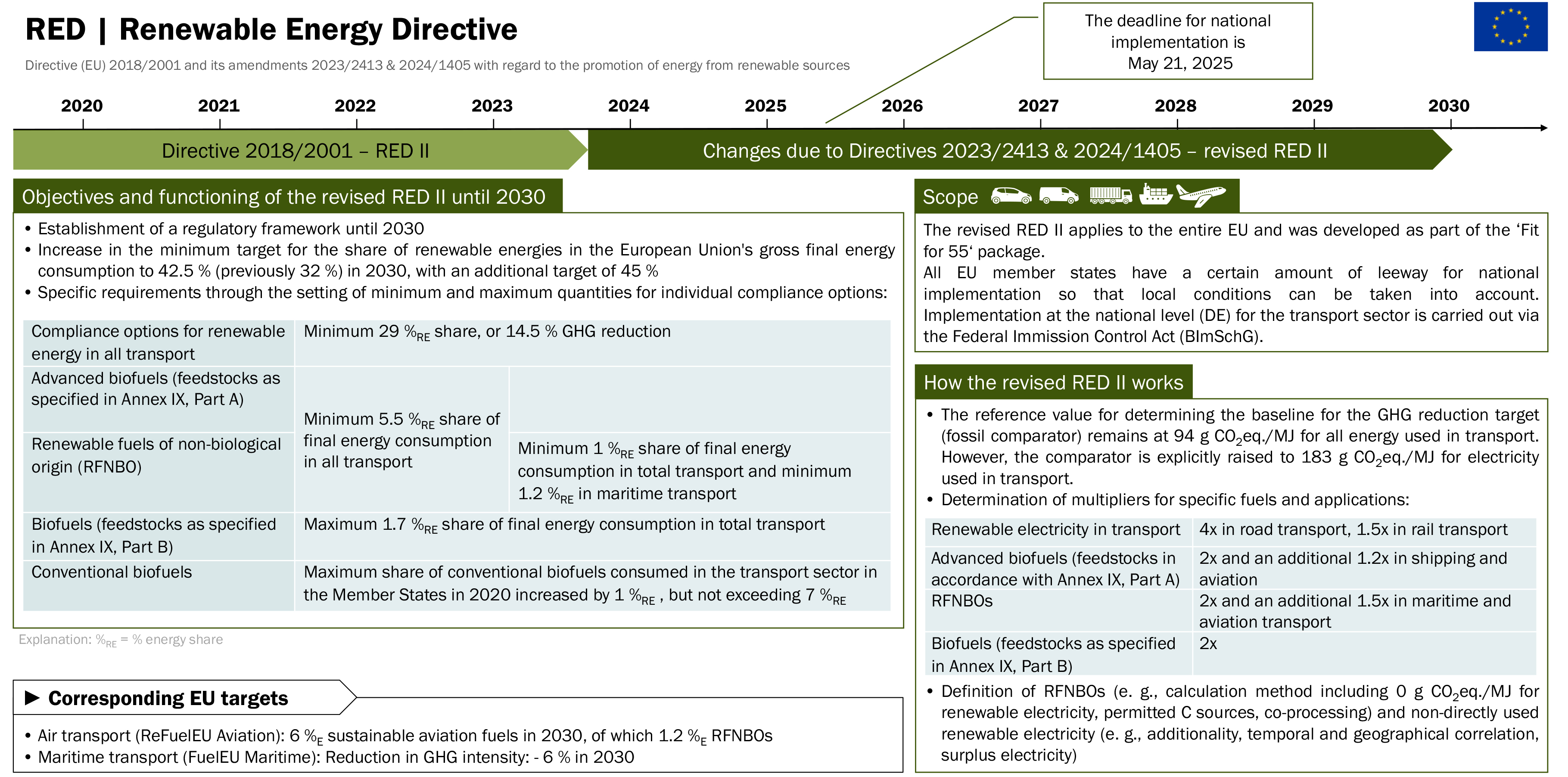
Overview of the revised Renewable Energy Directive, drawn up in the Innofuels project, updated version on the (InnoFuels-Website)

Fig. 3-3 on page 37

Download [JPG, 2,3 MB]

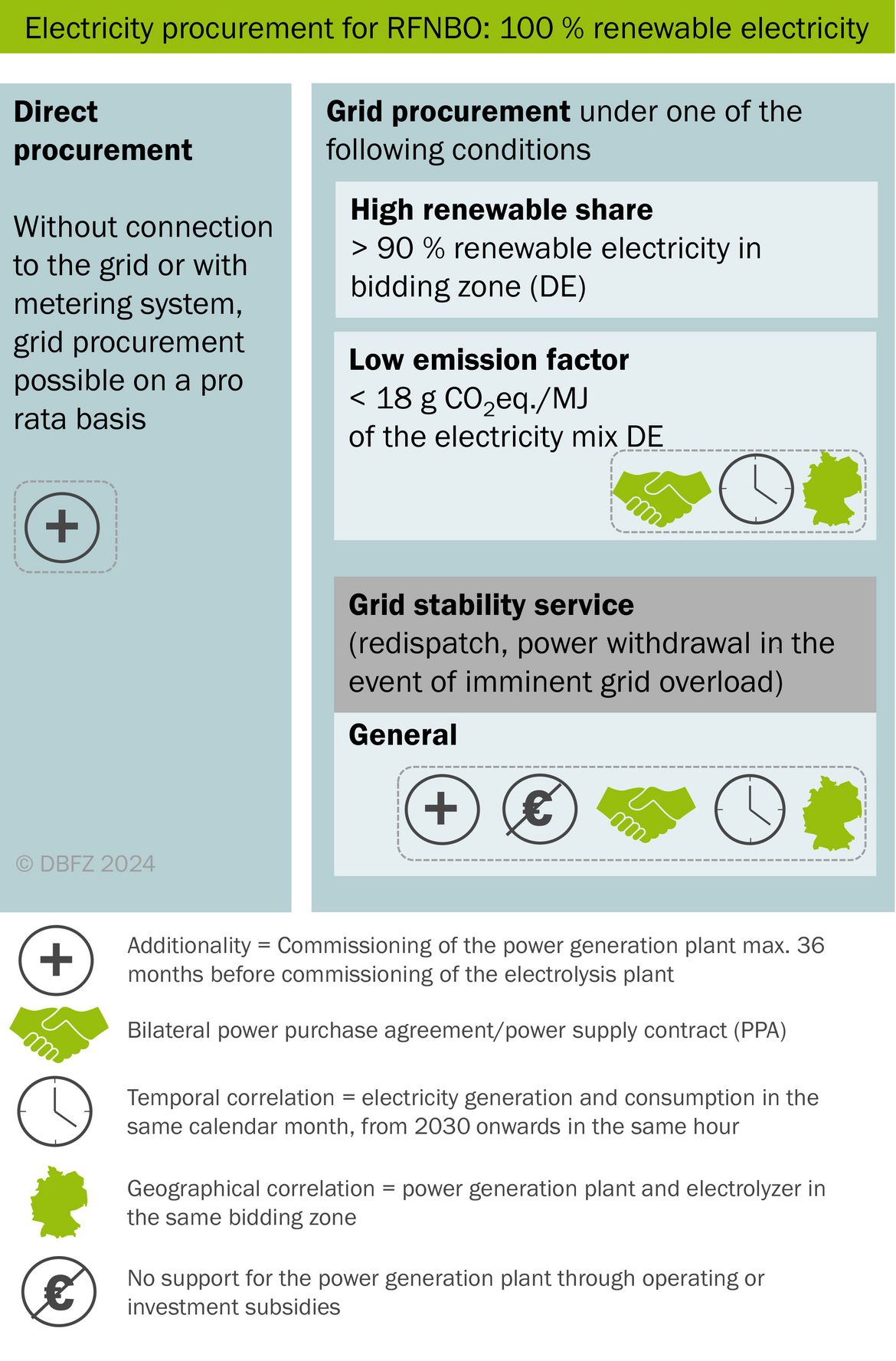
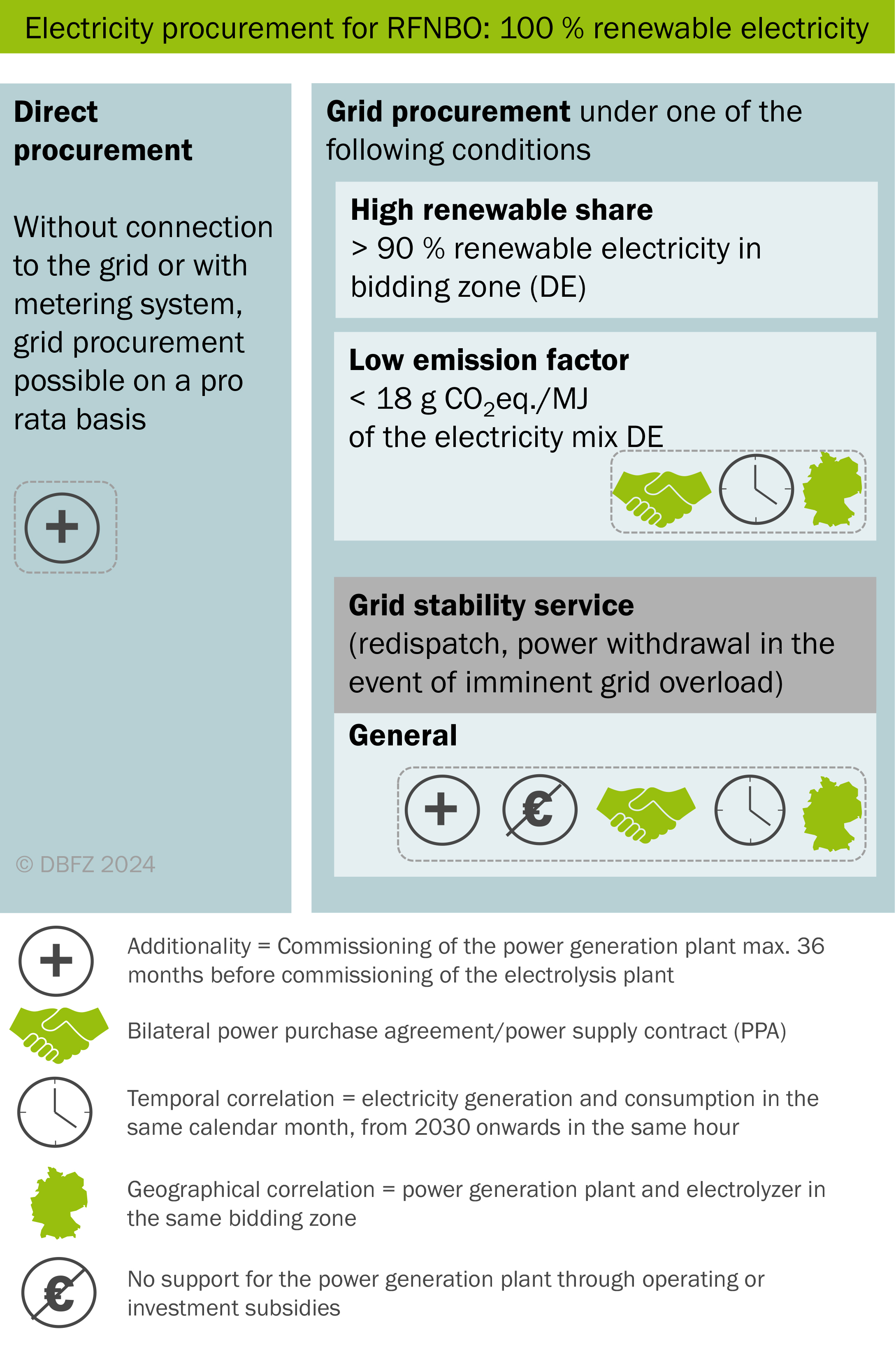
Framework conditions for the procurement of electricity from renewable fuels of non-biogenic origin pursuant to DA (EU) 2023/1184 (related to Germany)

Fig. 3-4 on page 38

Download [JPG, 1,7 MB]

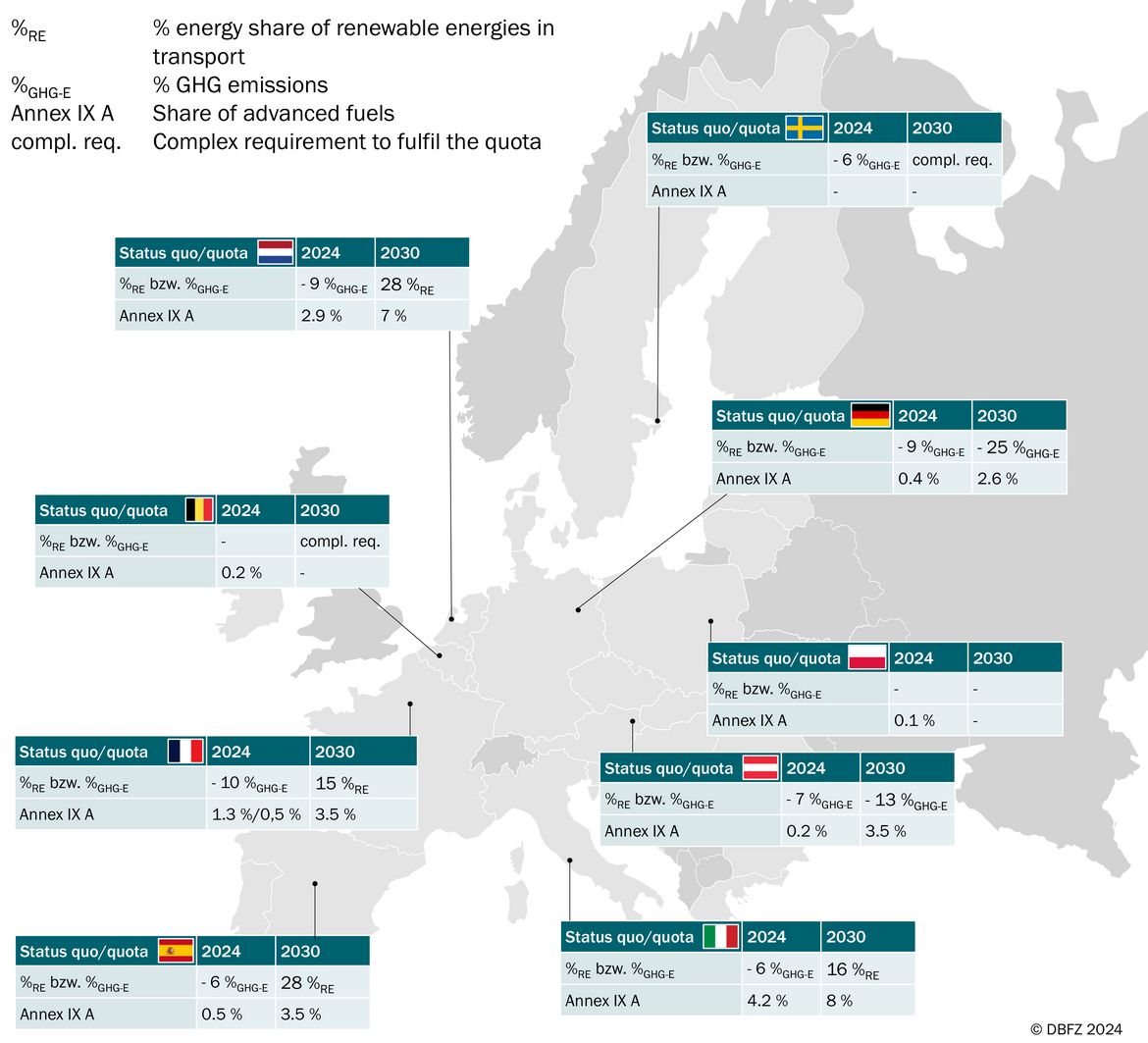
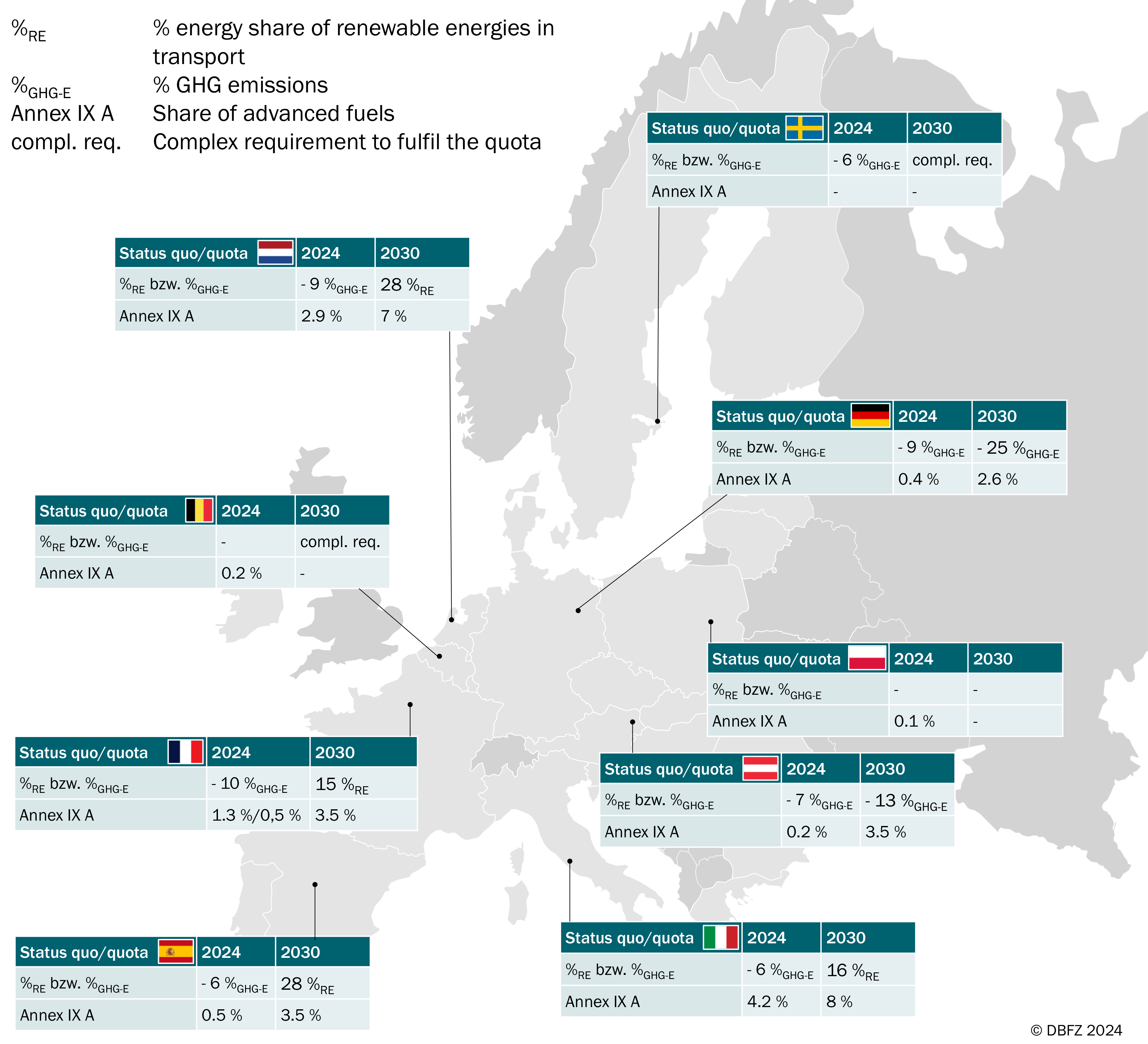
Selected national quotas and targets in Europe for the years 2024 and 2030

Fig. 3-5 on page 38

Download [JPG, 2,2 MB]

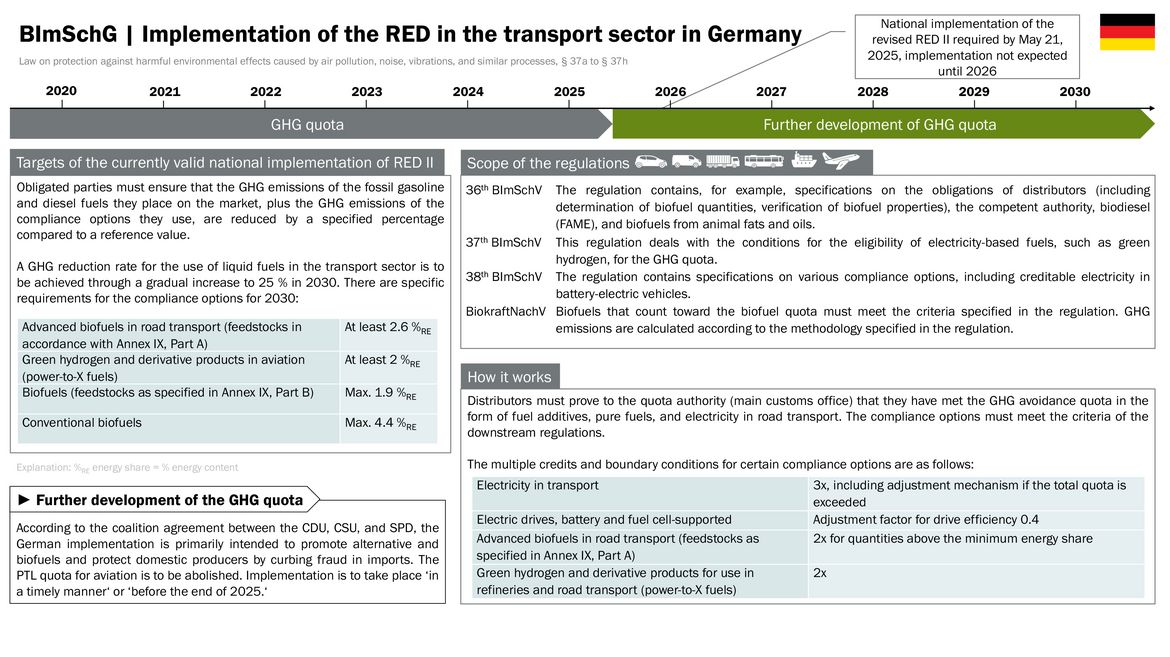
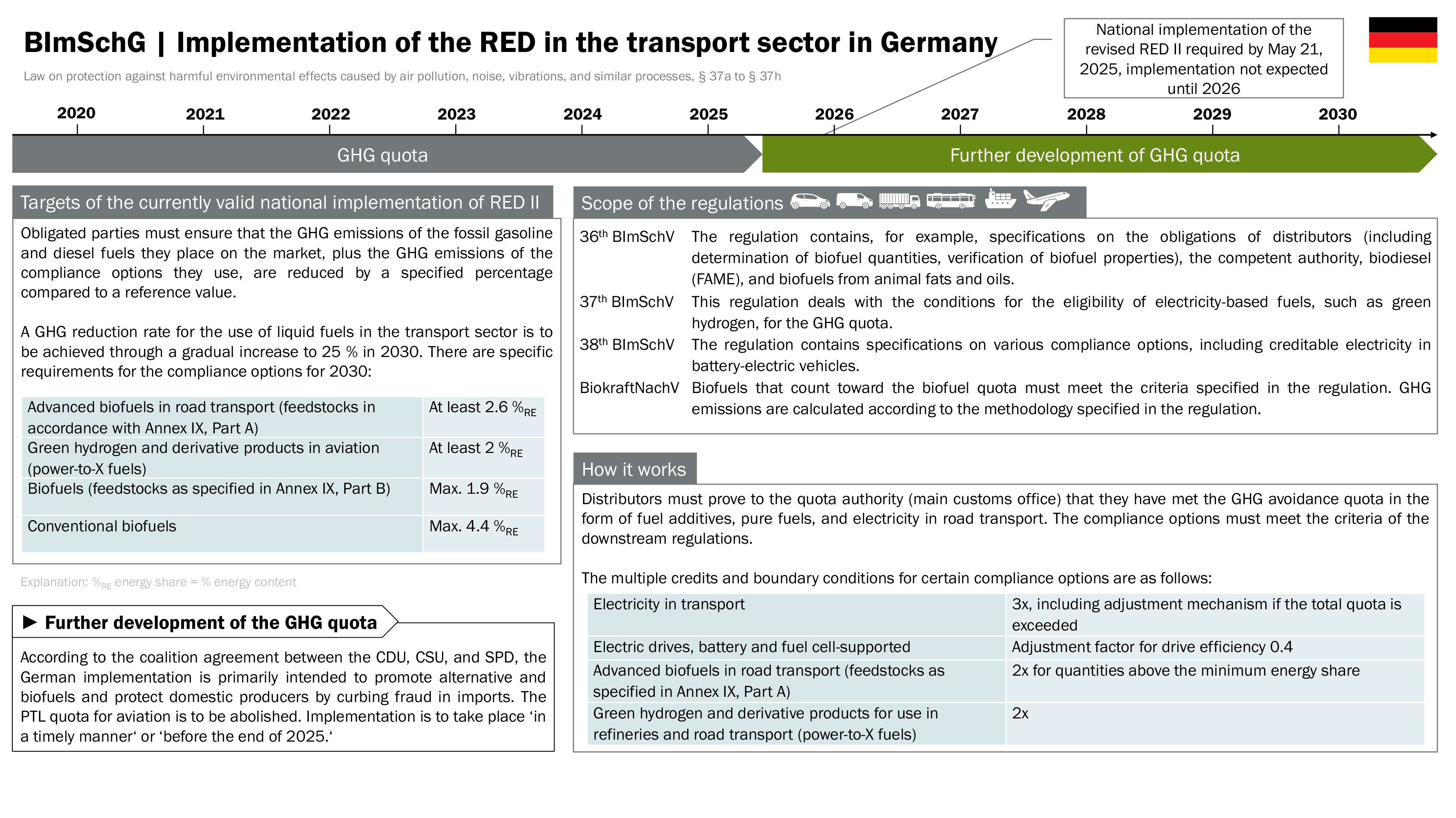
Overview of the German Federal Immission Control Act as implementation of REDII ((EU) 2018/2001) in Germany, drawn up in the Innofuels project, updated version on the (InnoFuels-Website)

Fig. 3-6 on page 39

Download [JPG, 2,2 MB]

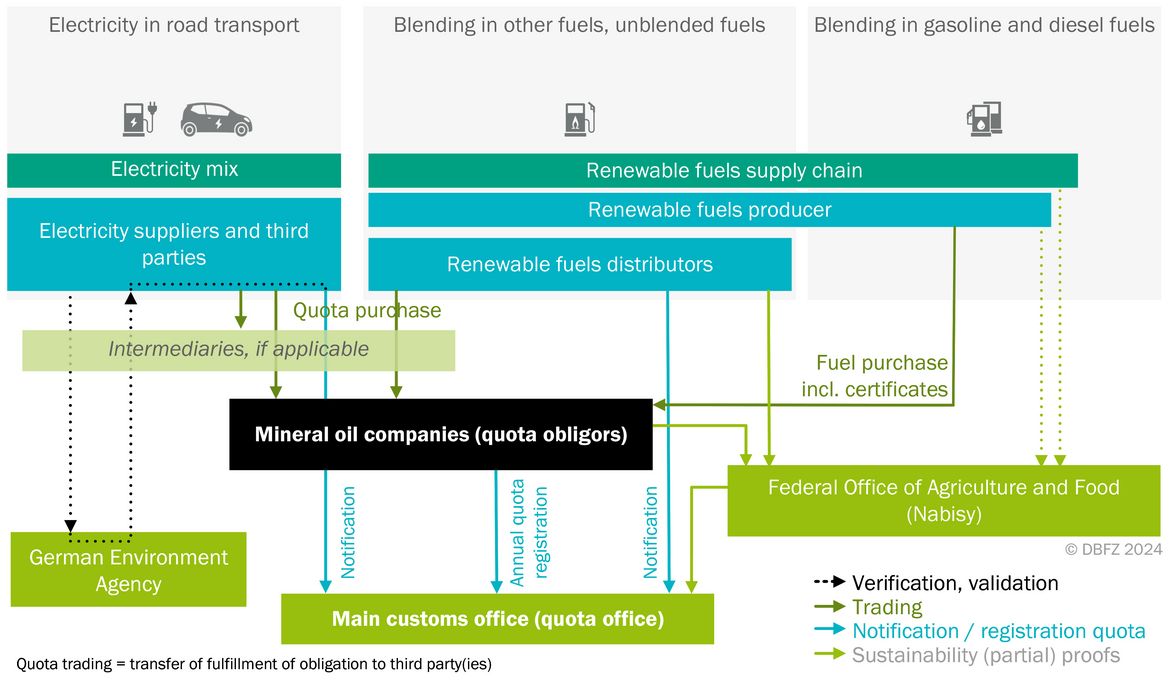
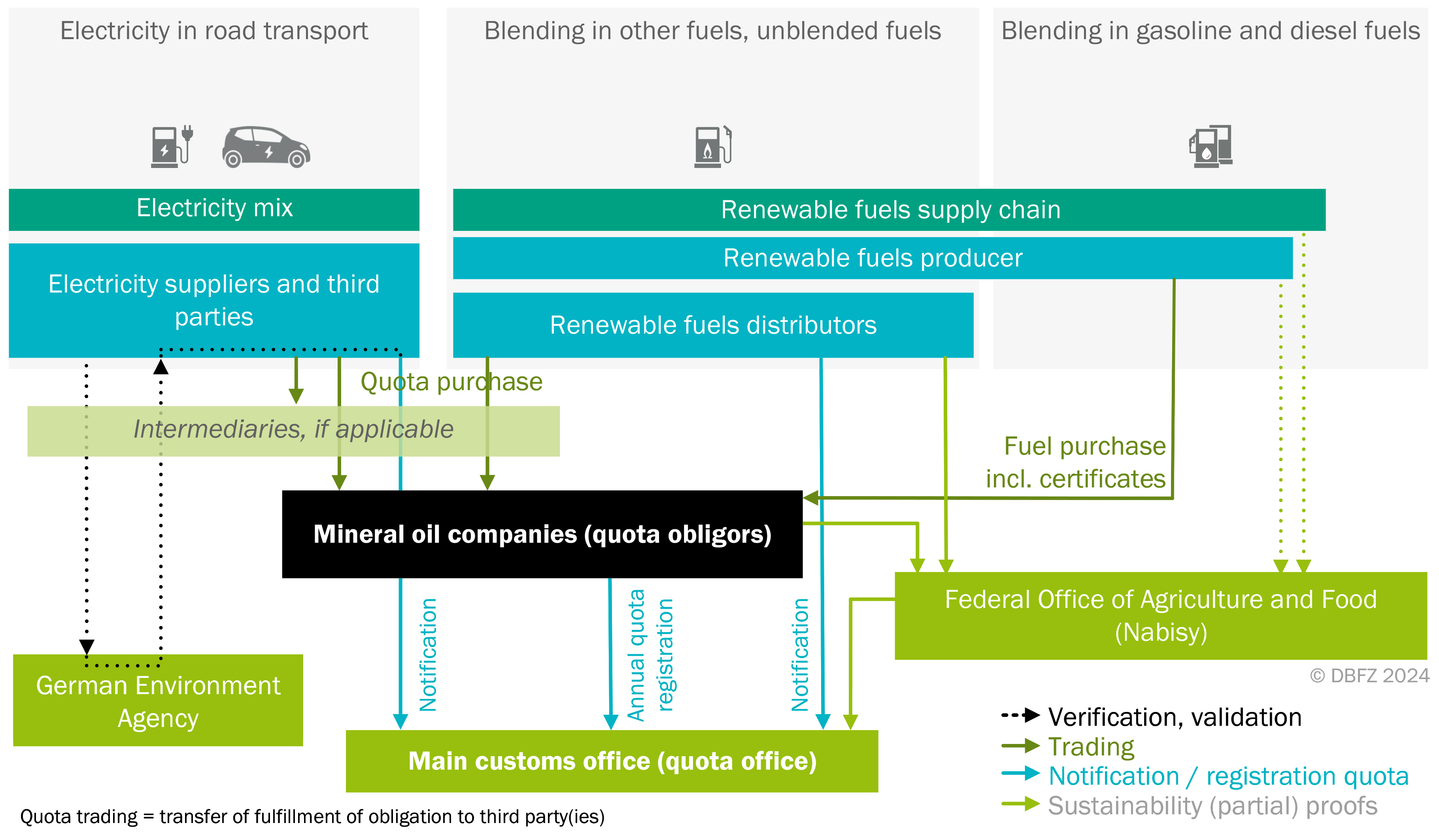
Quota proof and trading in Germany (transfer of obligation fulfilment to third parties)

Fig. 3-7 on page 40

Download [JPG, 1,64 MB]

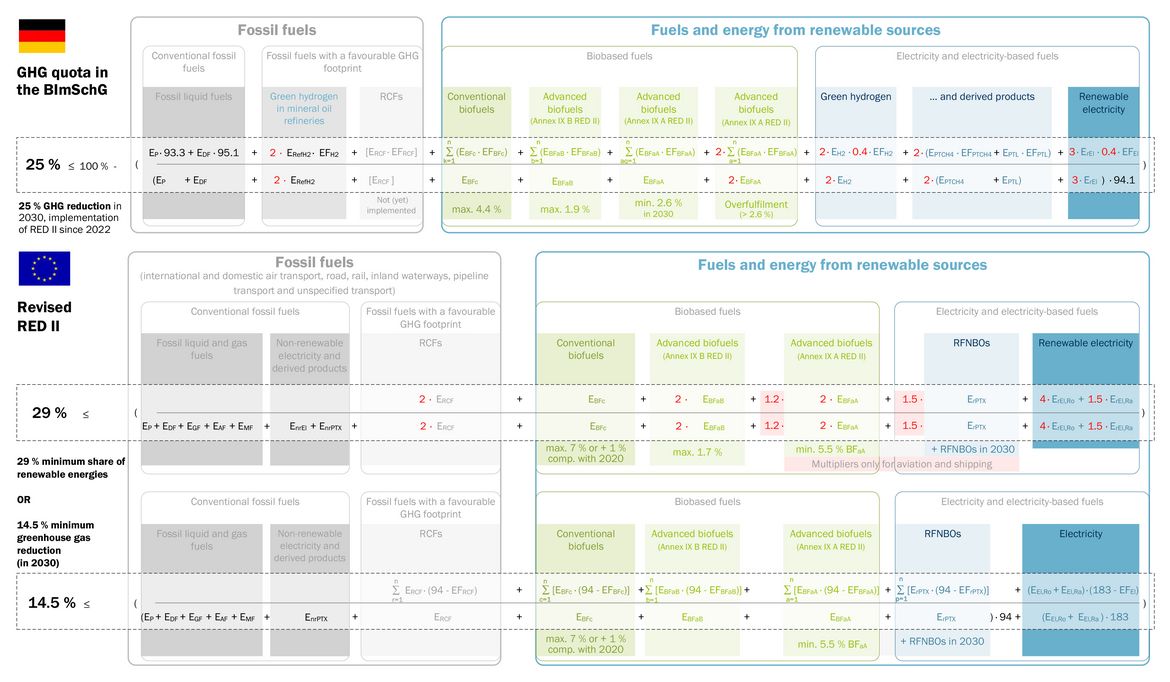
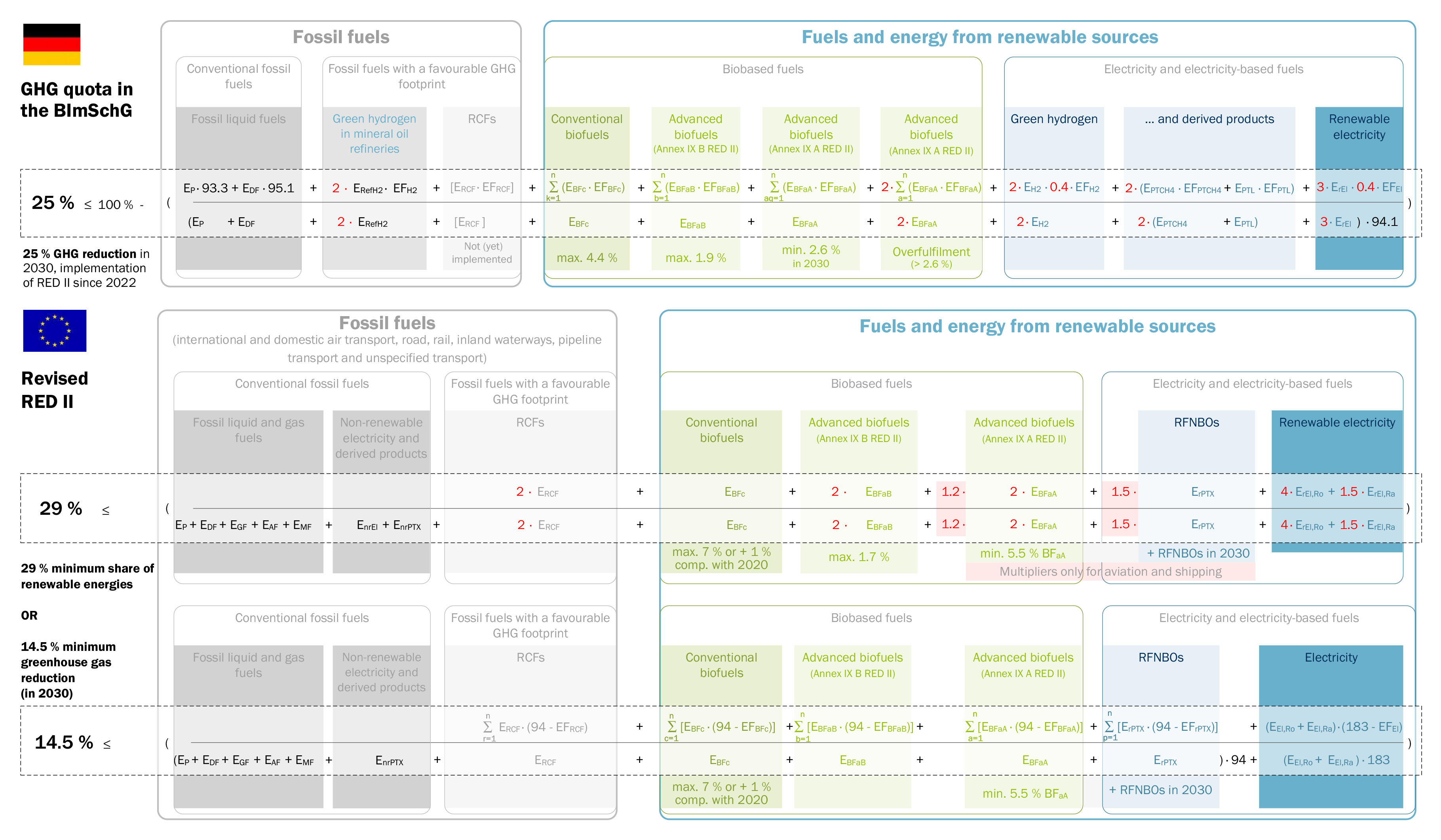
Explanatory formulas for calculating the GHG quota for Germany as of 2022 and according to revised REDII as of 2023

Fig. 3-8 on page 41

Download [JPG, 2 MB]

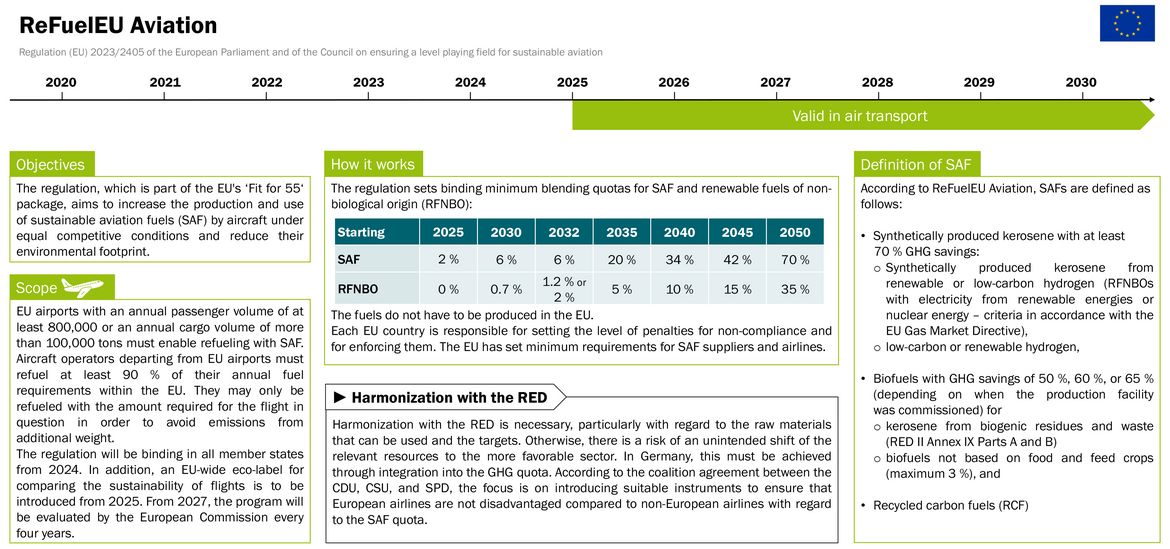
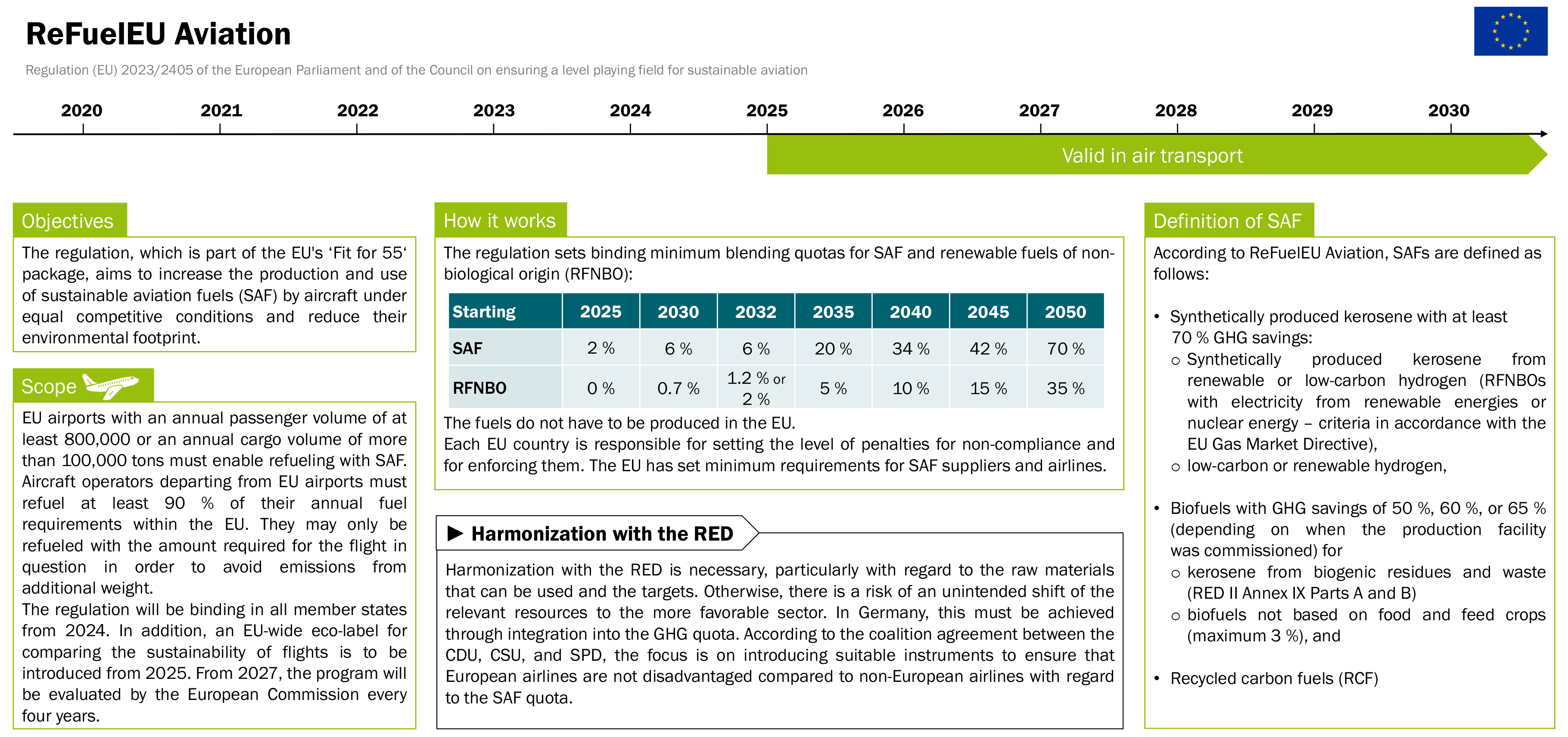
Overview of ReFuelEU Aviation, drawn up in the Innofuels project, updated version on the (InnoFuels-Website)

Fig. 3-9 on page 43

Download [JPG, 1,94 MB]

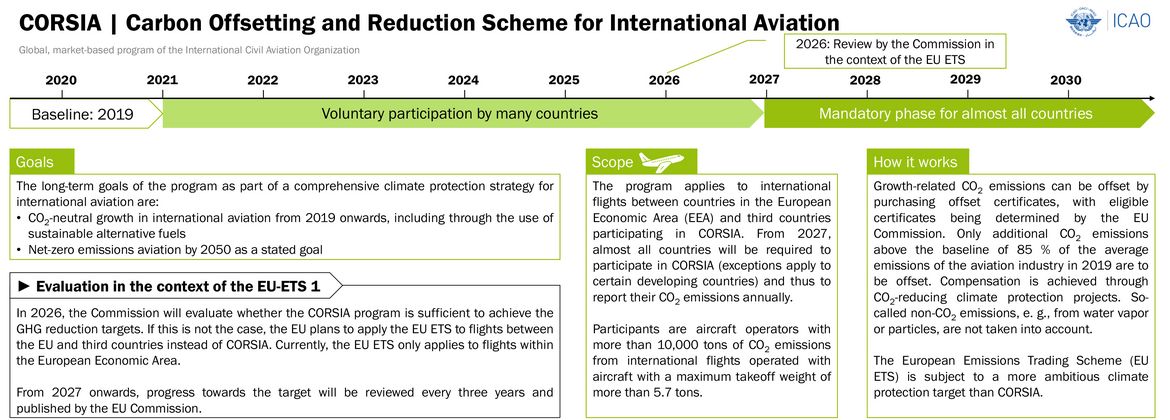
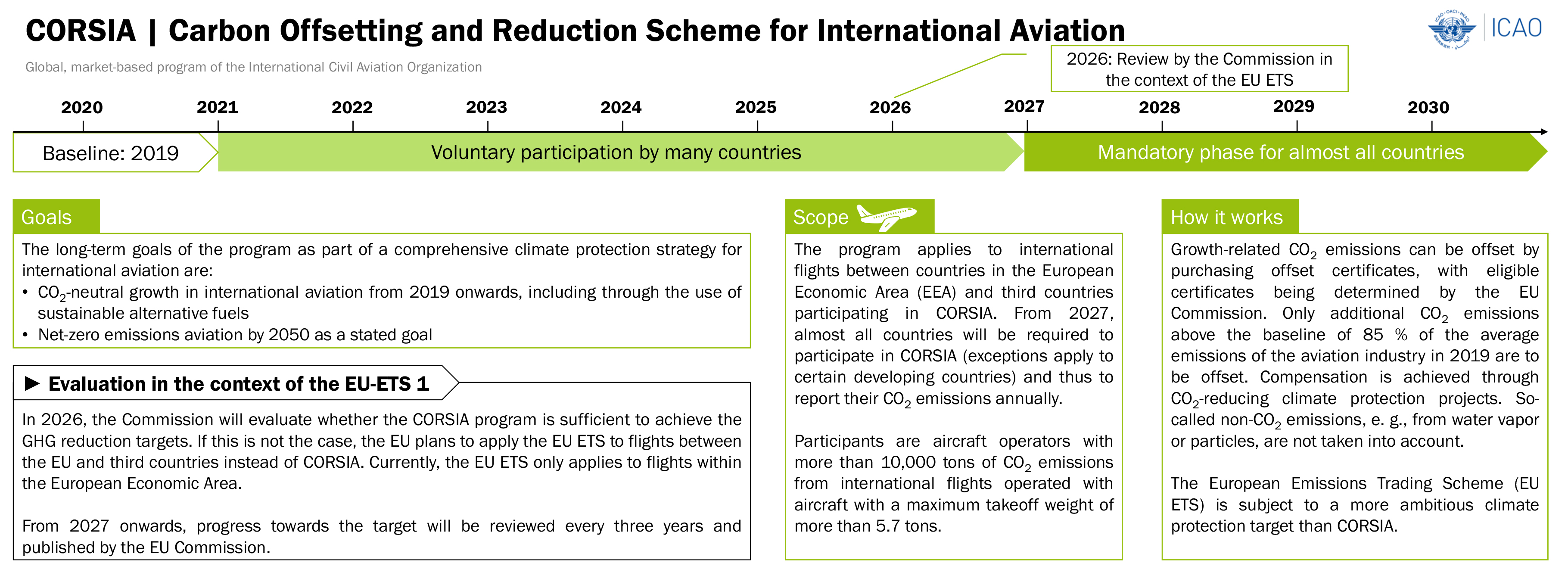
Overview of CORSIA, drawn up in the Innofuels project, updated version on the (InnoFuels-Website)

Fig. 3-10 on page 44

Download [JPG, 1,6 MB]

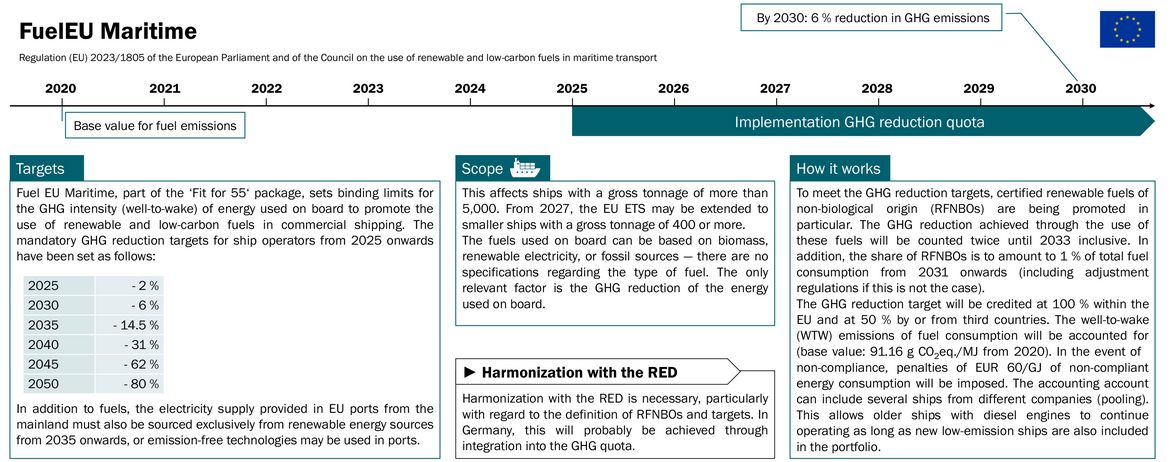
Overview of the FuelEU Maritime, drawn up in the Innofuels project, updated on the (InnoFuels-Website)

Fig. 3-11 on page 45

Download [JPG, 1,7 MB]

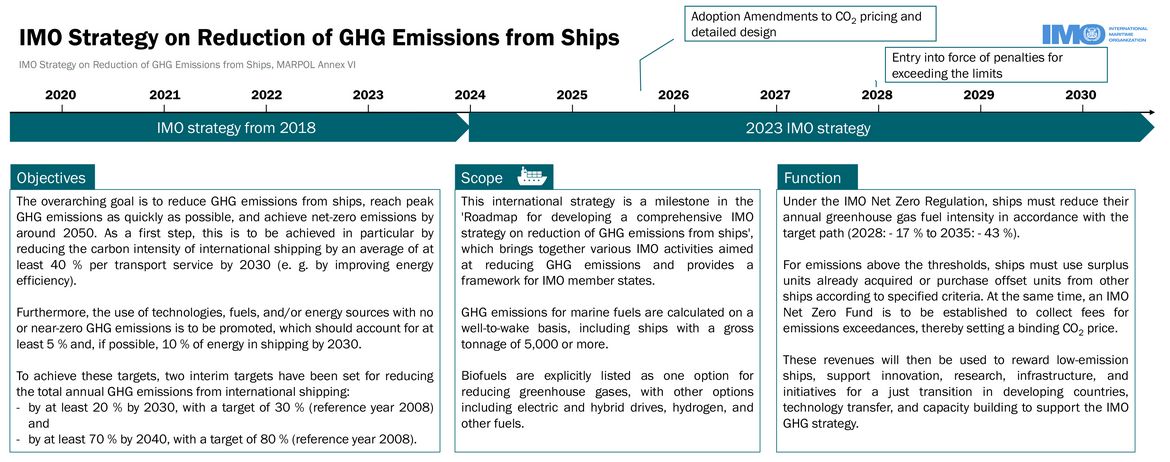
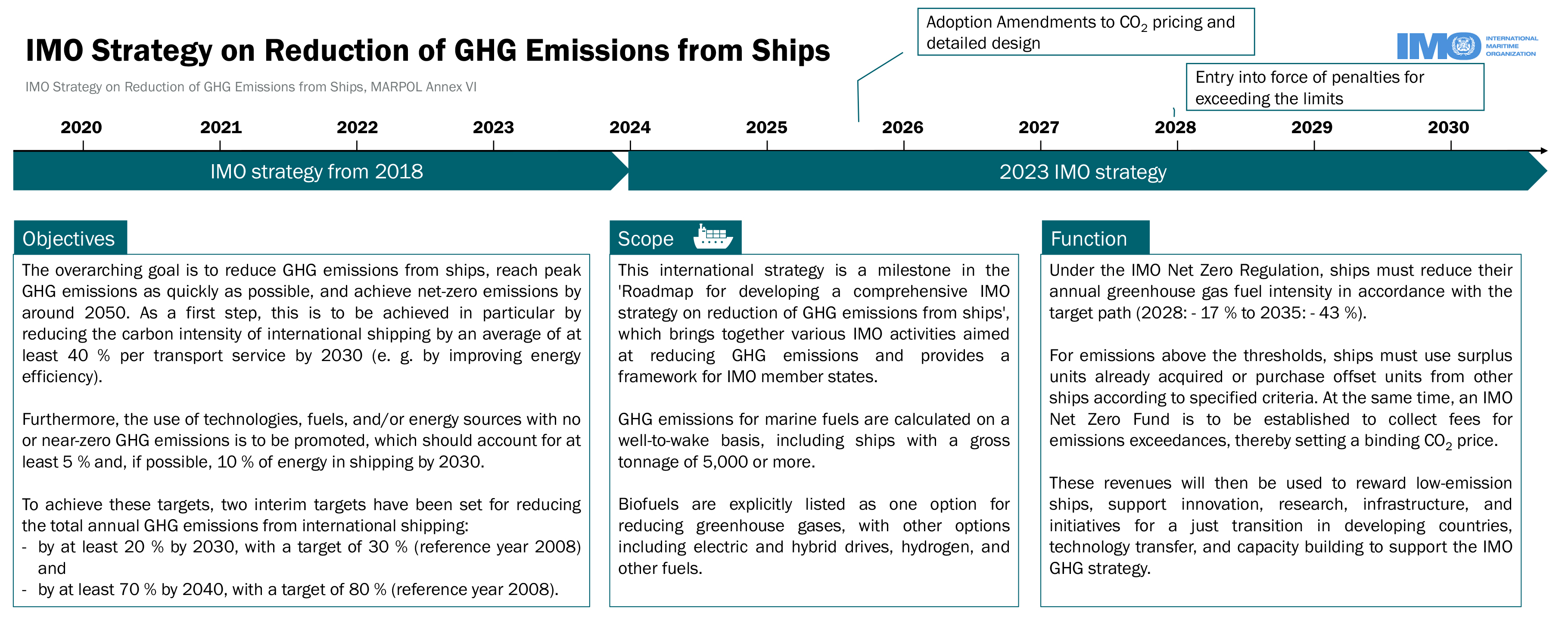
Overview of the 2023 IMO Strategy on Reduction of GHG Emissions from Ships, drawn up in the Innofuels project, updated version on the (InnoFuels-Website)

Fig. 3-12 on page 46

Download [JPG, 1,8 MB]

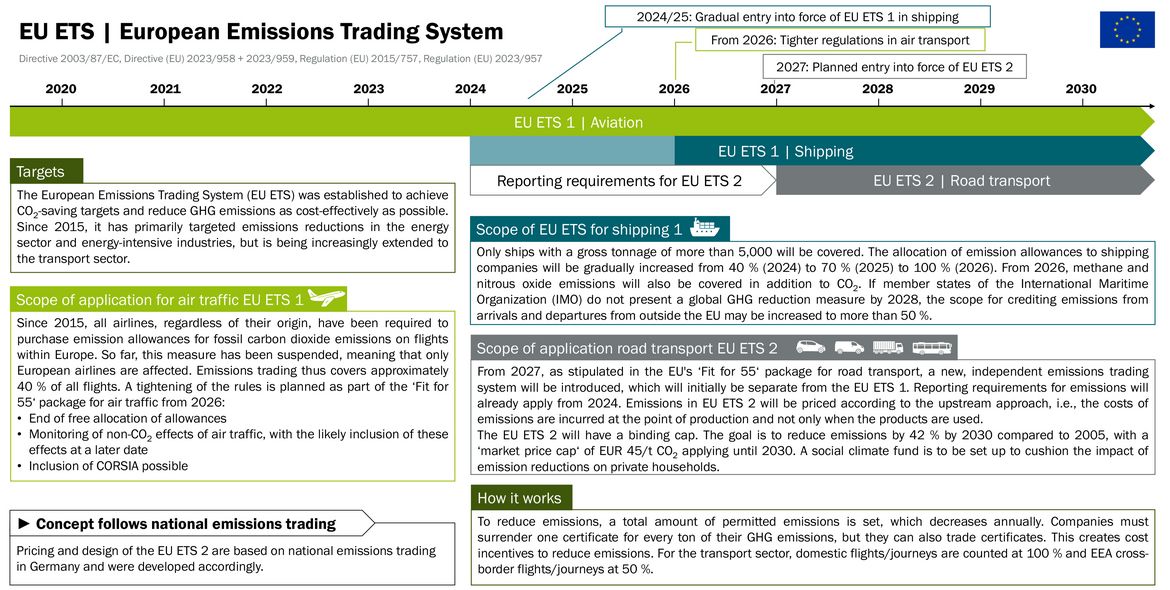
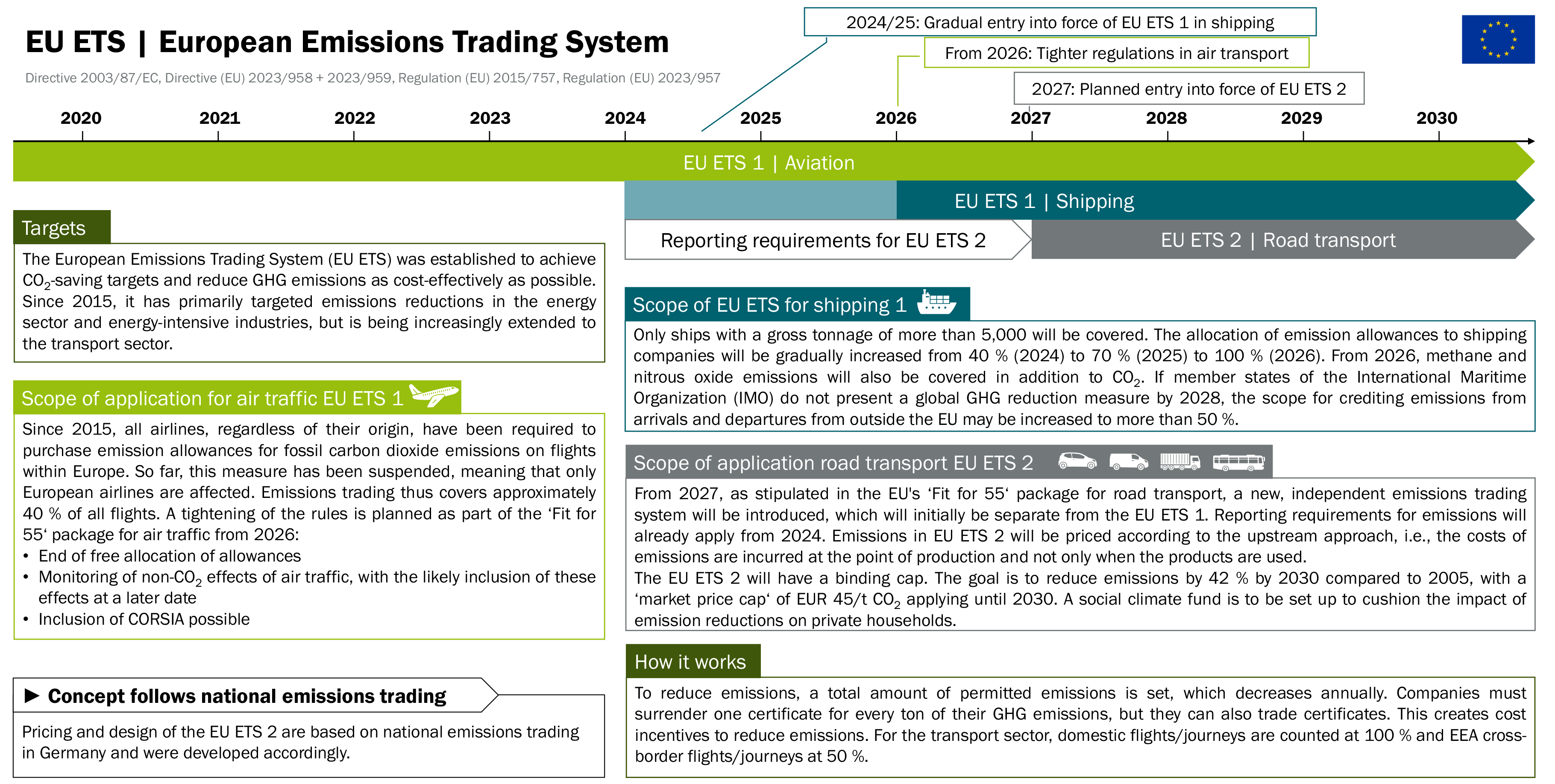
Overview of the Emissions Trading System, drawn up in the Innofuels project, updated version on the (InnoFuels-Website)

Fig. 3-13 on page 47

Download [JPG, 2,3 MB]

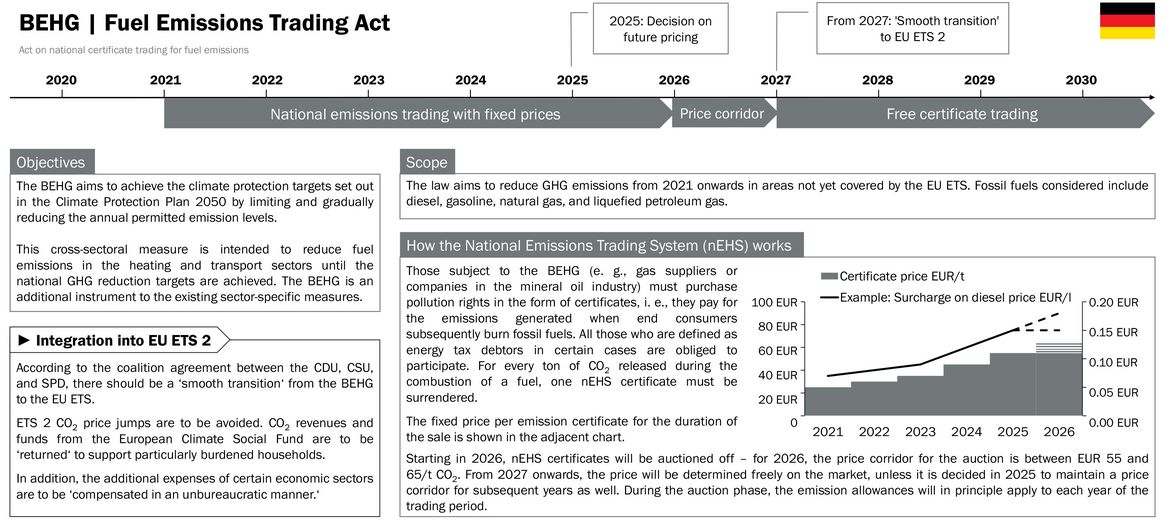
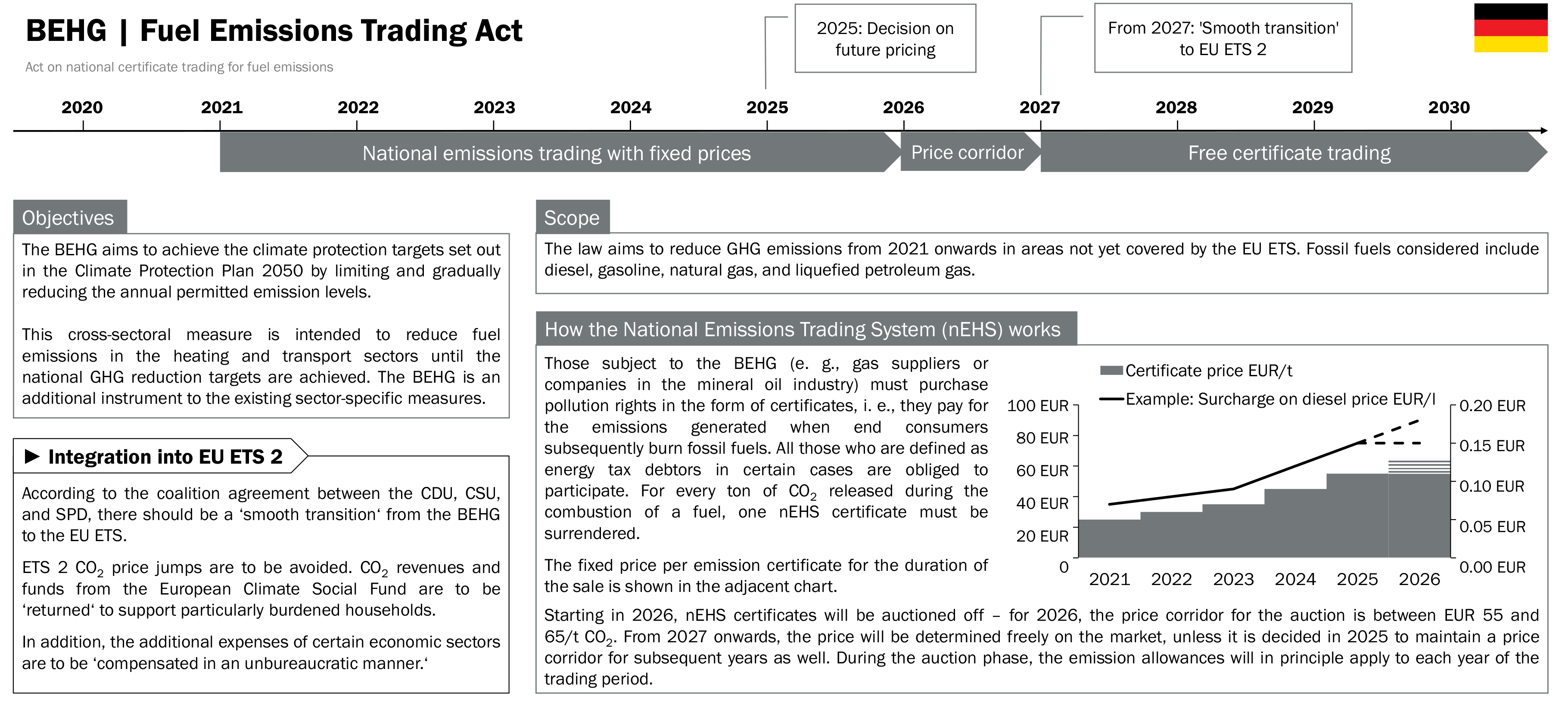
Overview of the Fuel Emissions Trading Act, drawn up in the Innofuels project, updated version on the (InnoFuels-Website)

Fig. 3-14 on page 48

Download [JPG, 1,7 MB]

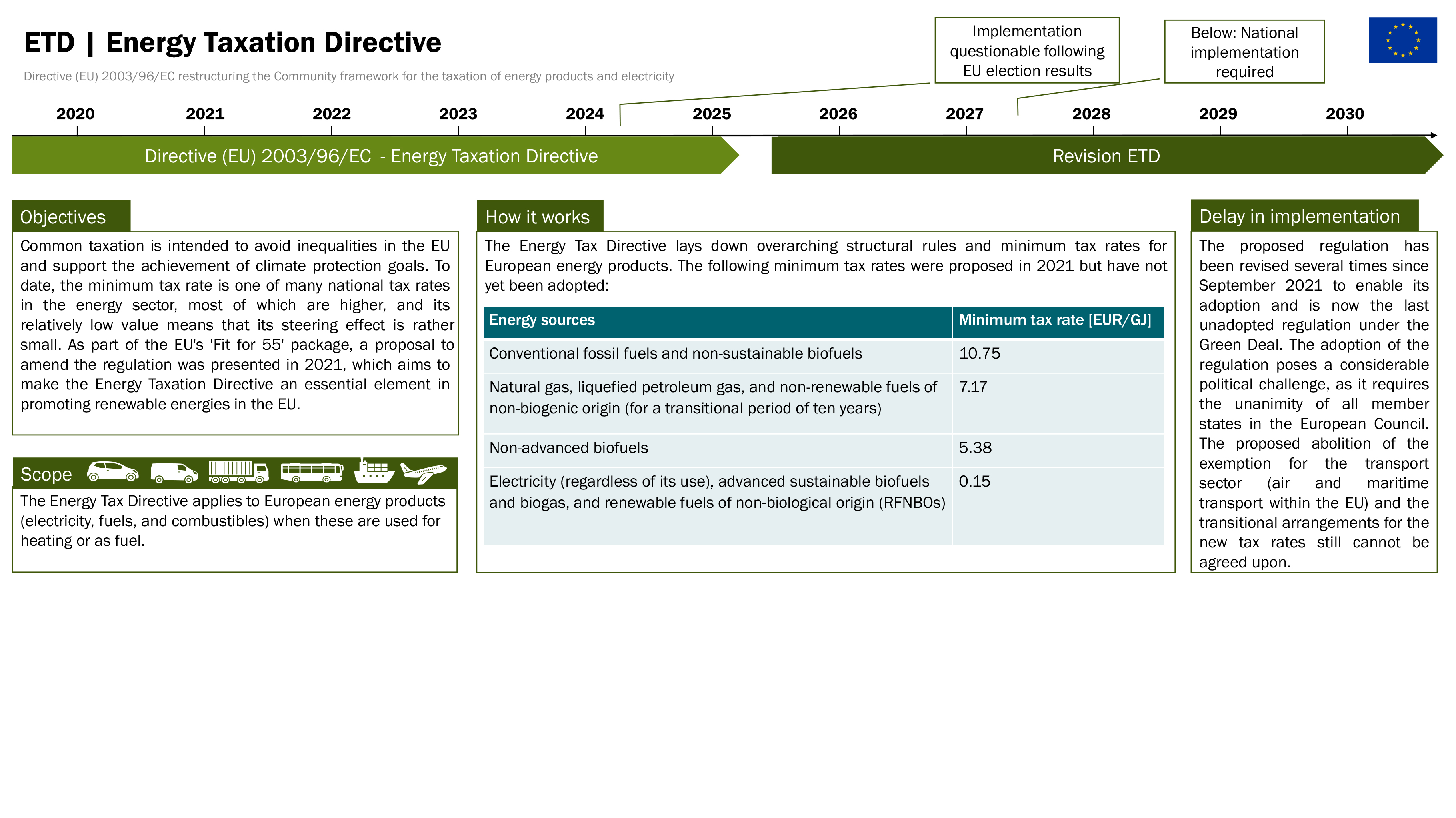
Overview of the Energy Taxation Directive, drawn up in the Innofuels project, updated version on the (InnoFuels-Website)

Fig. 3-15 on page 49

Download [JPG, 1,8 MB]

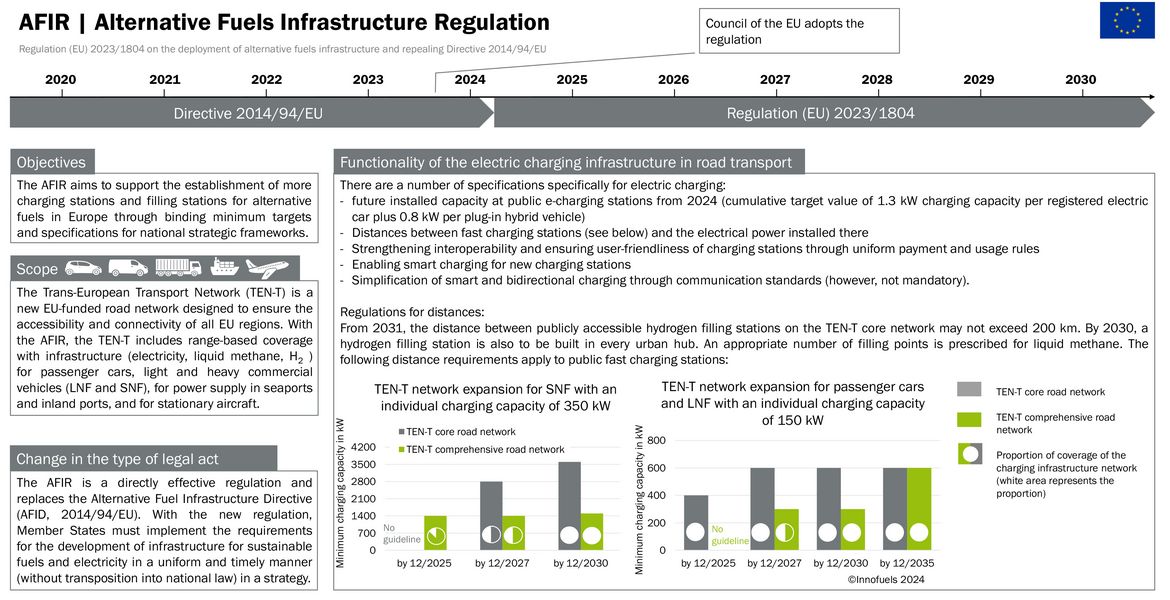
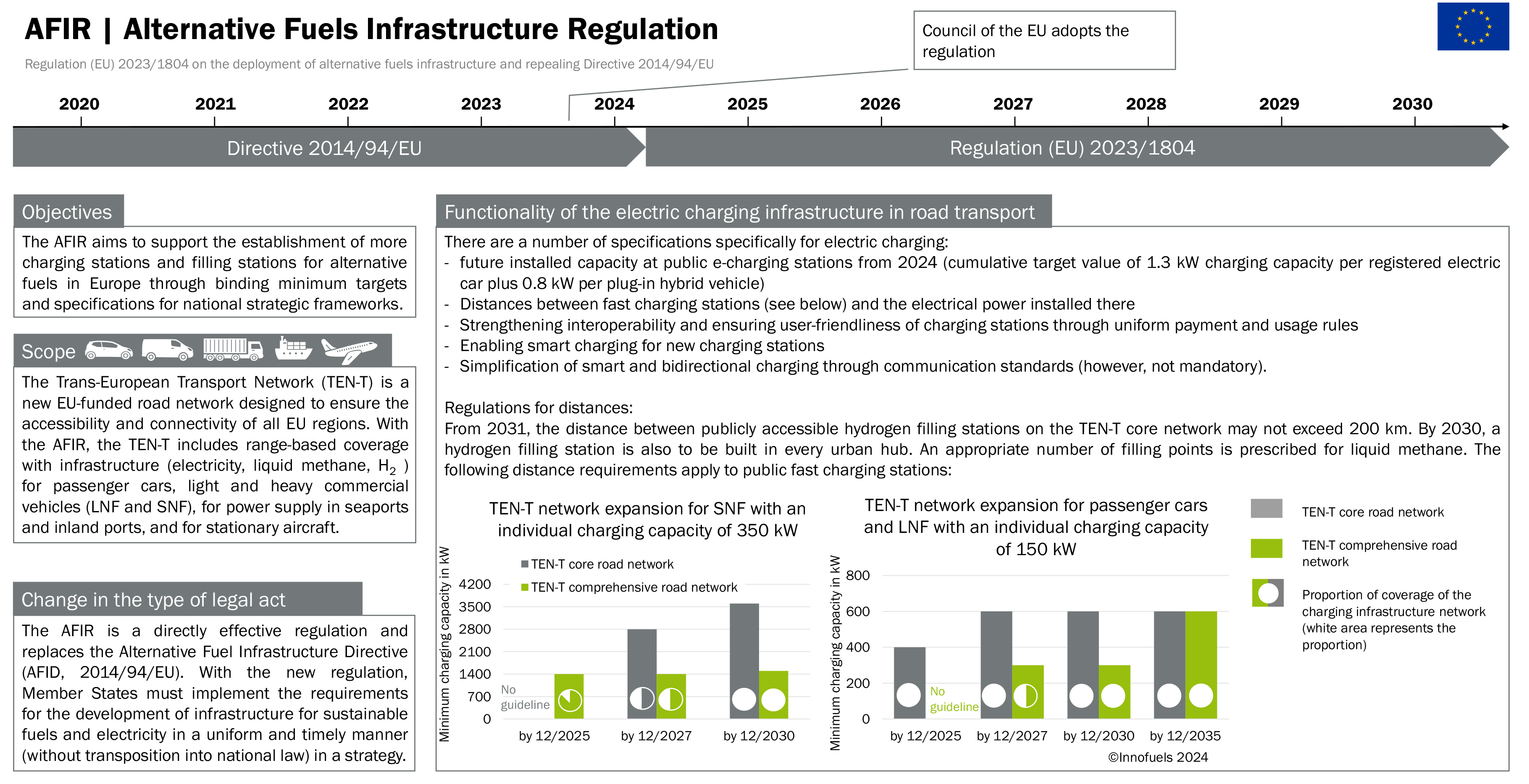
Overview of the Alternative Fuels Infrastructure Regulation (AFIR), drawn up in the Innofuels project, updated version on the (InnoFuels-Website)

Fig. 3-16 on page 50

Download [JPG, 2 MB]

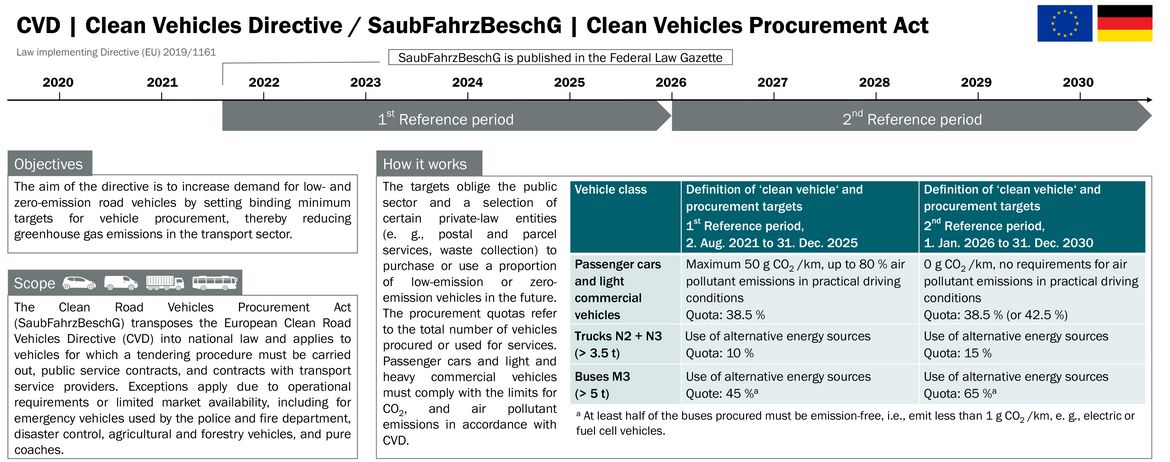
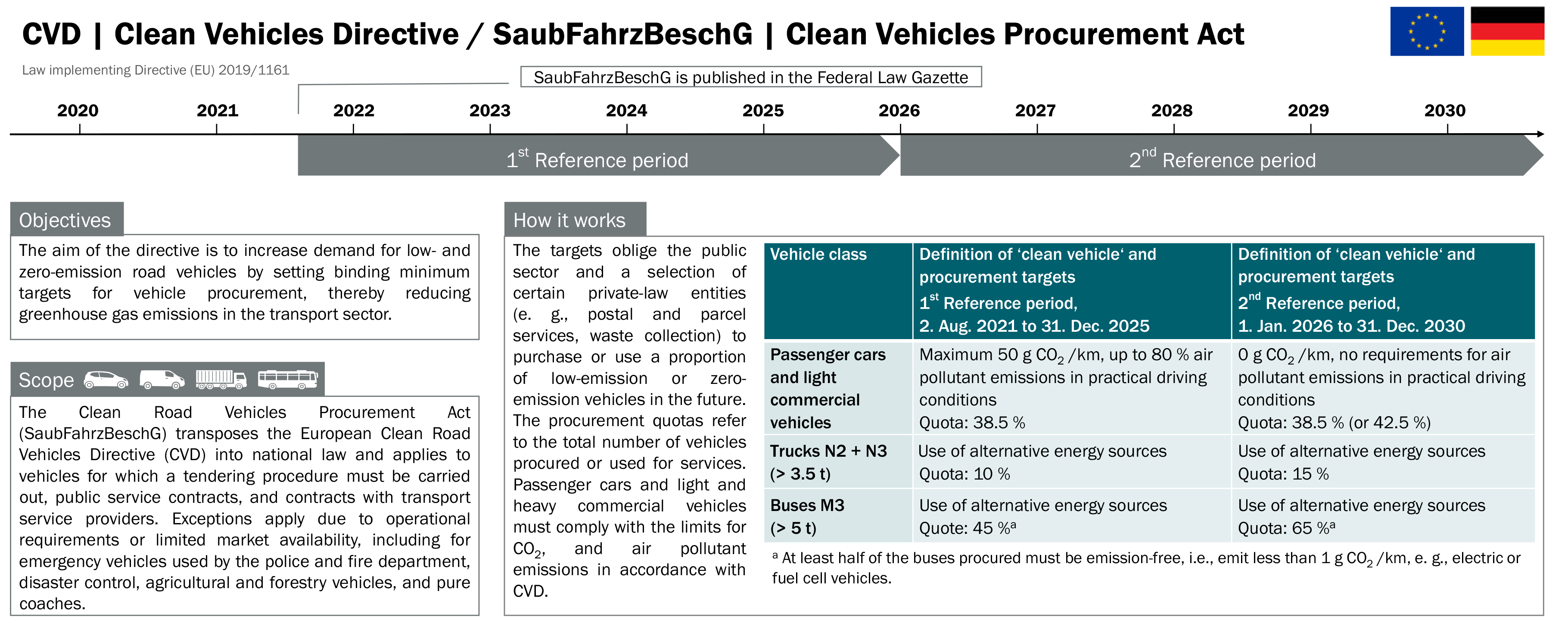
Overview of the Clean Vehicles Directive (CVD) and the Clean Vehicles Procurement Act, drawn up in the Innofuels project, updated version on the (InnoFuels-Website)

Fig. 3-17 on page 52

Download [JPG, 1,8 MB]

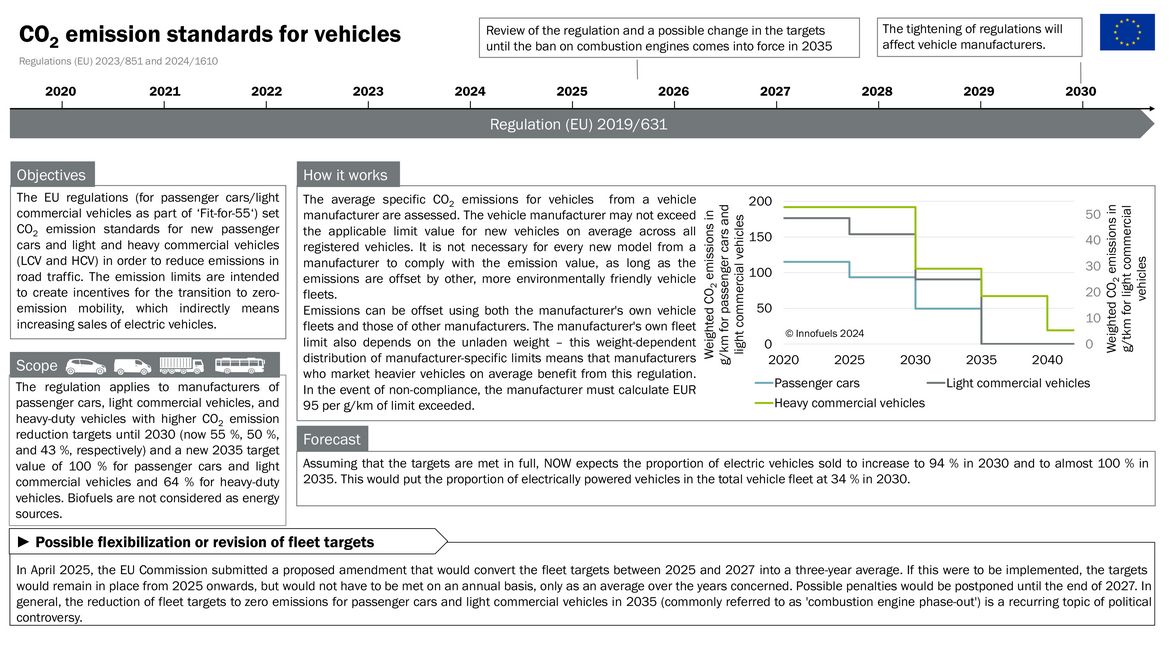
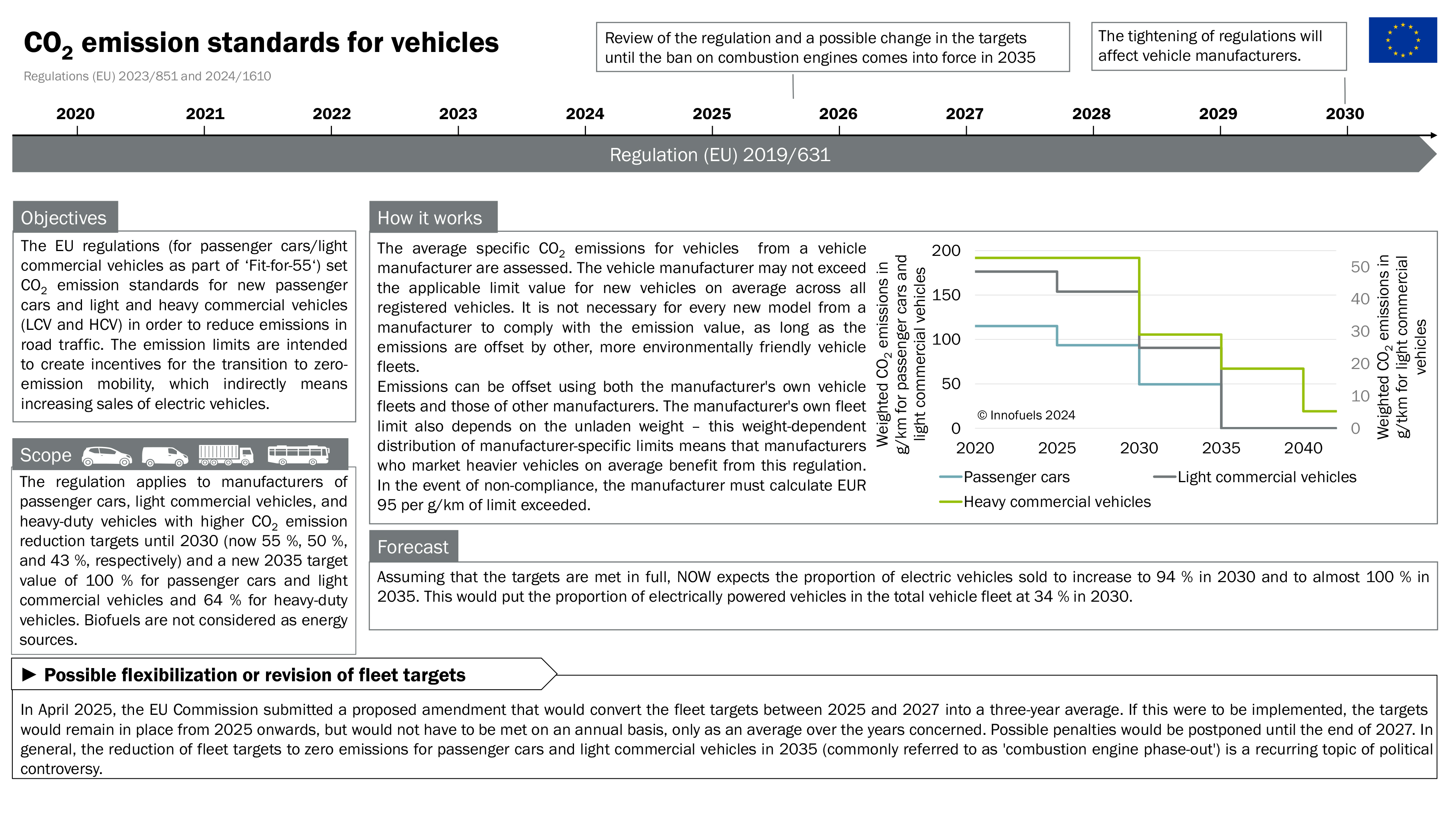
Overview of fleet limits, drawn up in the Innofuels project, updated version on (InnoFuels-Website)

Fig. 3-18 on page 53

Download [JPG, 2,2 MB]

Chapter 4: Production technologies for the provision of renewable fuels

When using the illustrations in Chapter 4, please cite them as follows:

Hauschild, S.; Costa de Paiva, G.; Tuschewitzki, W.; Prieß, T.; Mendler, F.; Neuling, U.; Zitscher, T.; Klüpfel, C.; Köchermann, J.; Thuneke, K.; Görsch, K. (2025): Technologien zur Kraftstoffbereitstellung. In: Schröder, J.; Görsch, K. (Hrsg.) (2025). Erneuerbare Energien im Verkehr: Monitoringbericht. Leipzig: DBFZ. 205 S. ISBN: 978-3-949807-23-7. DOI: 10.48480/w11j-9w27 S. 54–76.

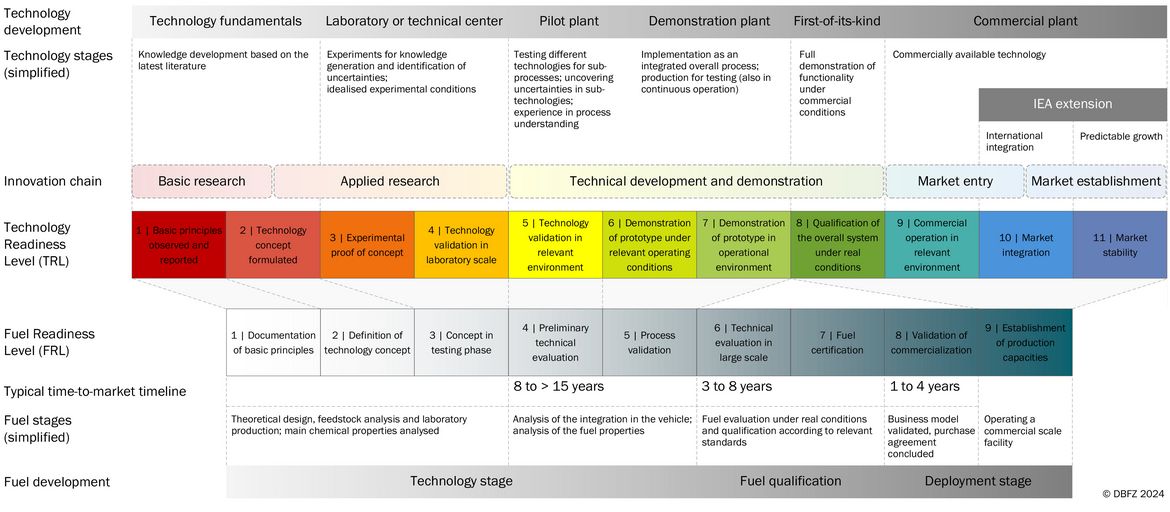
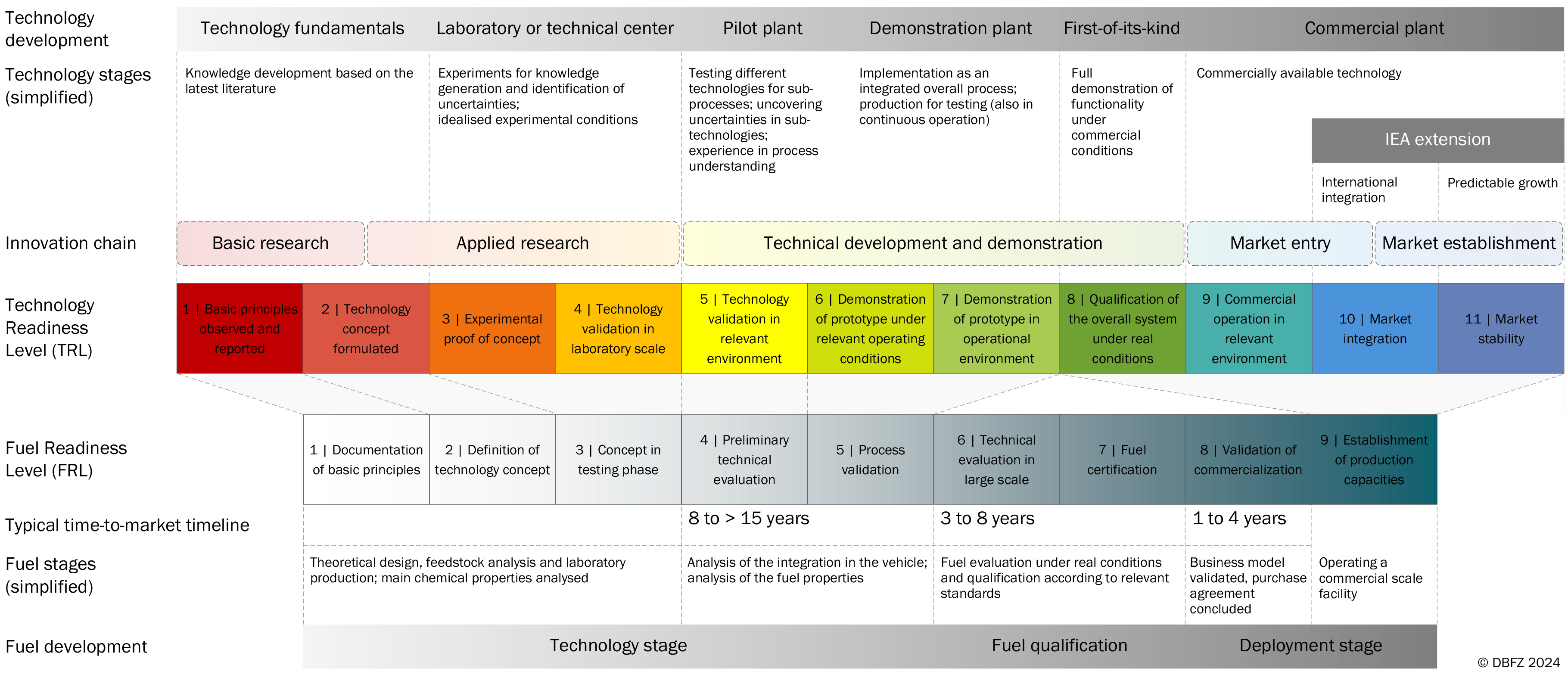
Comparison of technology readiness level (TRL) and fuel readiness level (FRL)

Fig. 4-1 on page 55

Download [JPG, 1,6 MB]

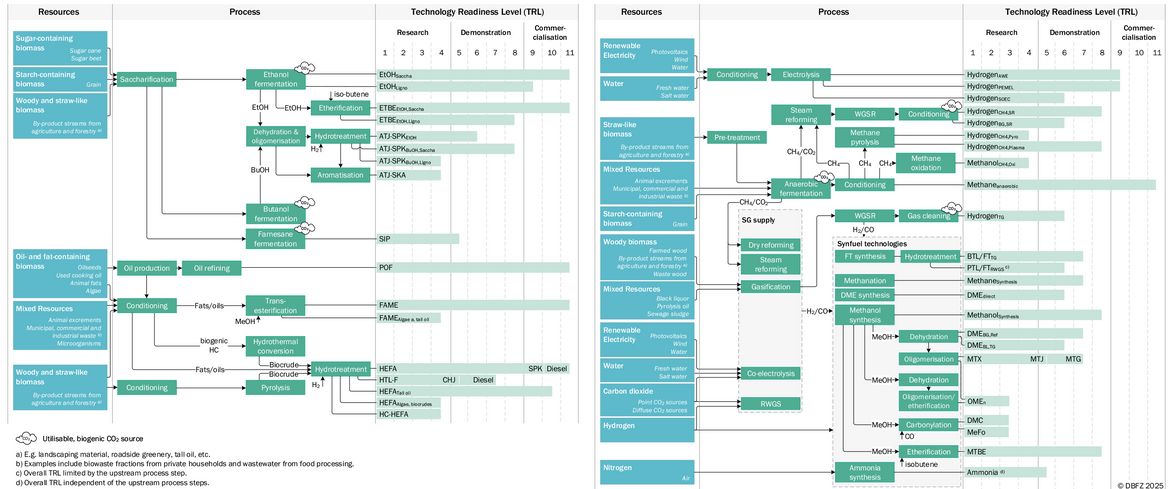
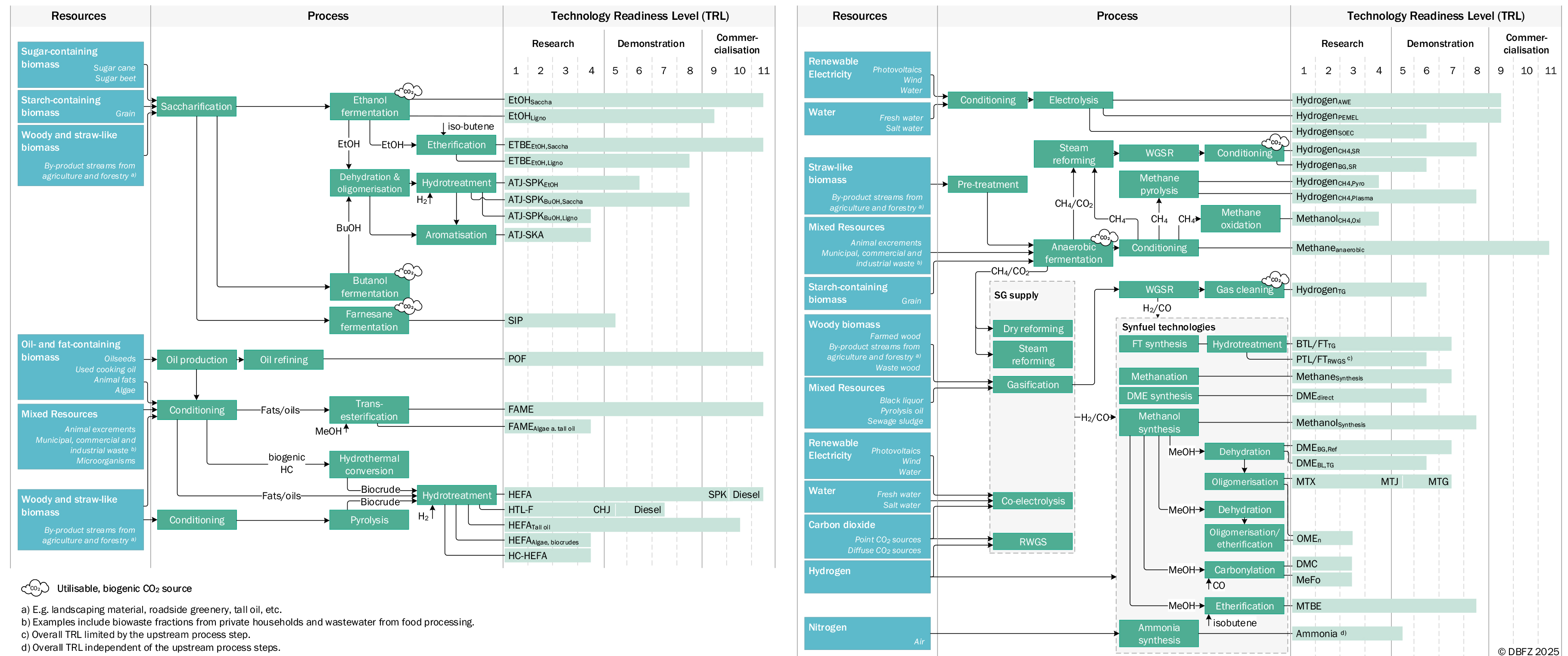
Provision options for renewable fuels for the transport sector — depiction of the respective resources, processes, technology readiness level (TRL) and resulting energy sources

Fig. 4-2 on page 56

Download [JPG, 1,7 MB]

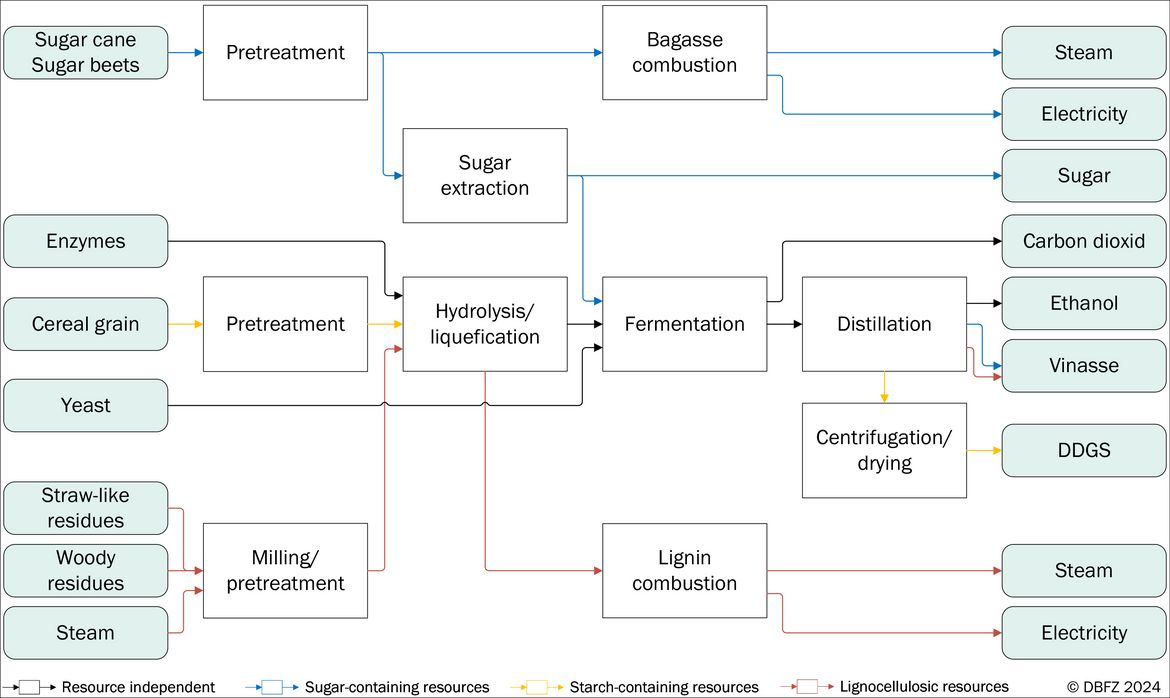
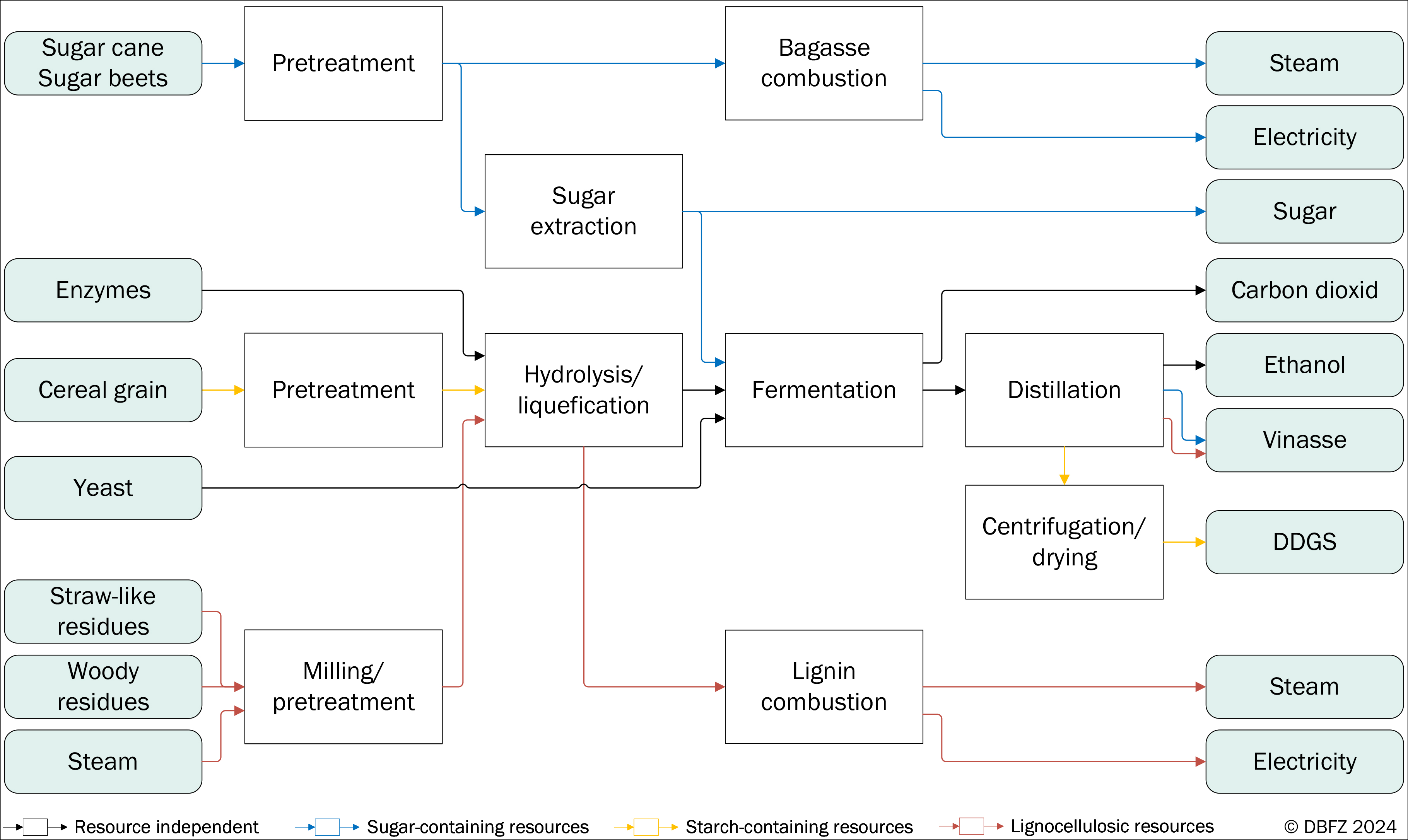
Schematic depiction of process routes for the provision of ethanol from resources containing sugar, starch and lignocellulose

Fig. 4-3 on page 57

Download [JPG, 1,2 MB]

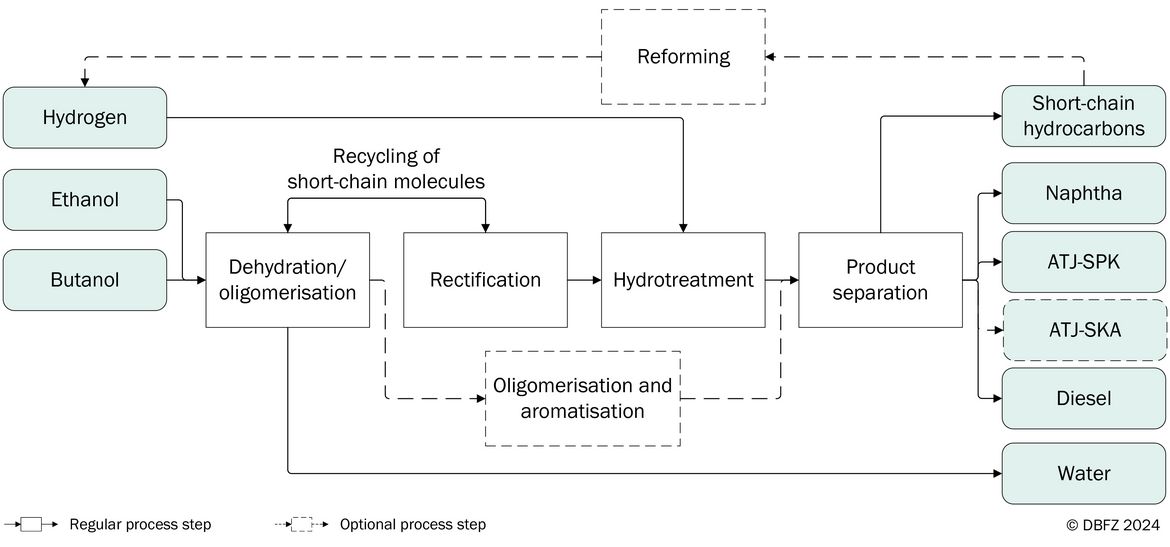
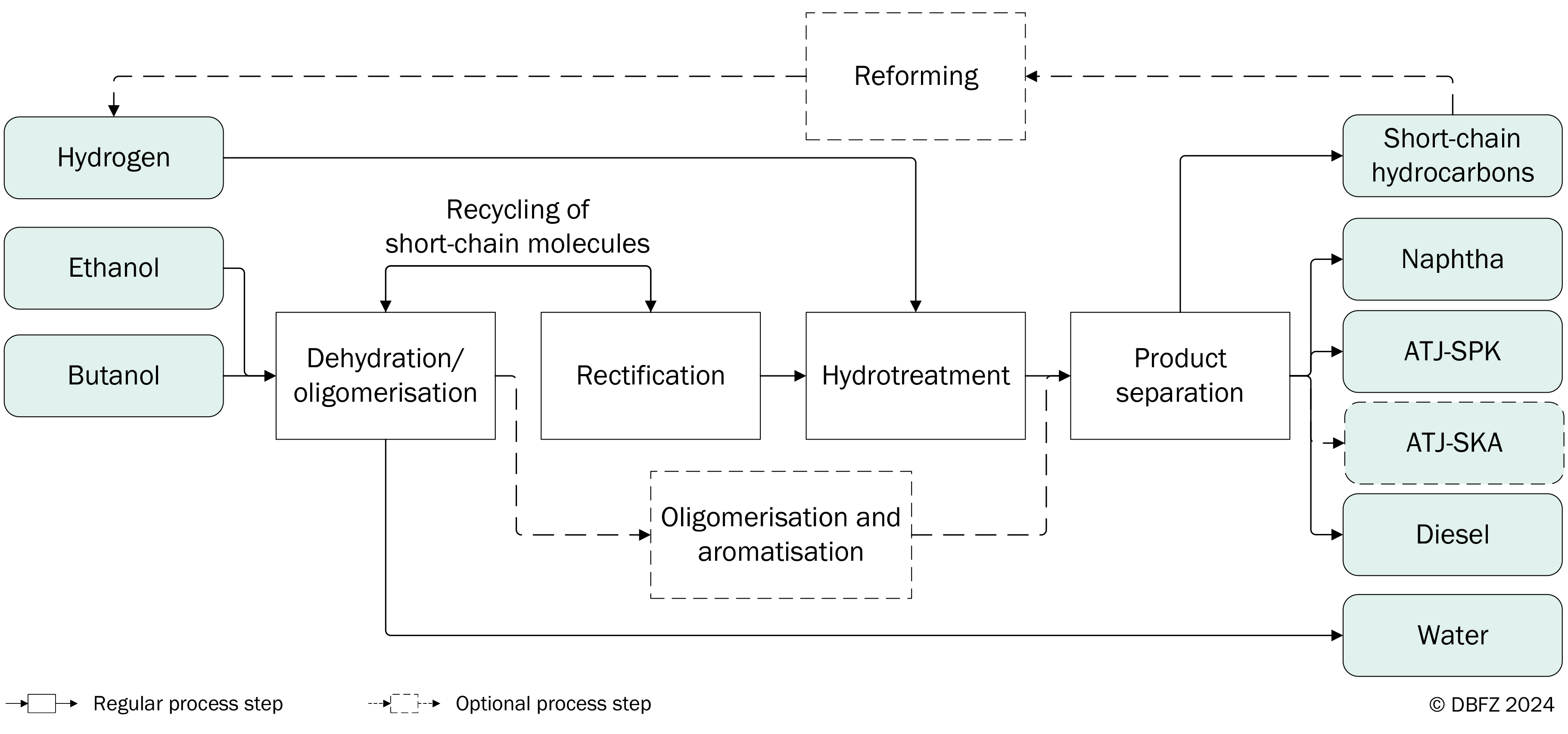
Schematic depiction of the alcohol-to-jet process

Fig. 4-4 on page 58

Download [JPG, 840 KB]

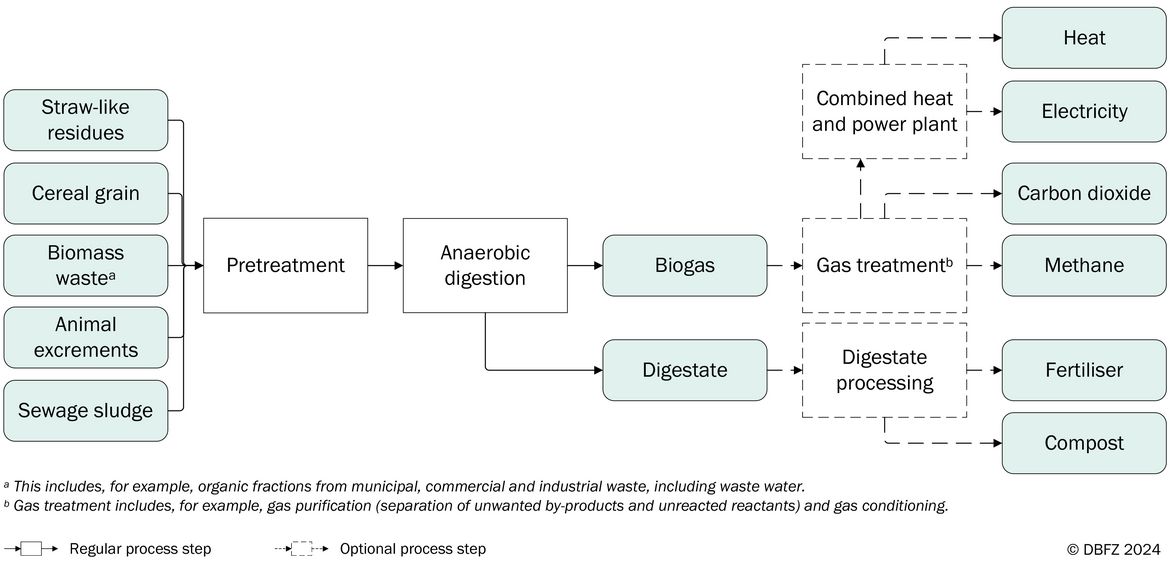
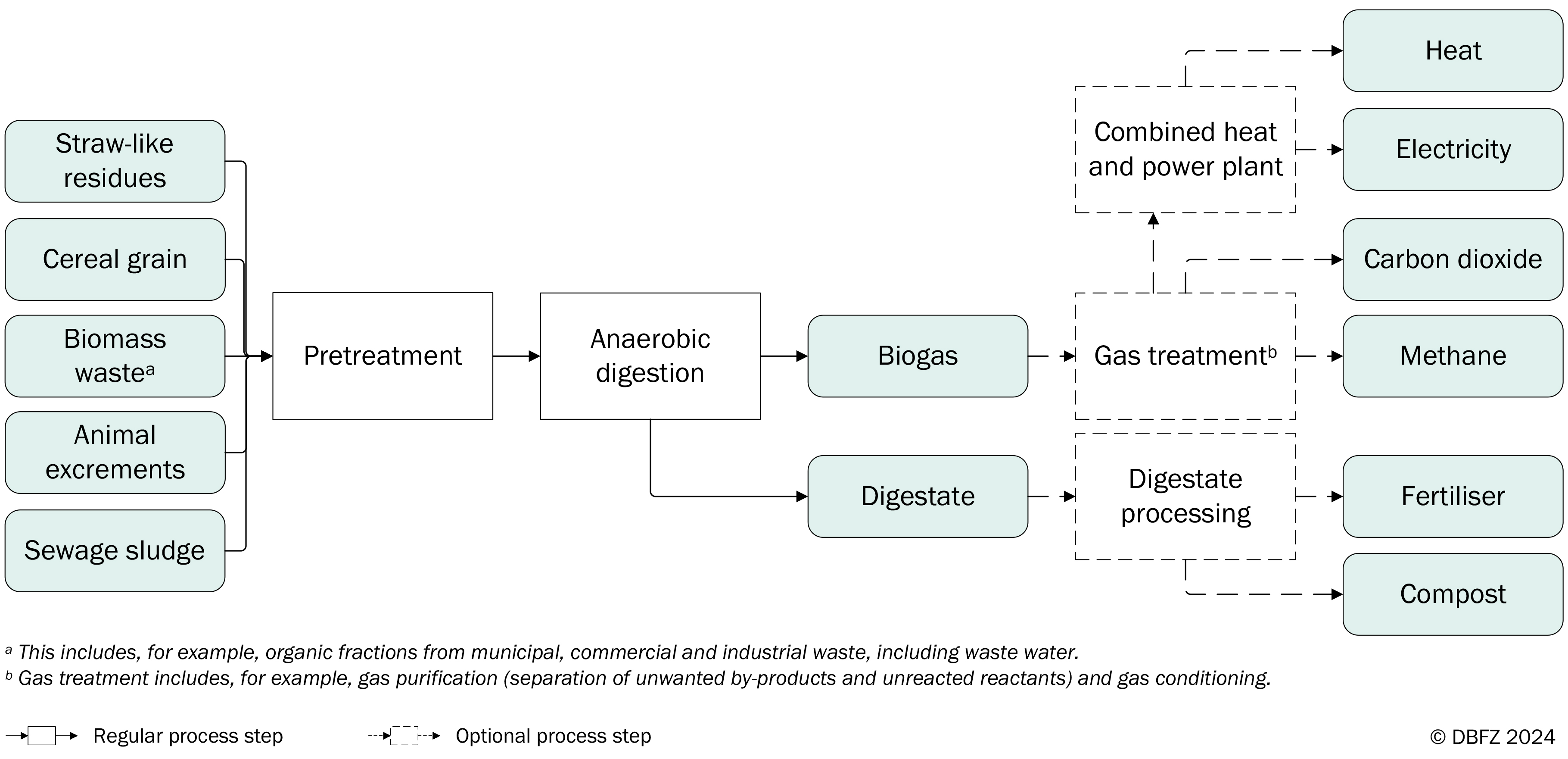
Schematic depiction of a process route for the provision of biogas and corresponding downstream products

Fig. 4-5 on page 59

Download [JPG, 1 MB]

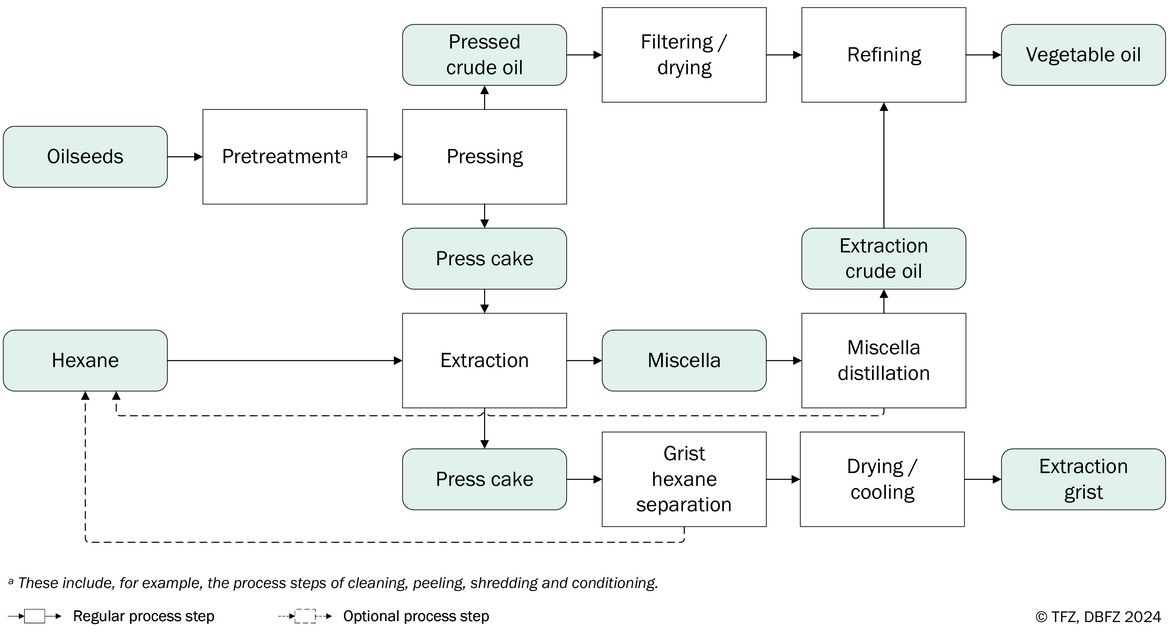
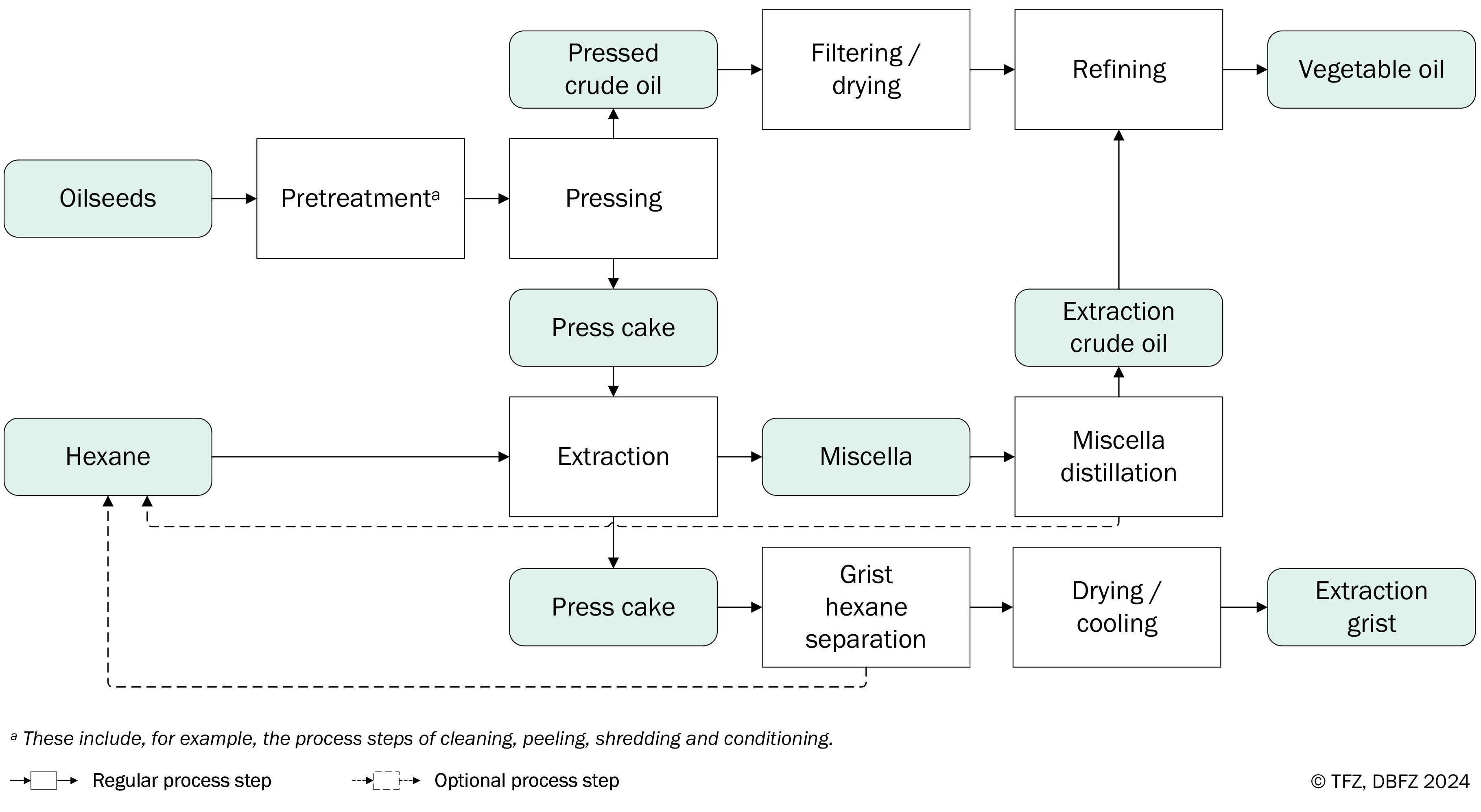
Schematic depiction of an industrial process route for the provision of vegetable oil

Fig. 4-6 on page 60

Download [JPG, 1 MB]

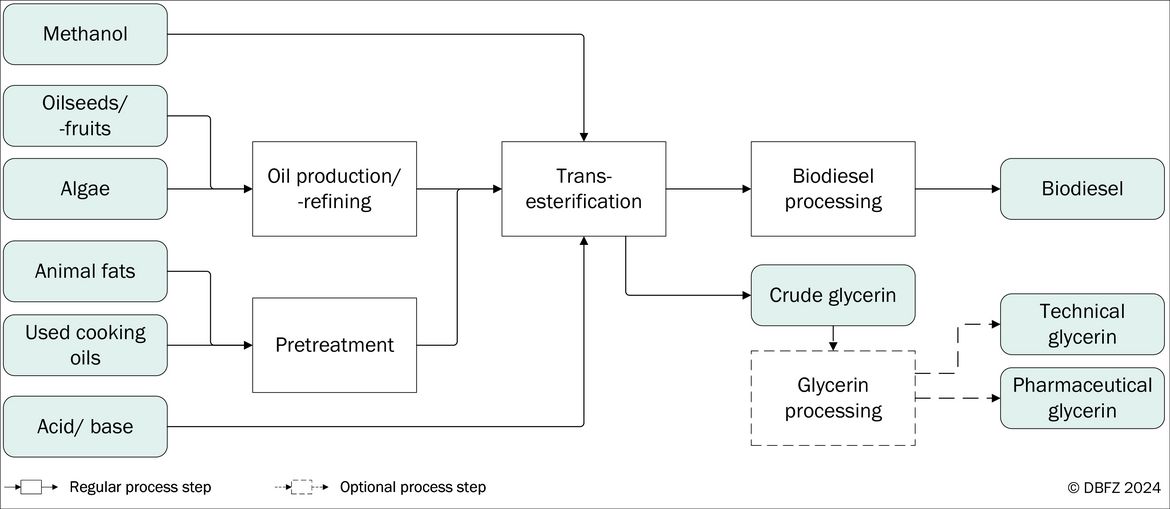
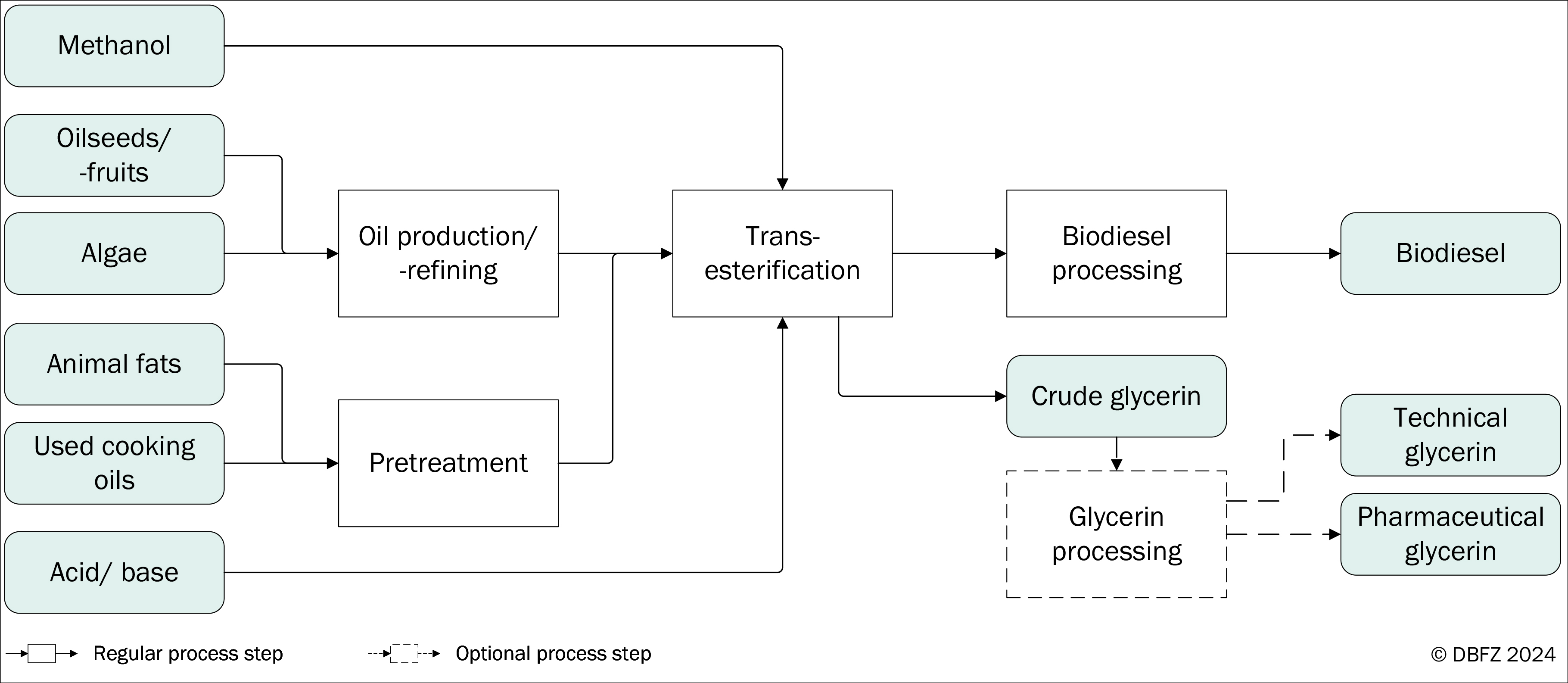
Schematic depiction of a process route for the provision of FAME

Fig. 4-7 on page 61

Download [JPG, 800 KB]

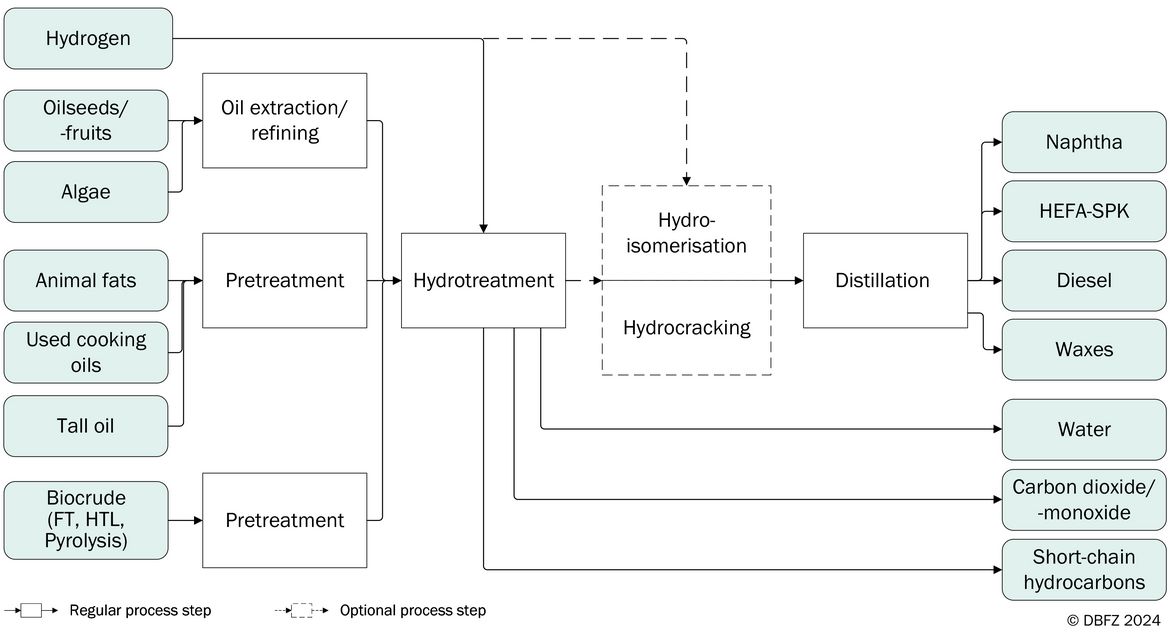
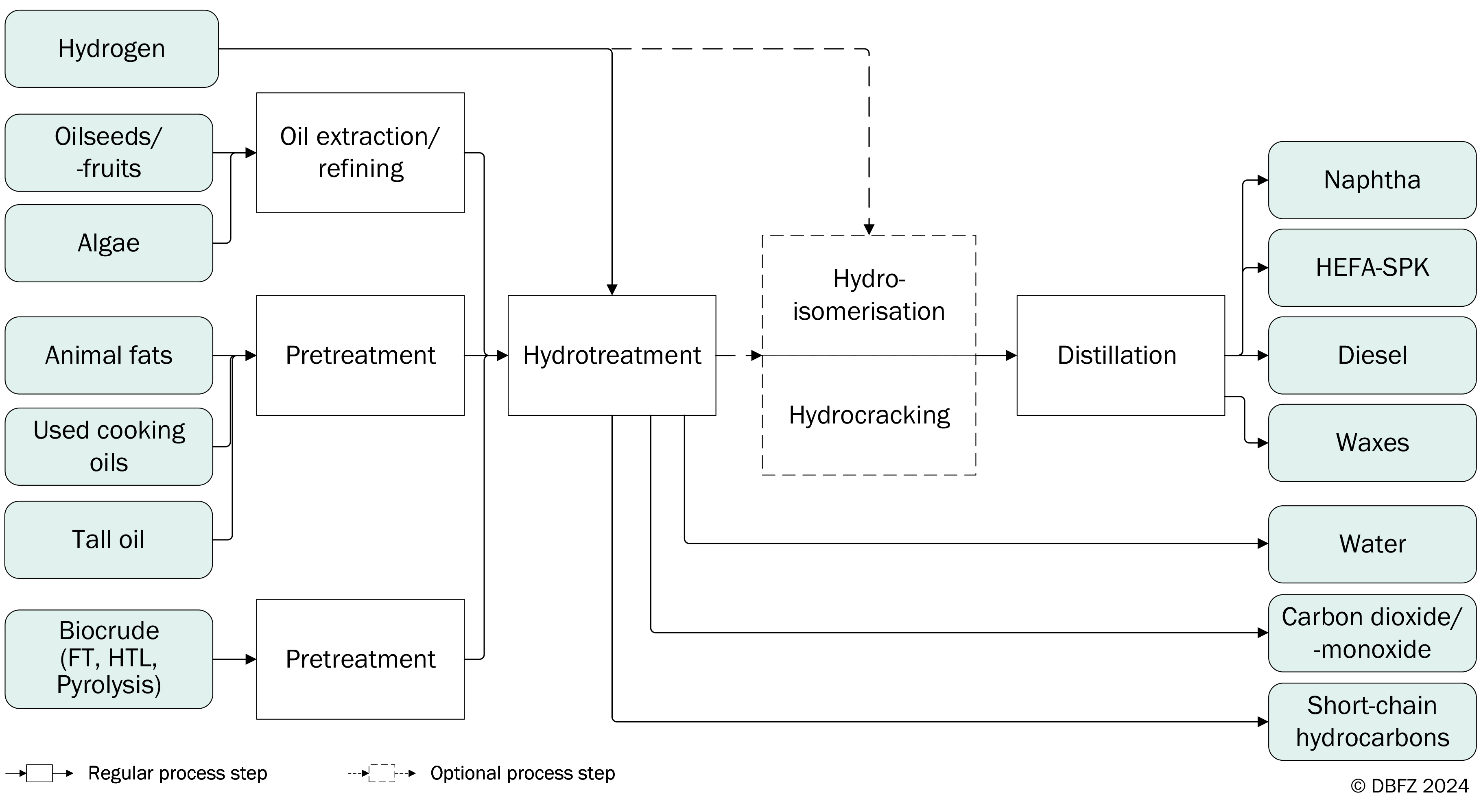
Schematic depiction of a process route for the provision of HVO/HEFA fuels

Fig. 4-8 on page 62

Download [JPG, 1 MB]

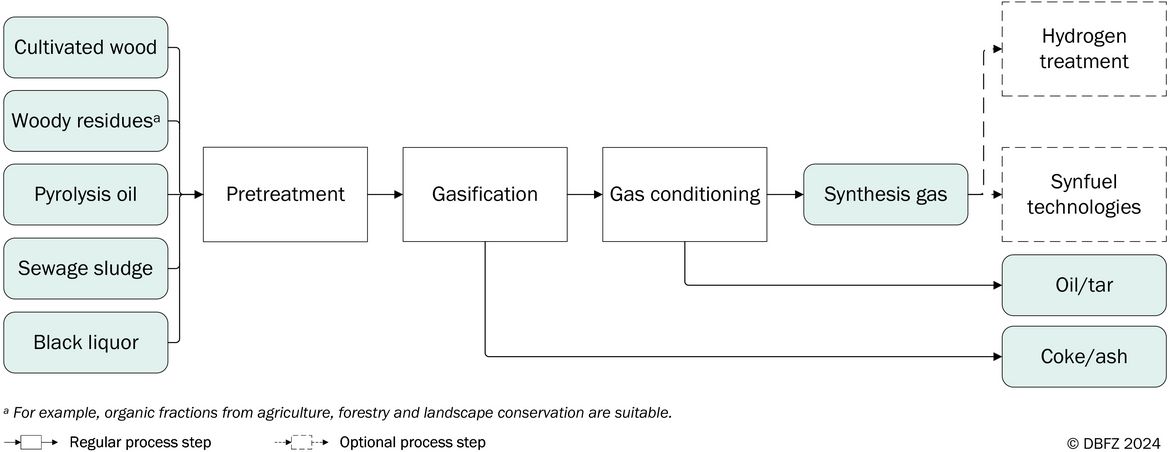
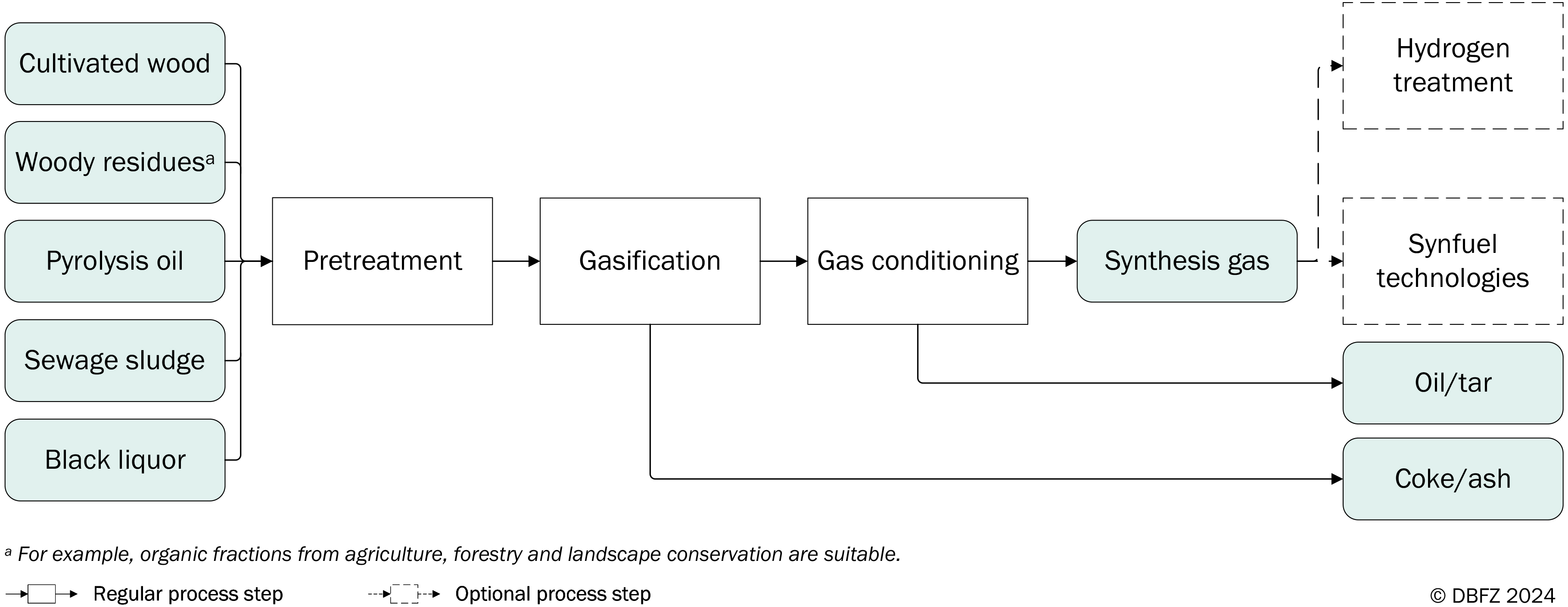
Schematic depiction of a process route for the provision of synthesis gas using thermochemical gasification

Fig. 4-10 on page 64

Download [JPG, 746 KB]

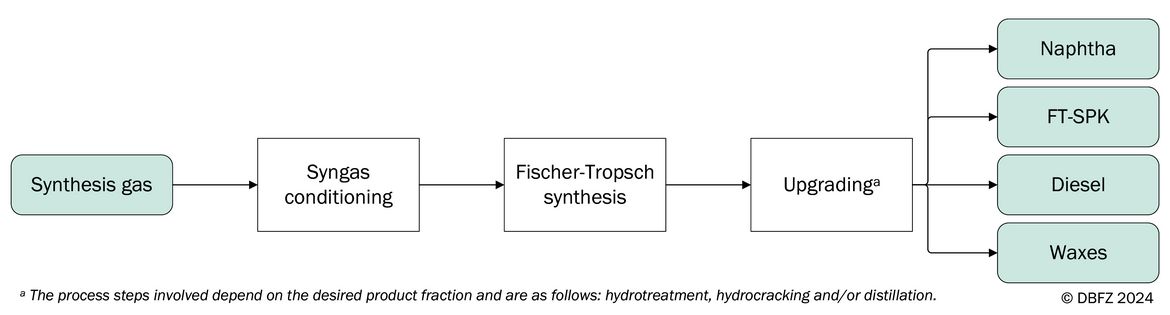
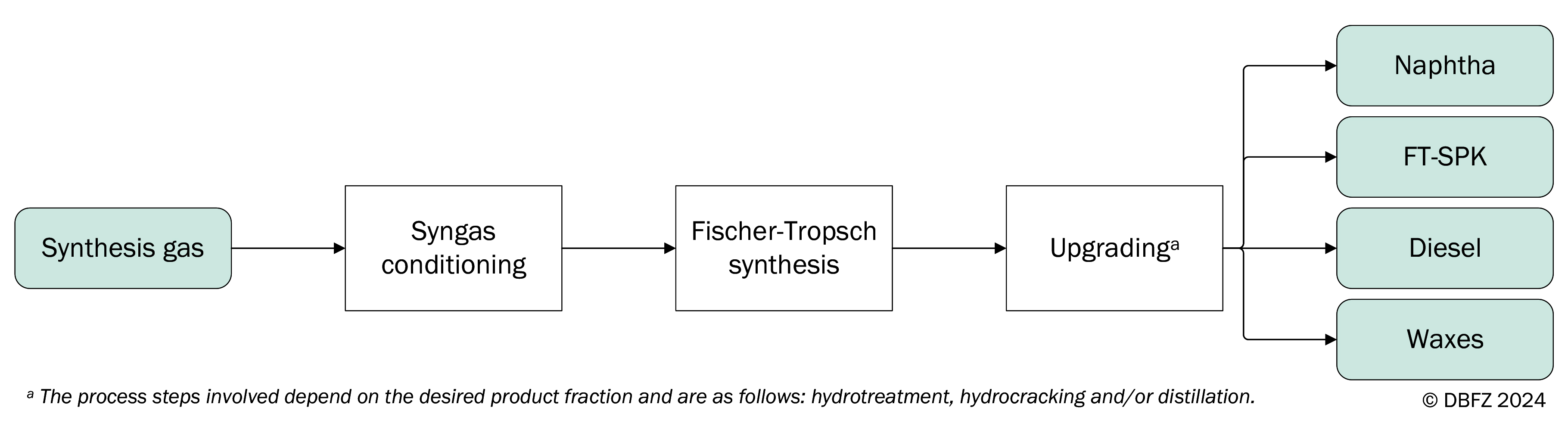
Schematic depiction of a process route for the provision of fuels using Fischer-Tropsch synthesis

Fig. 4-13 on page 68

Download [JPG, 512 KB]

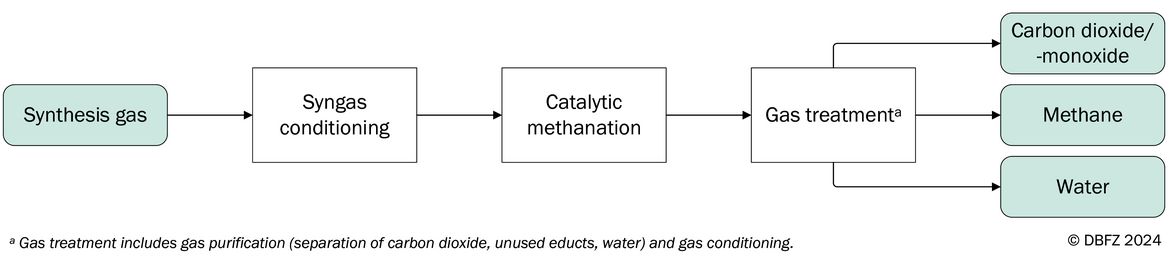
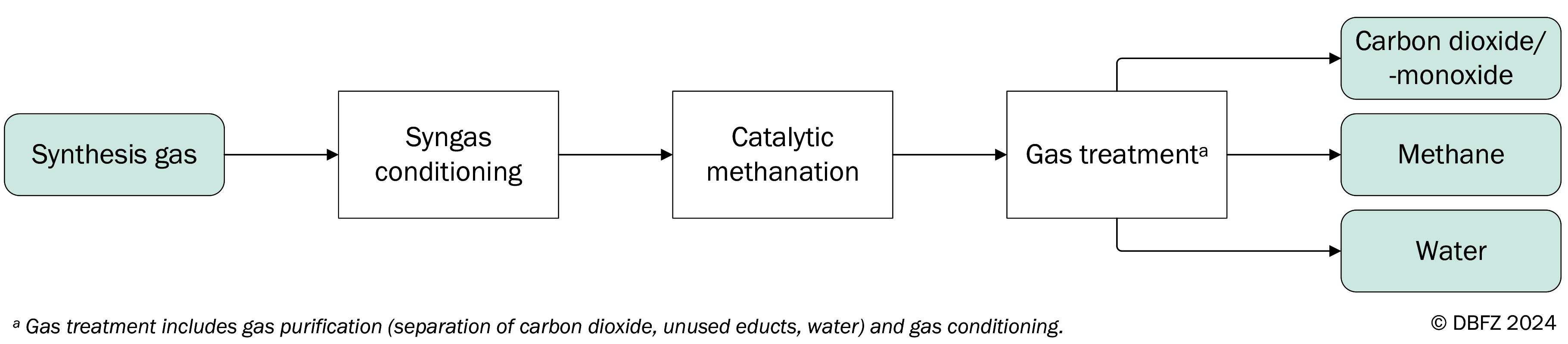
Schematic depiction of a process route for the provision of methane via catalytic methanation

Fig. 4-14 on page 69

Download [JPG, 466 KB]

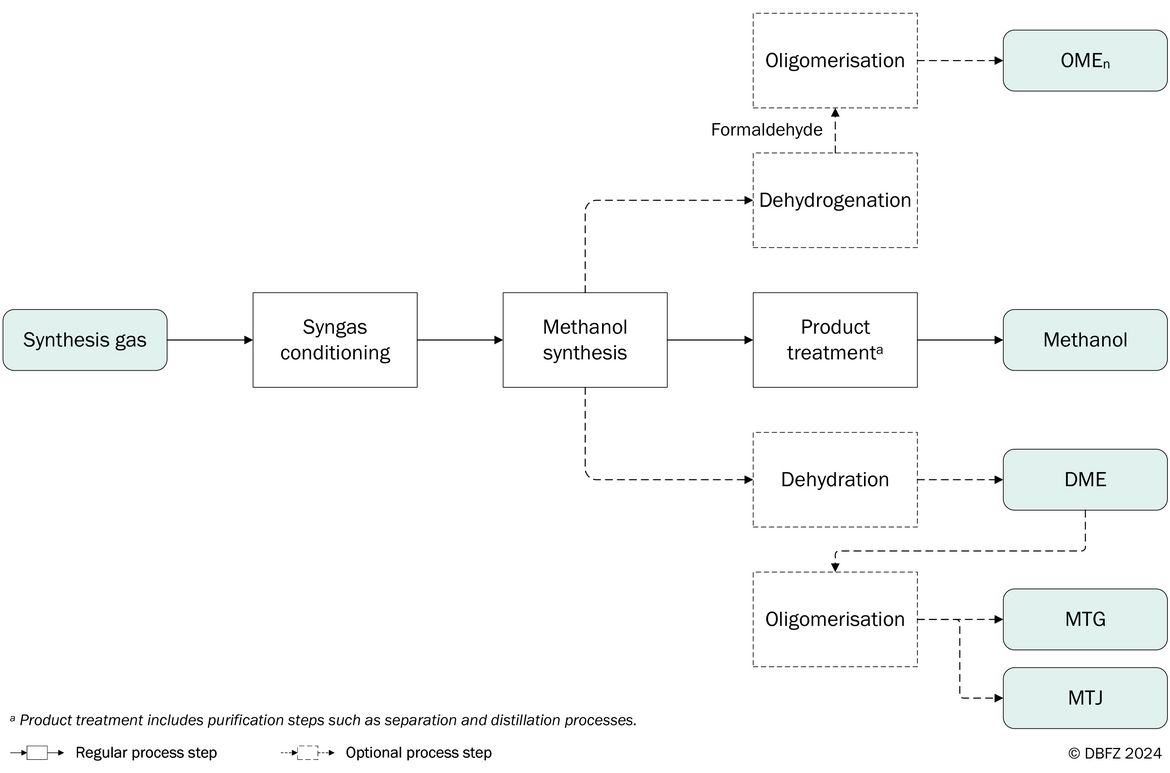
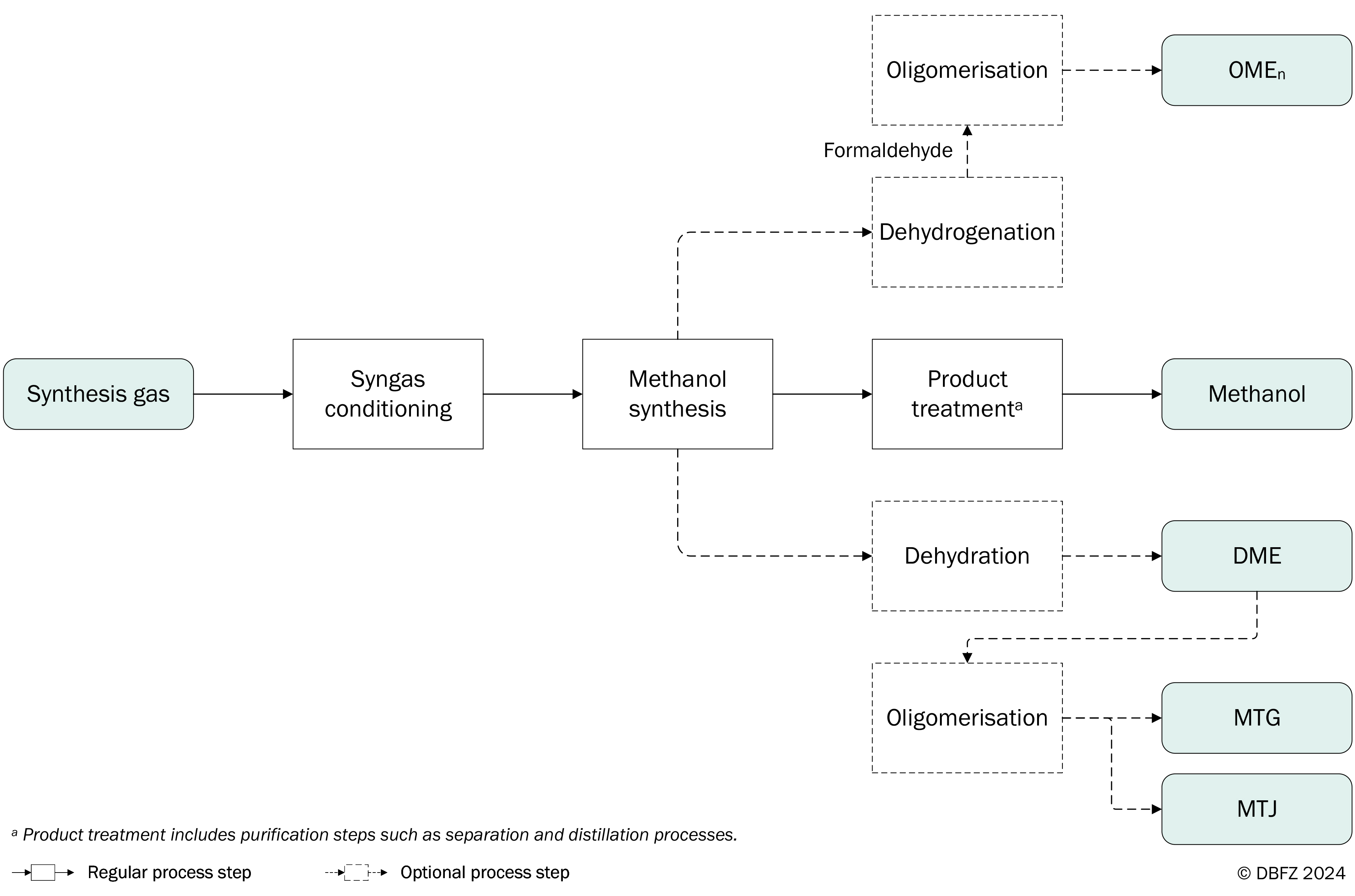
Schematic depiction of process routes for the provision of methanol and selected downstream products

Fig. 4-15 on page 69

Download [JPG, 1 MB]

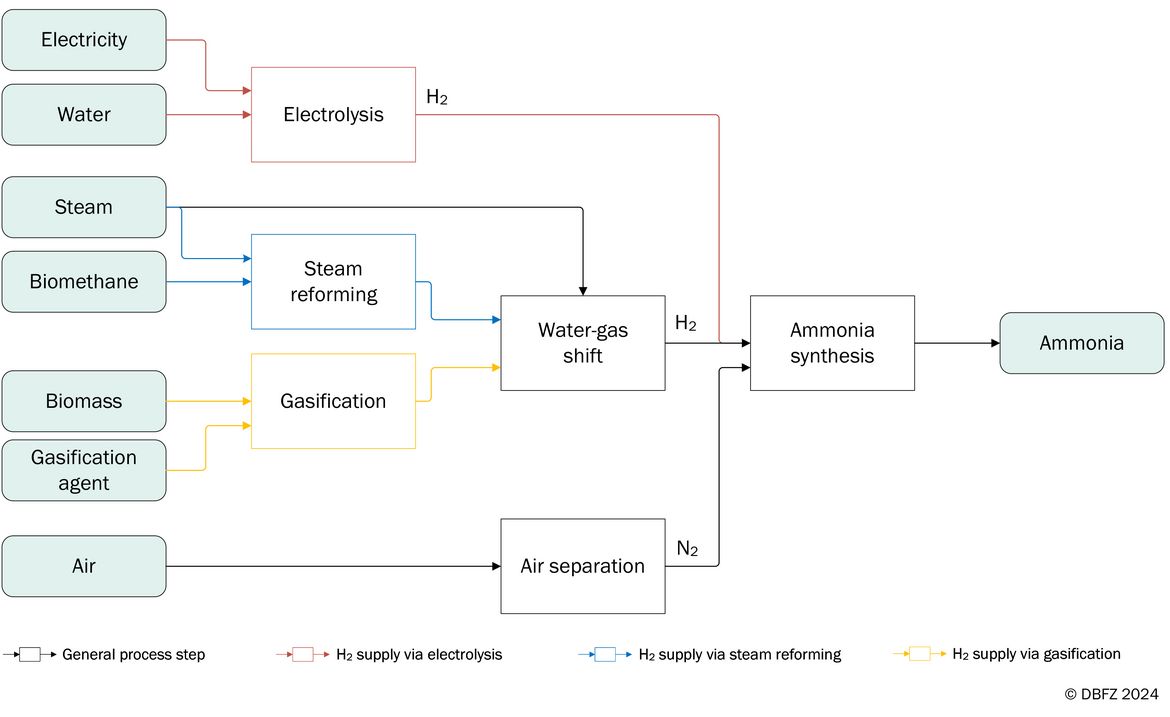
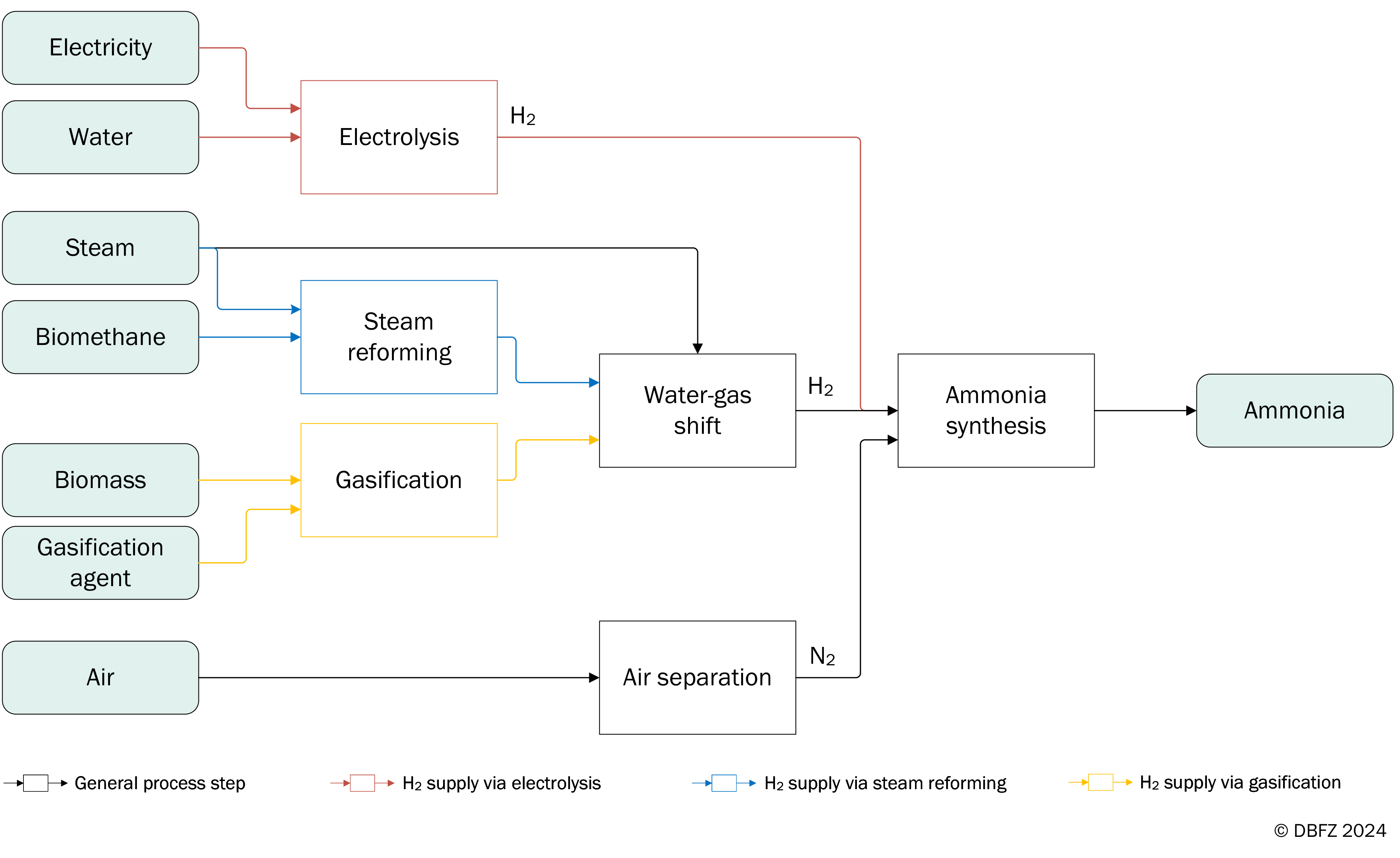
Schematic depiction of a process route for the provision of ammonia using biogenic resources

Fig. 4-16 on page 71

Download [JPG, 1 MB]

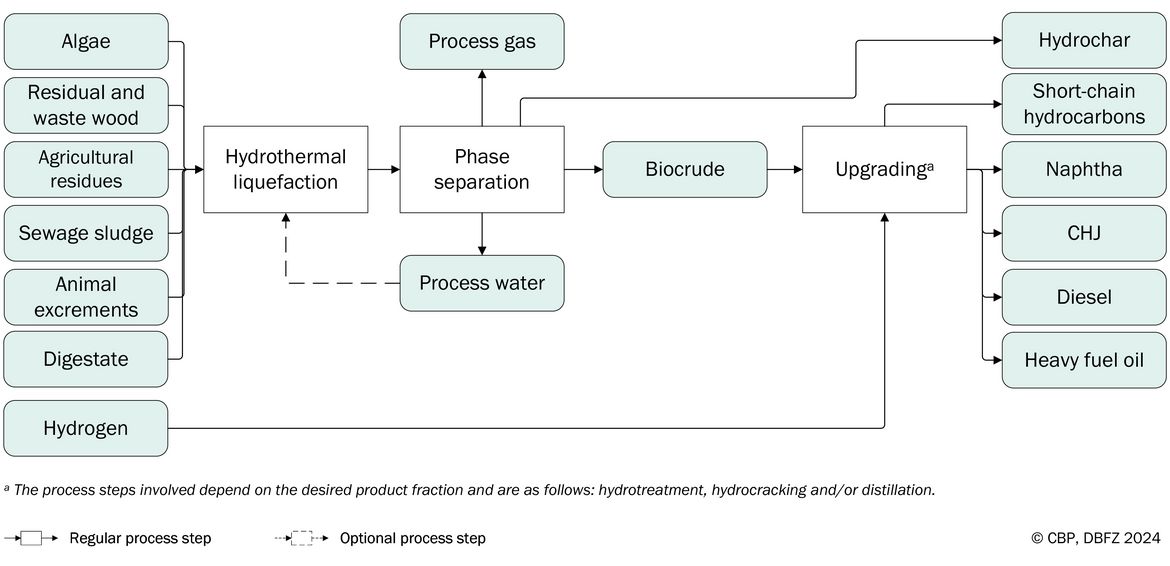
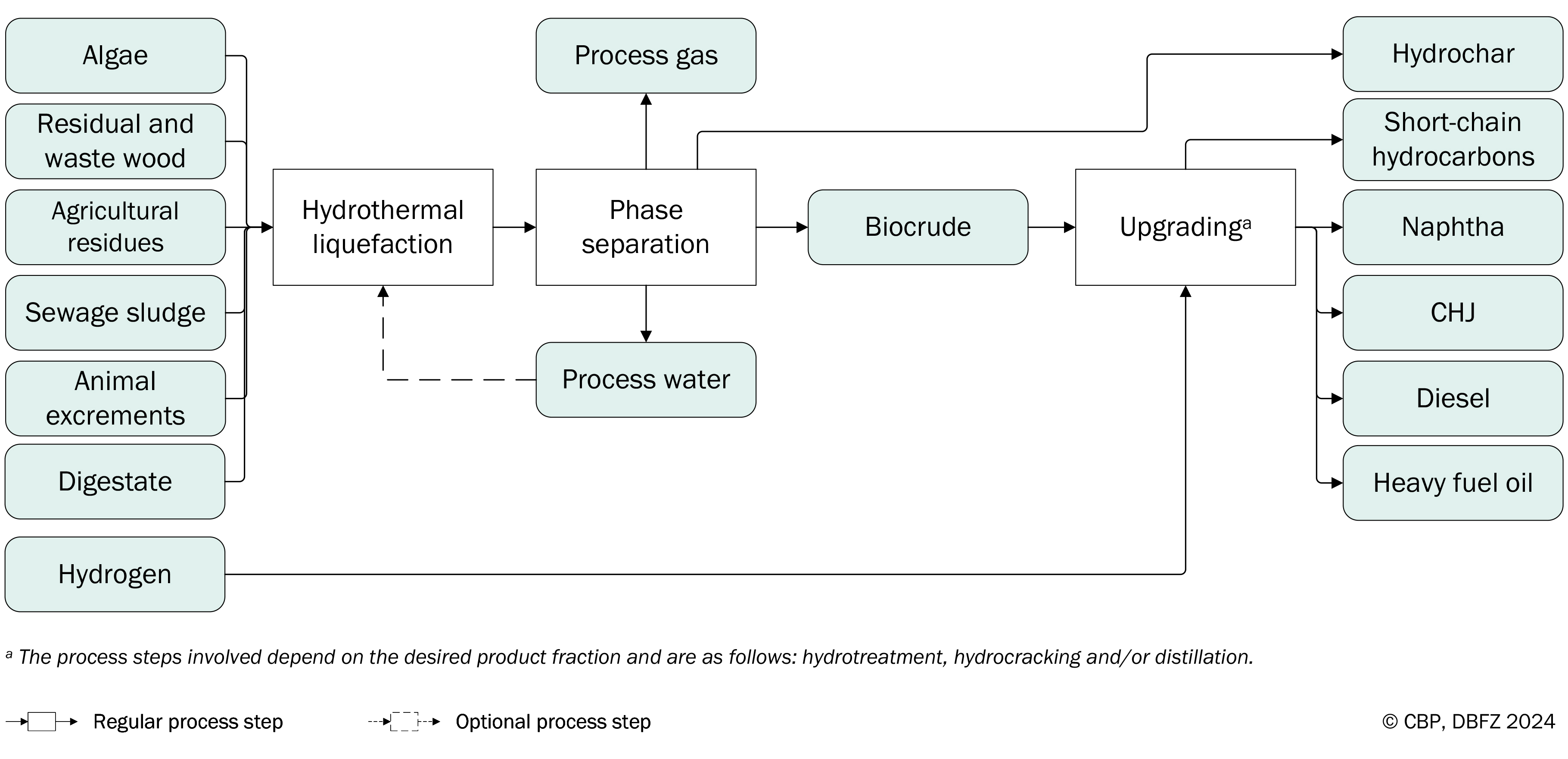
Schematic depiction of a process route for the provision of HTL fuels

Fig. 4-17 on page 71

Download [JPG, 1 MB]

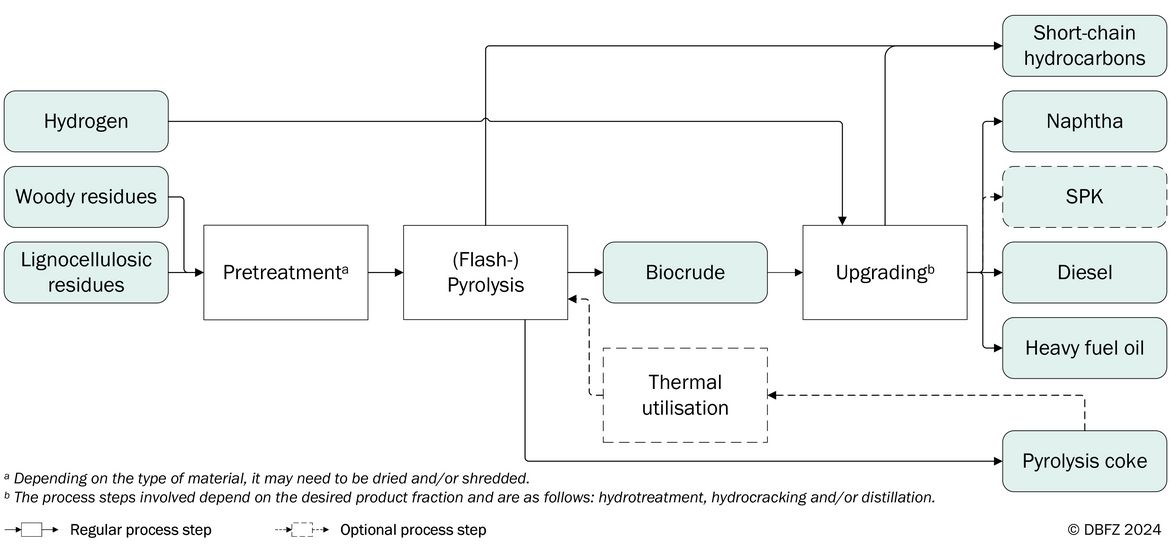
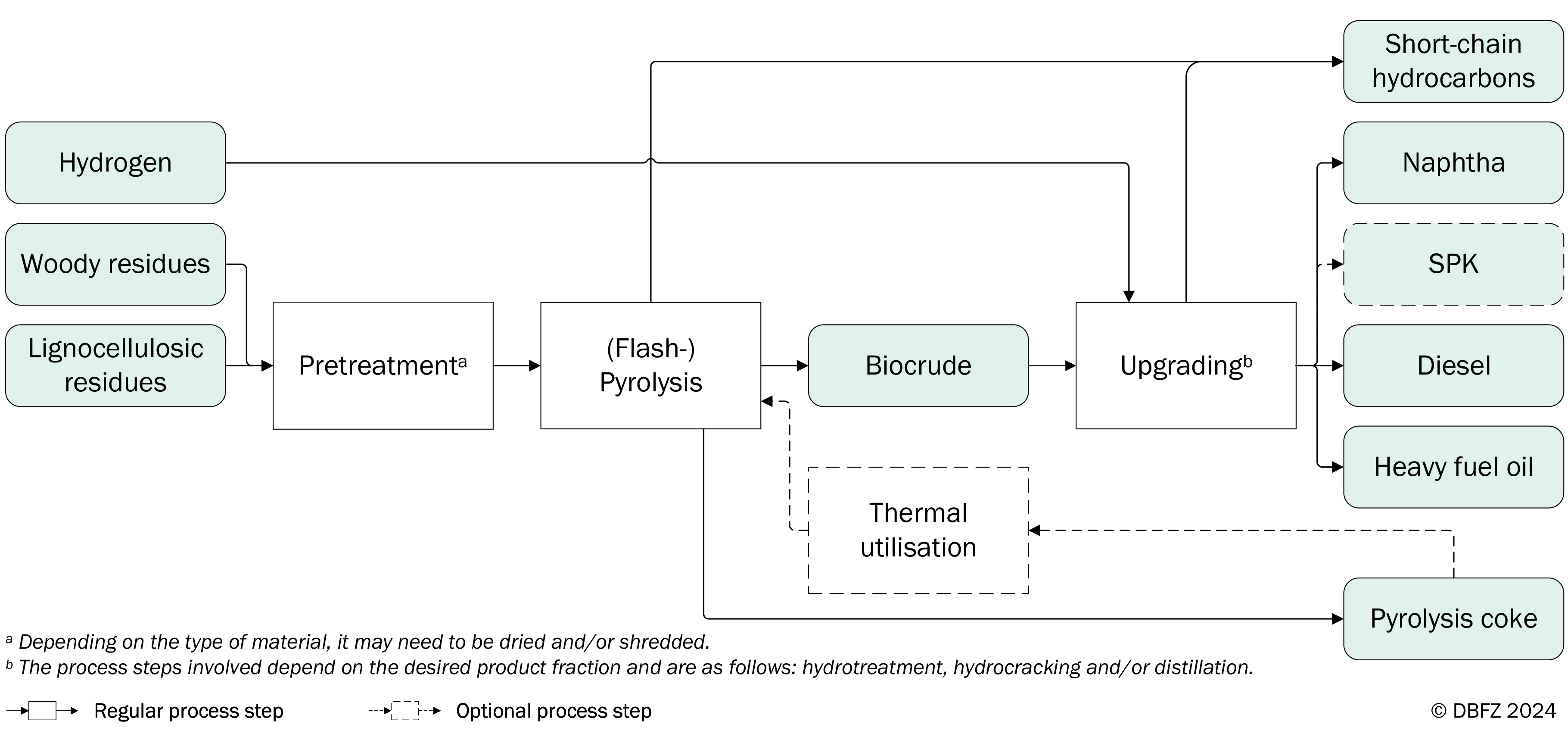
Schematic representation of process routes for the provision of pyrolysis biocrude and downstream products

Fig. 4-18 on page 72

Download [JPG, 1 MB]

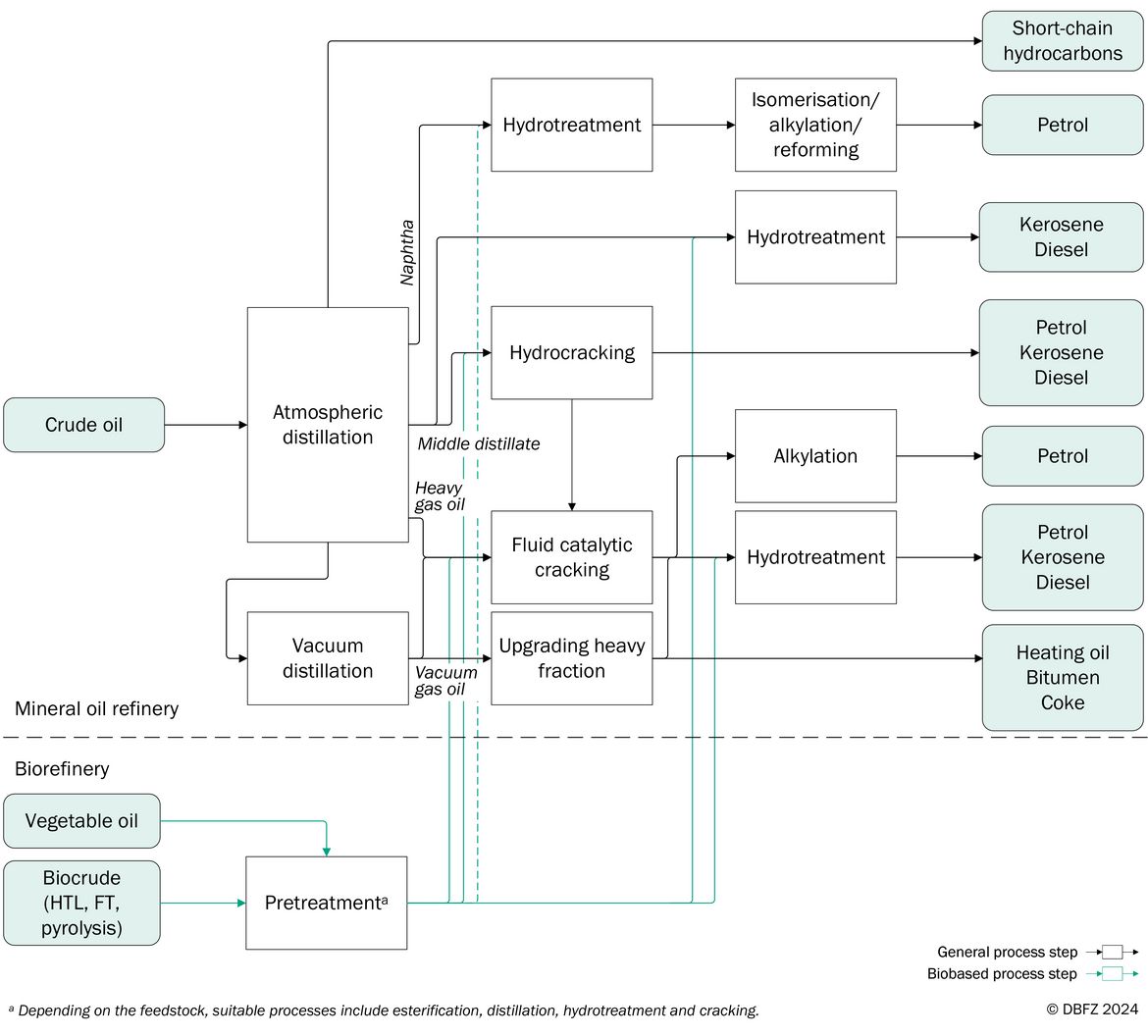
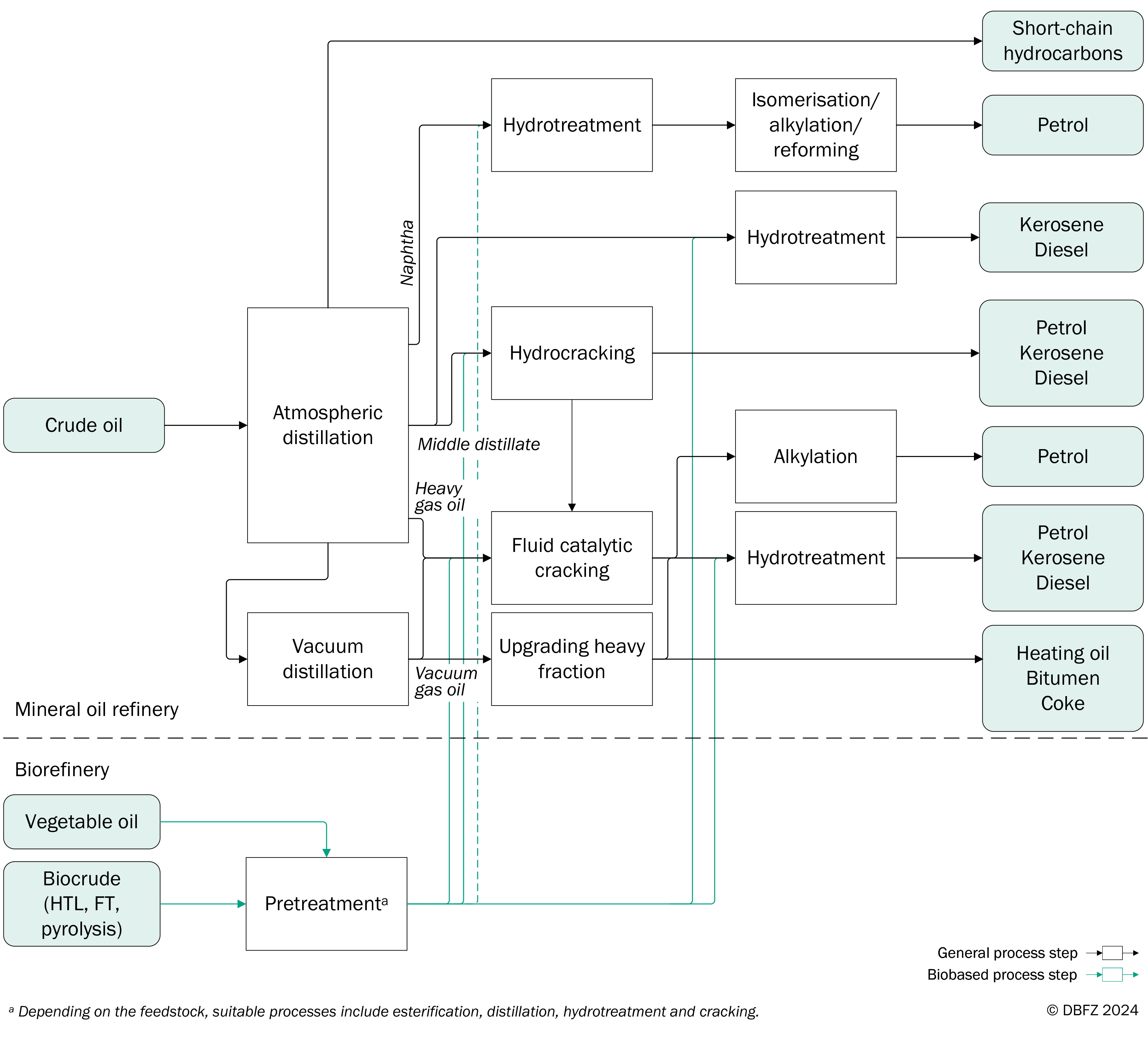
Potential locations of co-refining of biogenic resources in fossil refineries, highly simplified example illustration with a focus on fuel production

Fig. 4-19 one page 74

Download [JPG, 1,6 MB]

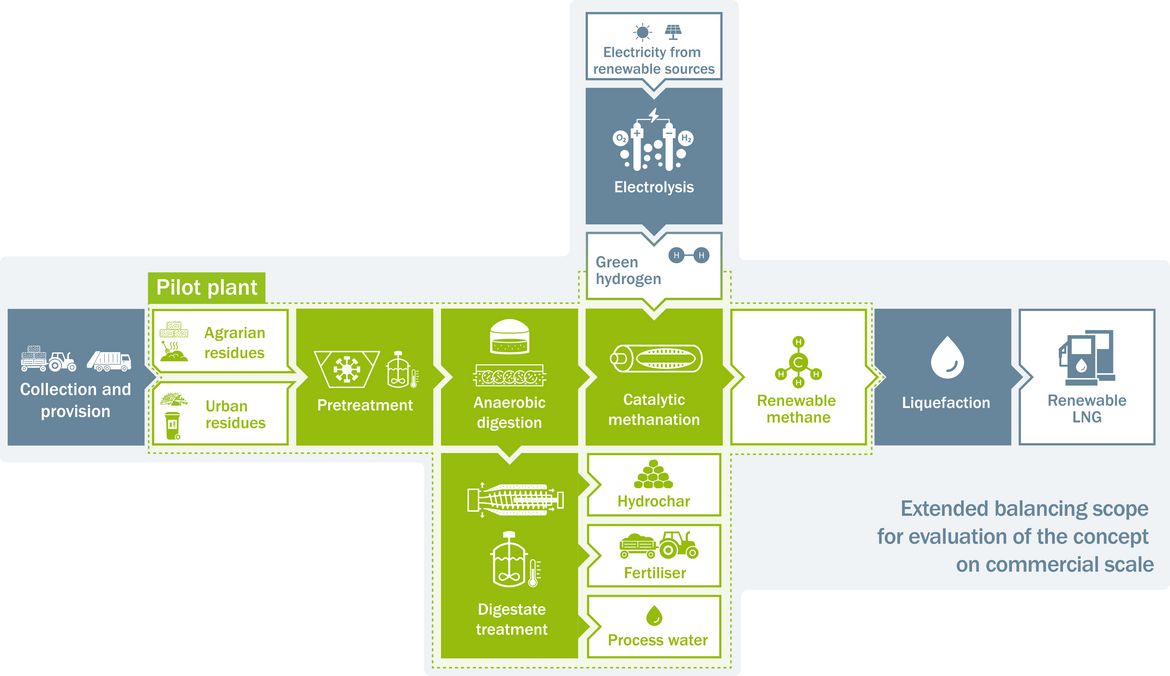
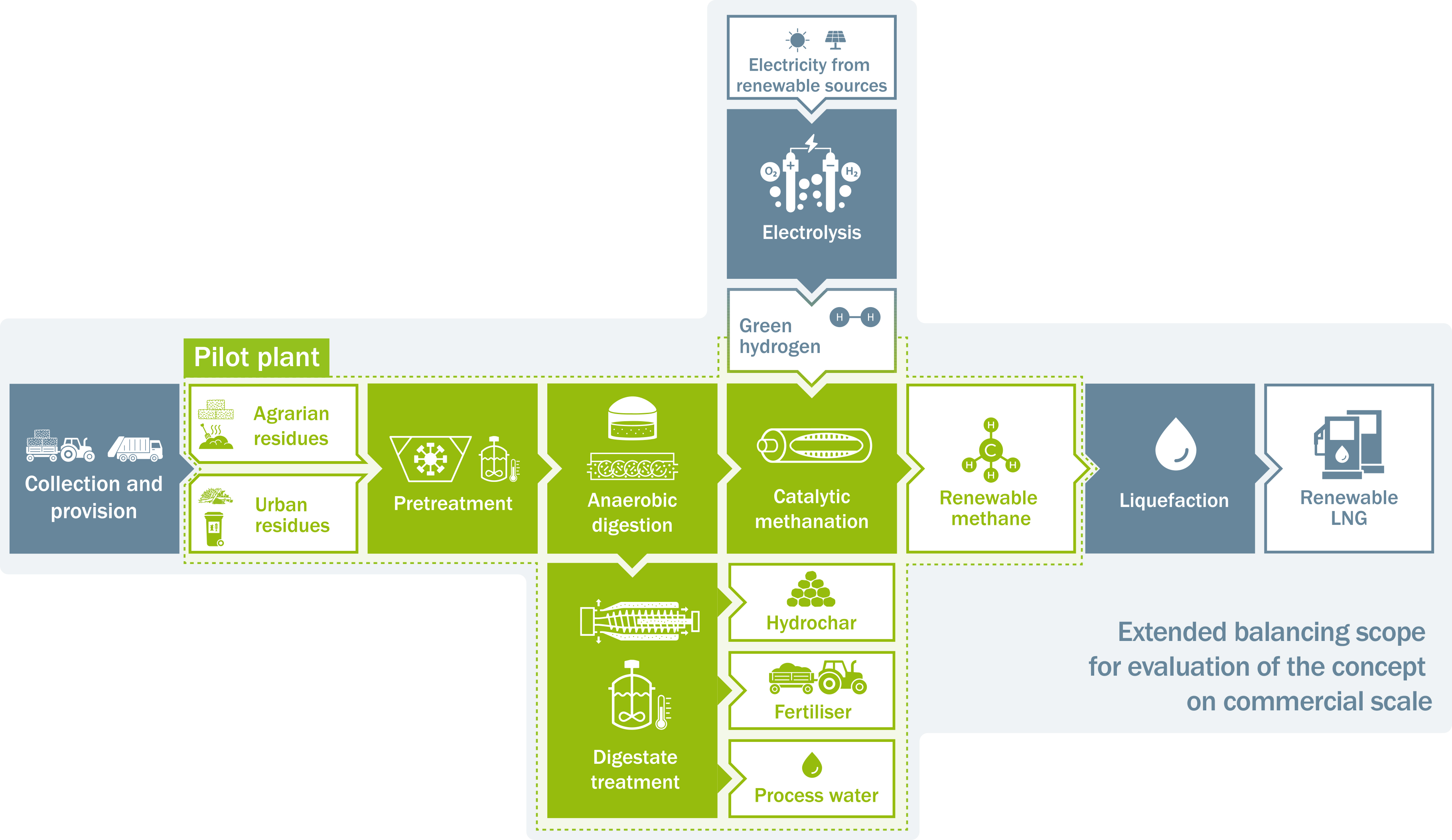
Schematic depiction of the process route for the provision of renewable methane in the pilot plant of the ‘Pilot SBG’ project

Fig. 4-20 on page 75

Download [JPG, 1,5 MB]

Chapter 5: Resources and their mobilisation

When using the illustrations in Chapter 1, please cite them as follows:

Naumann, K.; Cyffka, K.-F.; Costa de Paiva, G.; Nieß, S.; Neuling, U.; Zitscher, T. (2026): Resources and their mobilisation. In: Schröder, J.; Görsch, K. (eds.): Renewable Energies in Transport. Monitoring Report. pp. 77-100. Leipzig: DBFZ. ISBN: 978-3-949807-36-7. DOI: 10.48480/45hp-x131
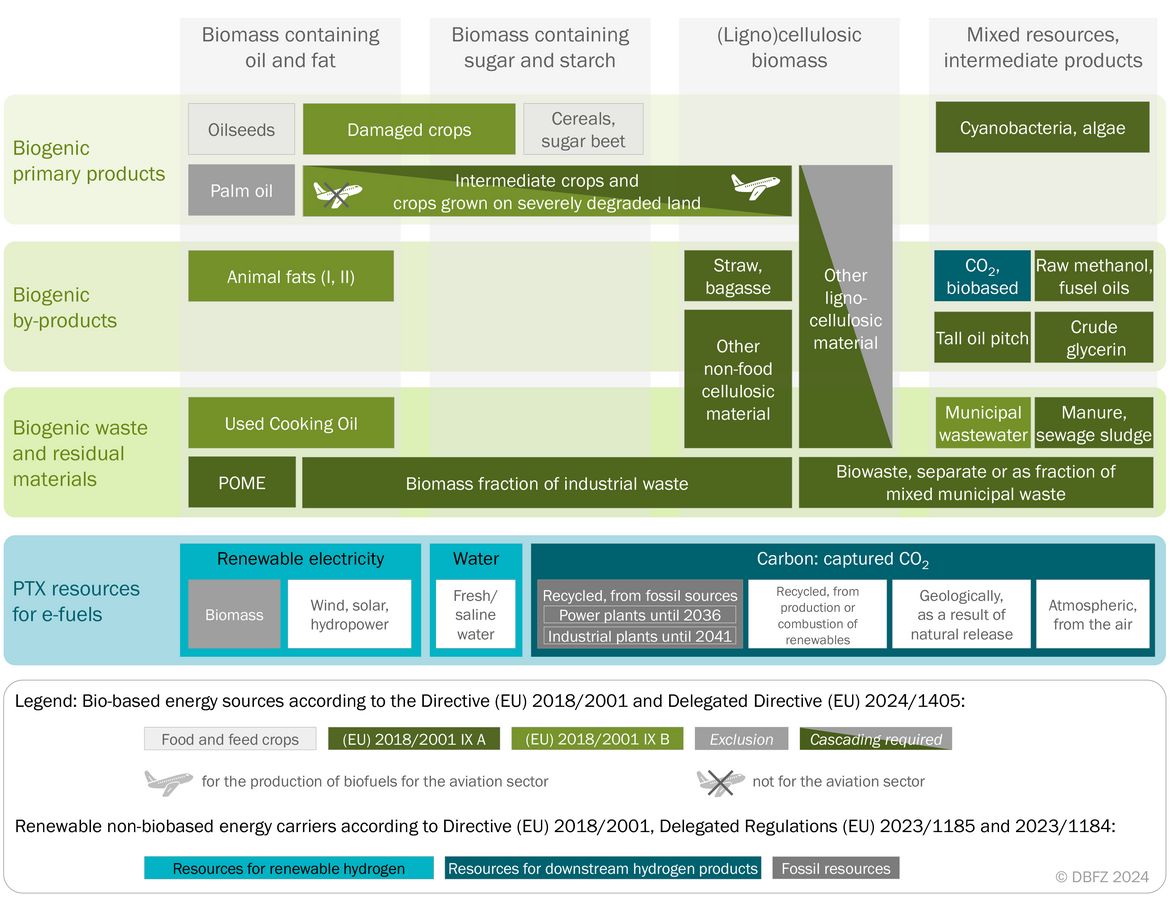
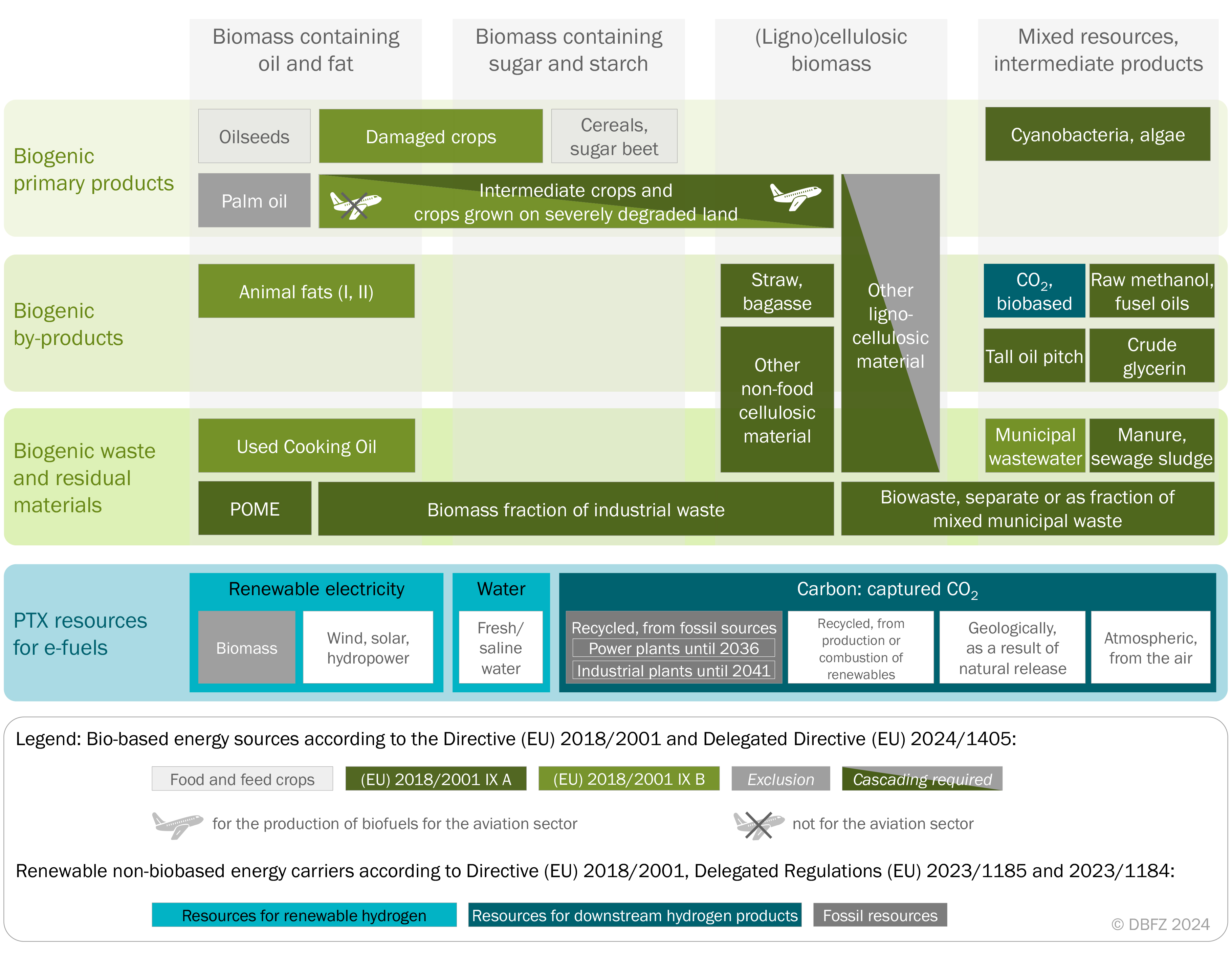
Resources for the production of renewable fuels

Fig. 5-1 on page 78

Download [JPG, 2,4 MB]

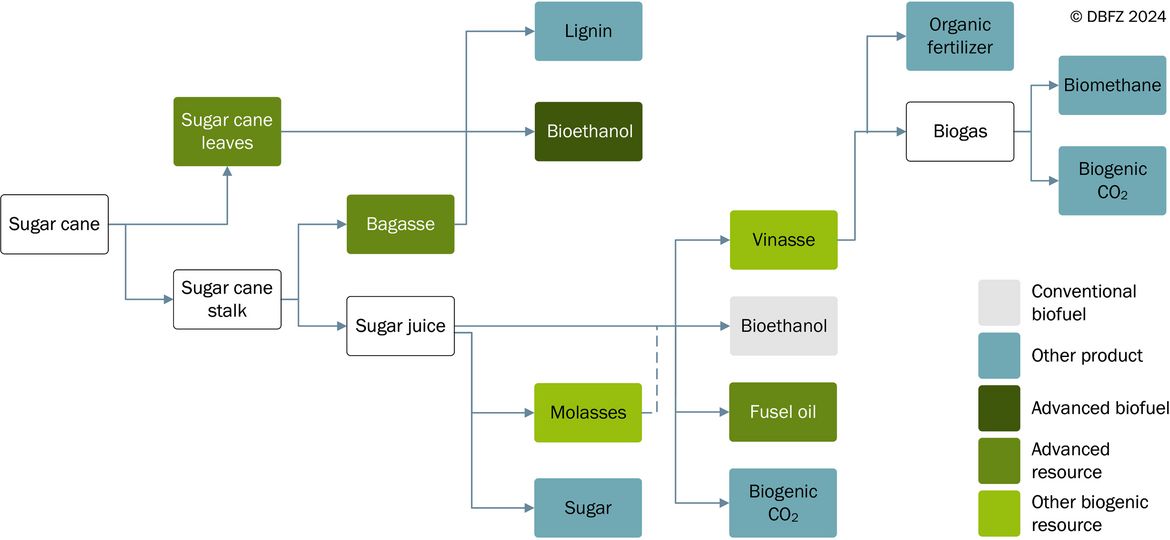
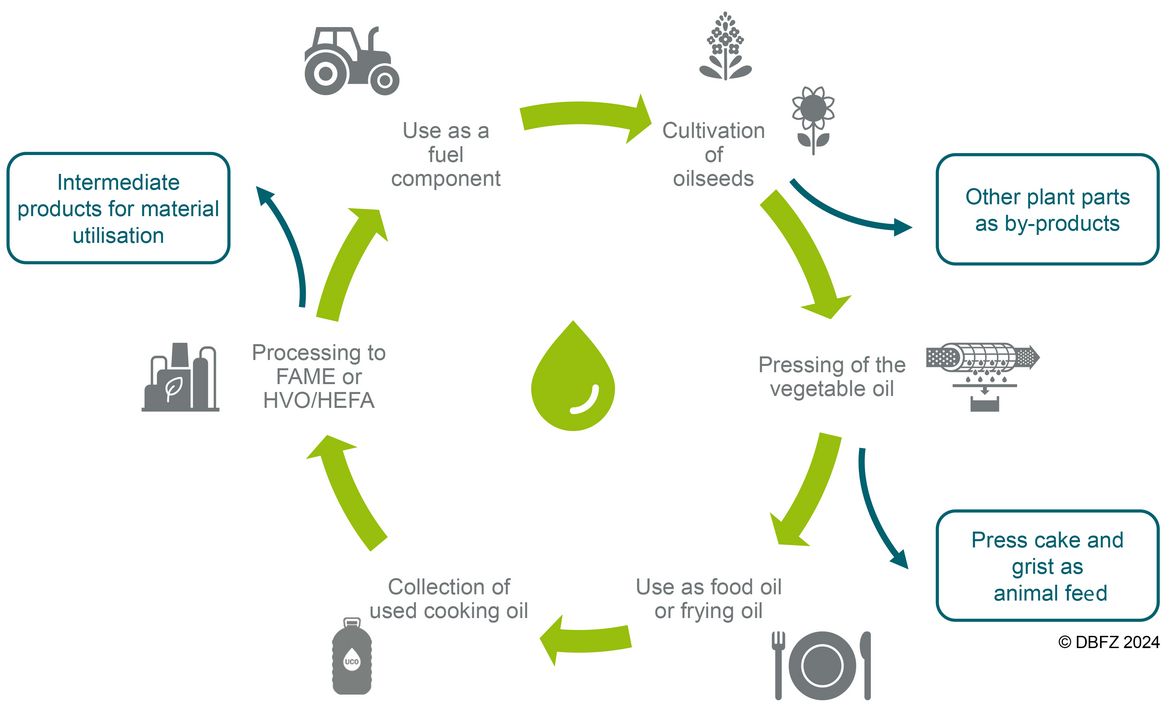
Multi-product-system using the example of sugar cane utilisation

Fig. 5-2 on page 80

Download [JPG, 875 KB]

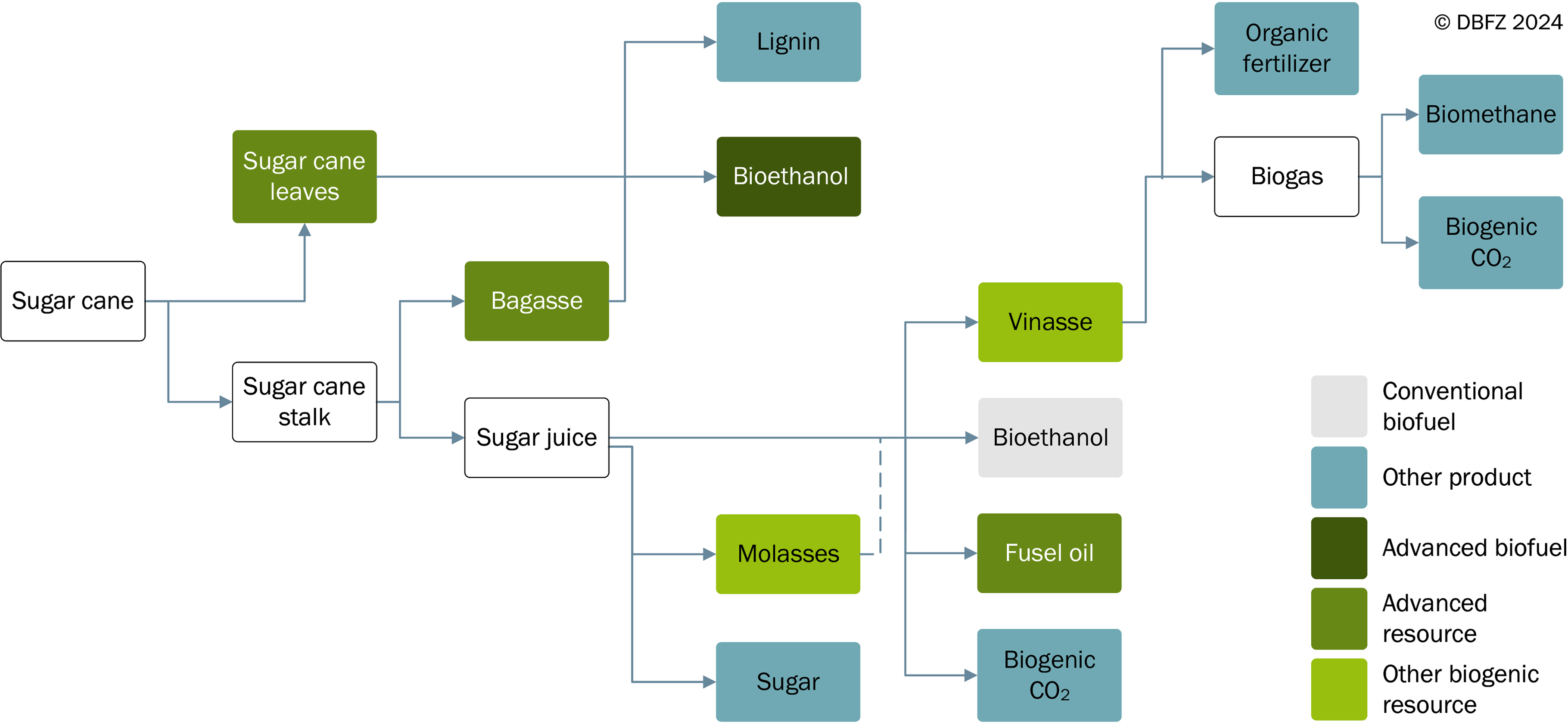
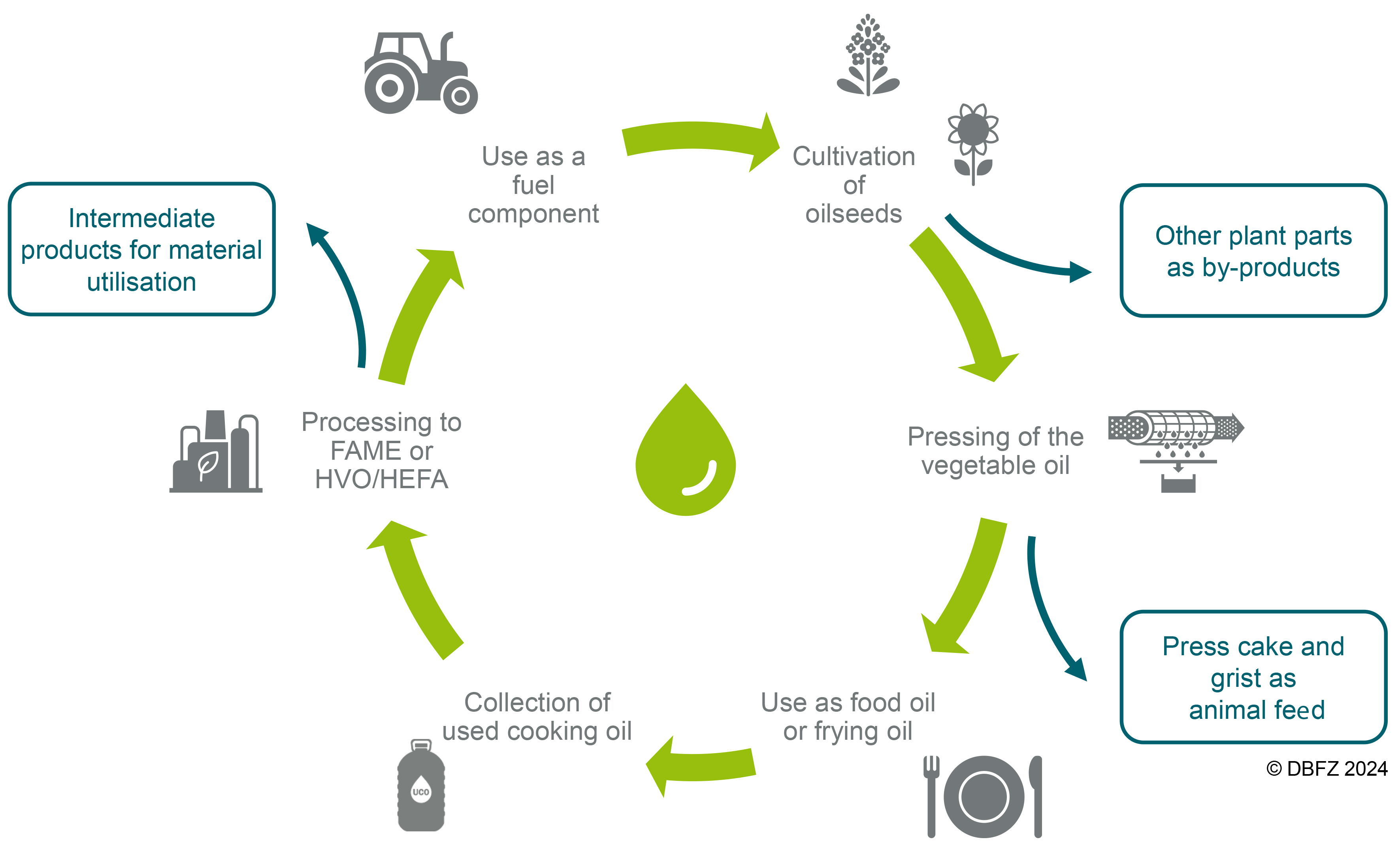
Circular economy using the example of vegetable oil

Fig. 5-3 on page 81

Download [JPG, 1,2 MB]

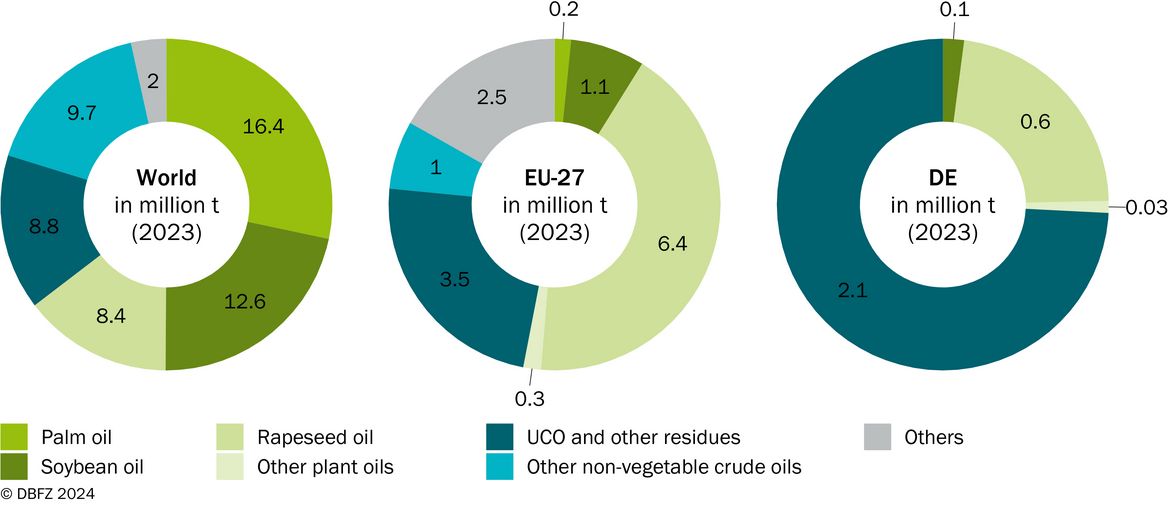
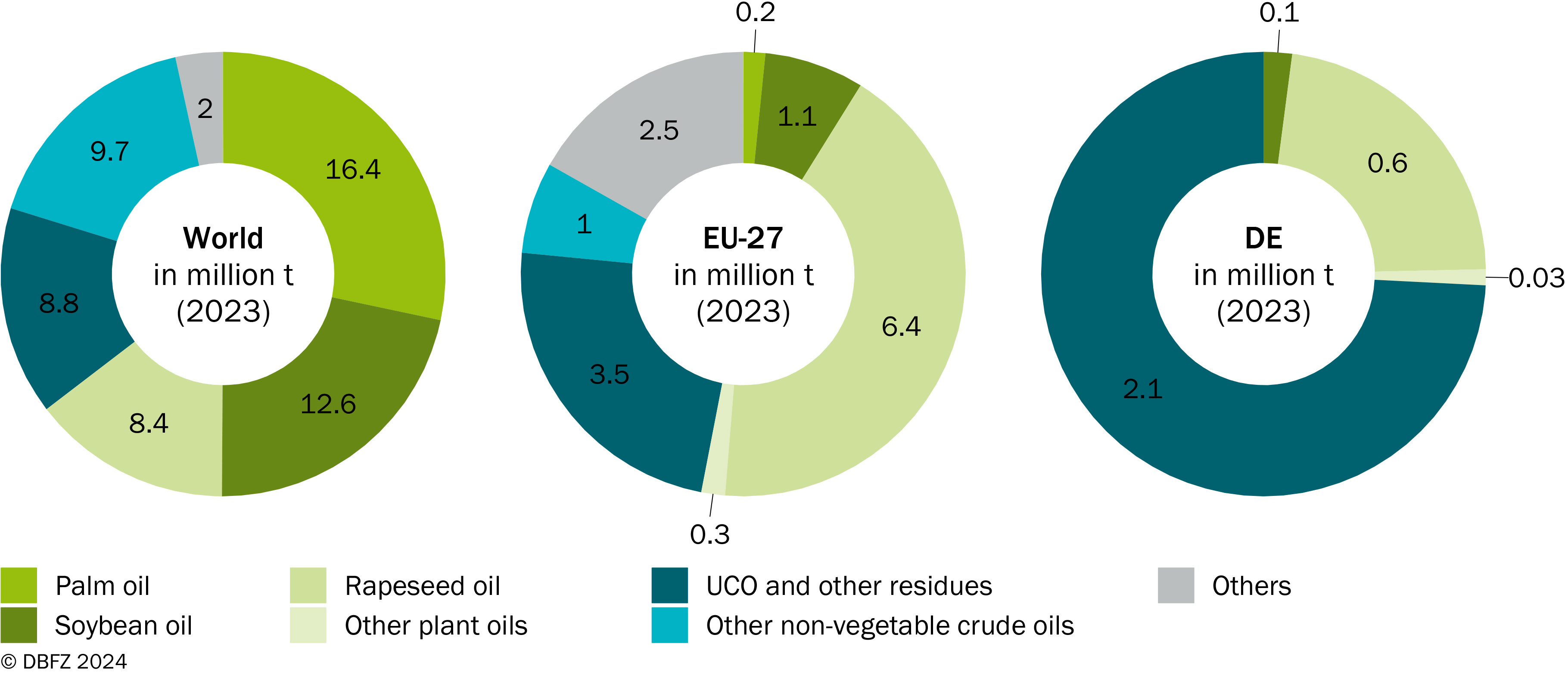
Resources for utilisation (Germany) and production (Europe, worldwide) of FAME and HVO diesel in 2023

Fig. 5-4 on page 82

Download [JPG, 1,2 MB]

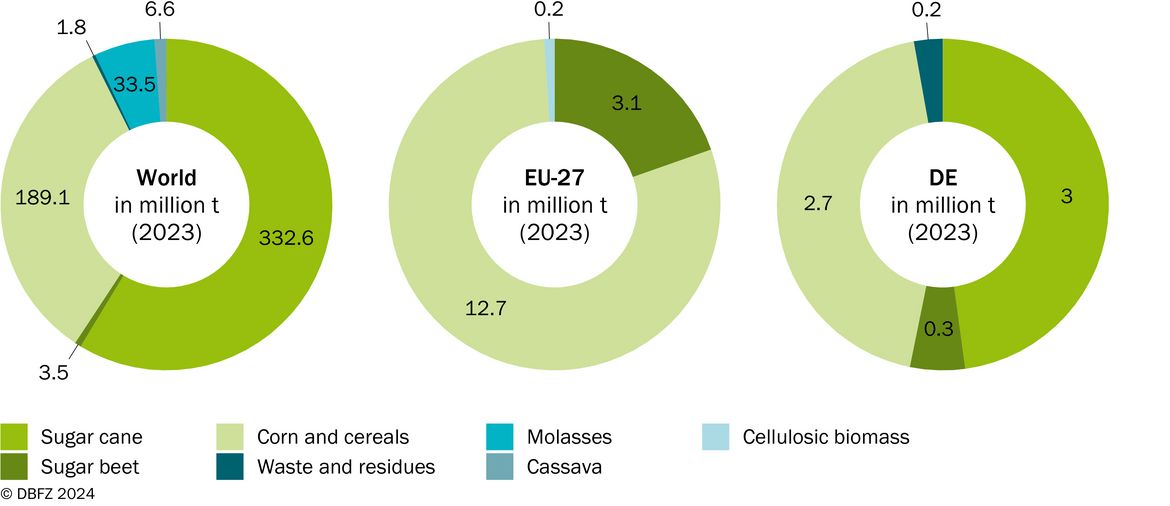
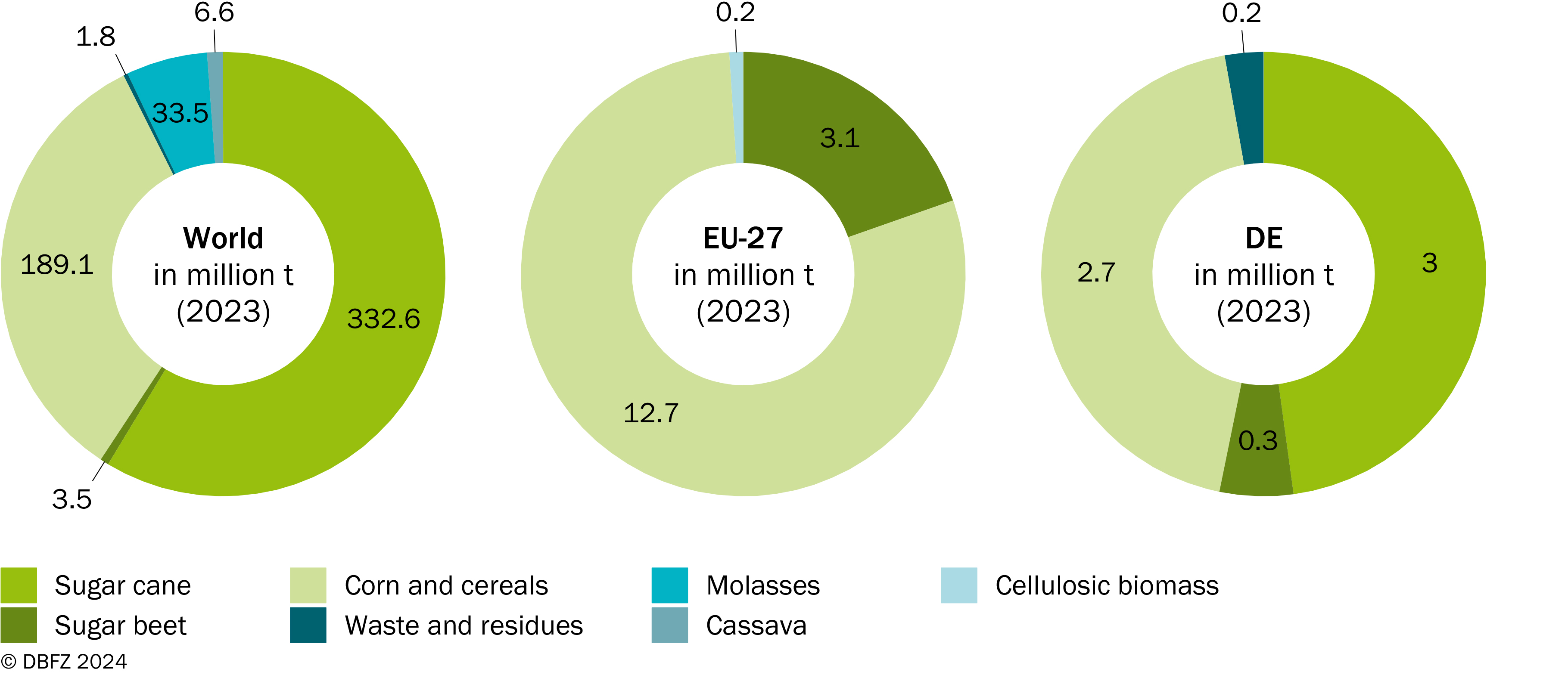
Resources for the utilisation (Germany) and production (Europe, worldwide) of bioethanol in 2023

Fig. 5-5 on page 83

Download [JPG, 802 KB]

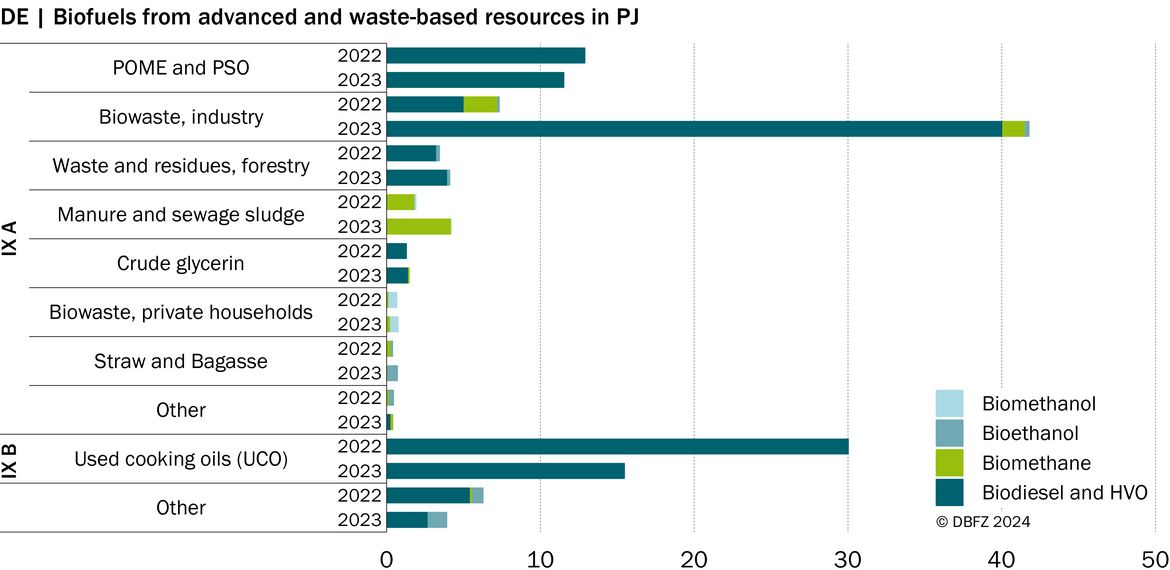
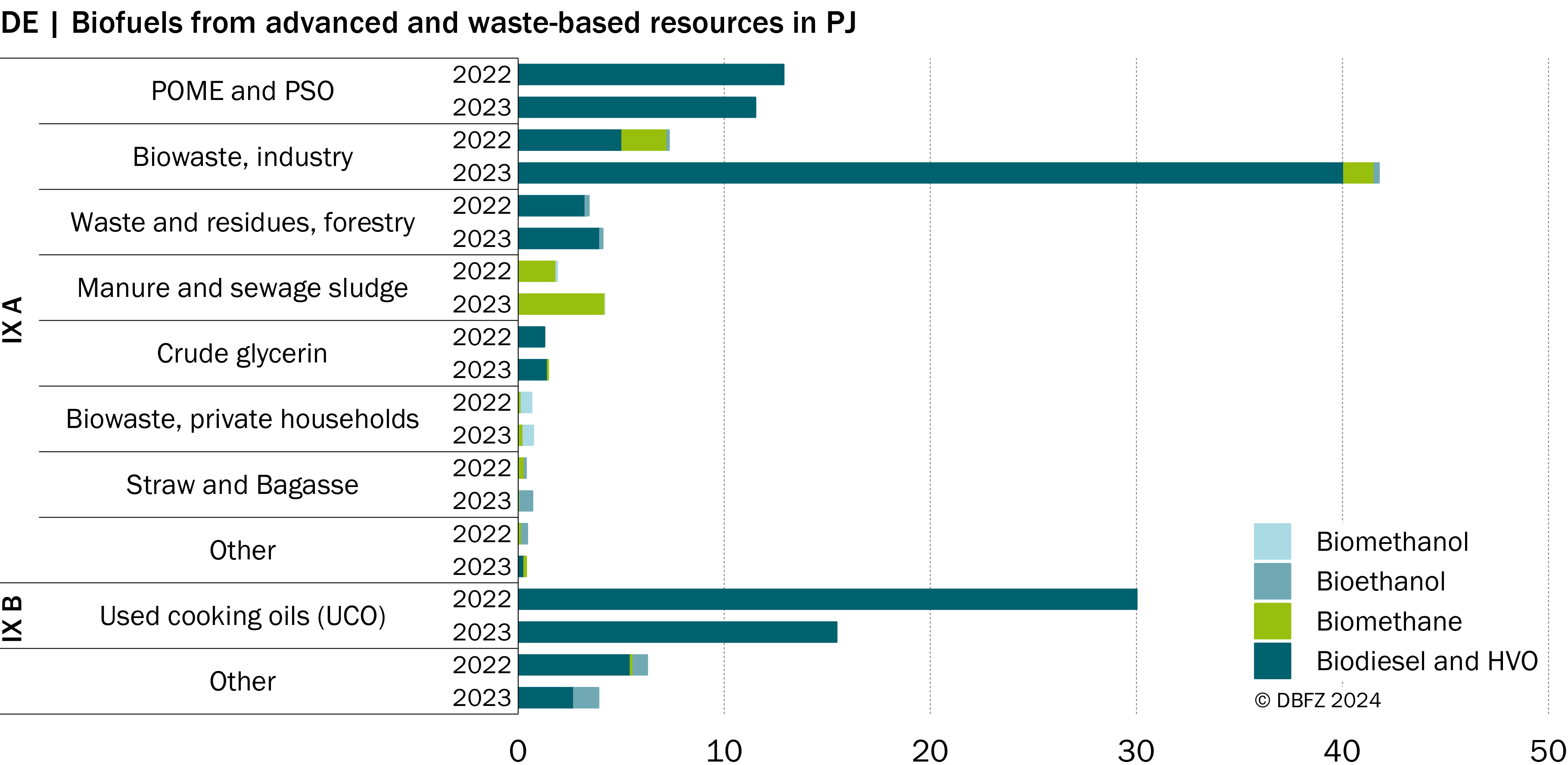
Biofuels from advanced and waste-based resources, used as fuel in Germany in 2022 and 2023 in PJ

Fig. 5-6 on page 83

Download [JPG, 1 MB]

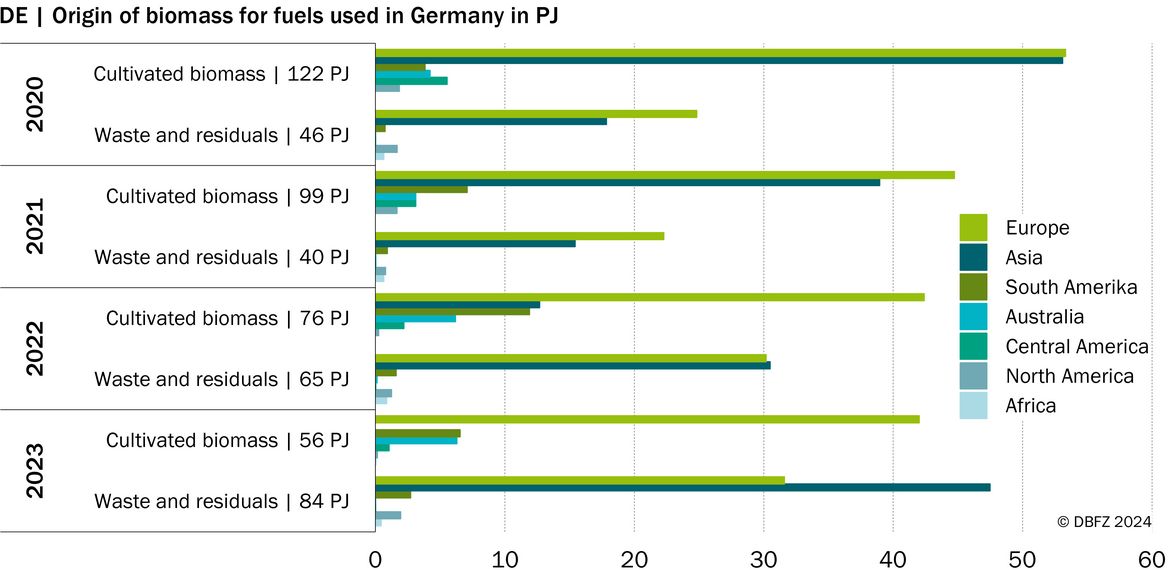
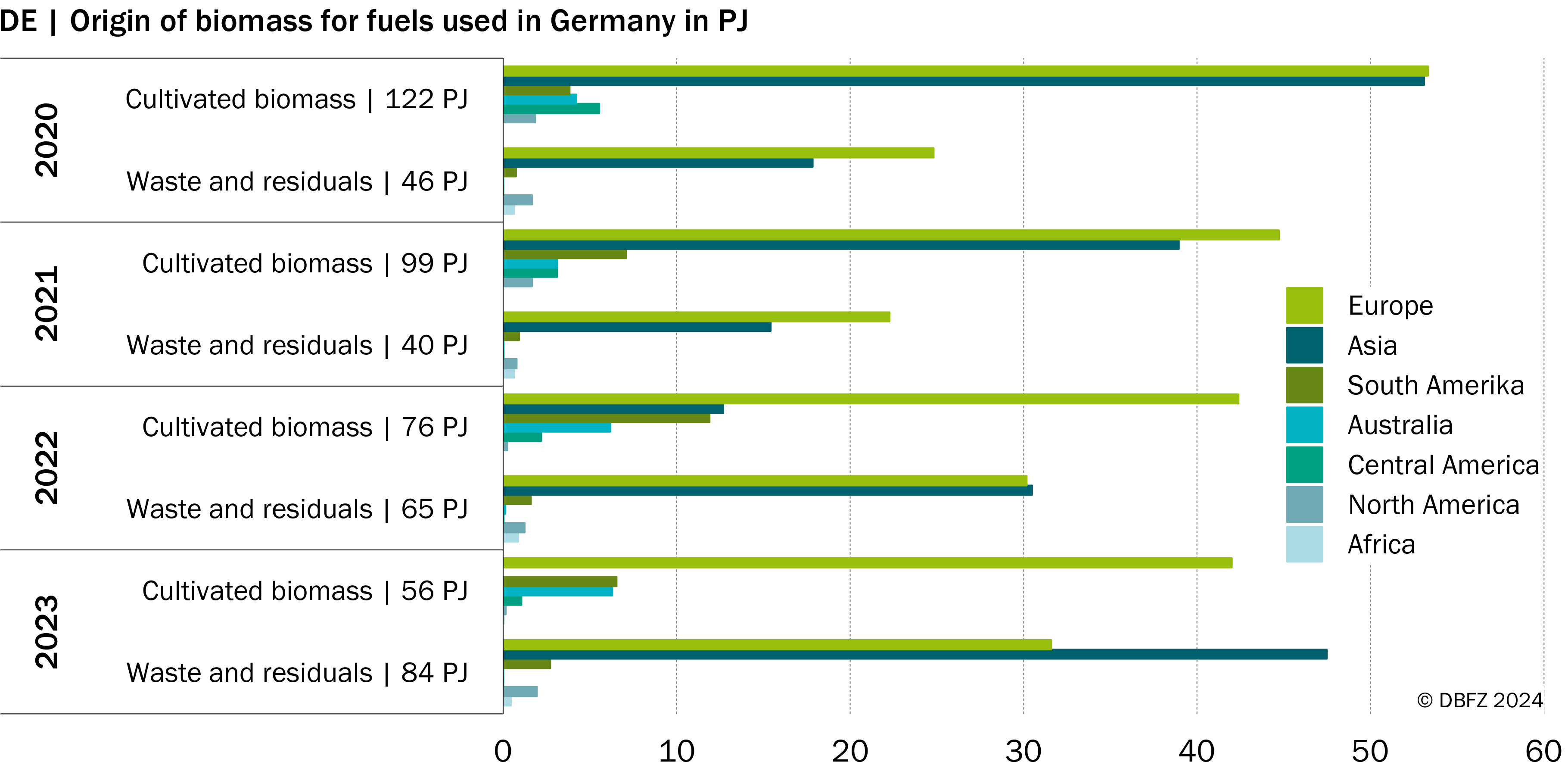
Origin of biomass for fuels used in Germany in the years 2020 to 2023 in PJ

Fig. 5-7 on page 84

Download [JPG, 1 MB]

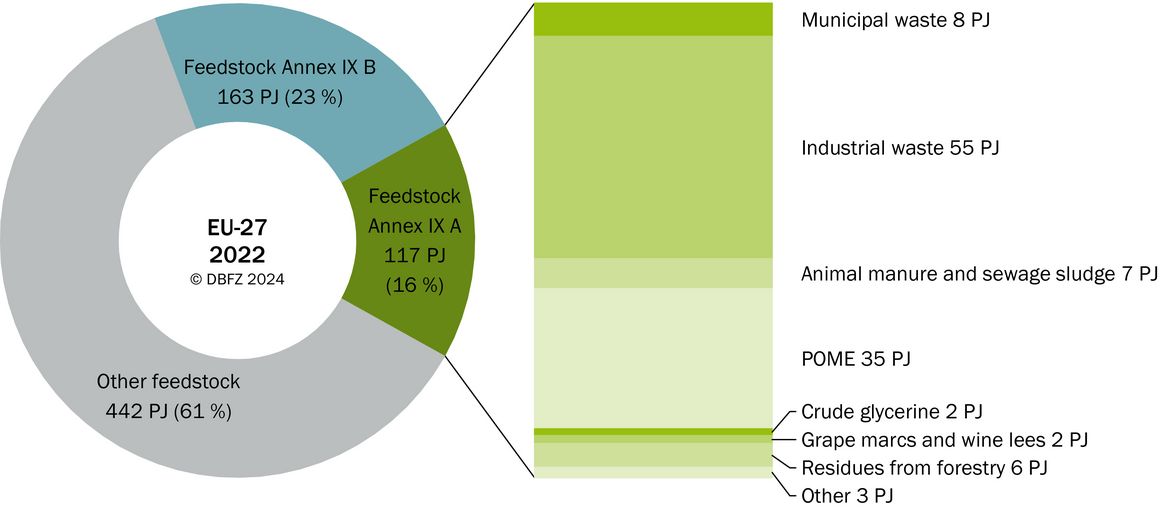
Biofuel consumption by their resource base for the EU 27 in 2022

Fig. 5-8 on page 84

Download [JPG, 795 KB]

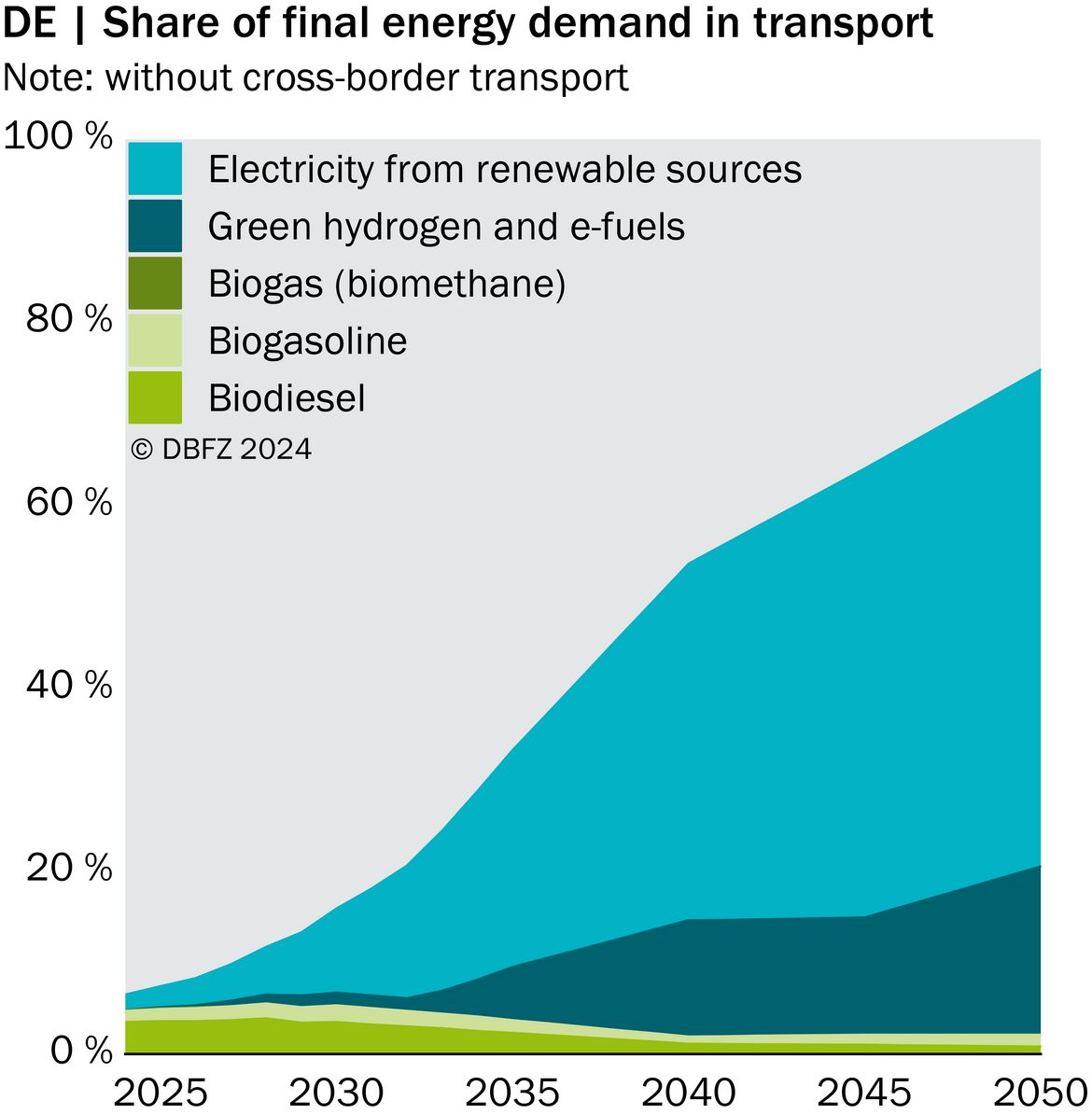
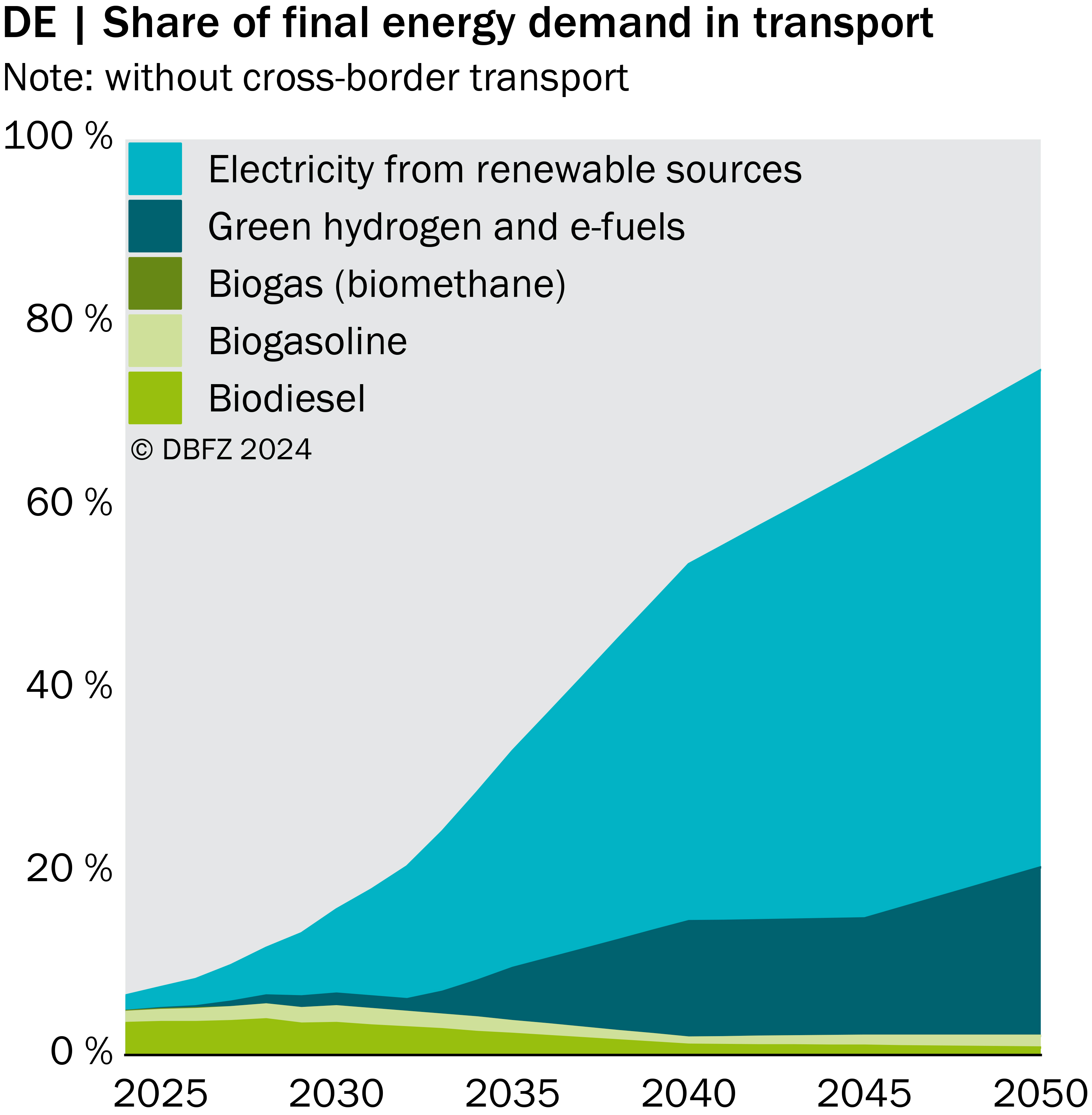
Shares of renewable energy carriers in consumption in the transport sector for the years 2024 to 2050; assumption: exclusively green hydrogen imports

Fig. 5-9 on page 85

Download [JPG, 1,4 MB]

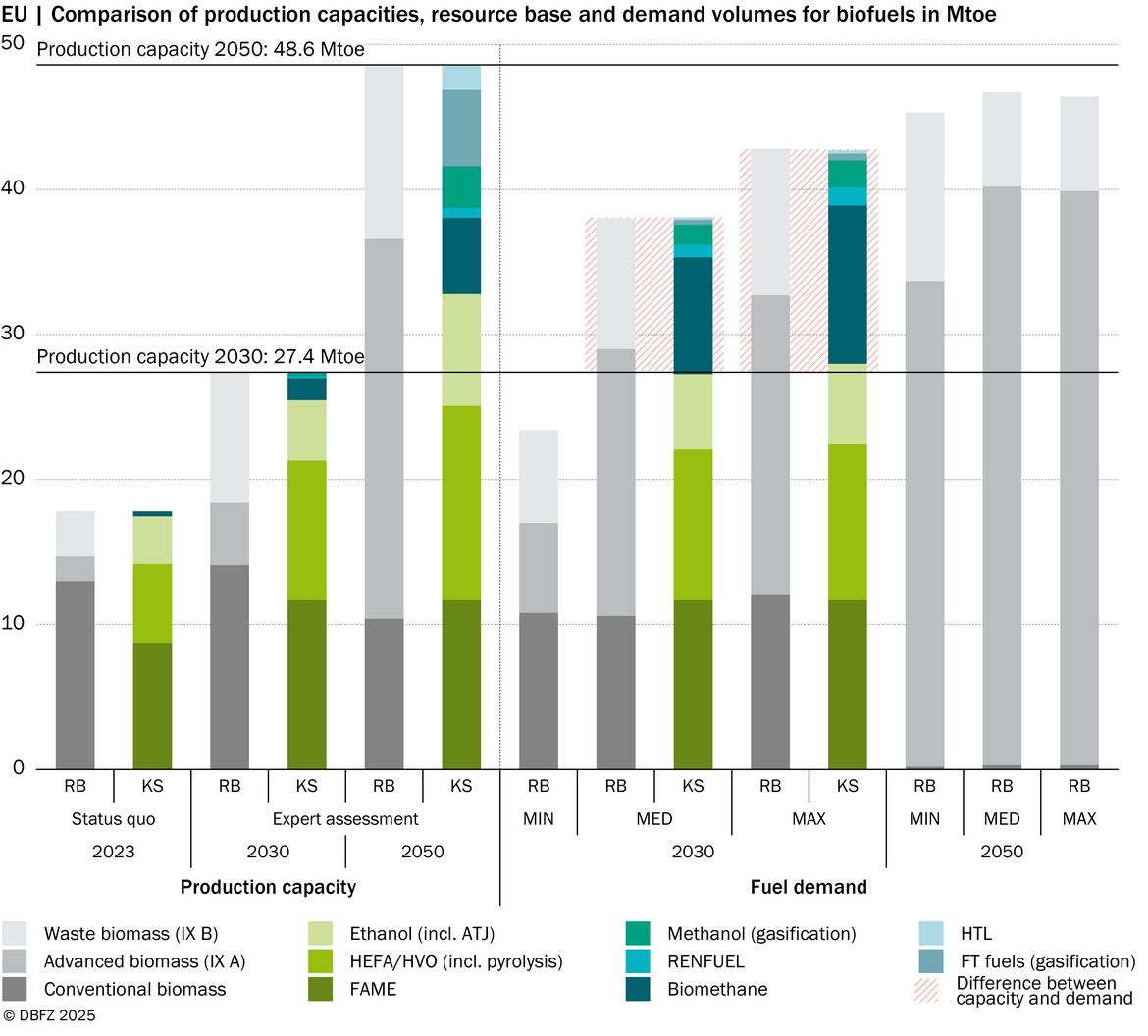
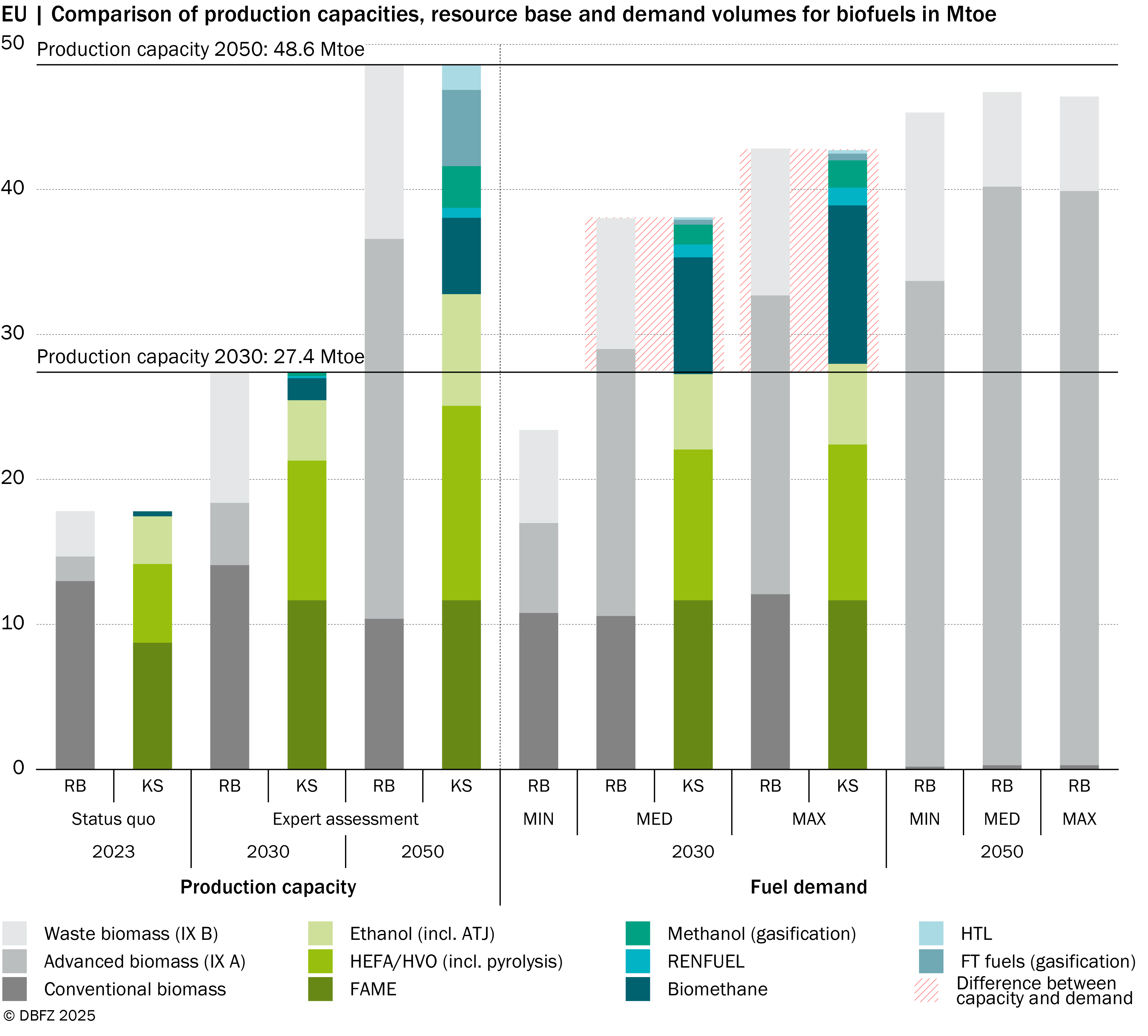
Comparison of production capacities, resource base and demand volumes (scenarios) for biofuels in the EU in 2023, 2030 and 2050

Fig. 5-10 on page 86

Download [JPG, 1,9 MB]

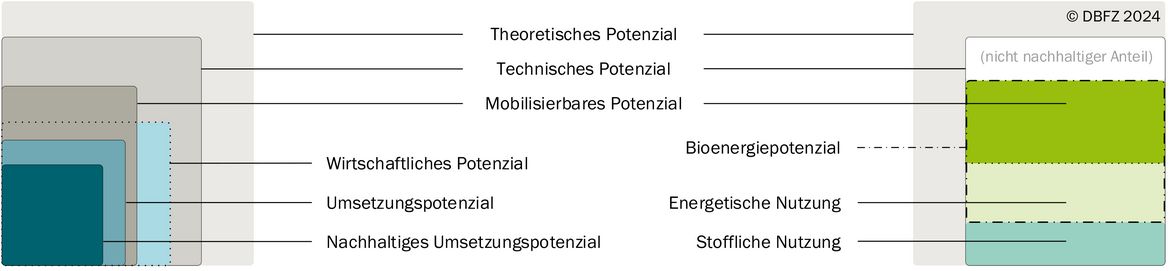
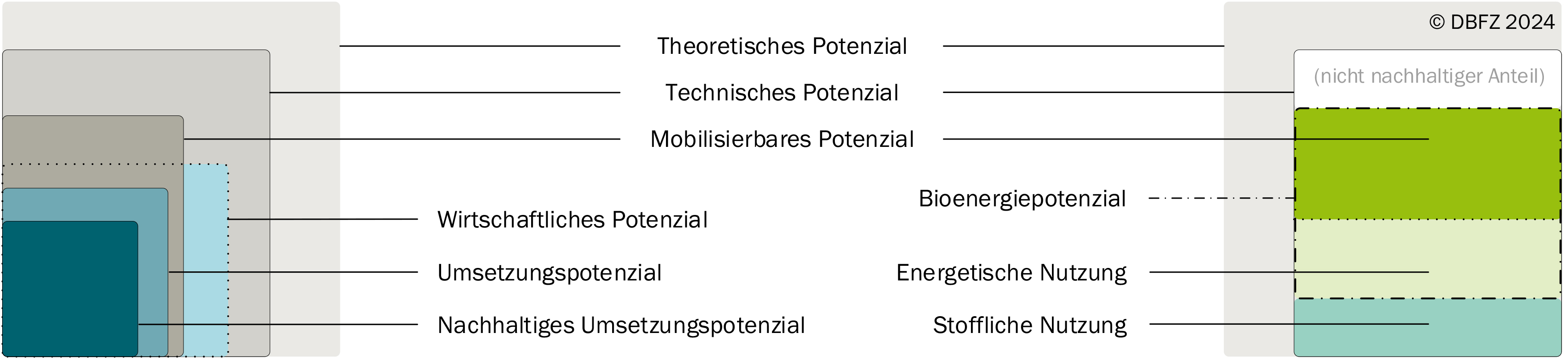
Hierarchy and overlaps of the different categories of resource potentials in general (left) and specifically for biomass (right)

Fig. 5-11 on page 87

Download [JPG, 500 KB]

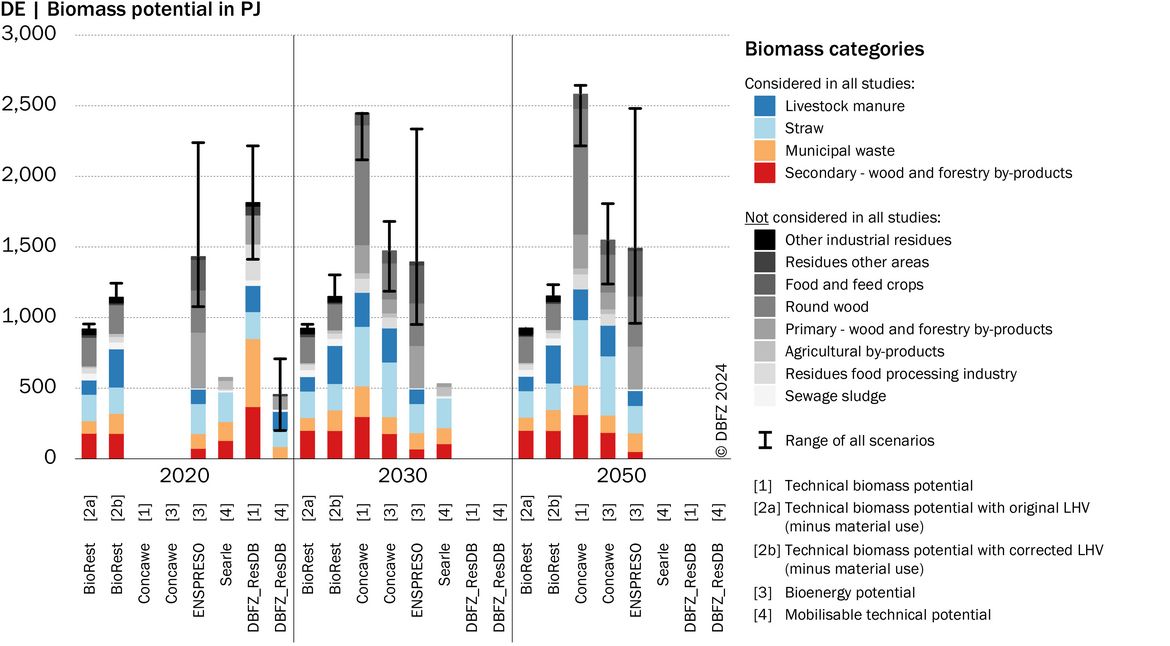
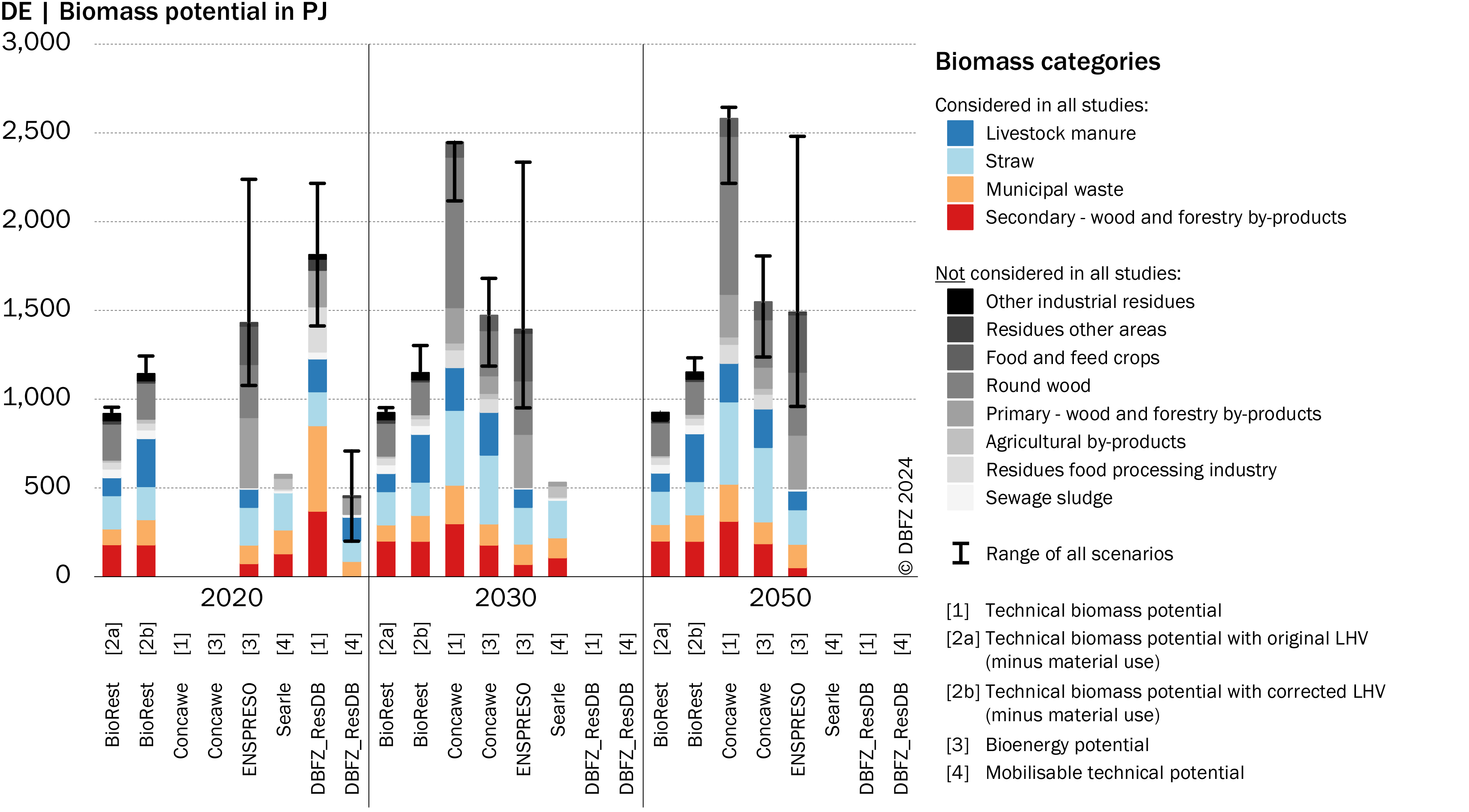
Comparison of biomass potentials for Germany based on different studies

Fig. 5-12 on page 88

Download [JPG, 1,4 MB]

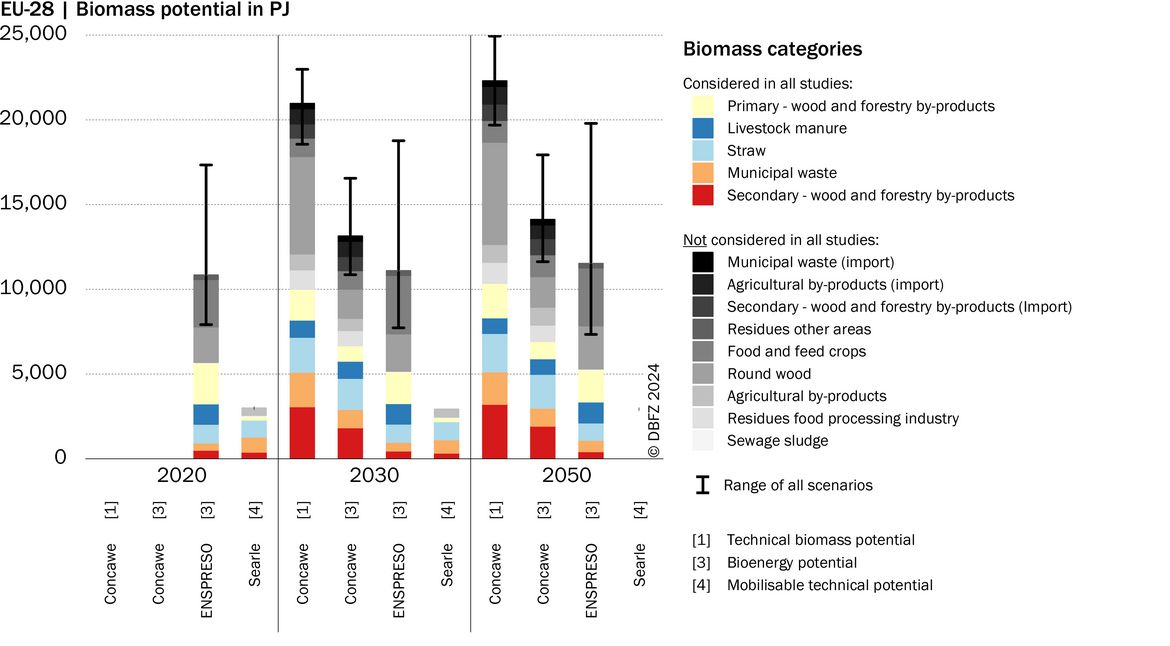
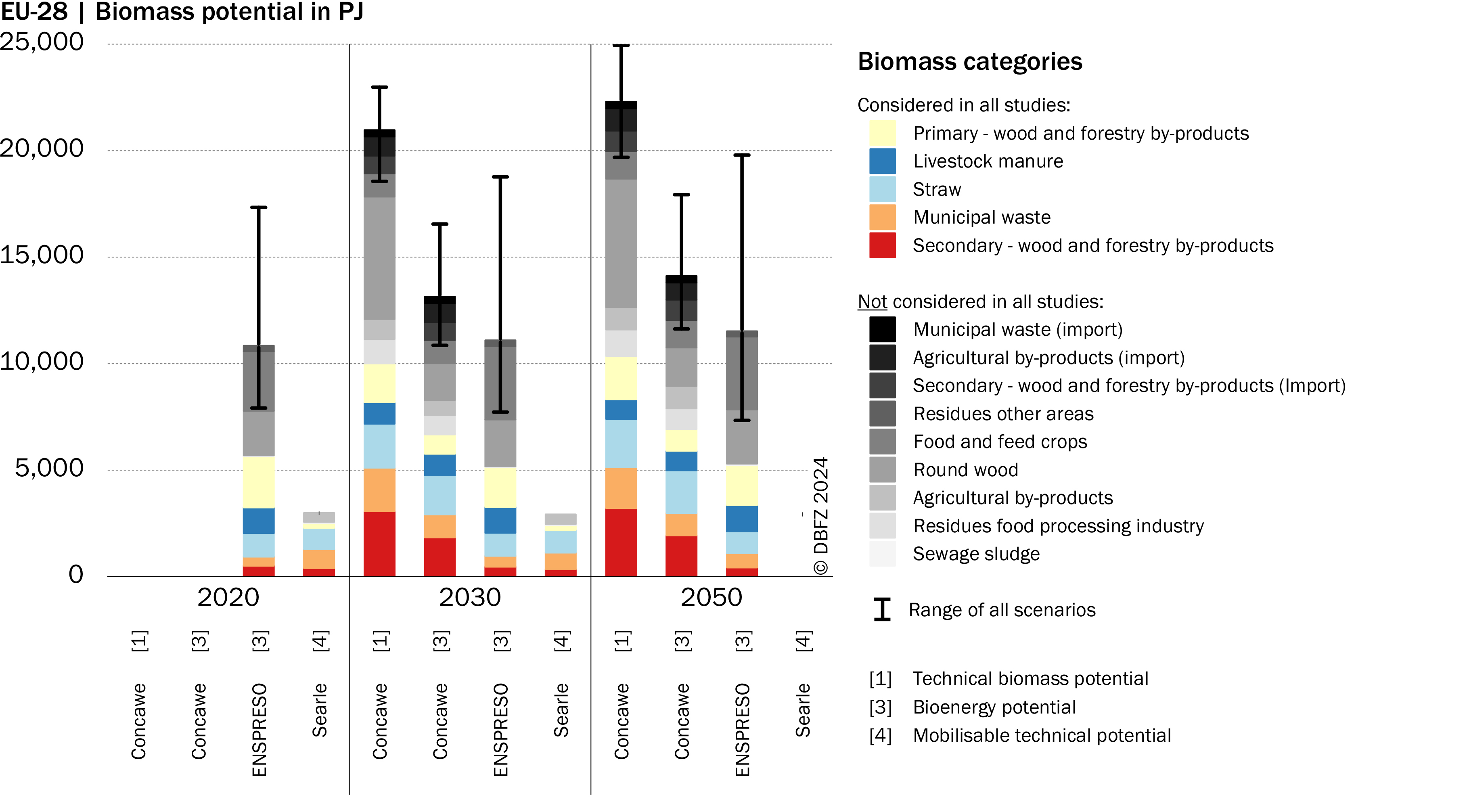
Comparison of biomass potentials for the EU based on different studies

Fig. 5-13 on page 88

Download [JPG, 1,2 MB]

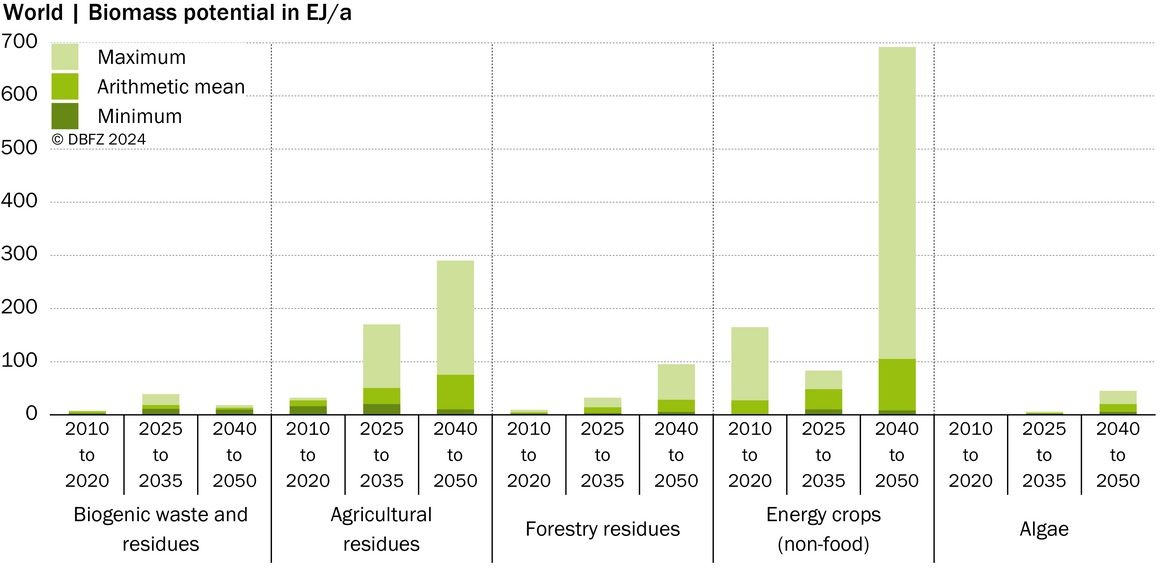
Available bioresource potential broken down according to main feedstock categories worldwide

Fig. 5-14 on page 89

Download [JPG, 1 MB]

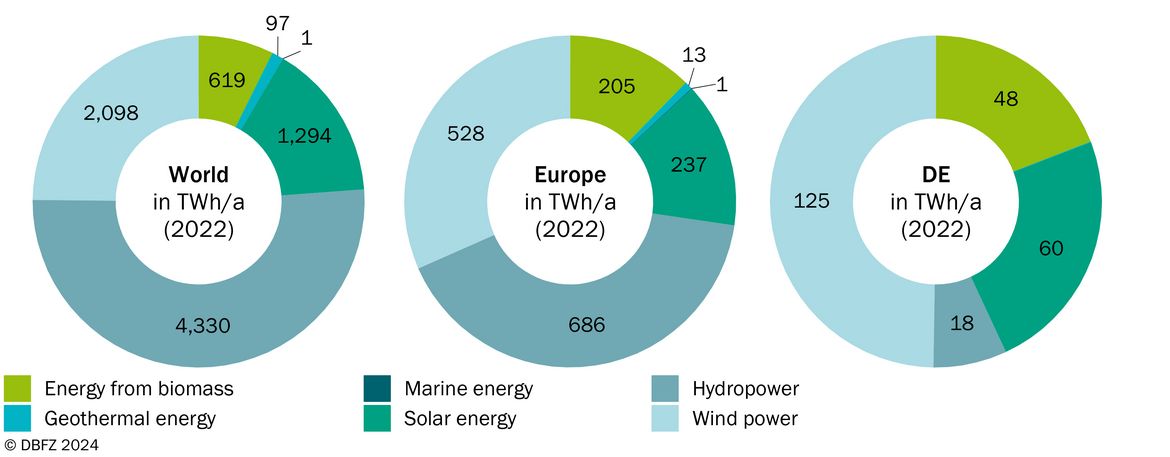
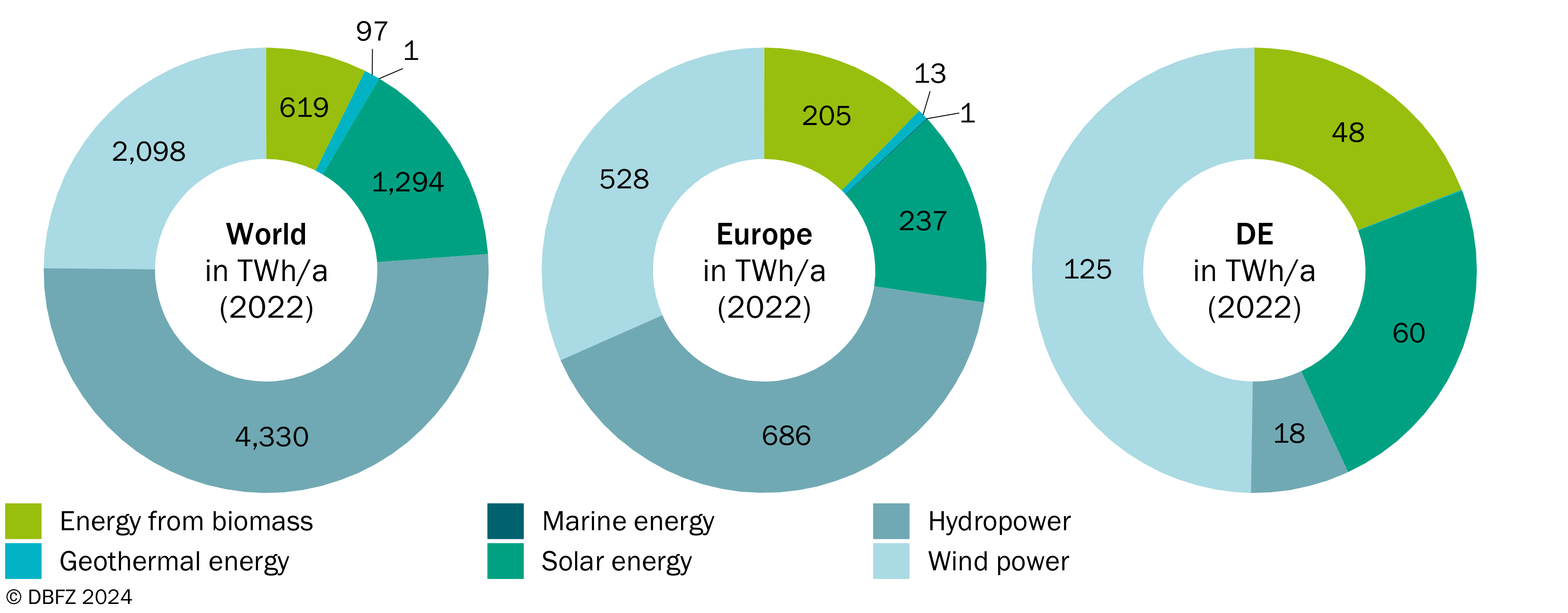
Supply of electrical energy from renewable sources worldwide, Europe and Germany

Fig. 5-15 on page 89

Download [JPG, 800 KB]

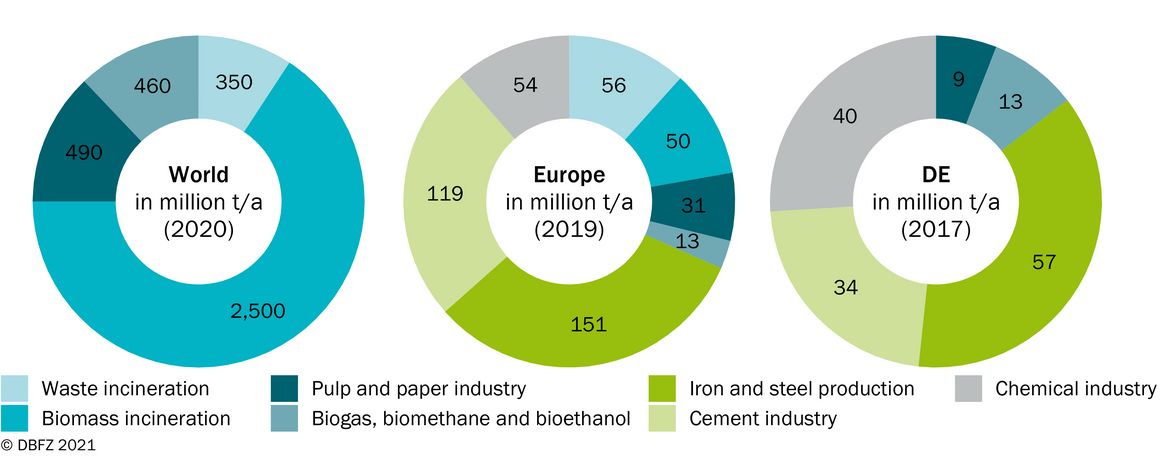
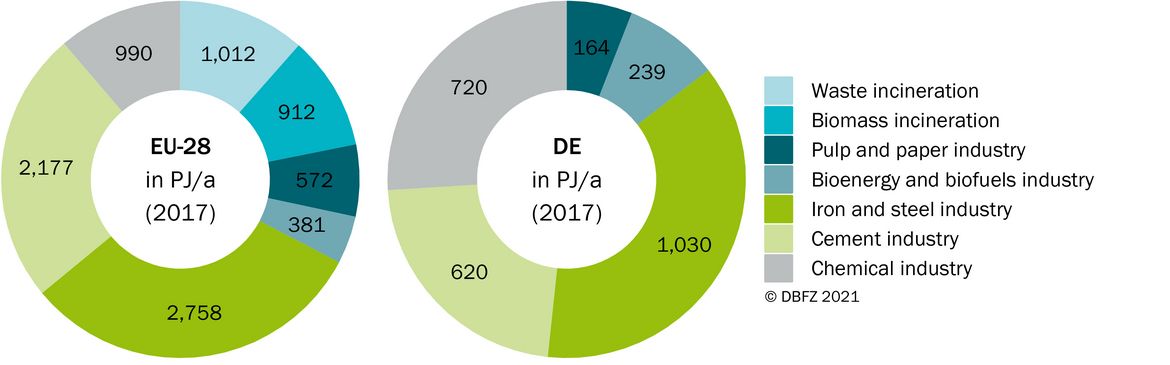
Technical resource potential of CO2 point sources across the globe, in Europe and in Germany

Fig. 5-16 on page 90

Download [JPG, 855 KB]

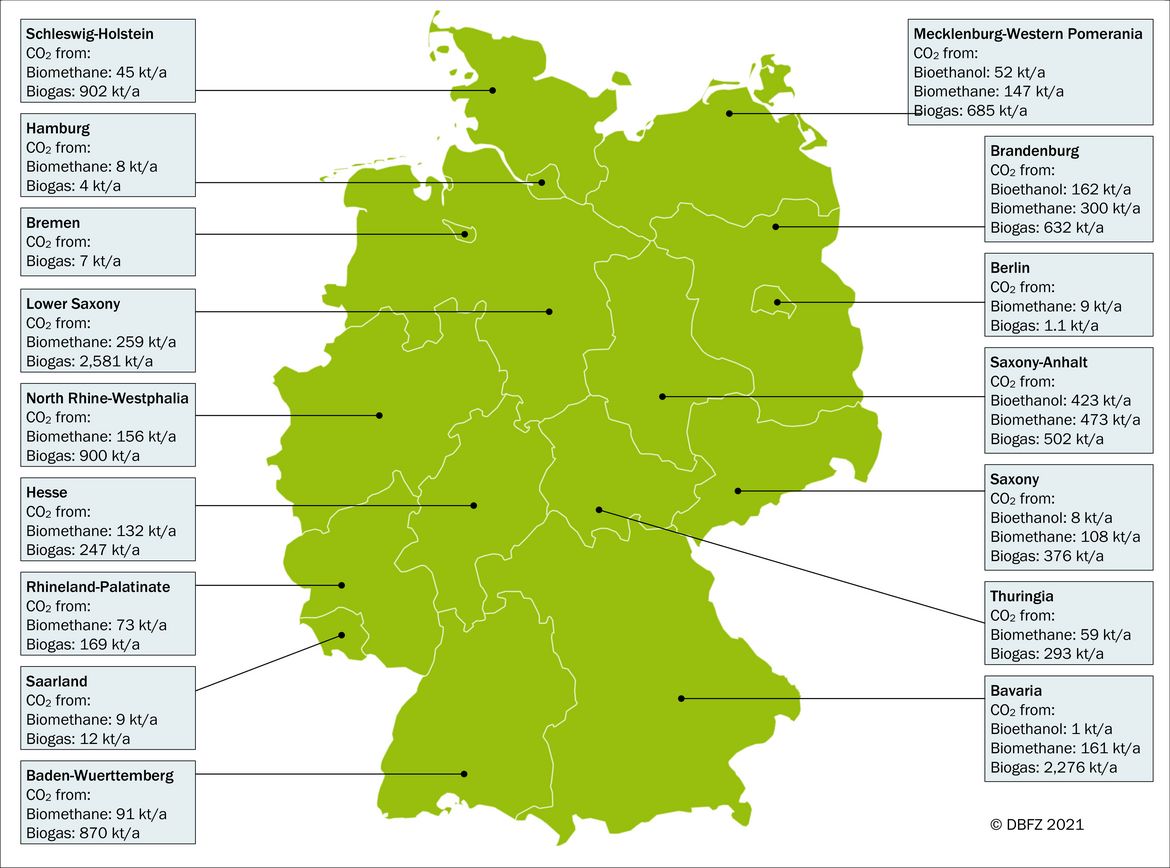
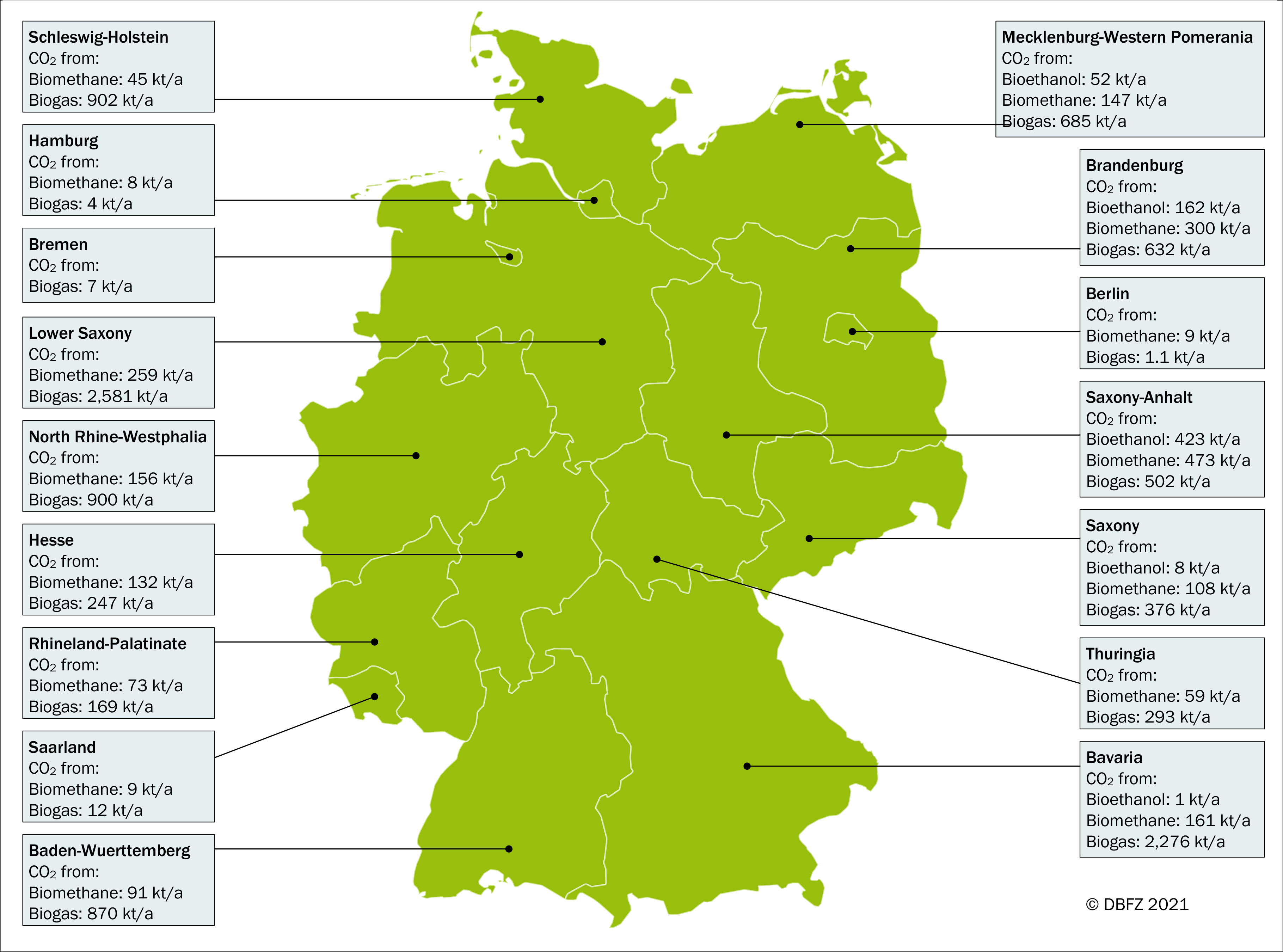
Biogenic CO2 point sources in Germany broken down according to federal state

Fig. 5-22 on page 93

Download [JPG, 2 MB]

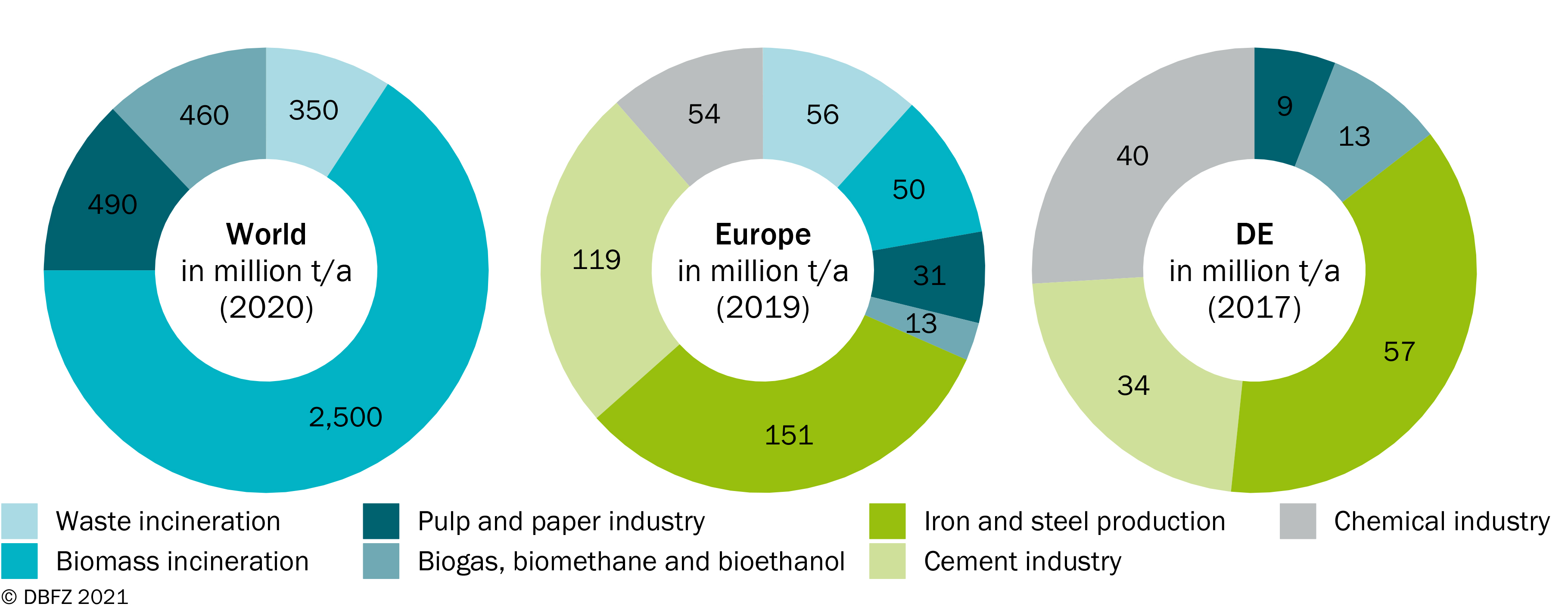
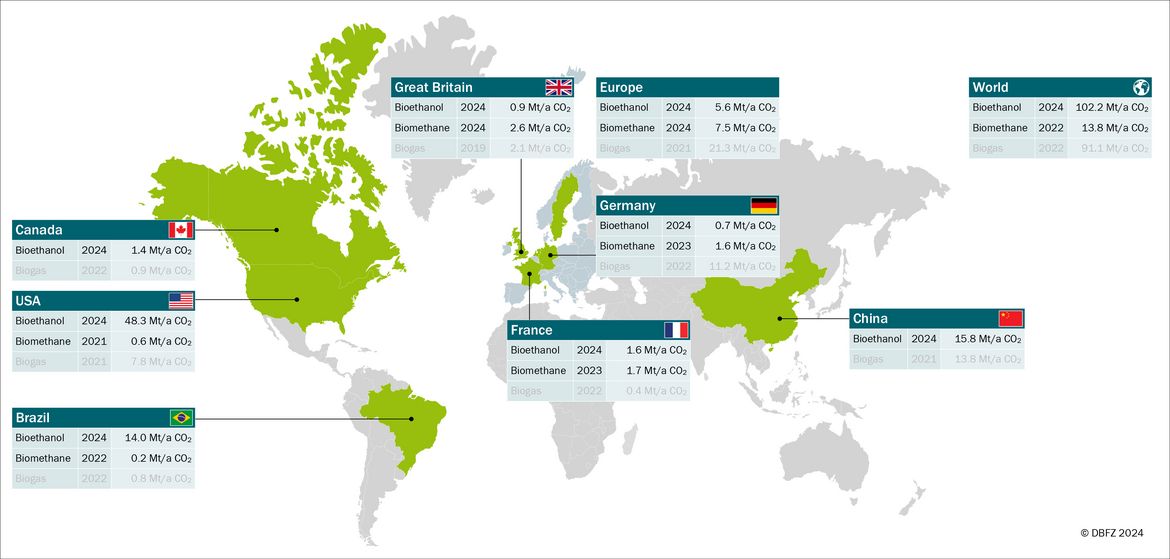
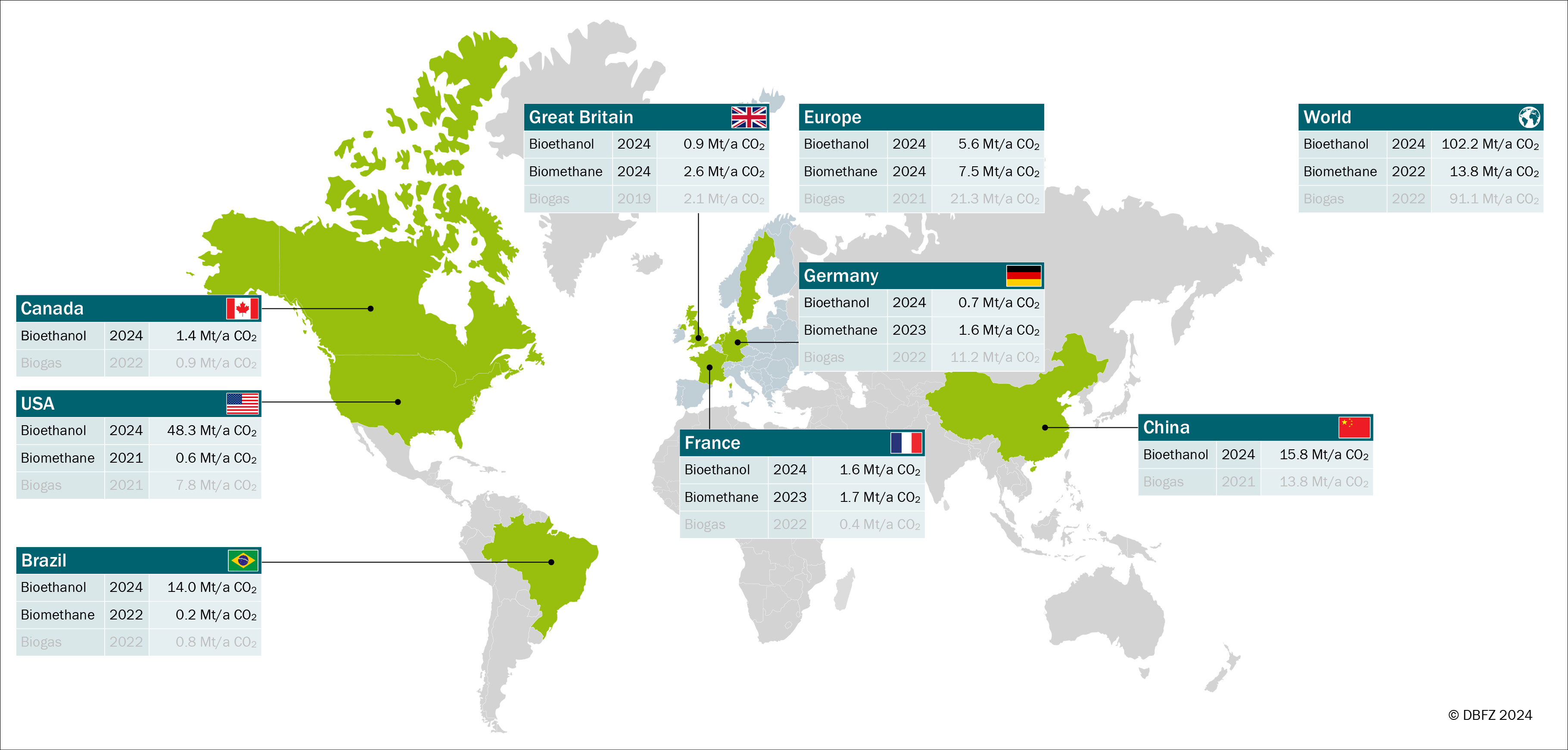
Biogenic CO2 point sources worldwide

Fig. 5-23 on page 94

Download [JPG, 1,3 MB]

Potential for PTG (methane) in Germany and Europe based on CO2 point sources in 2017

Fig. 5-24 on page 98

Download [JPG, 679 KB]

Potential for PTL (methanol) in Germany and Europe based on CO2 point sources in 2017

Fig. 5-25 on page 98

Download [JPG, 672 KB]

Potential and requirements as well as the ensuing challenges along the supply and utilisation chain of renewable energy carriers and fuels for the transport sector

Fig. 5-26 on page 99

Download [JPG, 1,6 MB]

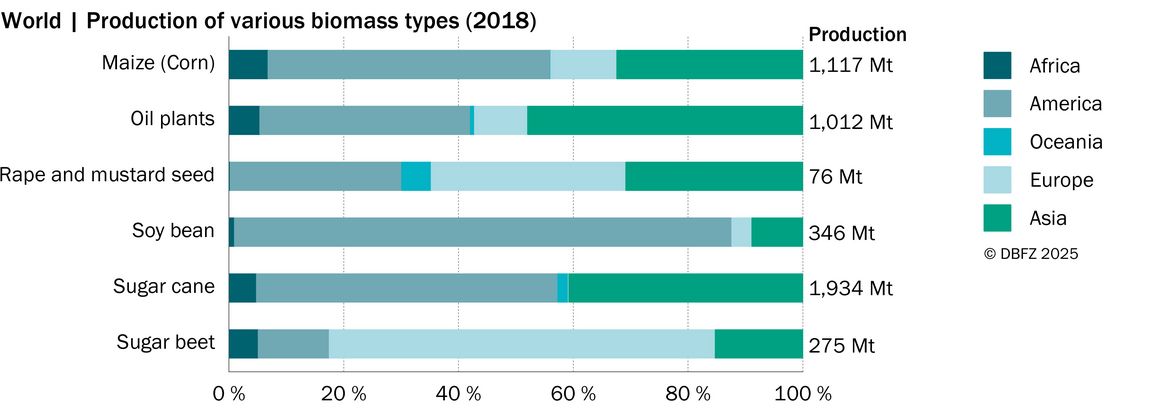
Global production of suitable crops in 2018

Fig. A-1 on page 191

Download [JPG, 712 KB]

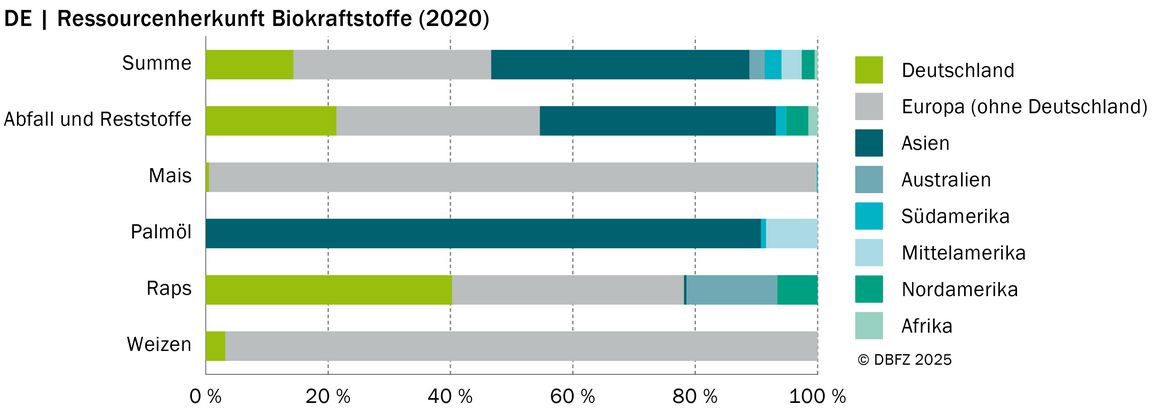
Biomass origin of biofuels used in Germany in 2020

Fig. A-2 on page 190

Download [JPG, 690 KB]

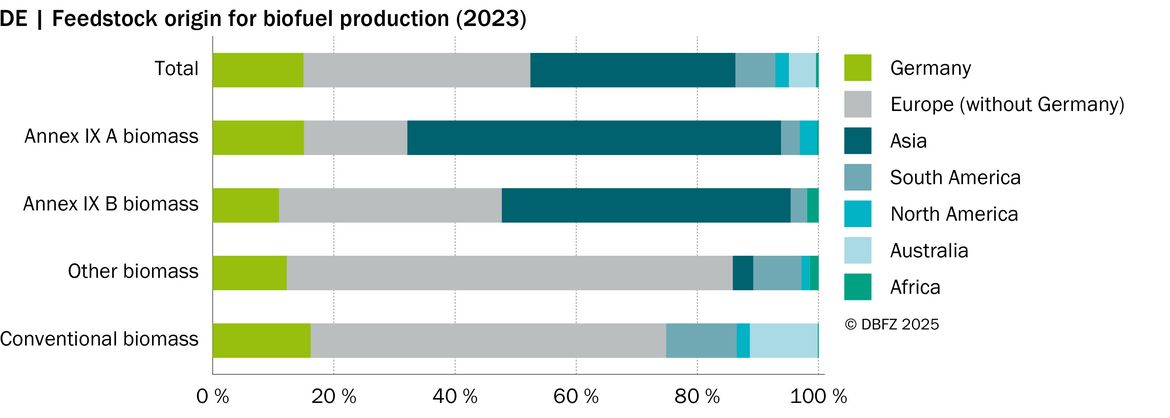
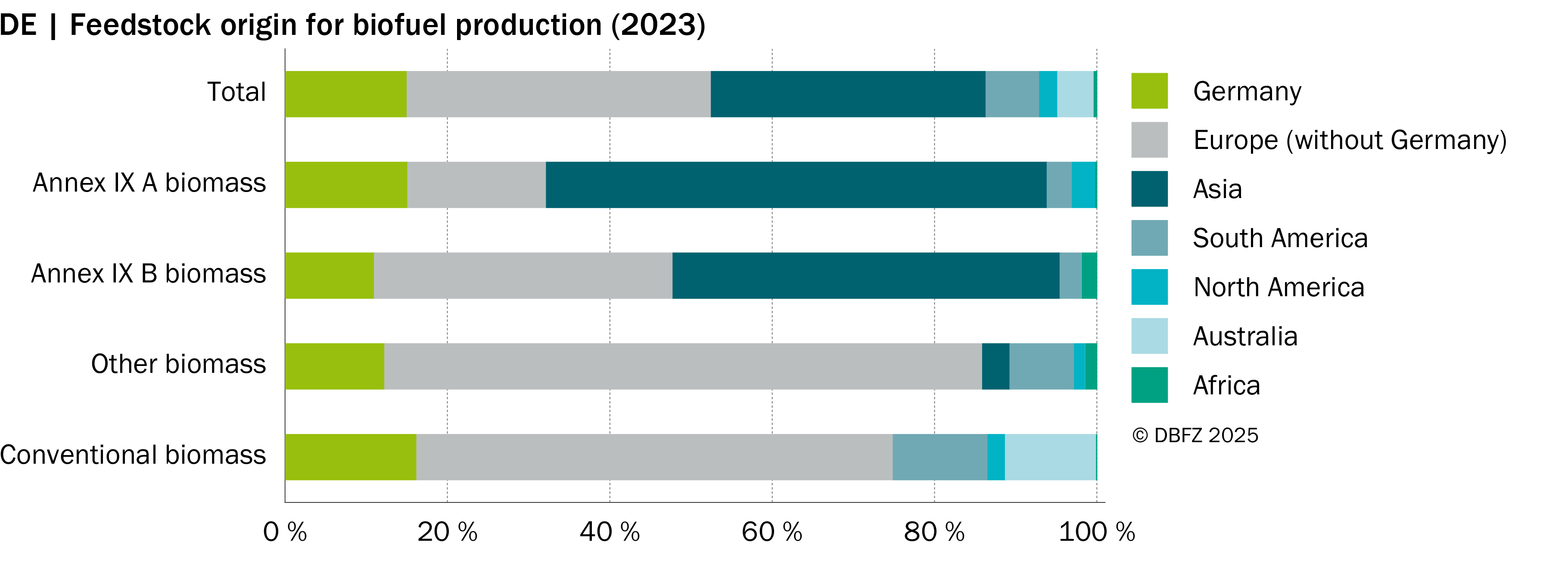
Biomass origin of biofuels used in Germany in 2023

Fig. A-3 on page 190

Download [JPG, 682 KB]

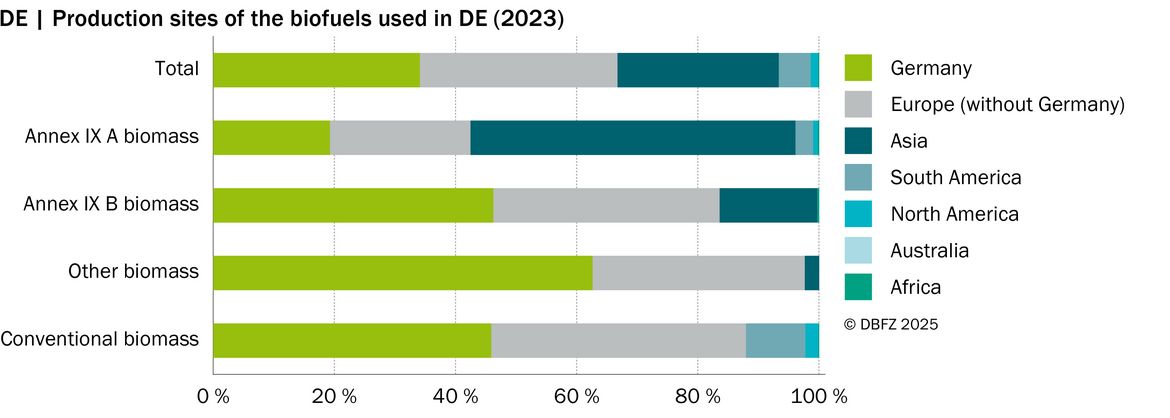
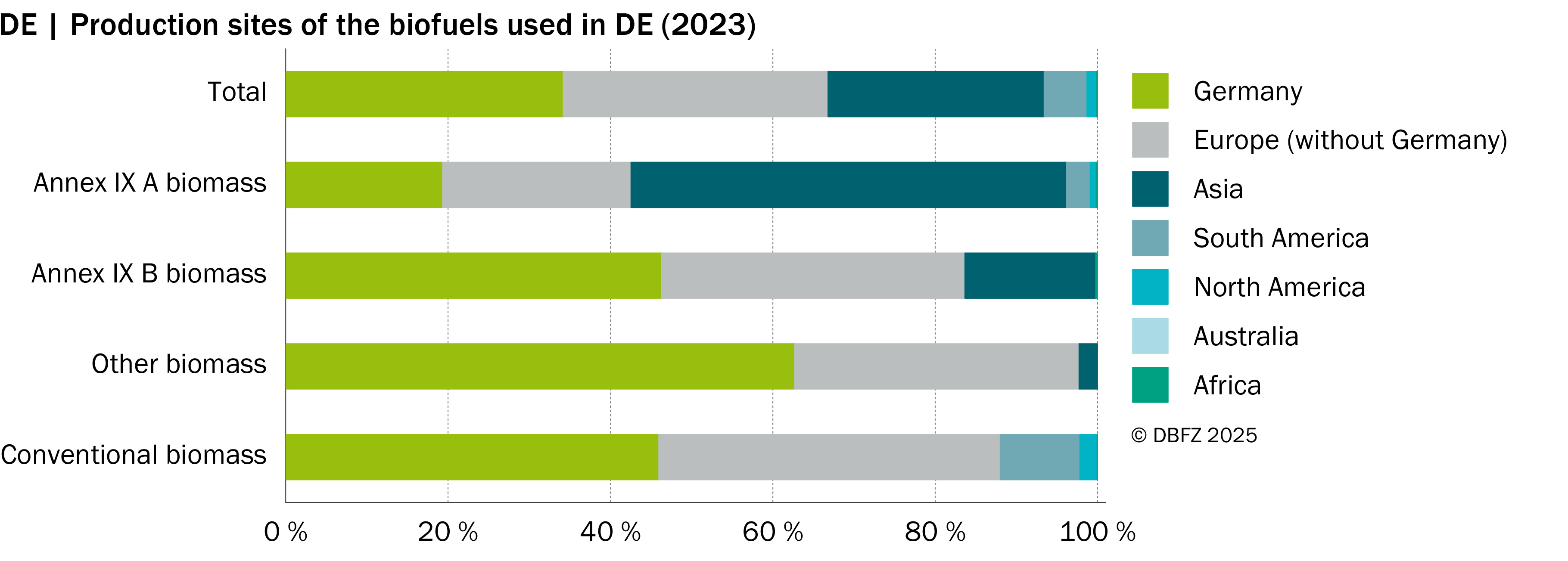
Production origin of biofuels used in Germany in 2023

Fig. A-4 on page 192

Download [JPG, 681 KB]

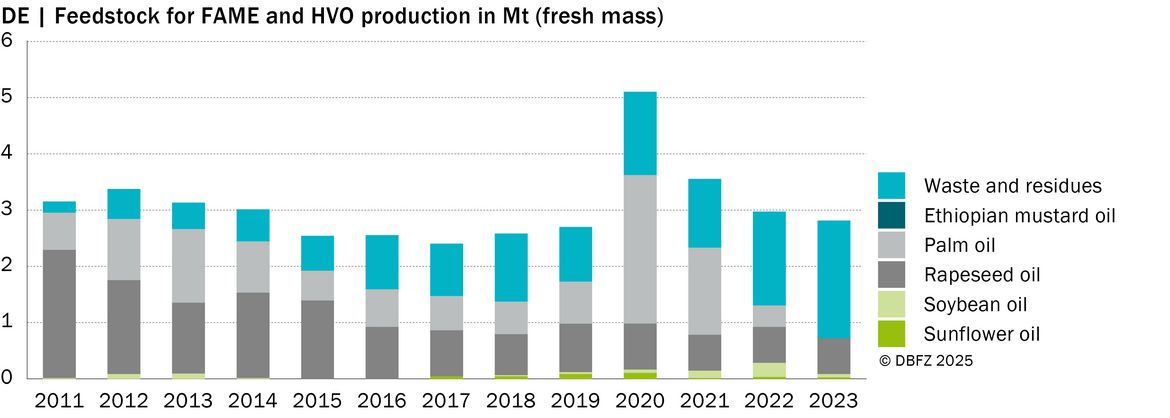
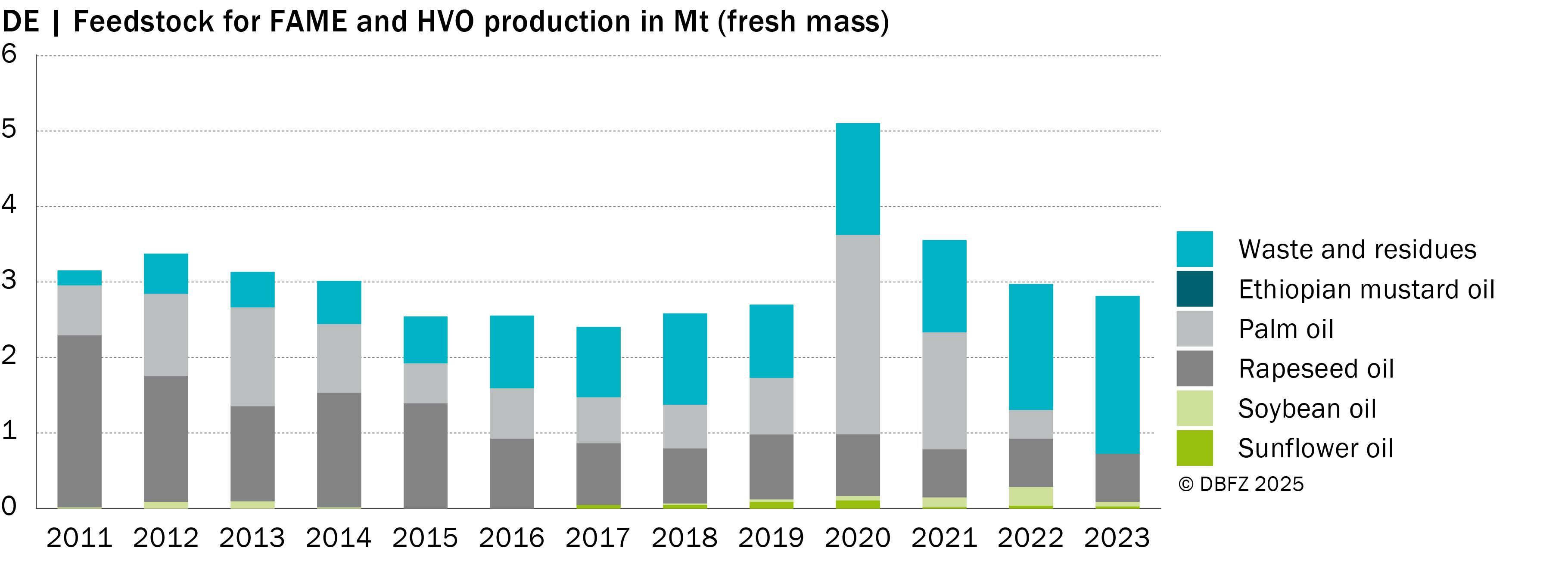
Feedstock of FAME and HVO diesel used in Germany

Fig. A-5 on page 192

Download [JPG, 735 KB]

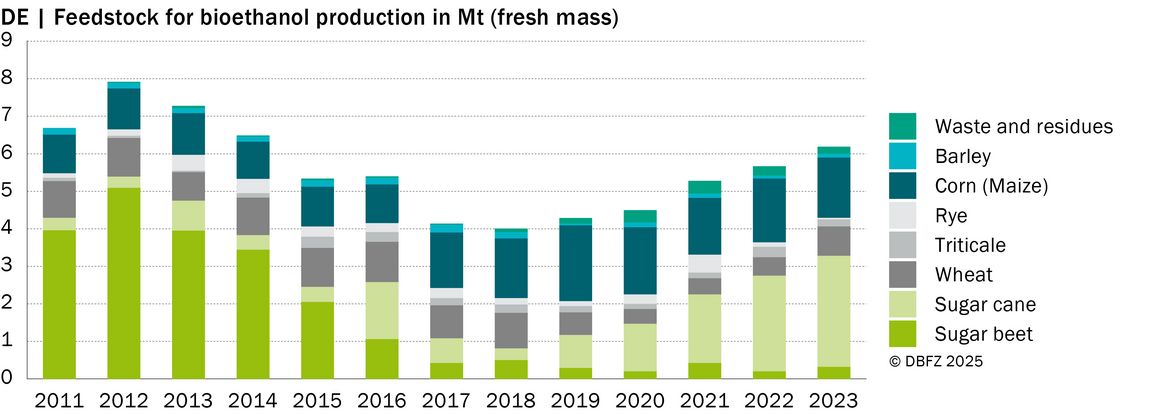
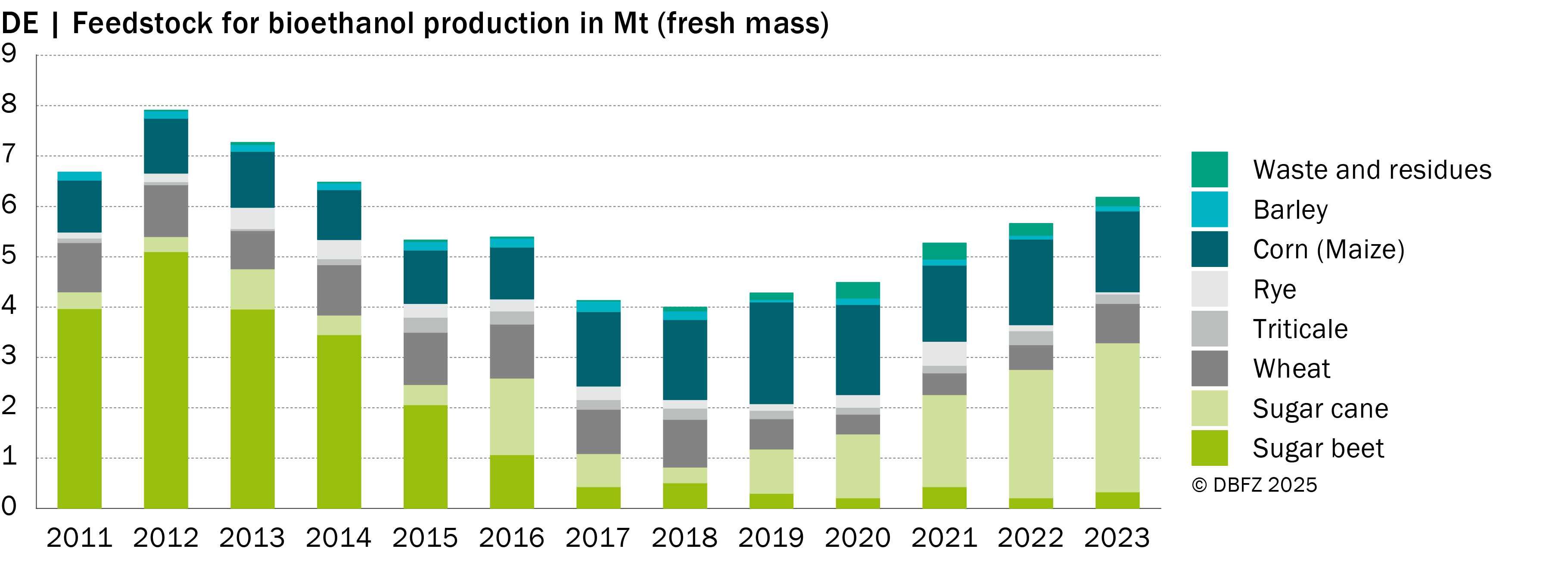
Feedstock of bioethanol fuel used in Germany

Figb. A-6 on page 192

Download [JPG, 819 KB]

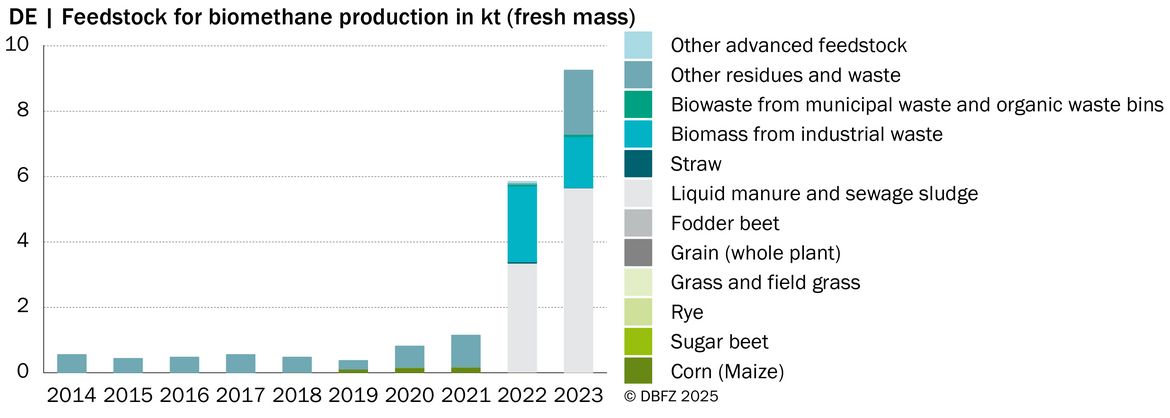
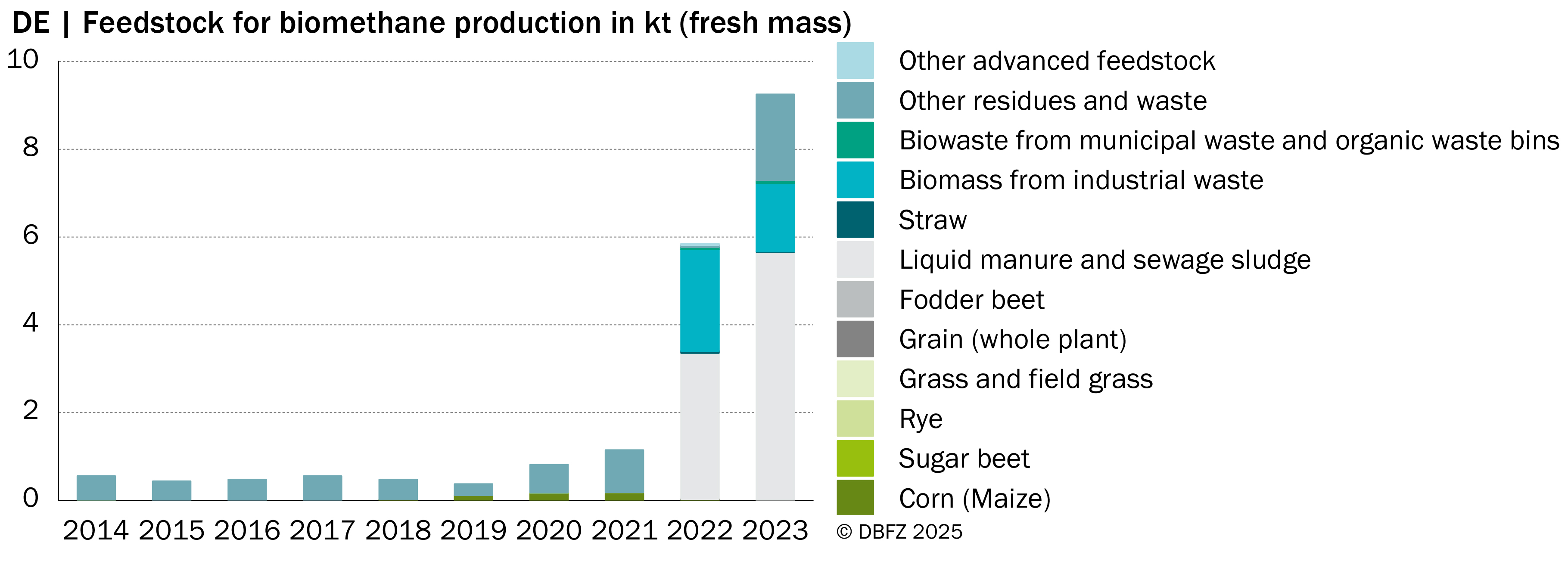
Feedstock of biomethane used as fuel in Germany; note: significantly varying water content of the specific feedstocks

Fig. A-7 on page 192

Download [JPG, 780 KB]

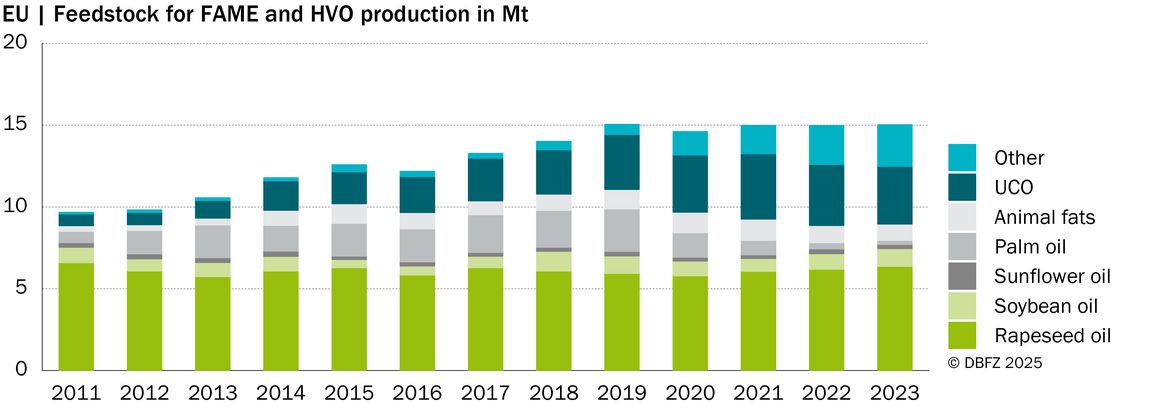
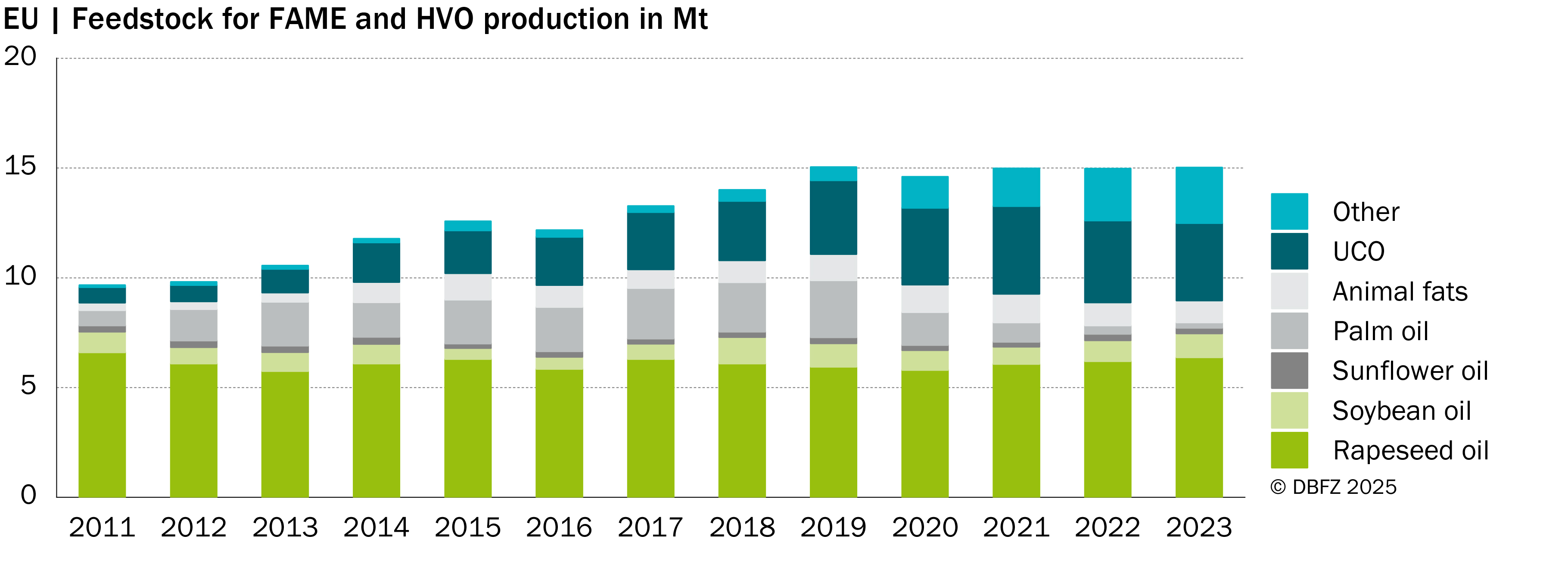
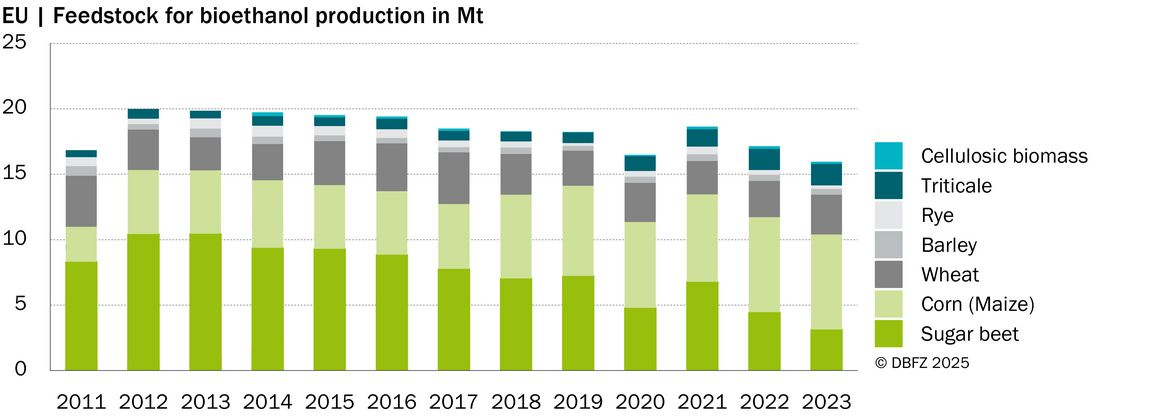
Feedstock of FAME and HVO diesel used in the EU

Fig. A-8 on page 193

Download [JPG, 721 KB]

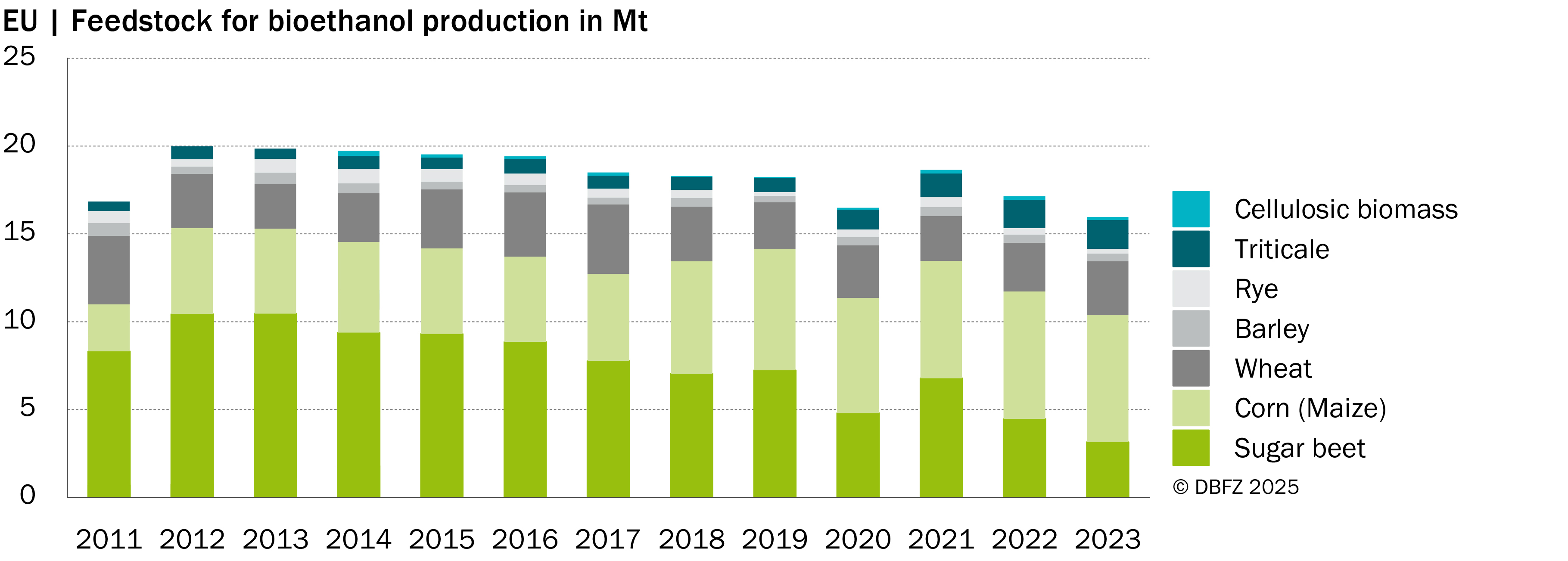
Feedstock of bioethanol fuel used in the EU

Fig. A-9 on page 193

Download [JPG, 735 KB]

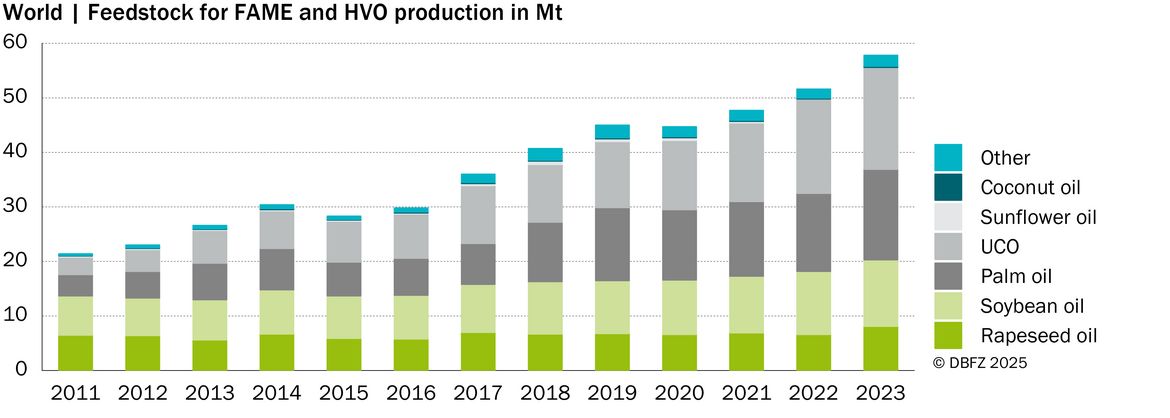
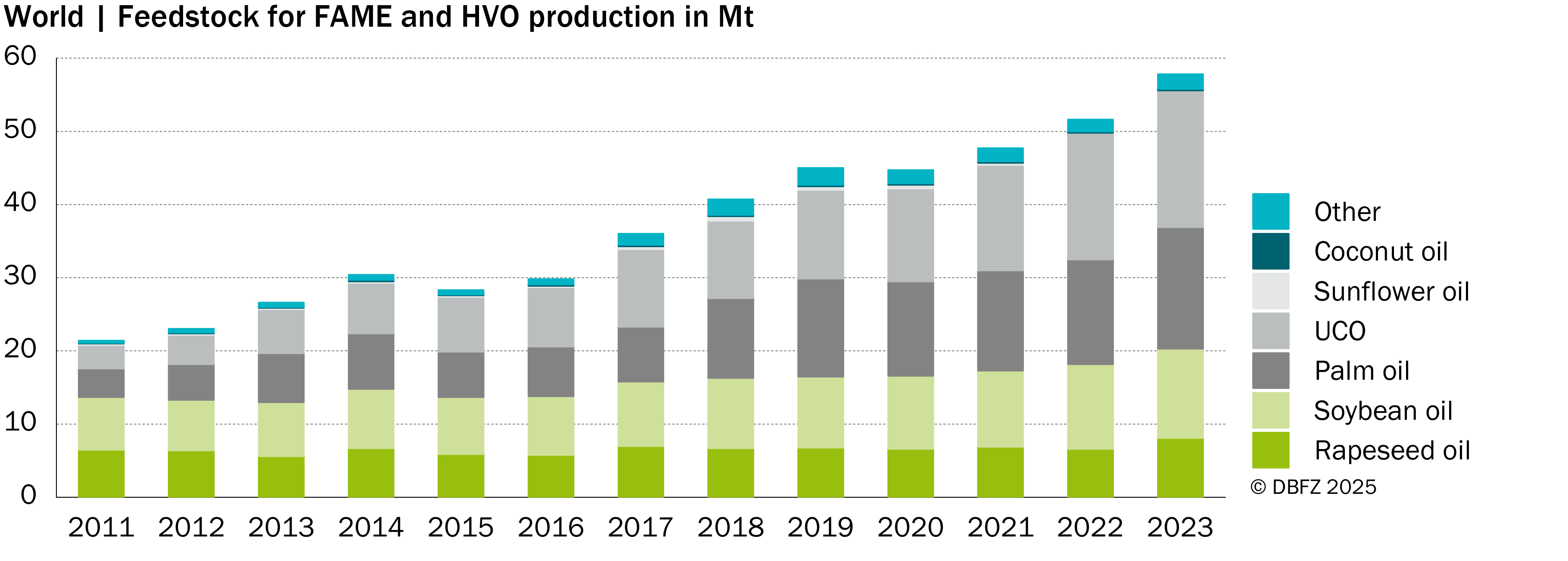
Feedstock of FAME and HVO diesel used worldwide

Fig. A-10 on page 195

Download [JPG, 708 KB]

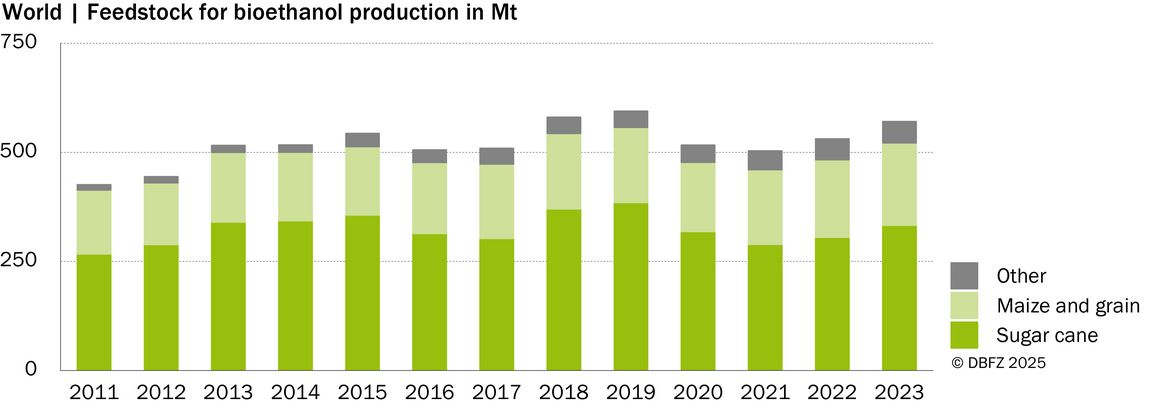
Feedstock of bioethanol fuel used worldwide

Fig. A-11 on page 195

Download [JPG, 642 KB]

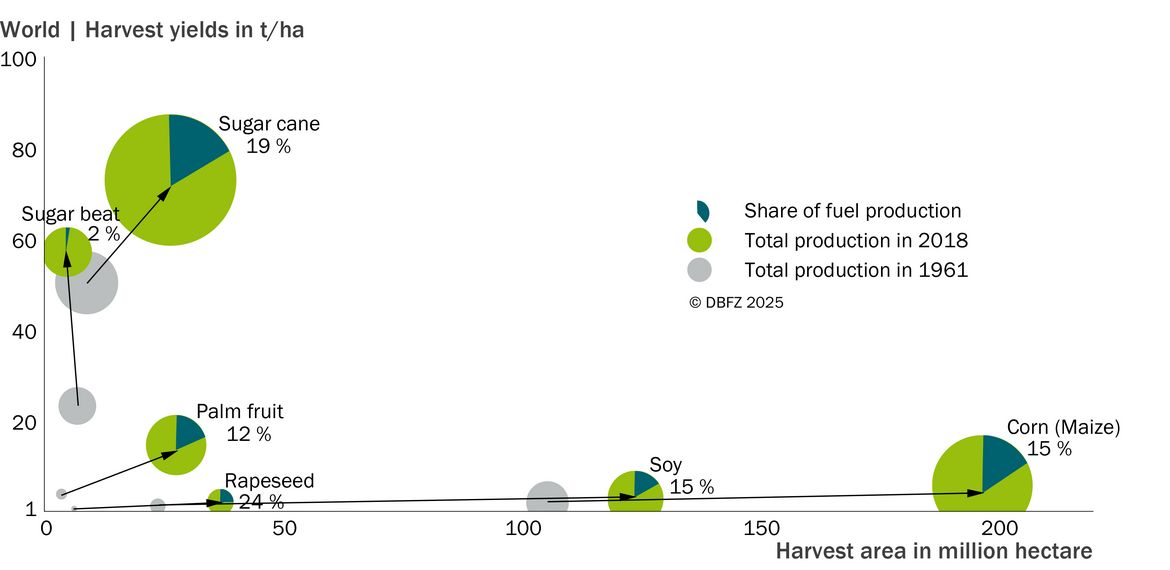
Global harvested area, crop yields and total production as well as percentage of use in biofuel production for selected biomasses in 1961 and 2018

Fig. A-12 on page 196

Download [JPG, 804 KB]

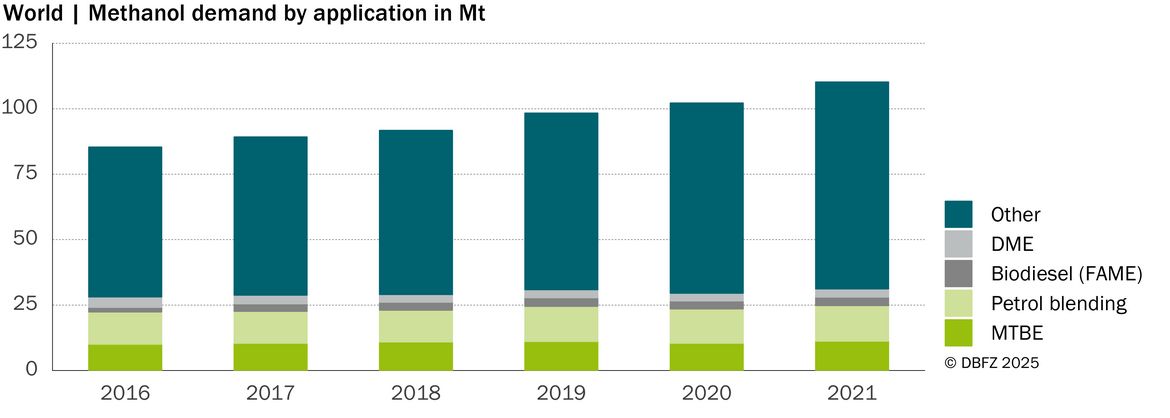
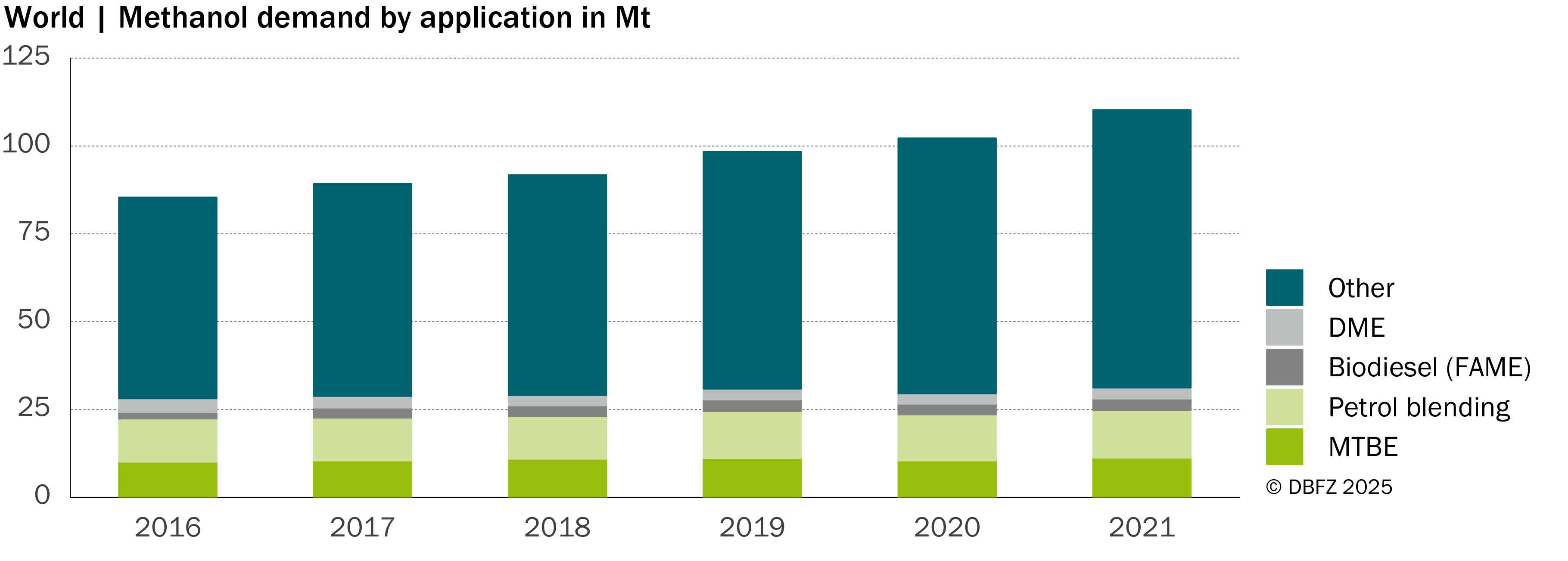
Global demand for methanol

Fig. A-13 on page 196

Download [JPG, 624 KB]

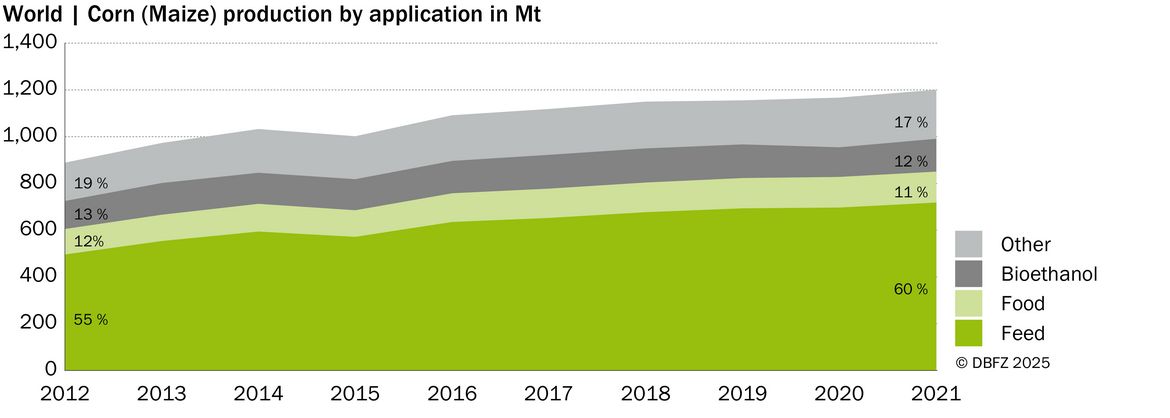
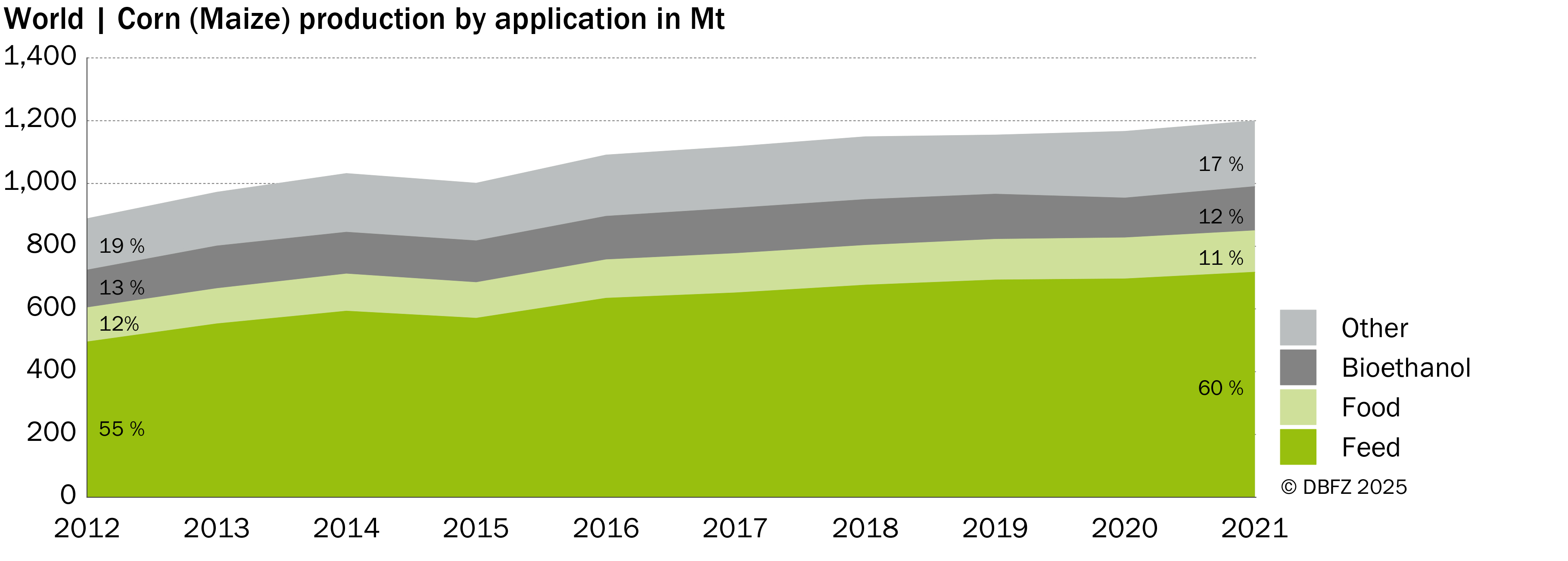
Global maize production and its area of utilisation

Fig. A-14 on page 197

Download [JPG, 624 KB]

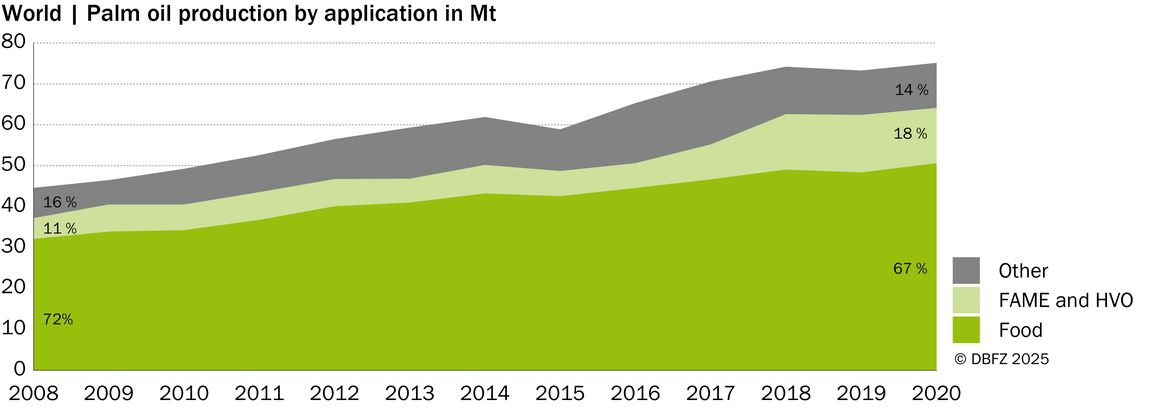
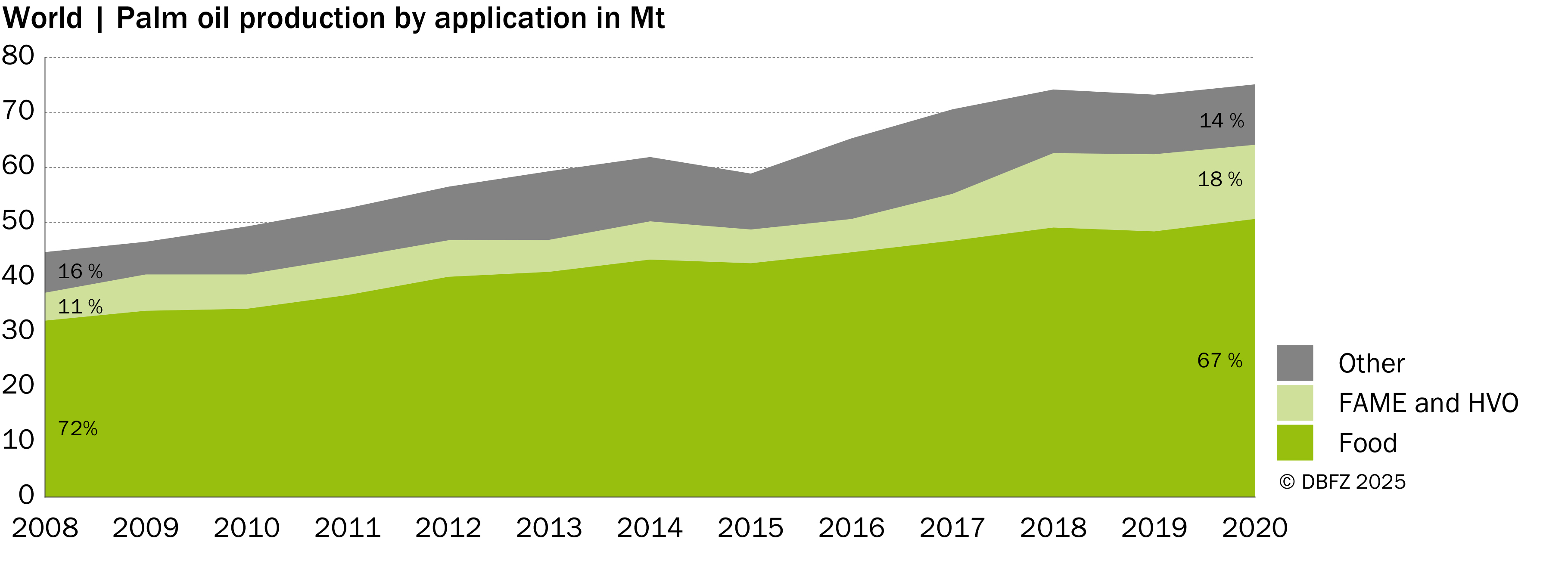
Global palm oil production and its areas of use

Fig. A-15 on page 197

Download [JPG, 630 KB]

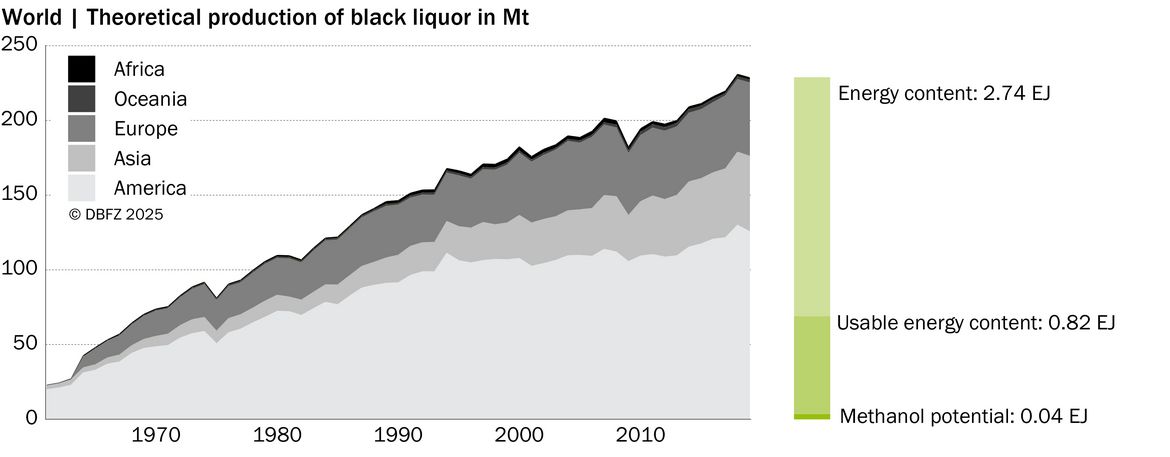
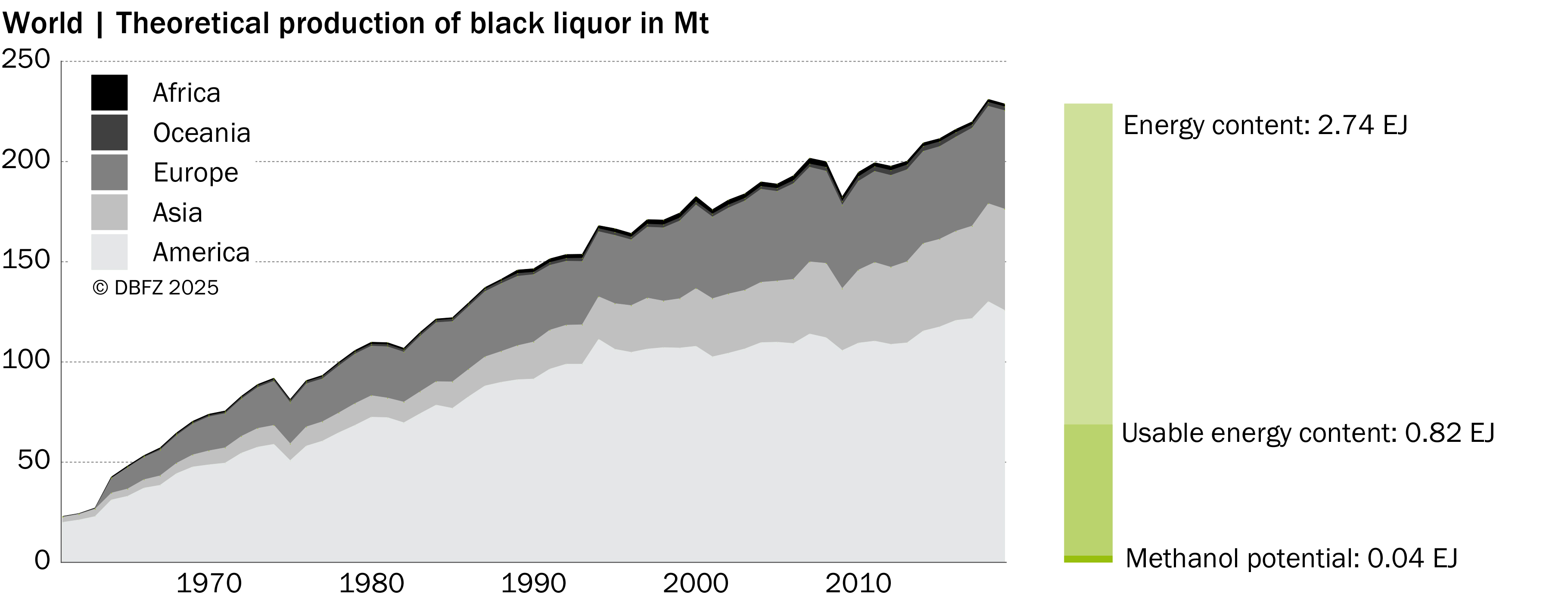
Estimation of global black liquor production by energy content, and the usable quantity for the production of biofuels as well as estimation of methanol produced in the power process

Fig. A-16 on page 198

Download [JPG, 697 KB]

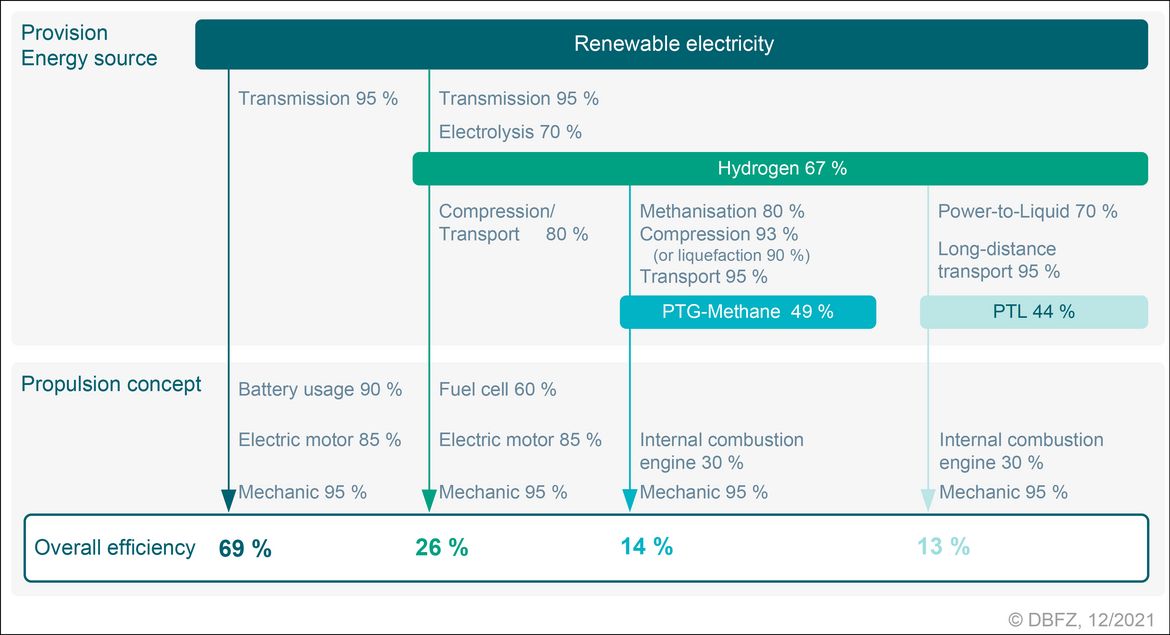
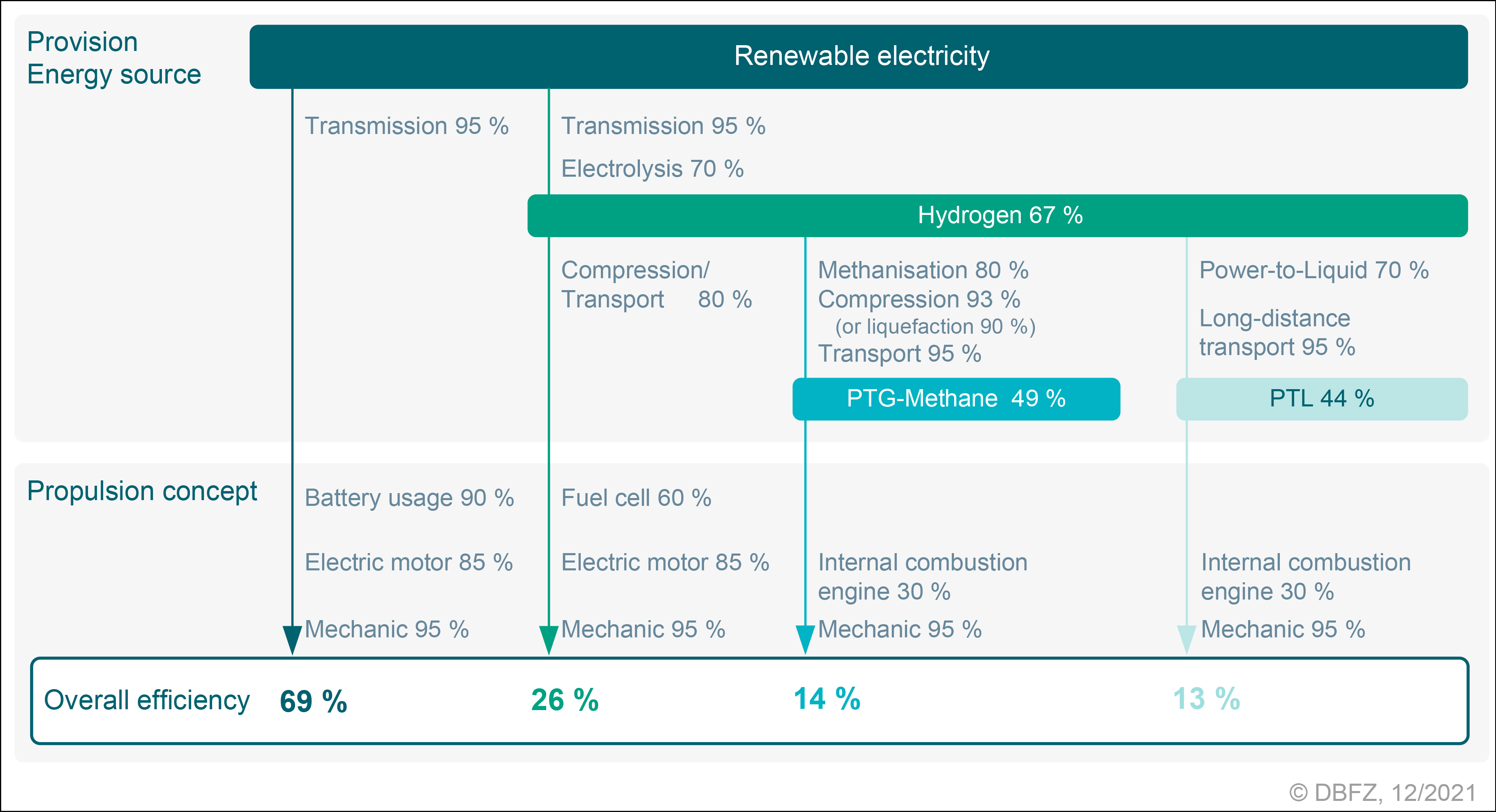
Overall efficiency of e-fuels

Fig. A-17 on page 202

Download [JPG, 1,4 MB]

Chapter 6: Market indicators

When using the illustrations in Chapter 6, please cite them as follows:

Schröder, J.; Görsch, K.; Naumann, K.; Costa de Paiva, G. (2026): Market indicators. In: Schröder, J.; Görsch, K. (eds.): Renewable Energies in Transport. Monitoring Report. pp. 101-112. Leipzig: DBFZ. ISBN: 978-3-949807-36-7. DOI: 10.48480/45hp-x131
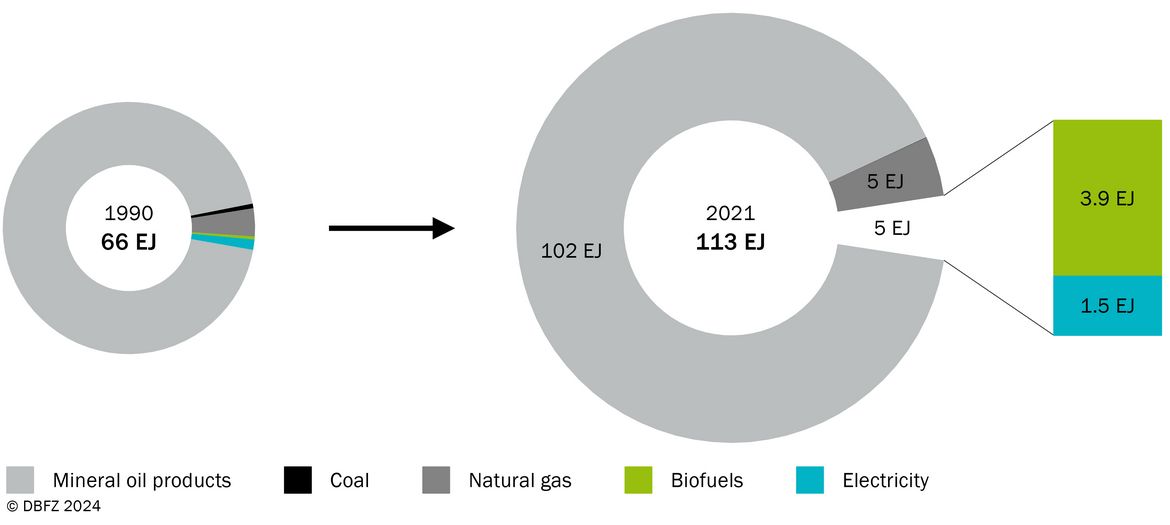
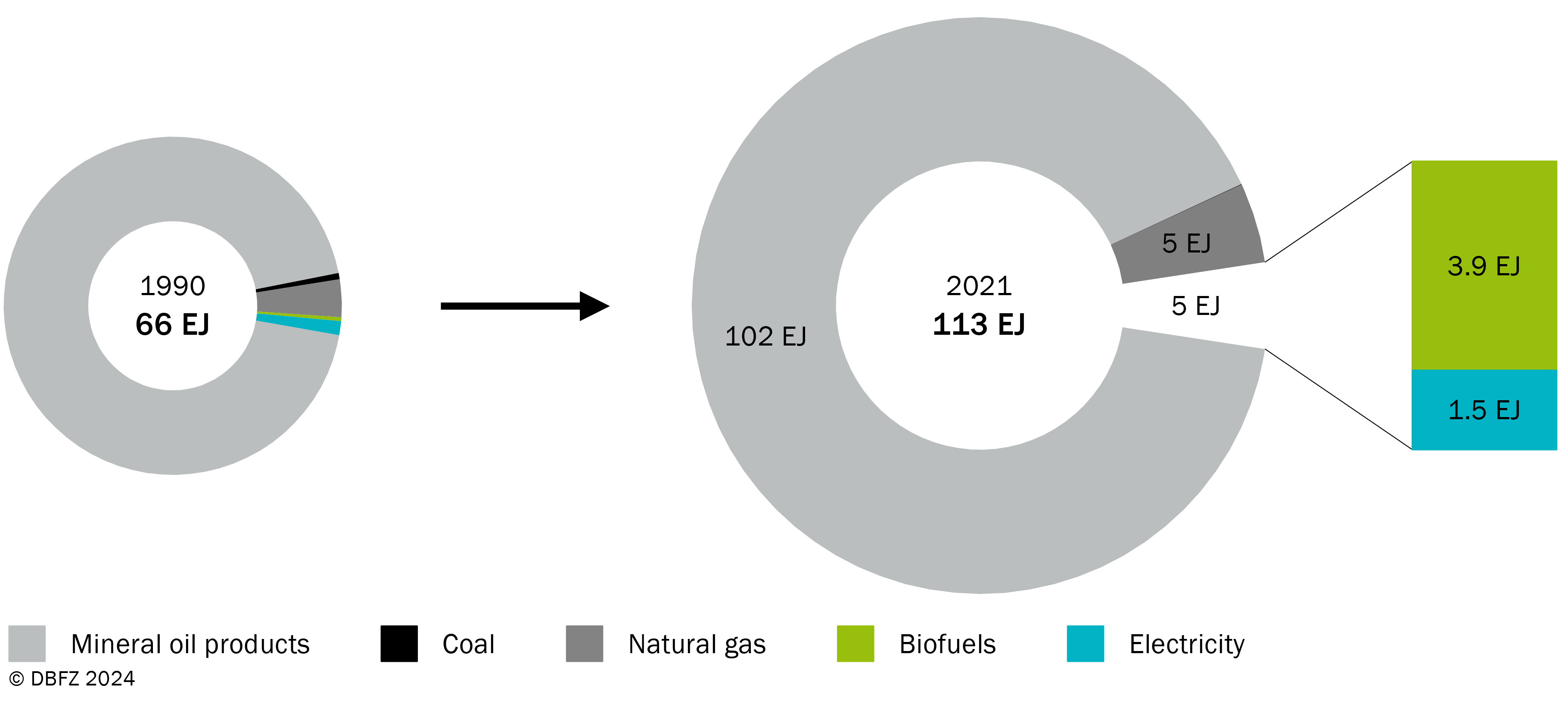
Global final energy consumption in the transport sector according to energy carrier for the years 1990 and 2021

Fig. 6-1 on page 102

Download [JPG, 608 KB]

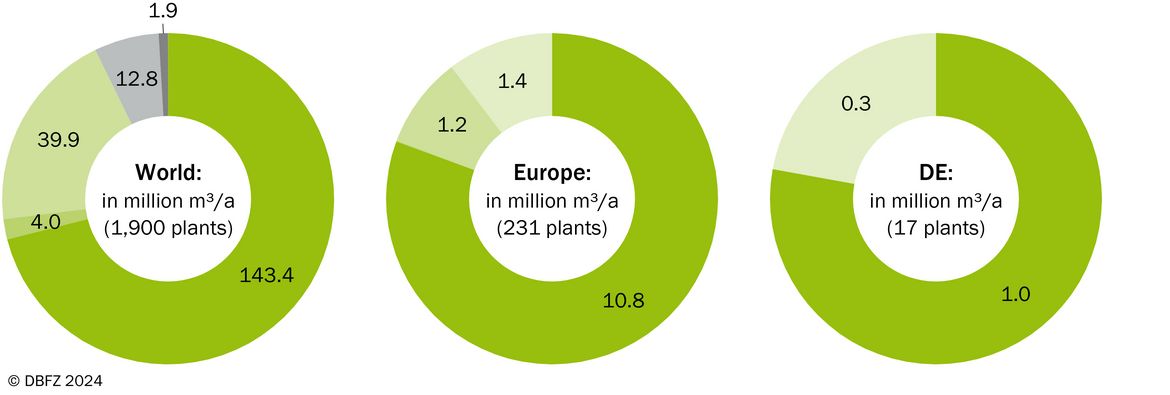
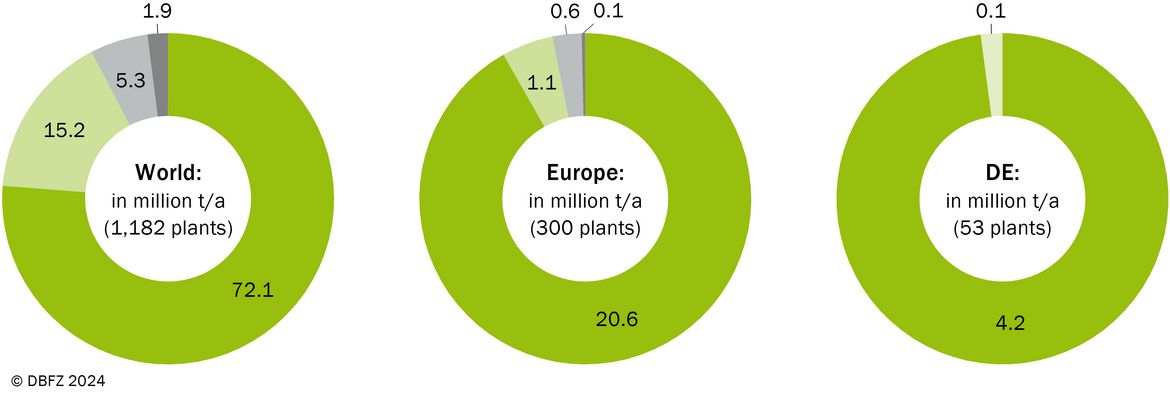
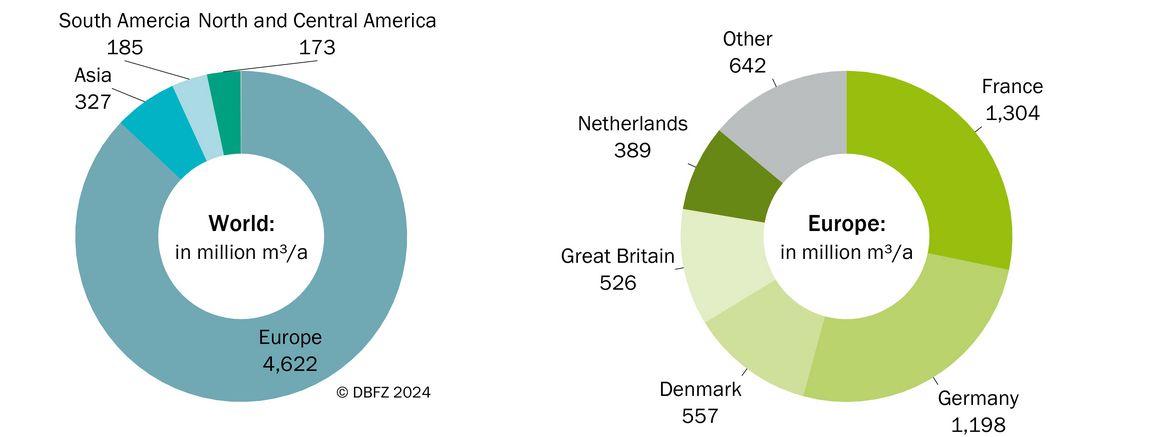
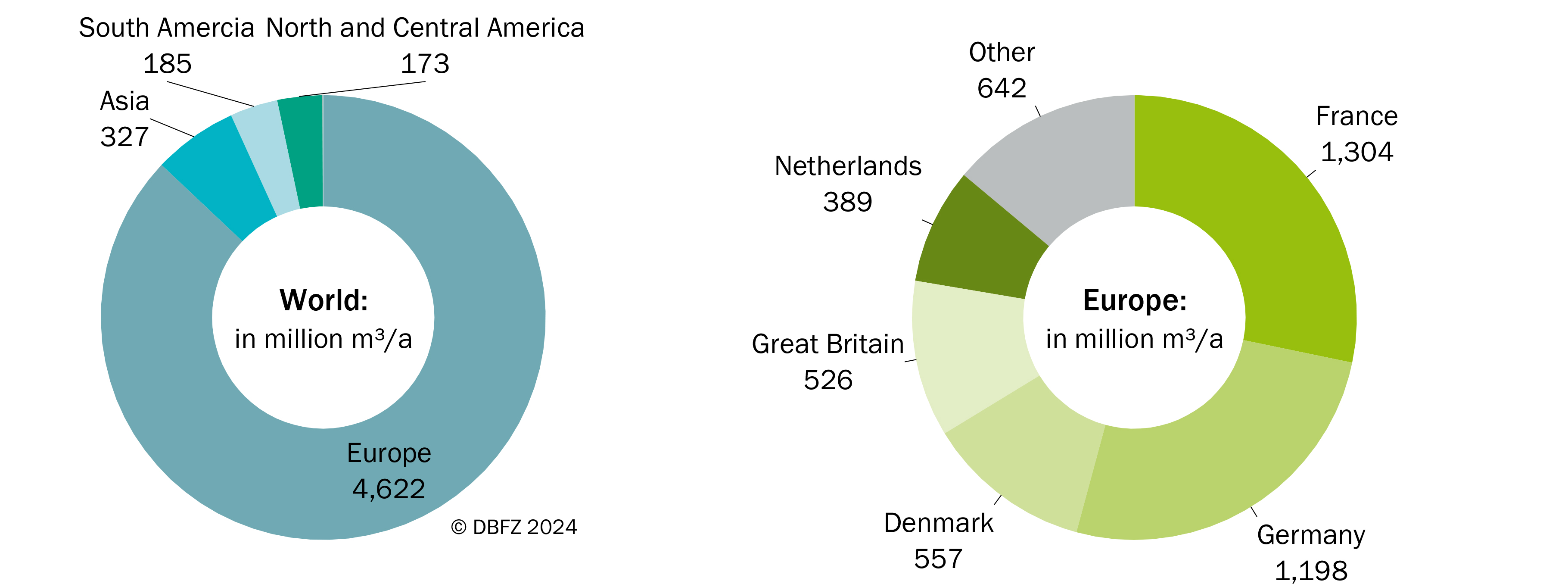
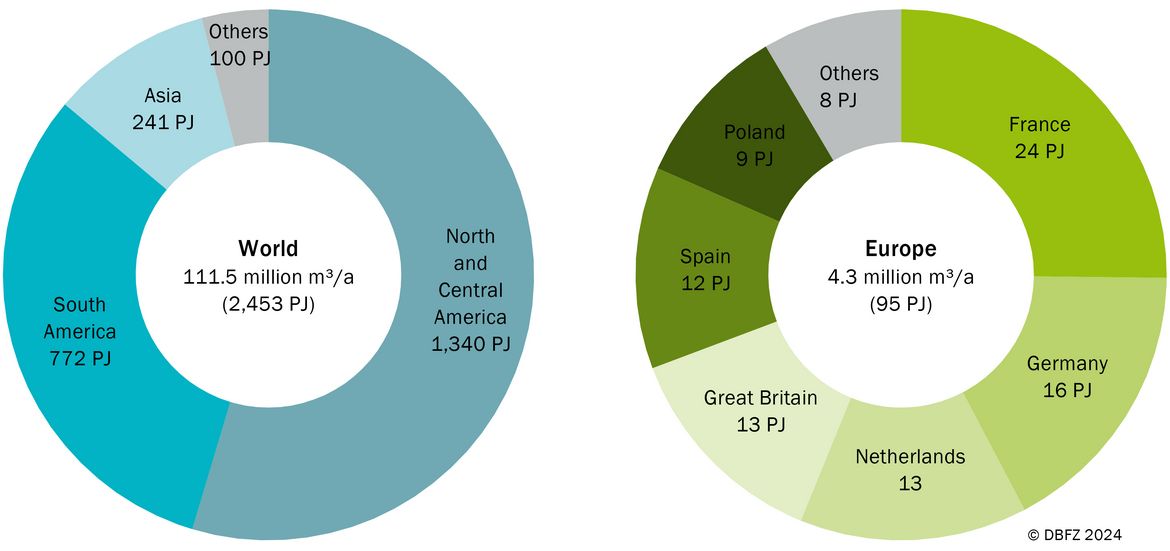
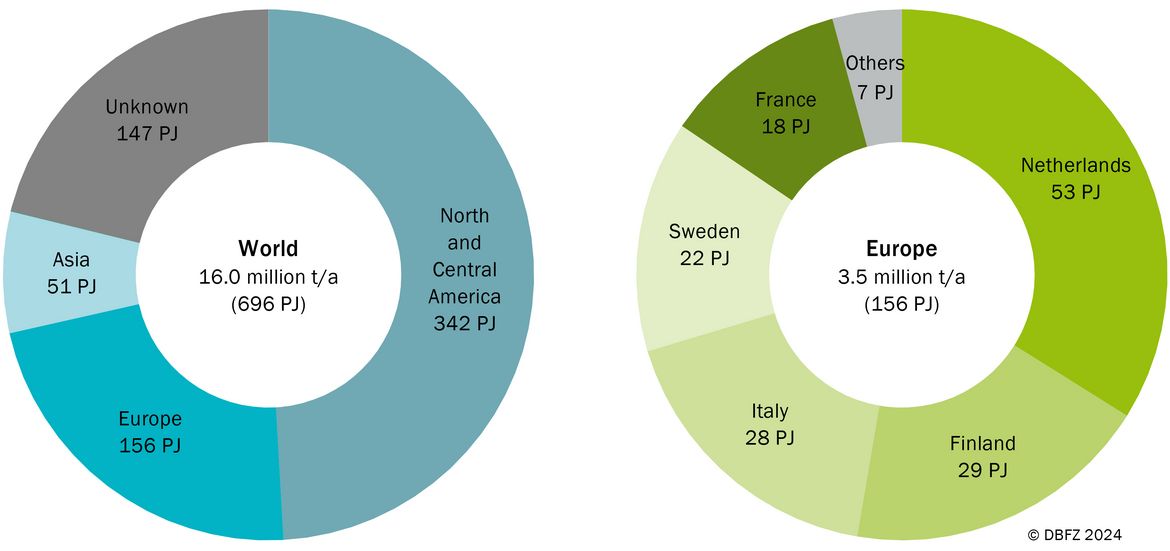
Bioethanol — global, European and German production capacities in 2024

Fig. 6-2 on page 103

Download [JPG, 620 KB]

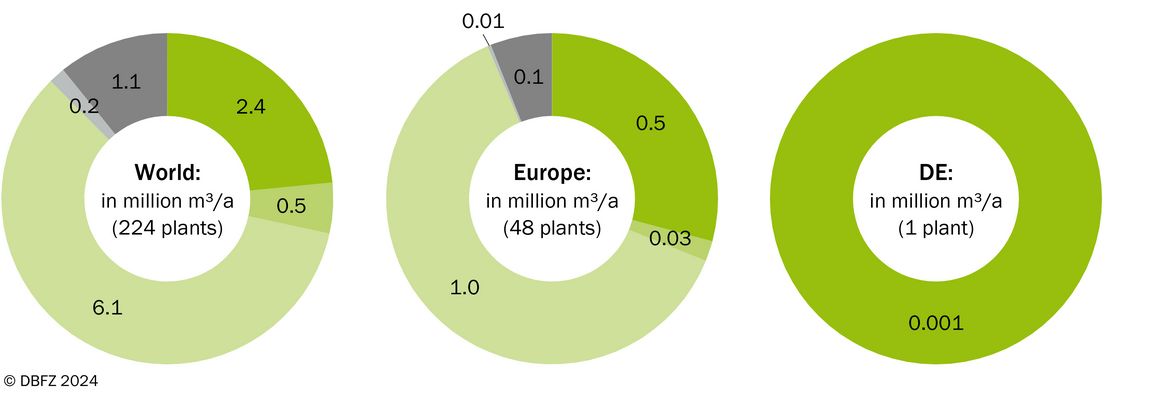
Lignocellulose ethanol — global, European and German production capacities in 2024

Fig. 6-3 on page 103

Download [JPG, 607 KB]

Biodiesel (FAME) — global, European and German production capacities in 2024

Fig. 6-4 on page 103

Download [JPG, 618 KB]

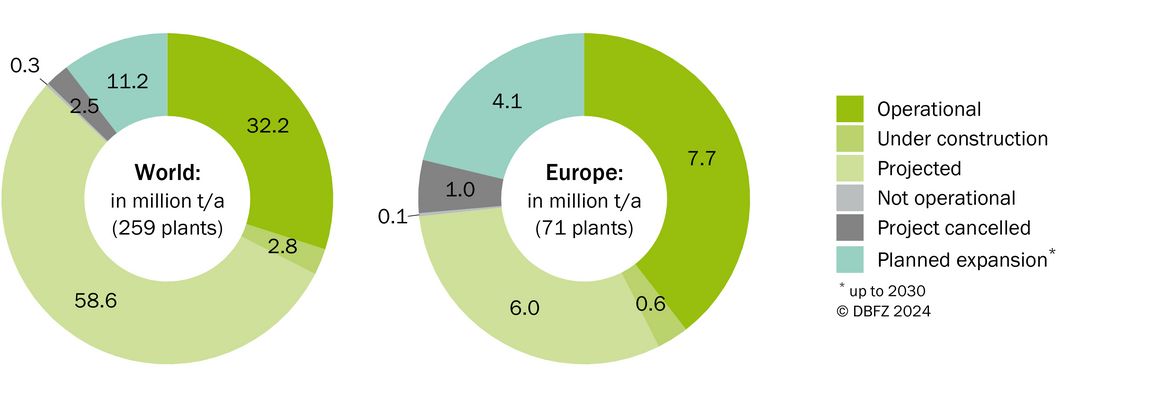
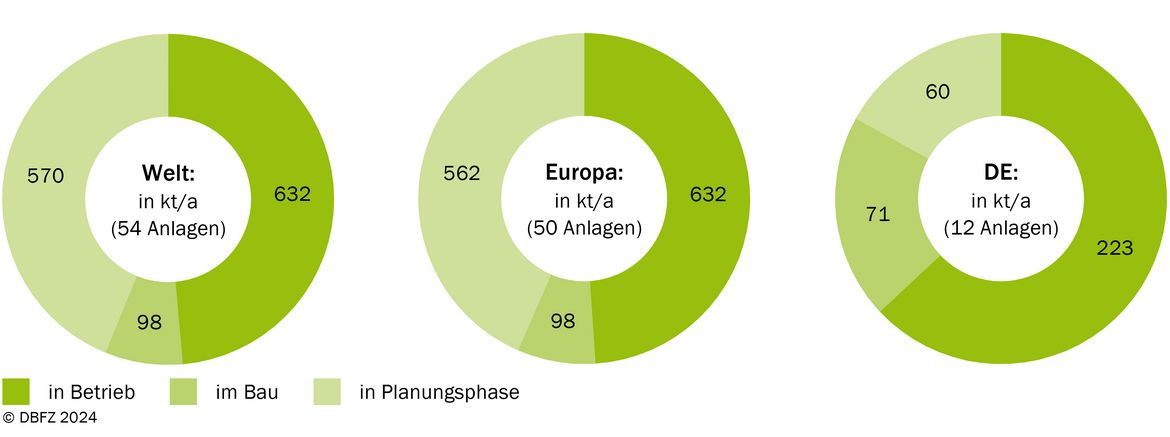
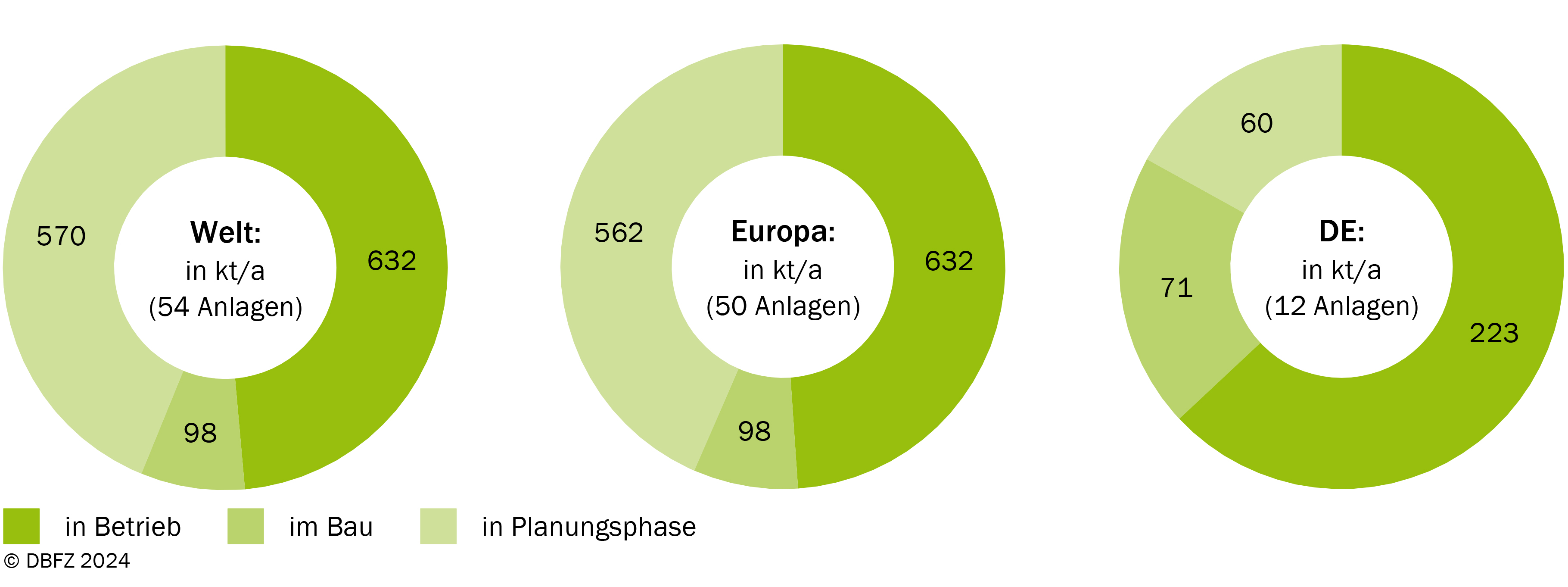
HEFA fuels (including co-refining) — global and European production capacities in 2024 and planned plant expansions up to 2030

Fig. 6-5 on page 103

Download [JPG, 629 KB]

Biomethane — global and European production capacities in existing plants in 2024, without representation of plants under construction or planned plants and plant expansions, without claiming to be exhaustive

Fig. 6-6 on page 104

Download [JPG, 658 KB]

Bio-LNG — global and European production capacities in existing, under construction and planned plants in 2024, without claiming to be exhaustive

Fig. 6-7 on page 104

Download [JPG, 667 KB]

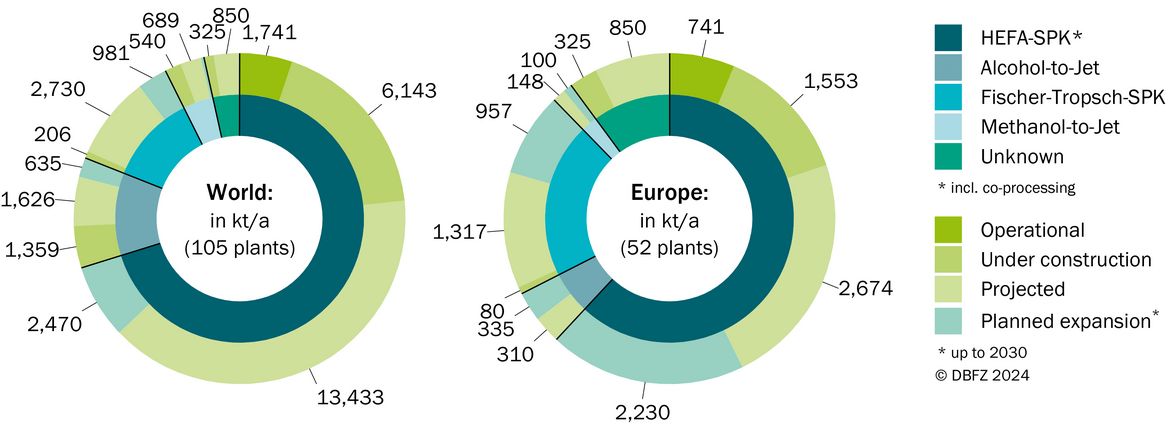
Sustainable aviation fuels — global and European production capacities in existing and planned plants in 2024

Fig. 6-8 on page 105

Download [JPG, 918 KB]

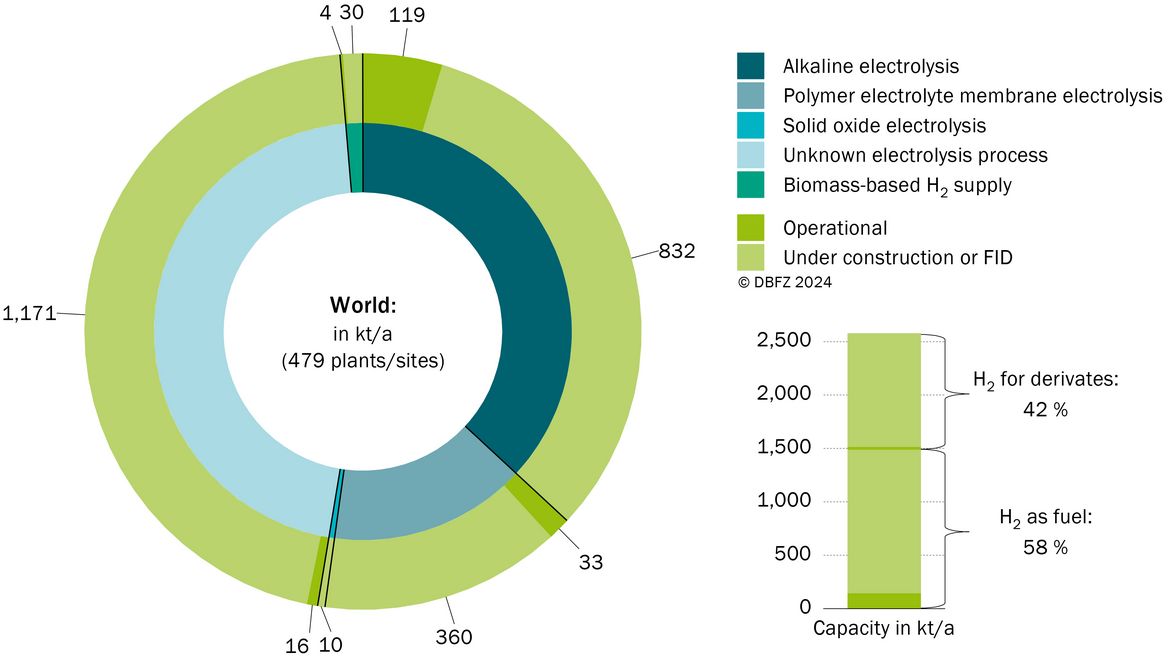
Renewable hydrogen — global production capacities in existing and planned plants in 2024, capacities not exclusively for use in the transport sector

Fig. 6-9 on page 105

Download [JPG, 1 MB]

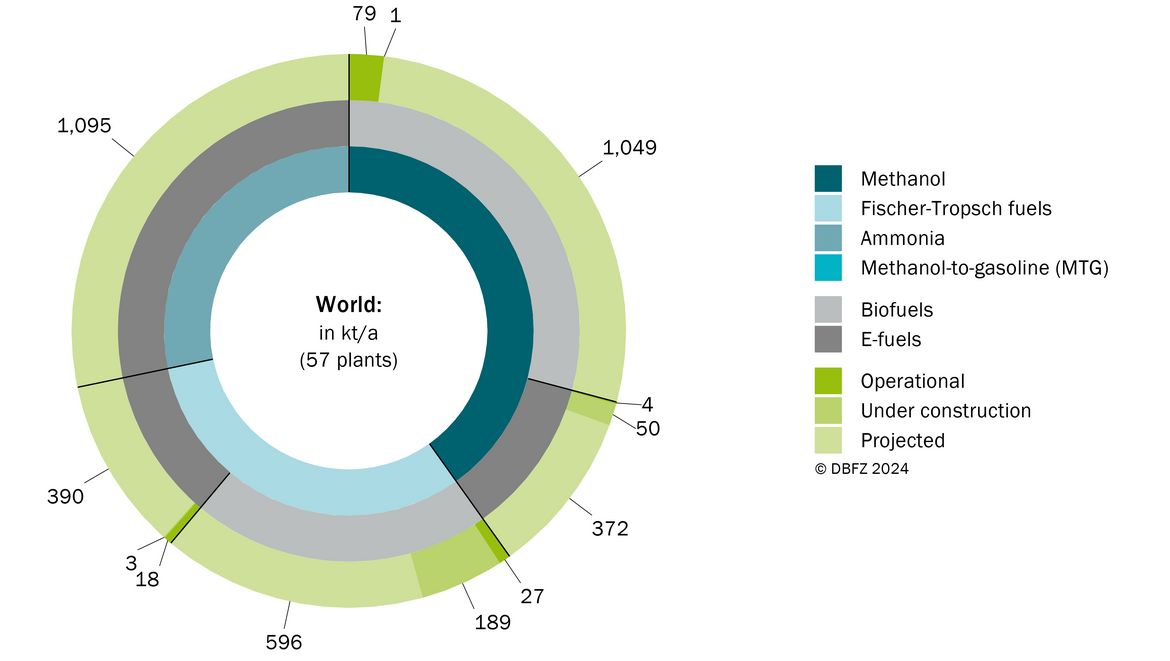
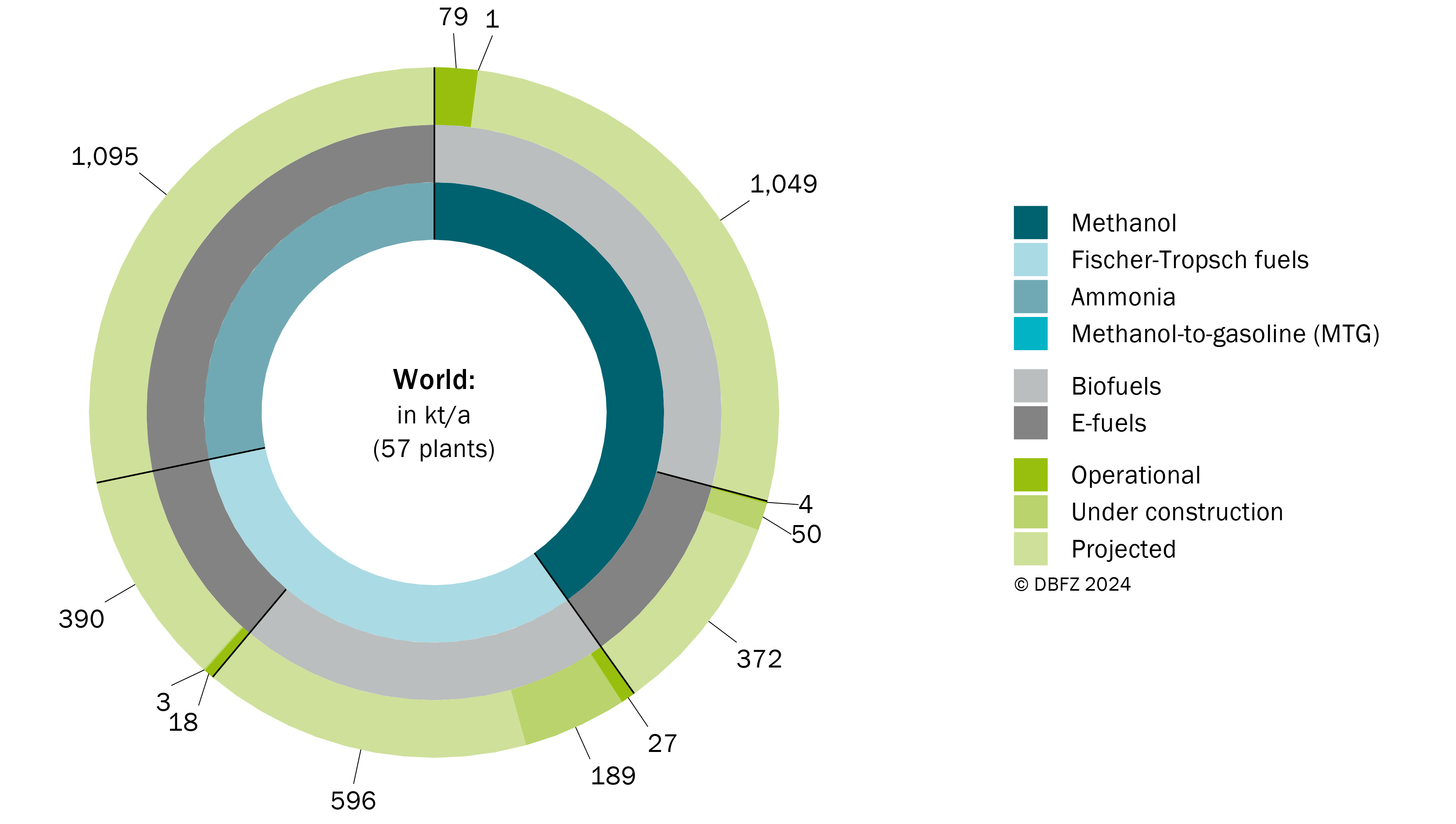
Weitere erneuerbare Kraftstoffoptionen – weltweite Produktionskapazitäten von bestehenden und geplanten Anlagen im Jahr 2024

Fig. 6-10 on page 105

Download [JPG, 894 KB]

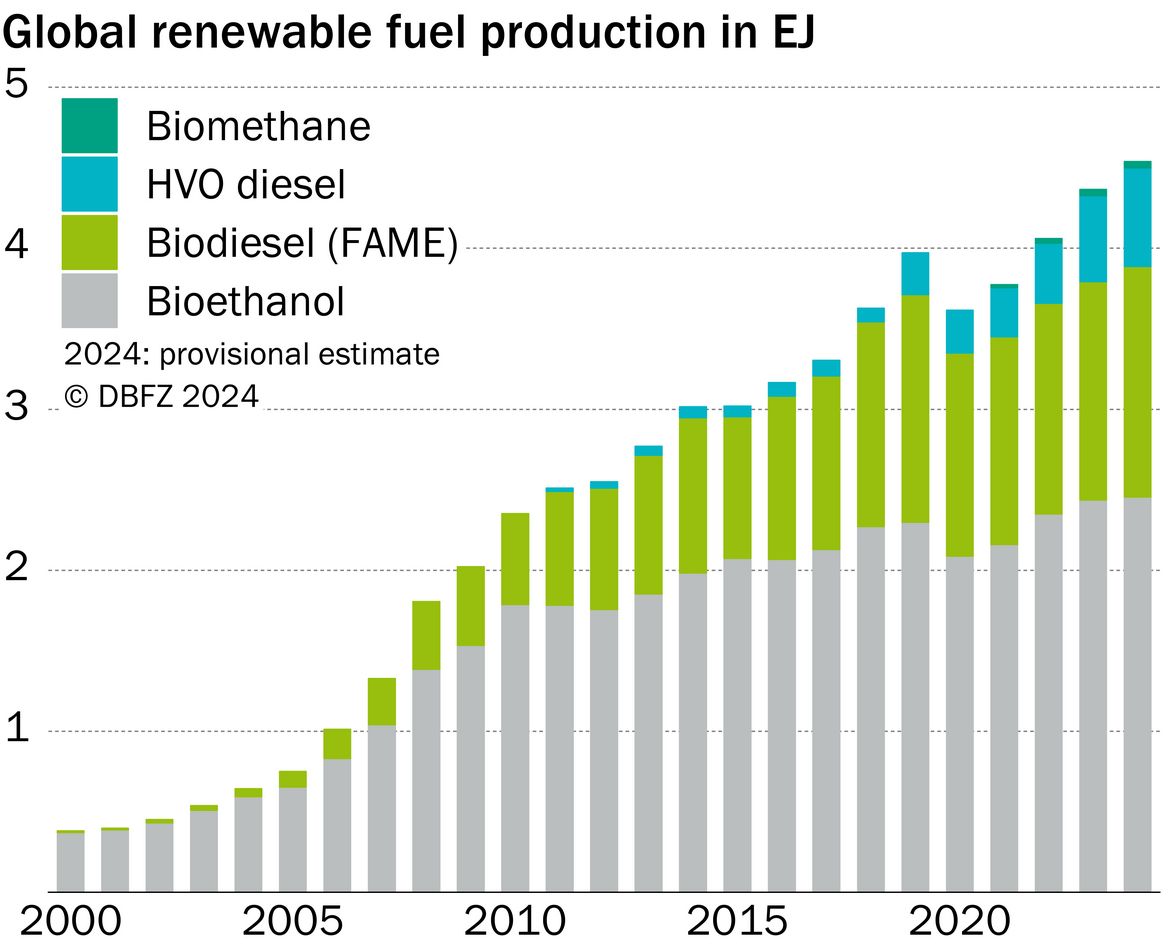
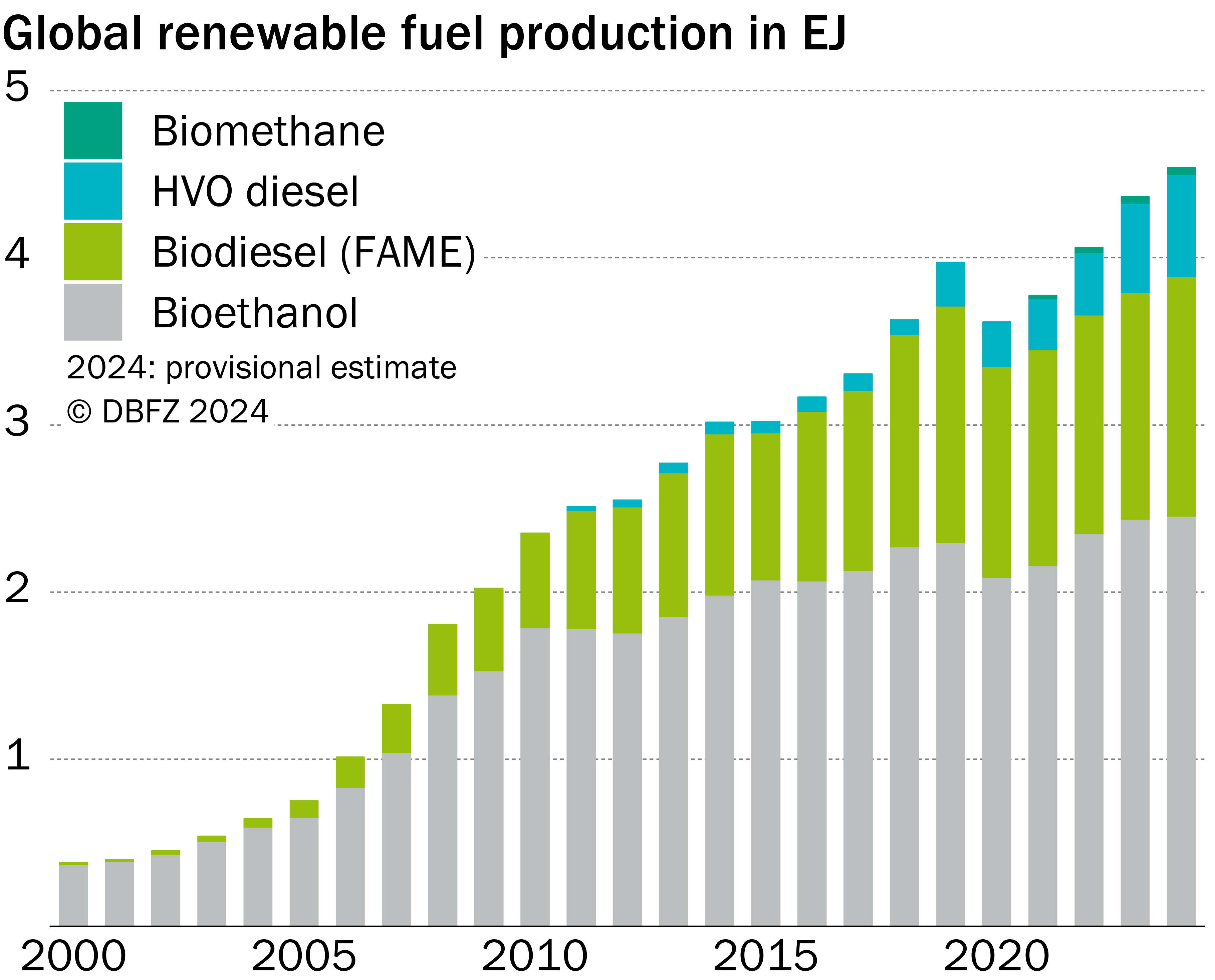
Development of biofuel produced worldwide

Fig. 6-11 on page 106

Download [JPG, 1,3 MB]

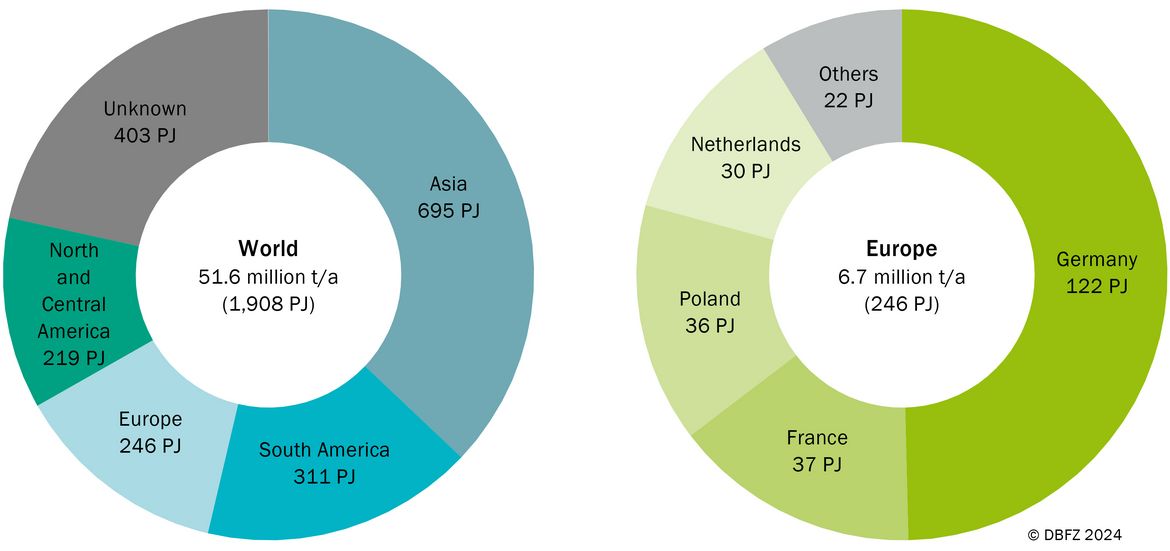
Bioethanol for use as a fuel — global and European production volumes in 2023

Fig. 6-12 on page 106

Download [JPG, 906 KB]

Biodiesel (FAME) — global and European production volumes in 2023

Fig. 6-13 on page 107

Download [JPG, 884 KB]

HVO/HEFA diesel — global and European production volumes in 2023

Fig. 6-14 on page 107

Download [JPG, 858 KB]

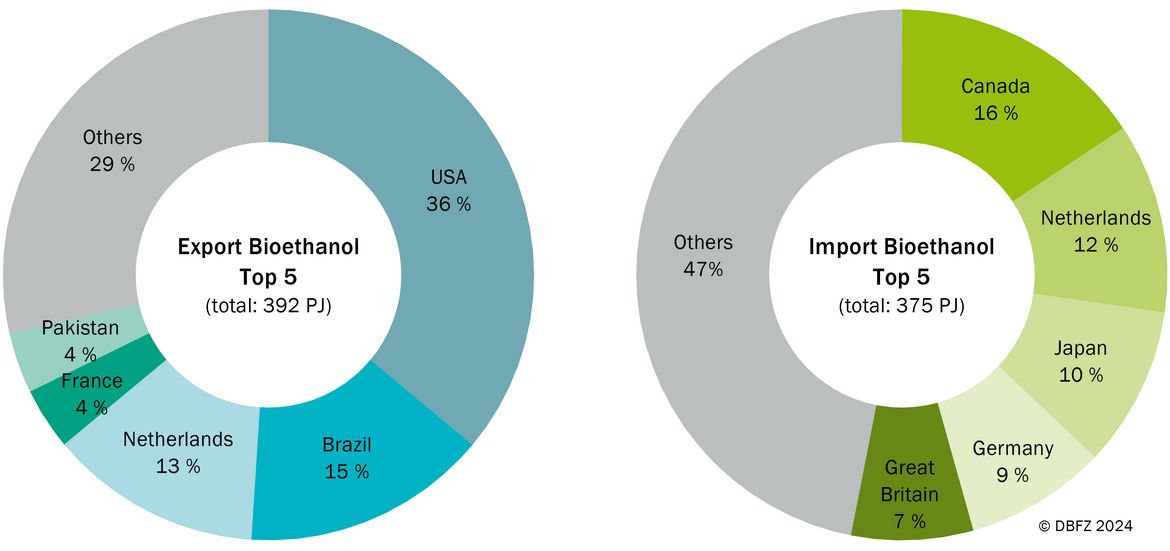
Bioethanol — trade balance, representation also includes bioethanol used as a material

Fig. 6-15 on page 108

Download [JPG, 876 KB]

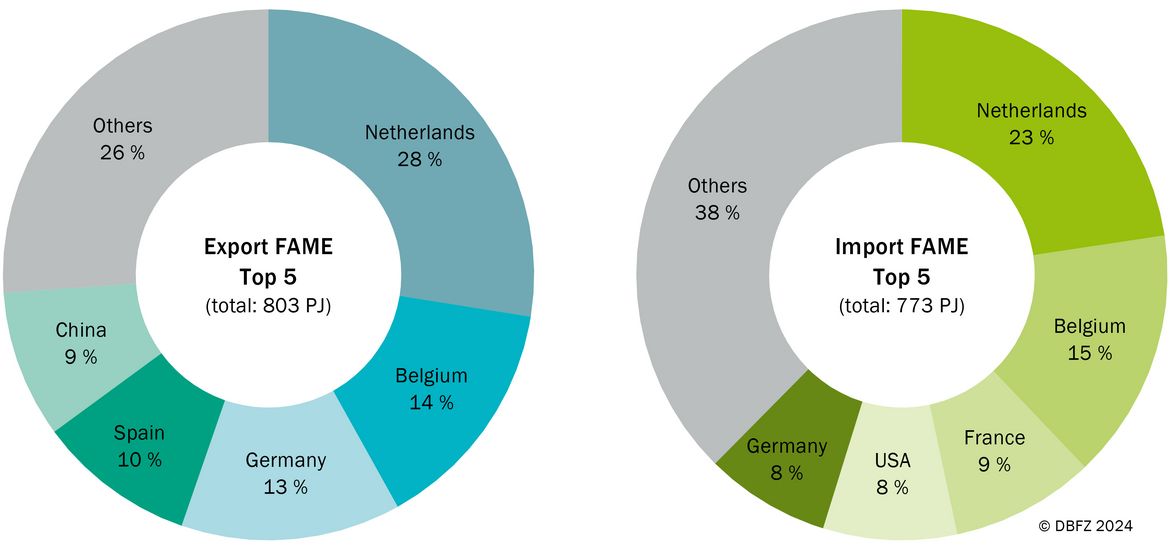
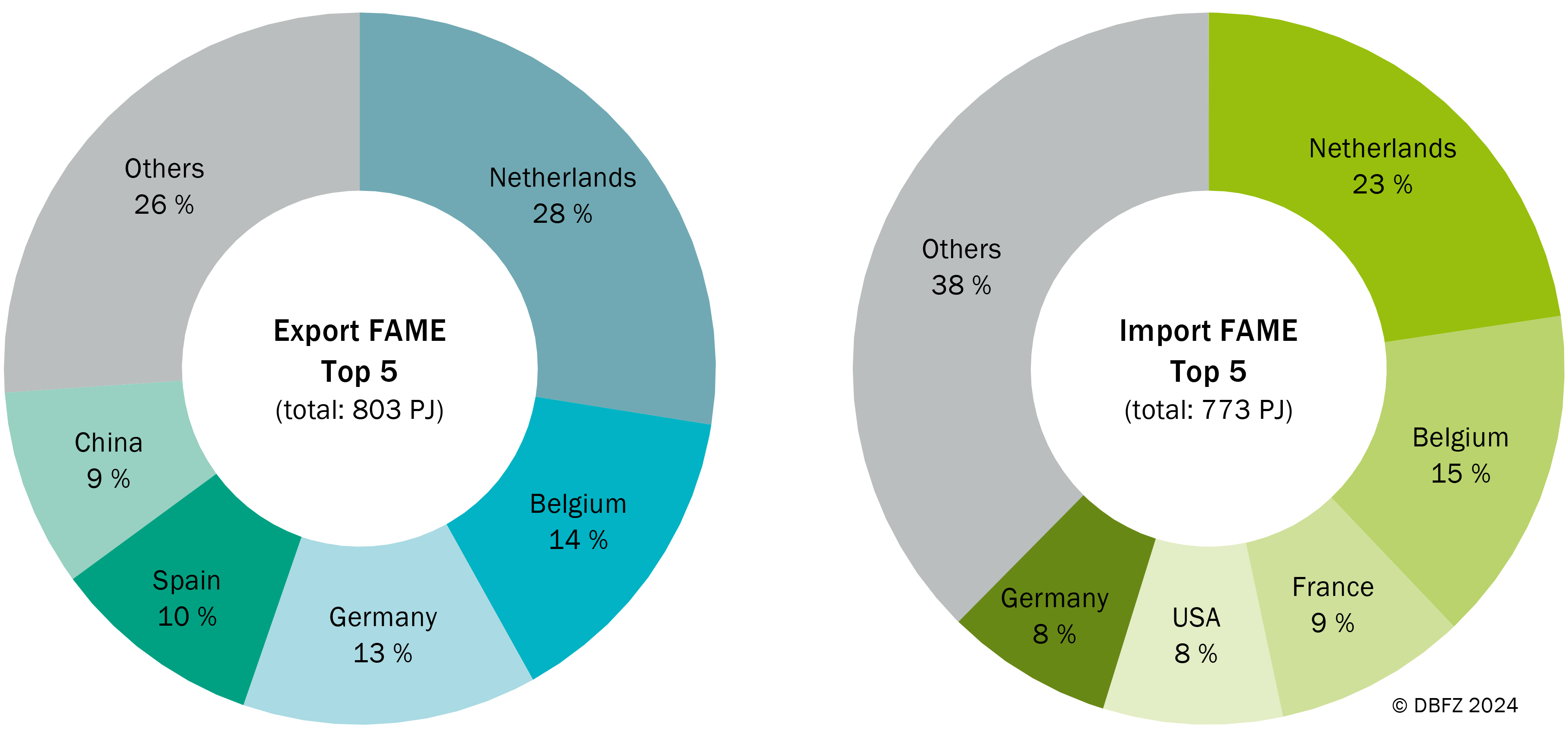
Biodiesel (FAME) — trade balance

Fig. 6-16 on page 108

Download [JPG, 882 KB]

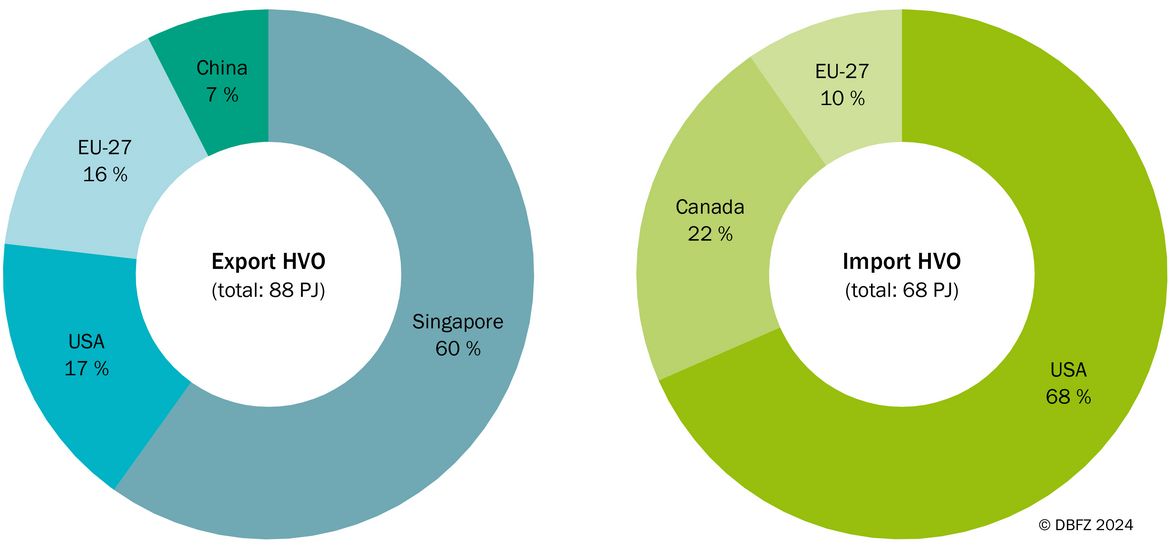
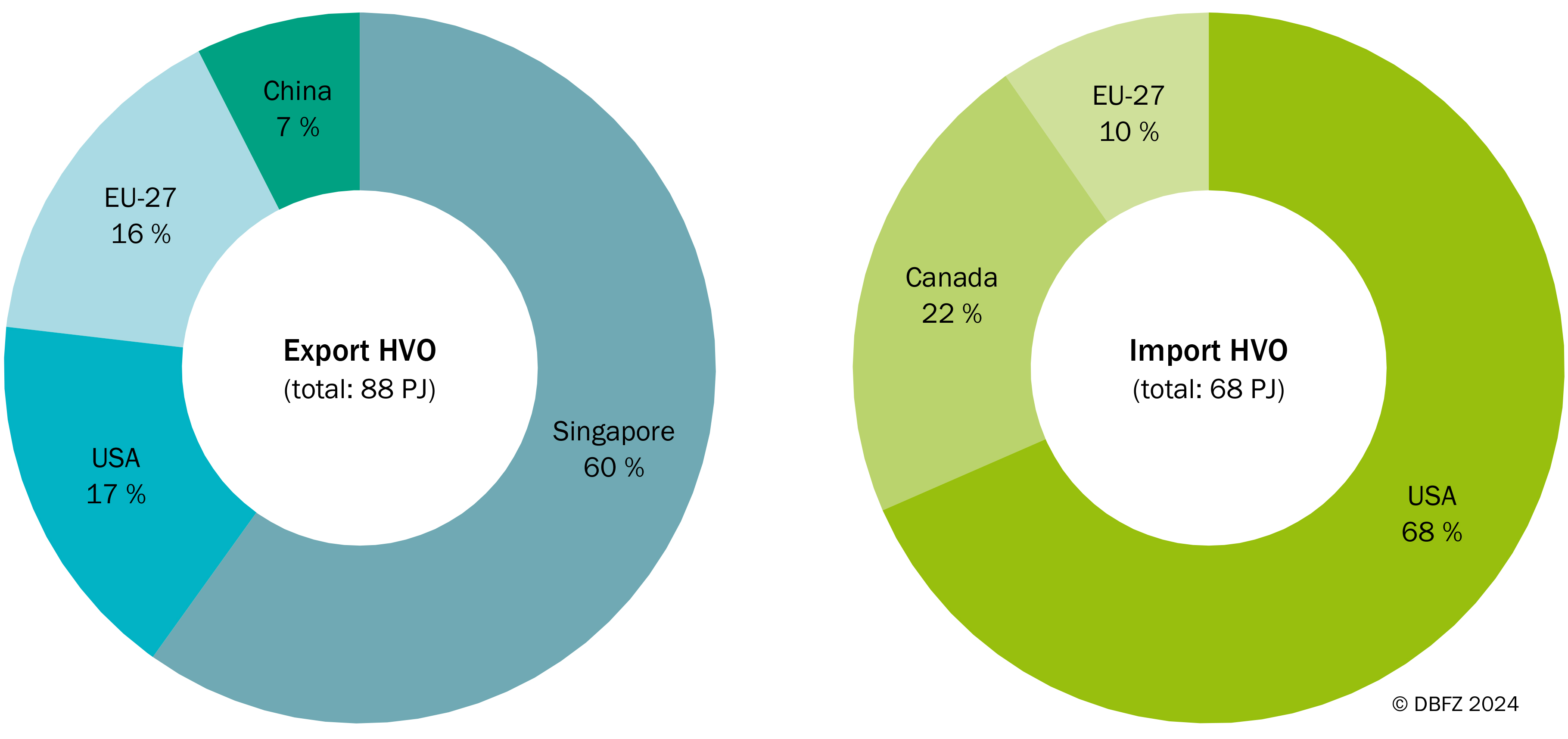
HVO/HEFA diesel — trade balance

Fig. 6-17 on page 108

Download [JPG, 790 KB]

Production countries for biofuels from primary biogenic products to fulfil the German GHG quota in 2023

Fig. 6-18 on page 110

Download [JPG, 1 MB]

Production countries for biofuels from biogenic waste and residues to fulfil the German GHG quota in 2023

Fig. 6-19 on page 110

Download [JPG, 1 MB]

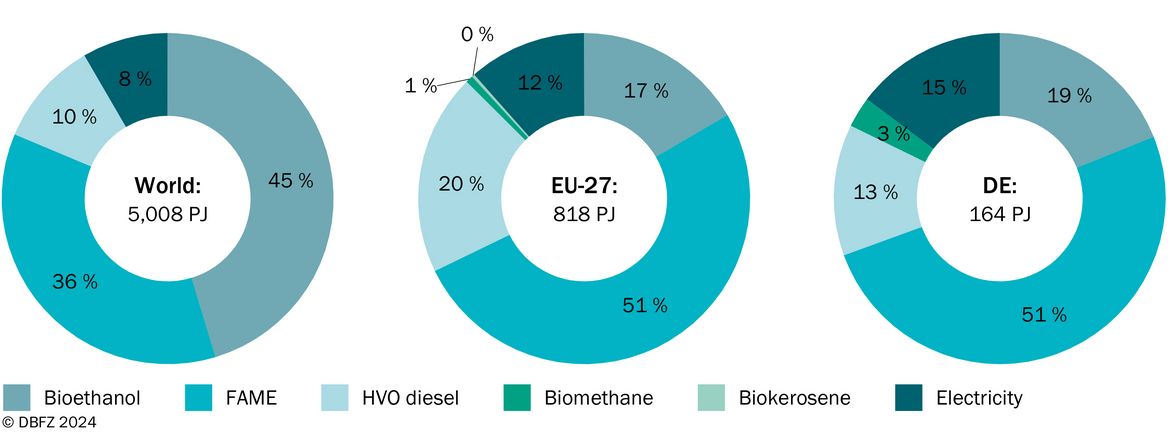
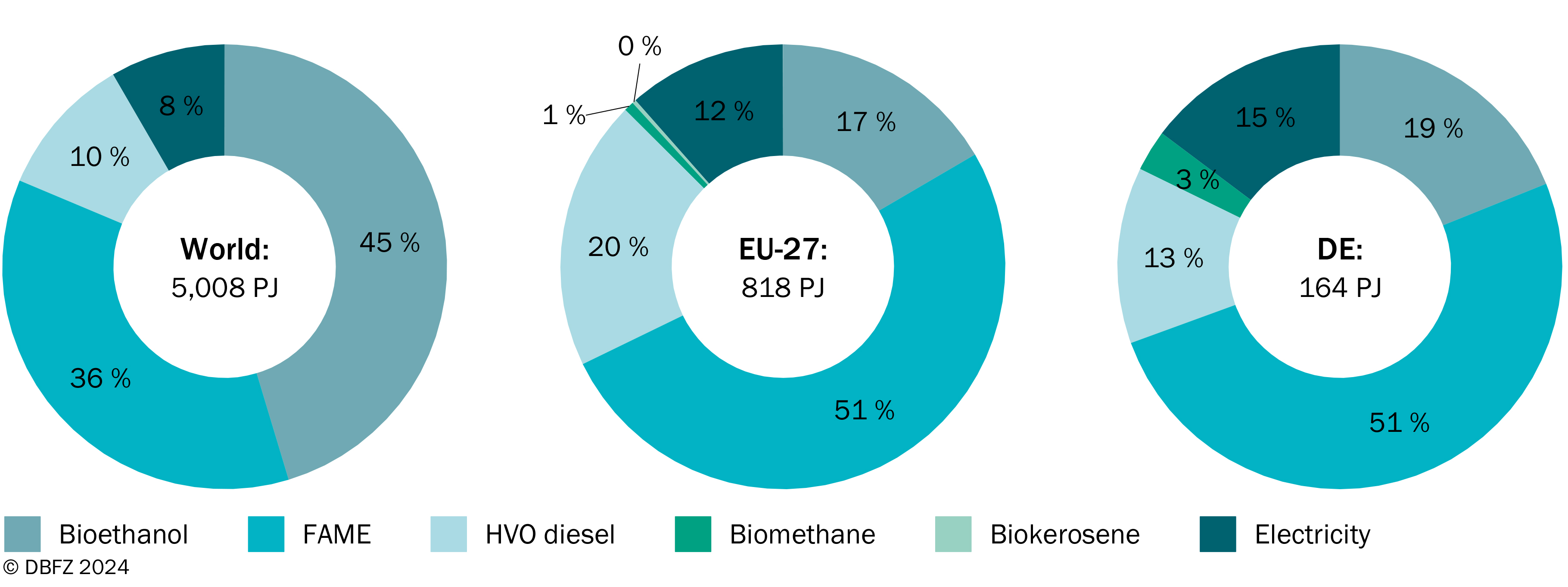
Use of renewable energy carriers in 2022; note: share of global renewable electricity in the transport sector on the basis of 2021

Fig. 6-20 on page 111

Download [JPG, 779 KB]

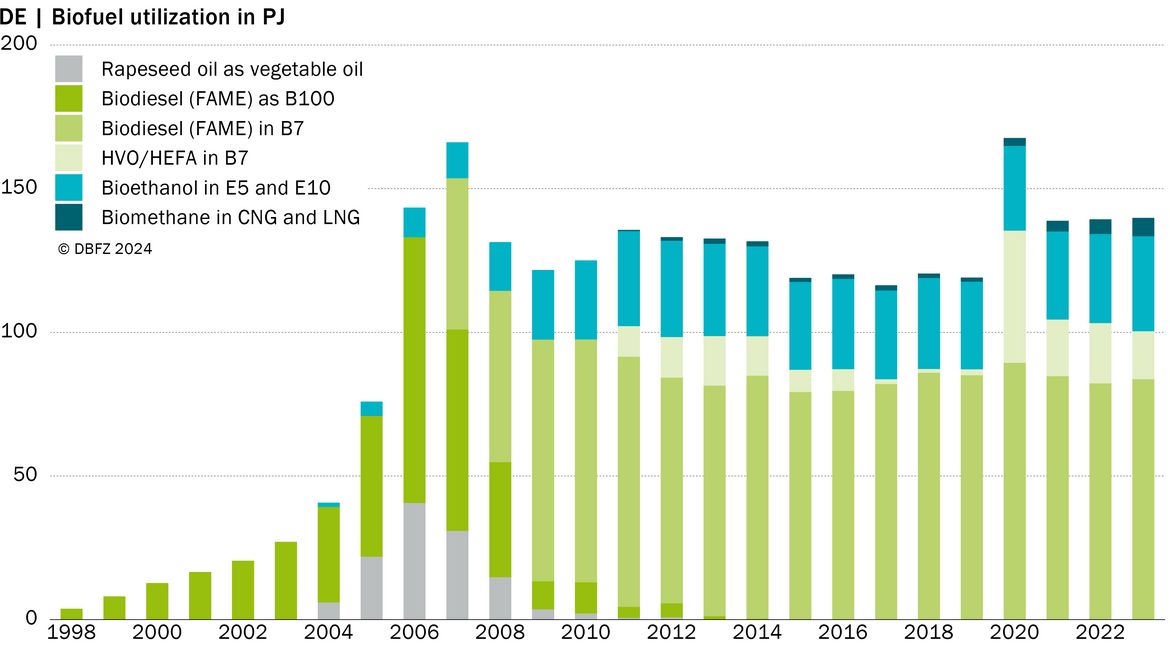
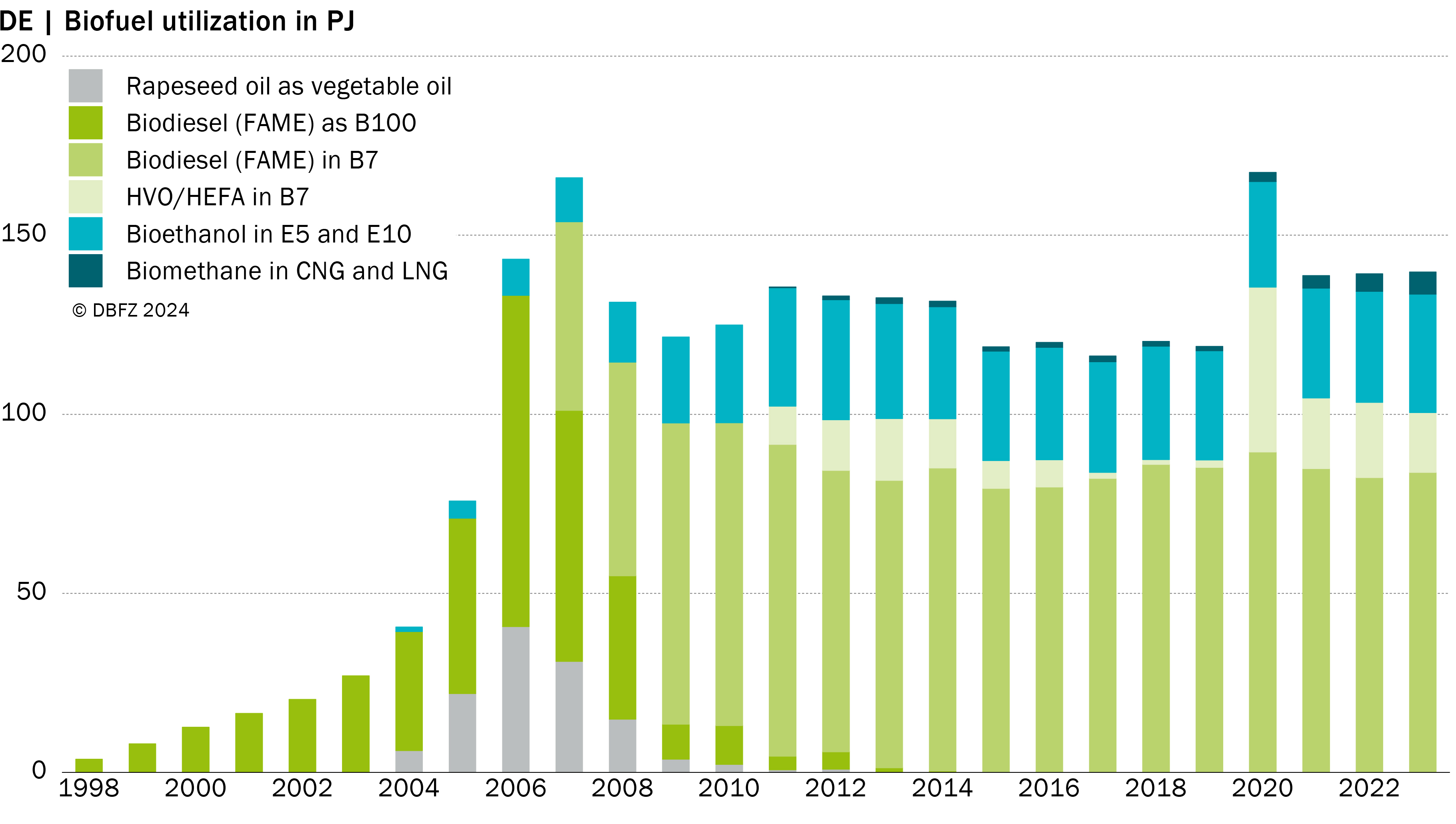
Biofuel use in Germany

Fig. 6-21 on page 111

Download [JPG, 1 MB]

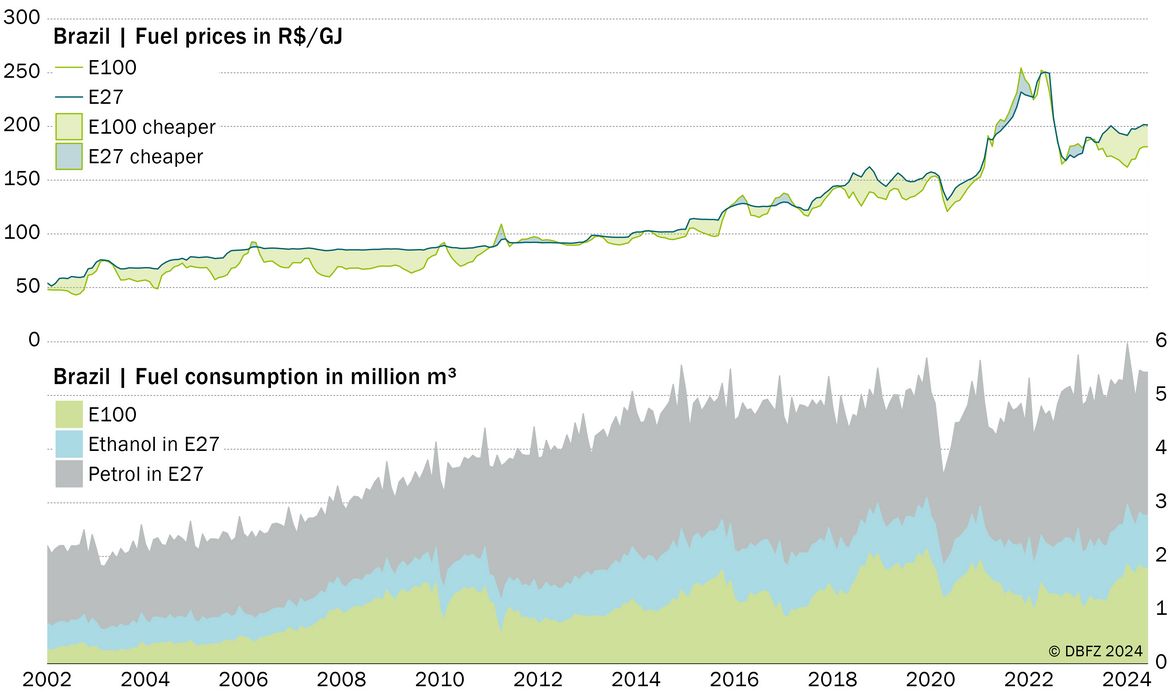
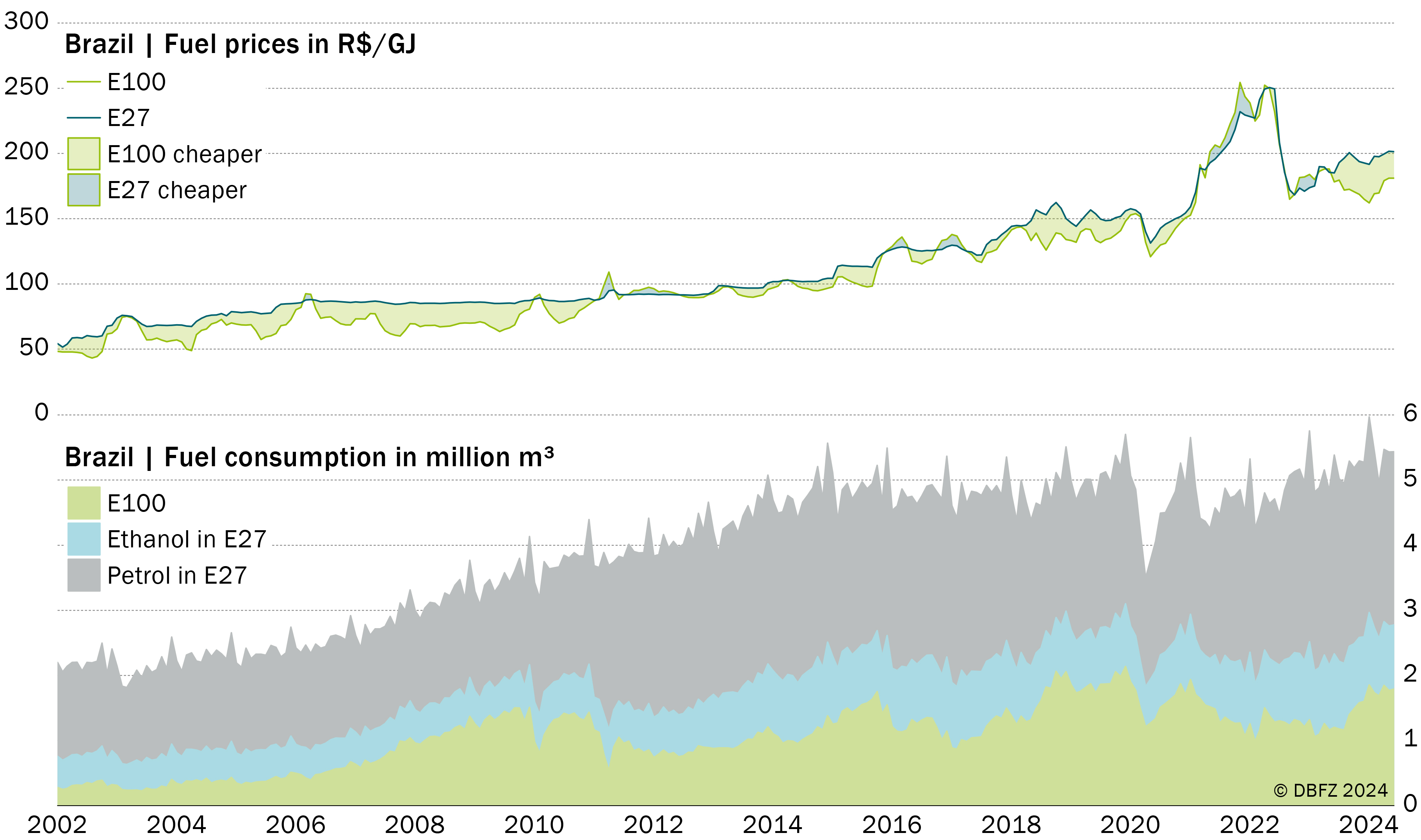
Monthly price and consumption of petrol (E27) and bioethanol (E100) in Brazil between 2002 and 2024

Fig. 6-22 on page 112

Download [JPG, 1,3 MB]

Chapter 7: Application

When using the illustrations in Chapter 7, please cite them as follows:

Schröder, J.; Görsch, K.; Remmele, E.; Emberger, P.; Thuneke, K. (2026): Application. In: Schröder, J.; Görsch, K. (eds.): Renewable Energies in Transport. Monitoring Report. pp. 113-130. Leipzig: DBFZ. ISBN: 978-3-949807-36-7. DOI: 10.48480/45hp-x131
Fuel options for road vehicles in addition to EN 228 petrol (E0, E5, E10) and EN 590 diesel (B7)

Fig. 7-1 on page 114

Download [JPG, 1,4 MB]

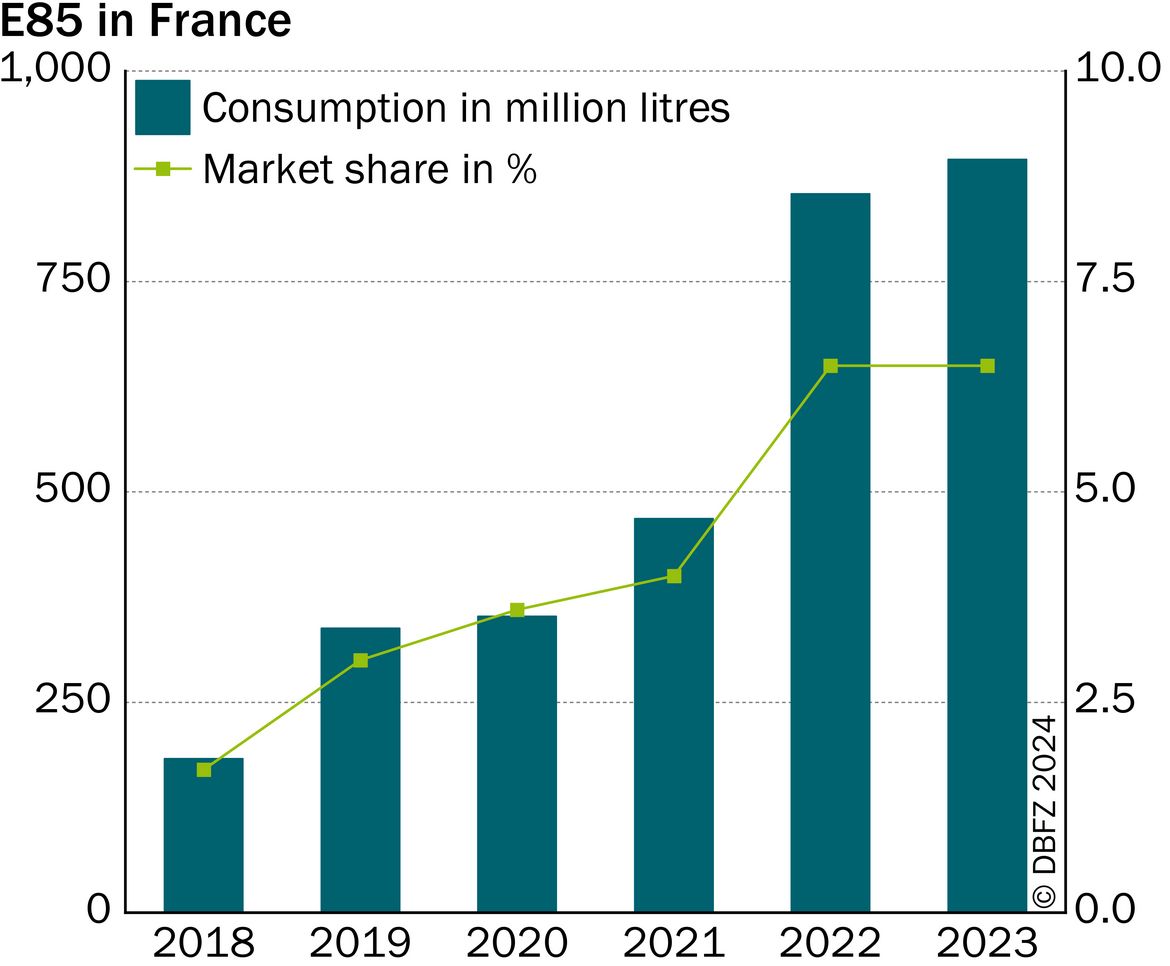
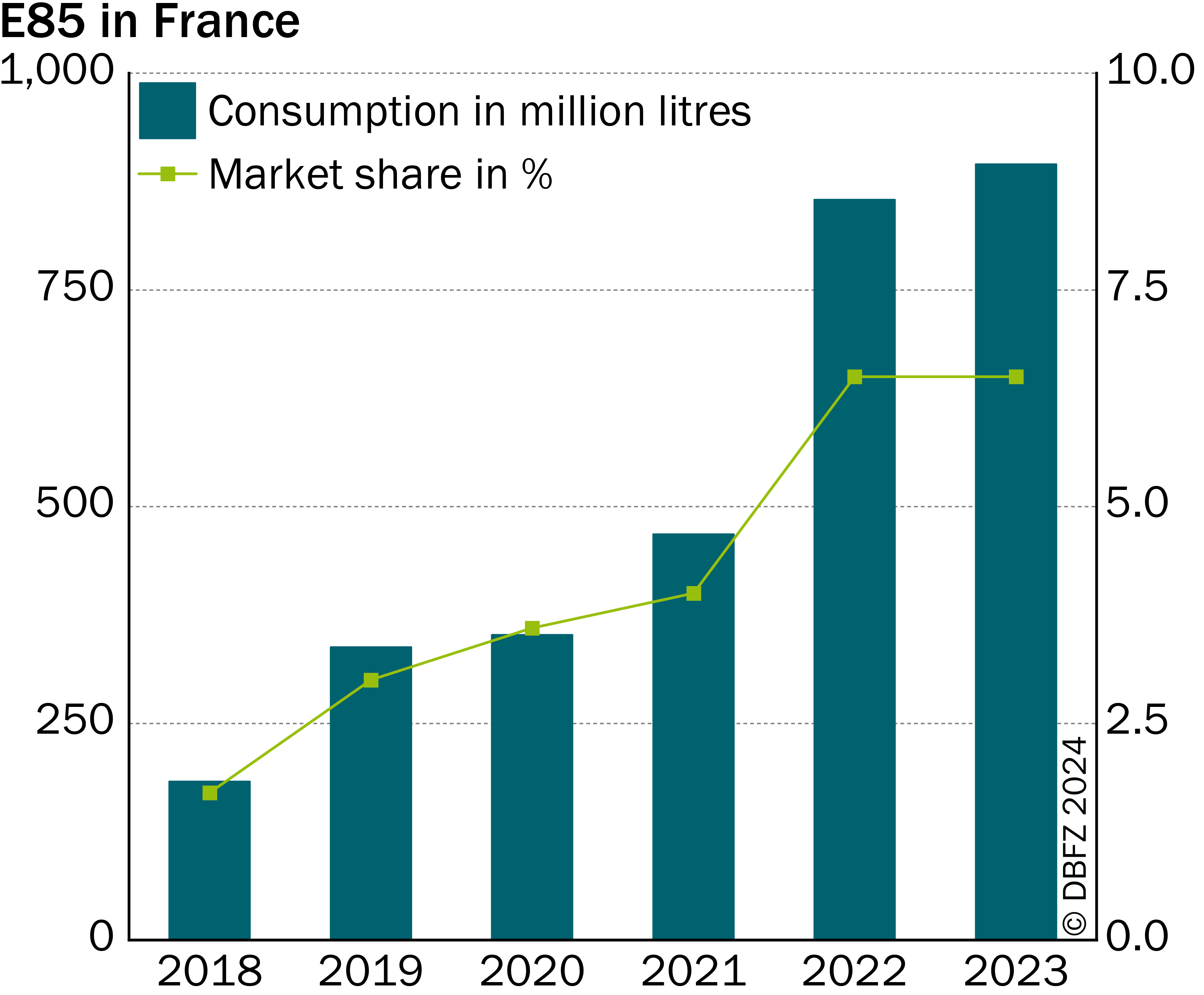
Development of E85 fuel in France

Fig. 7-6 on page 130

Download [JPG, 1,3 MB]

Chapter 8: Environmental assessment

When using the illustrations in Chapter 8, please cite them as follows:

Götz, I. K.; Meisel K.; Schröder, J.; Remmele, E.; Thuneke, K.; Bauer, C.; Sacchi, R. (2026): Environmental assessment. In: Schröder, J.; Görsch, K. (eds.): Renewable Energies in Transport. Monitoring Report. pp. 131-142. Leipzig: DBFZ. ISBN: 978-3-949807-36-7. DOI: 10.48480/45hp-x131
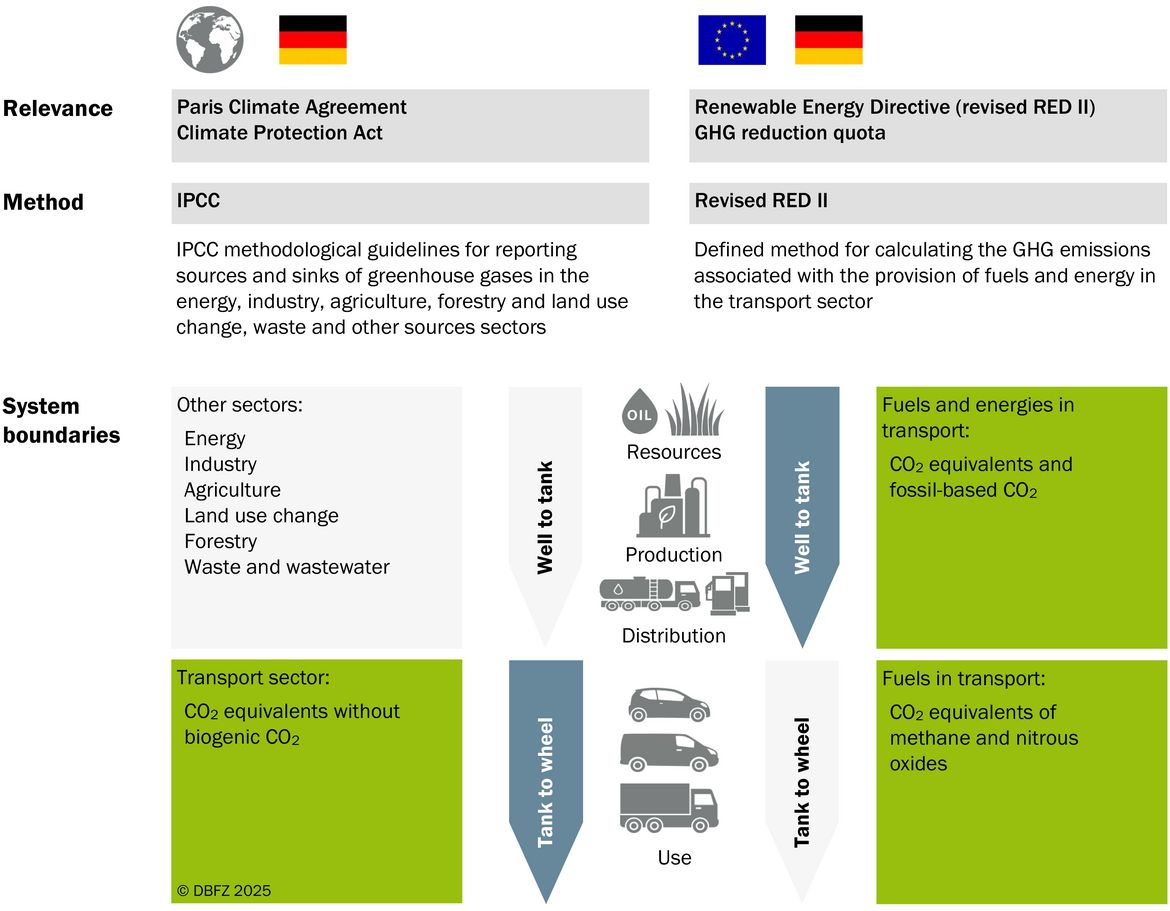
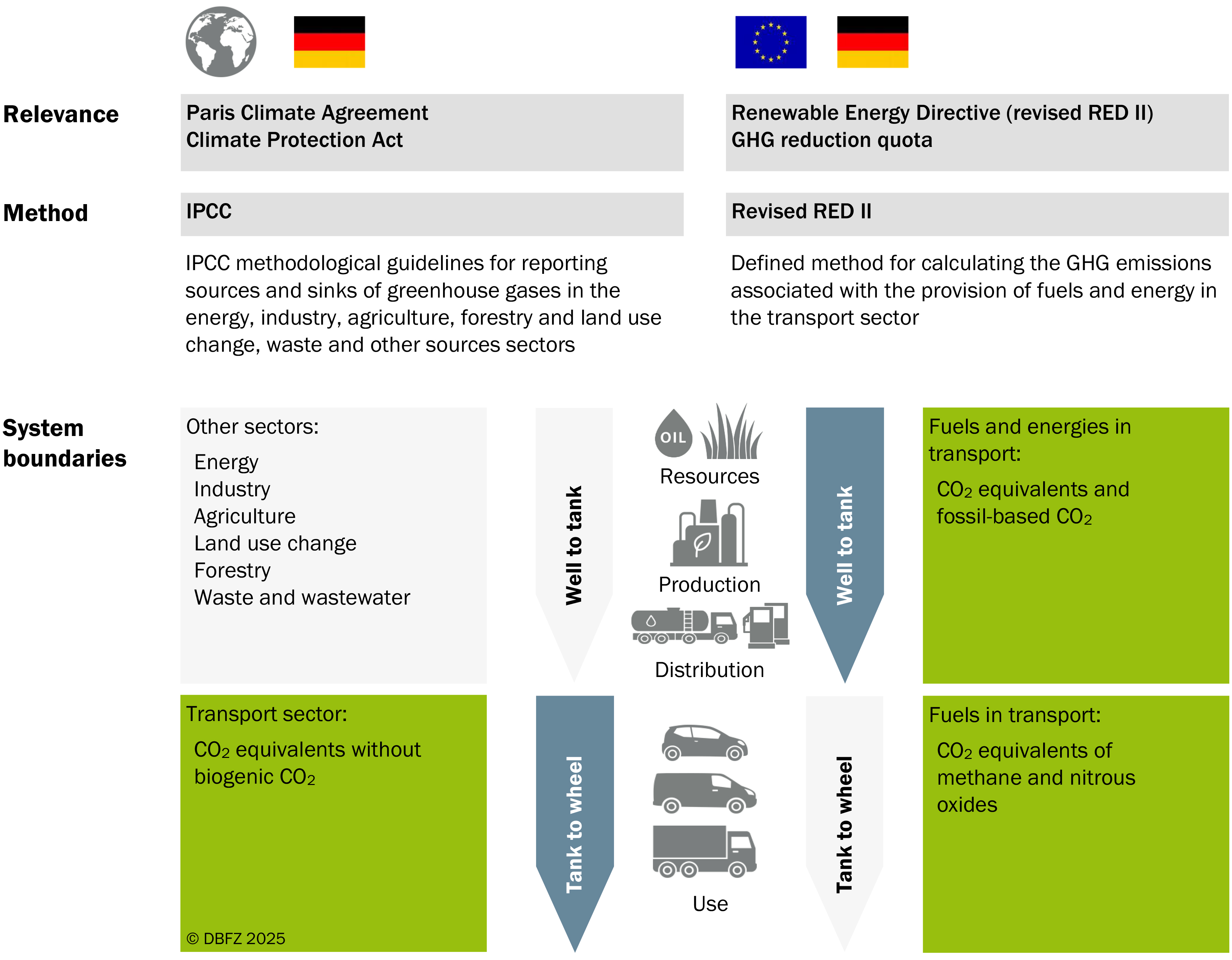
Boundaries of greenhouse gas accounting according to IPCC and revised REDII

Fig. 8-1 on page 133

Download [JPG, 1,8 MB]

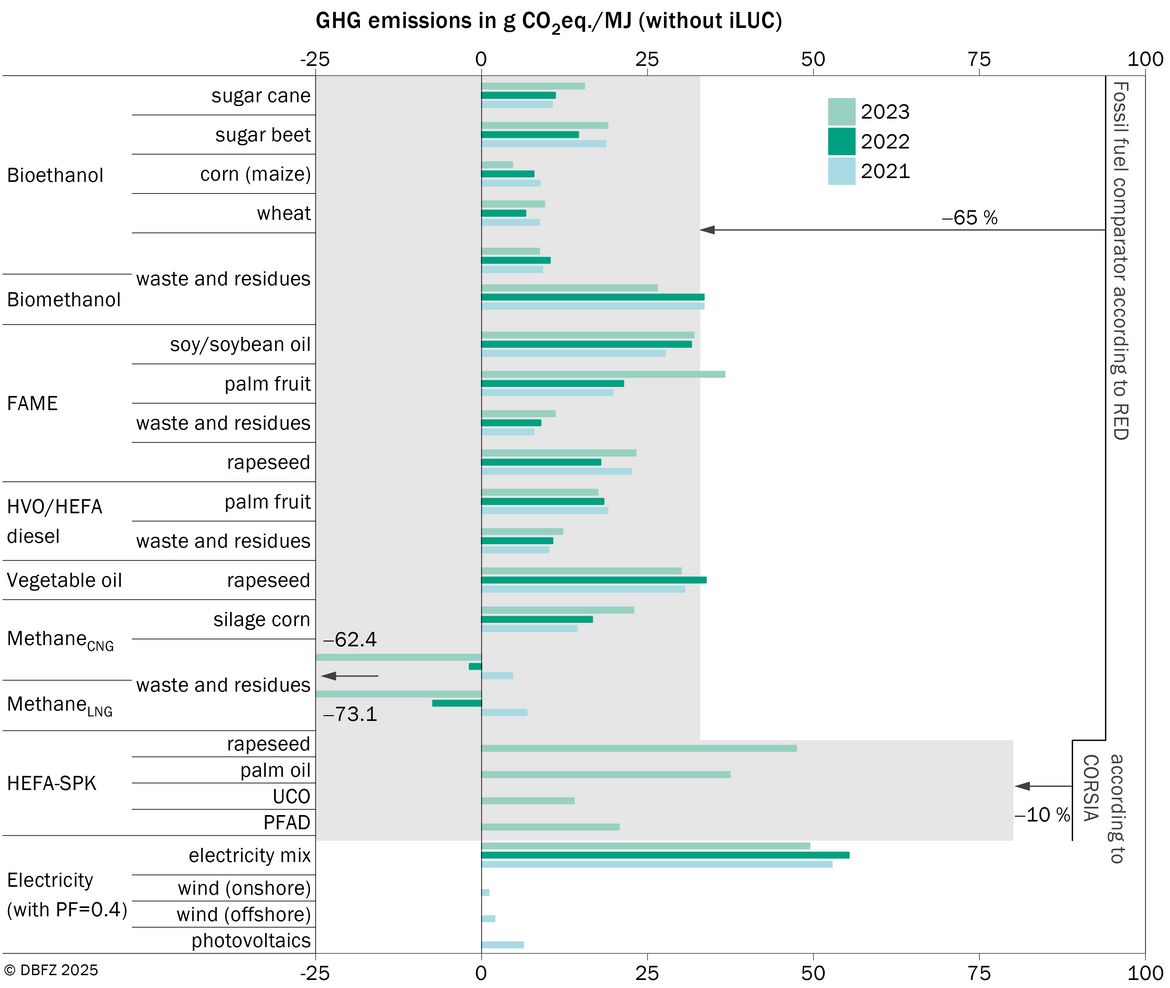
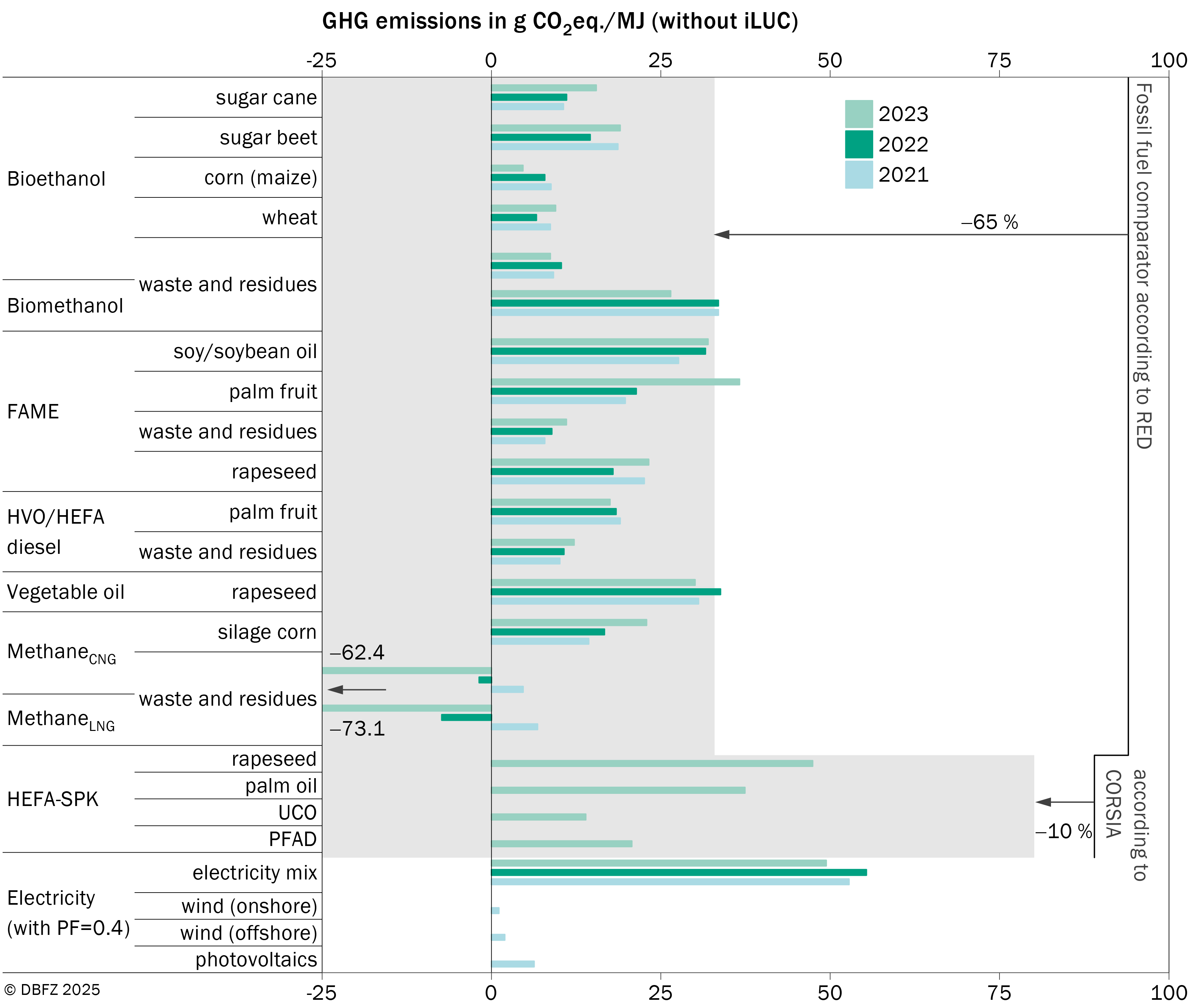
GHG emissions of commercially available fuels

Fig. 8-2 on page 138

Download [JPG, 1,5 MB]

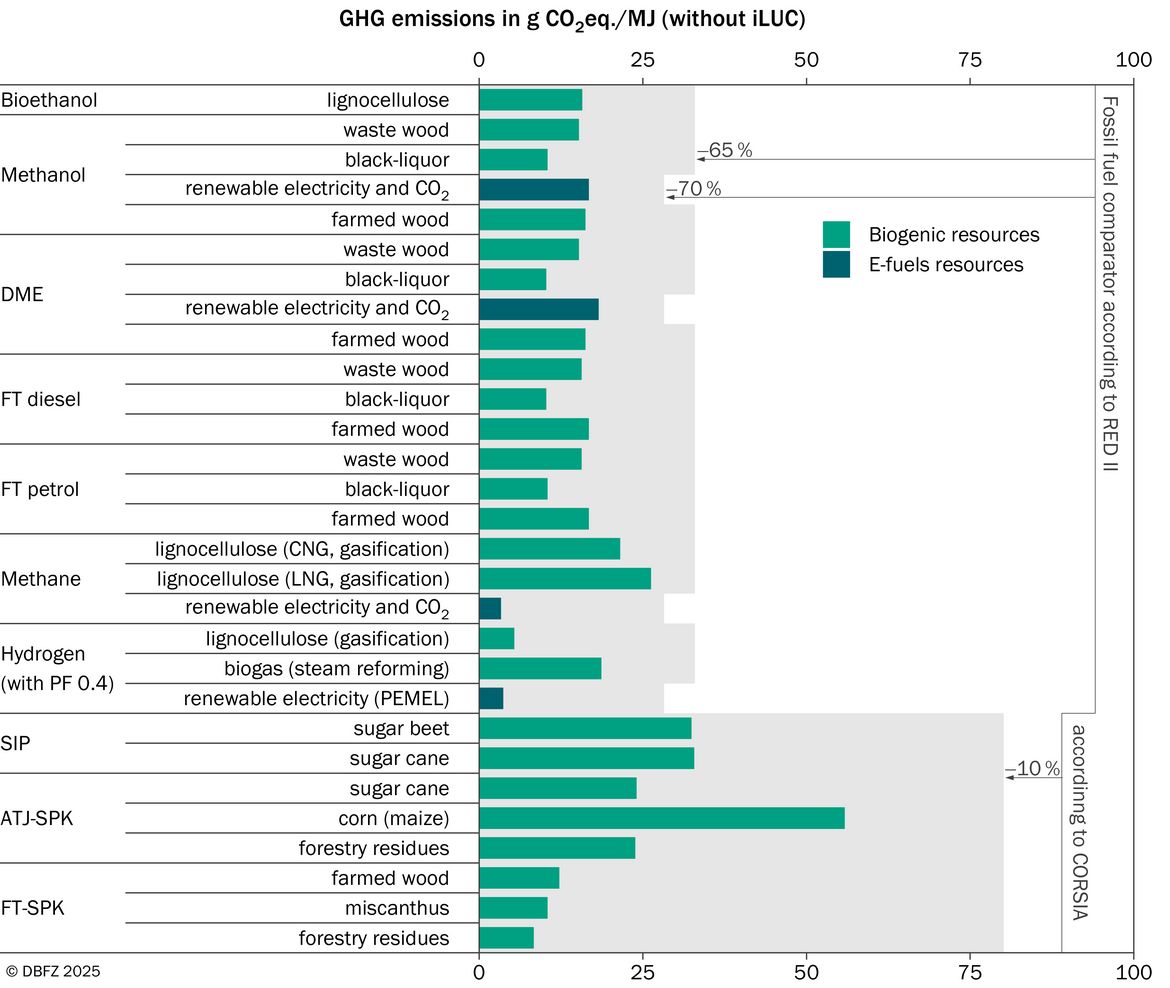
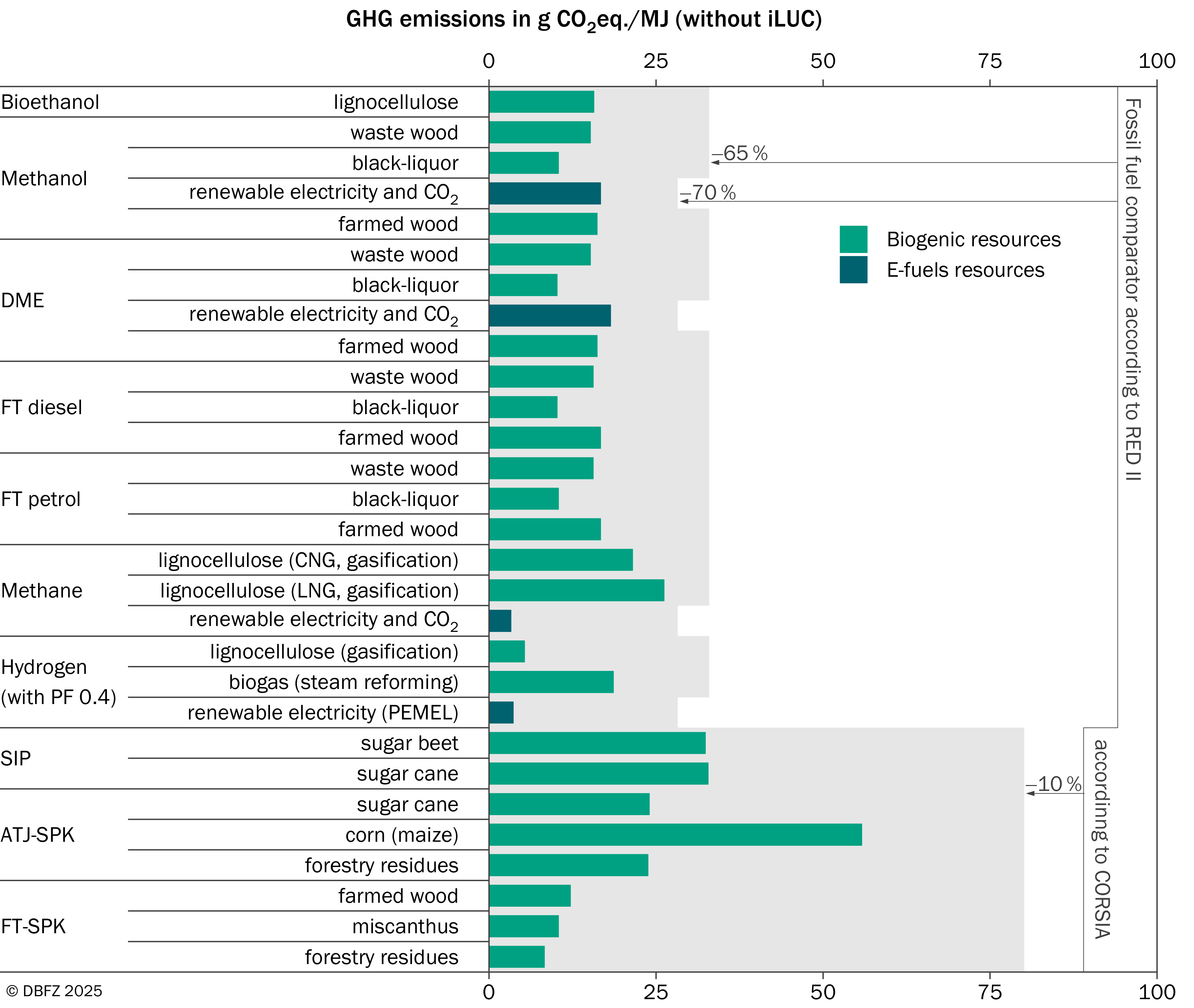
GHG emissions of future energy carriers

Fig. 8-3 on page 139

Download [JPG, 1,7 MB]

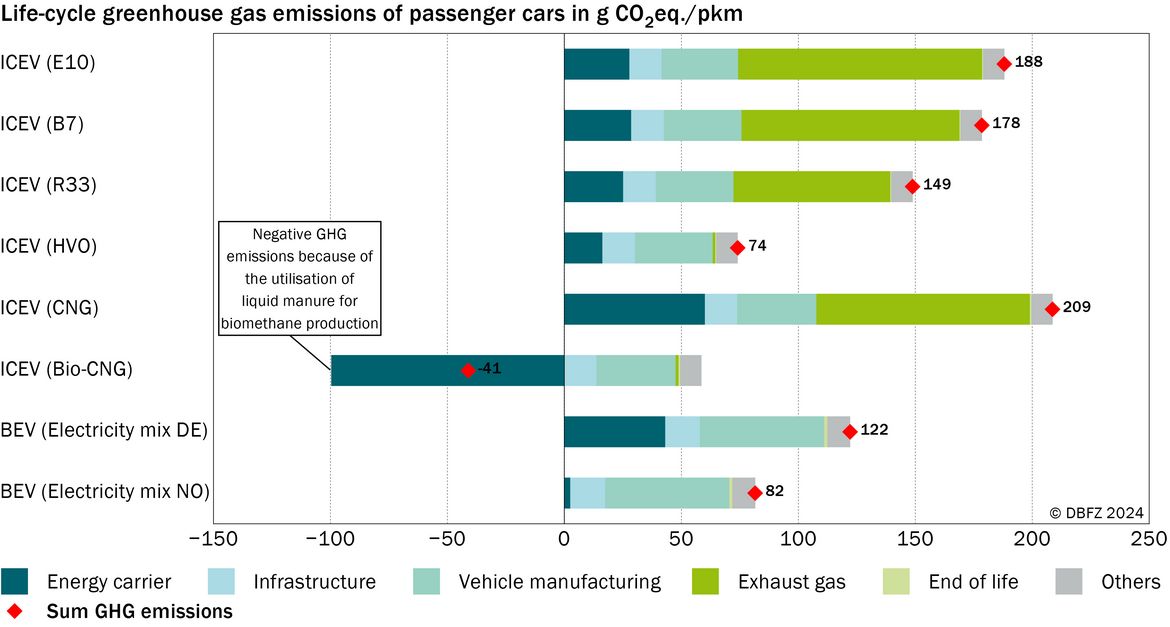
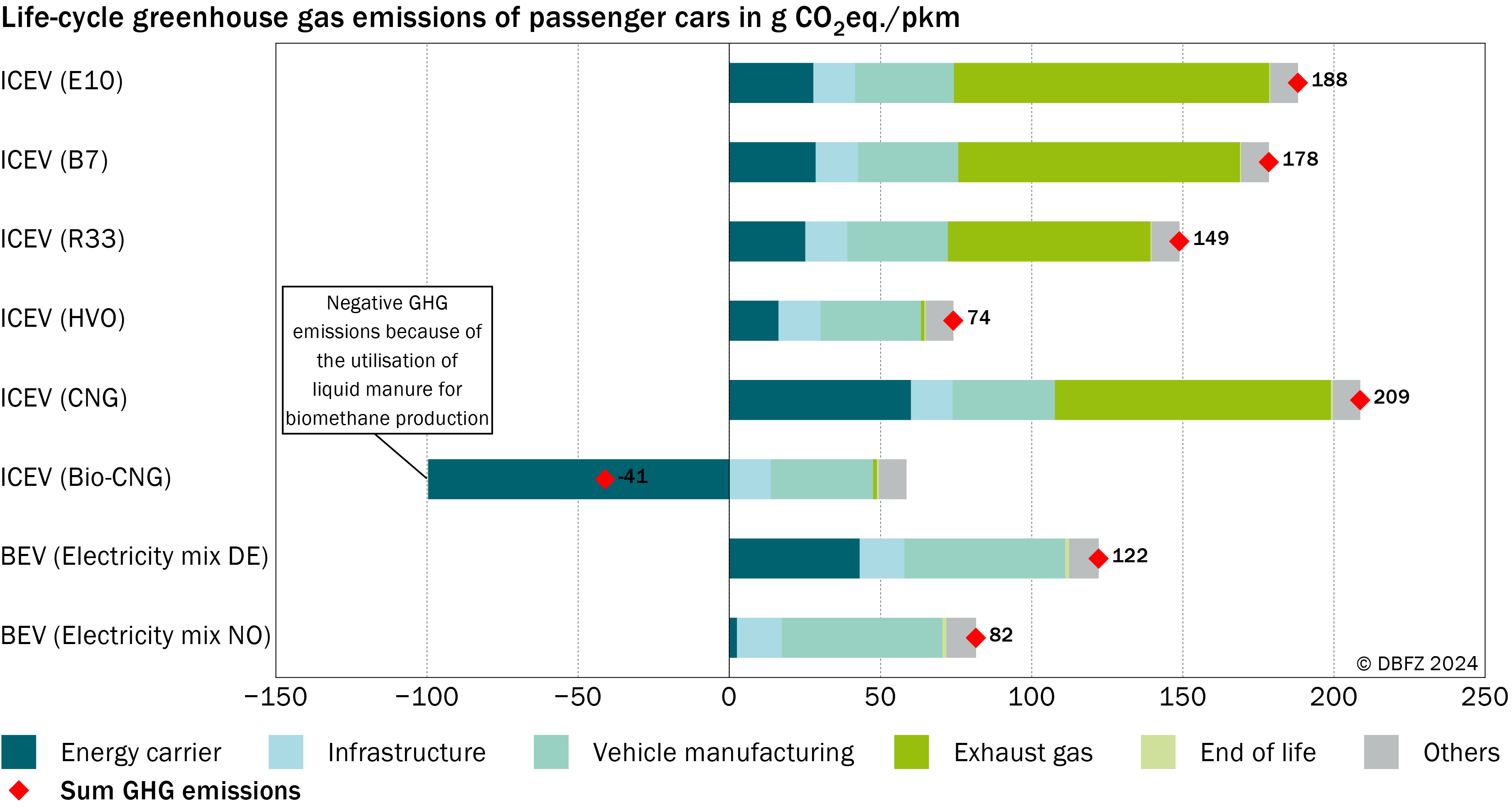
Life cycle GHG emissions of a compact passenger car, broken down according to drive energy used

Fig. 8-4 on page 141

Download [JPG, 1 MB]

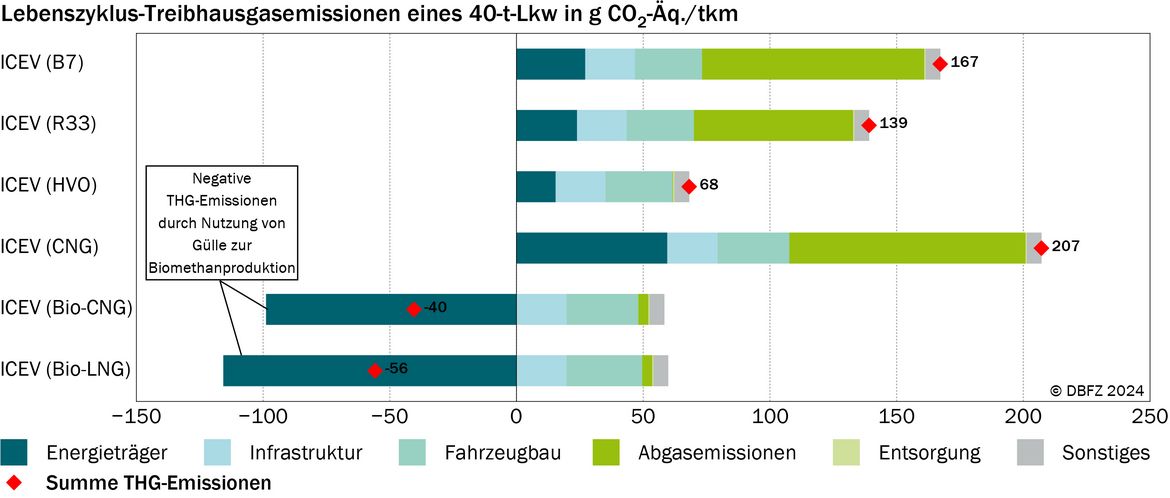
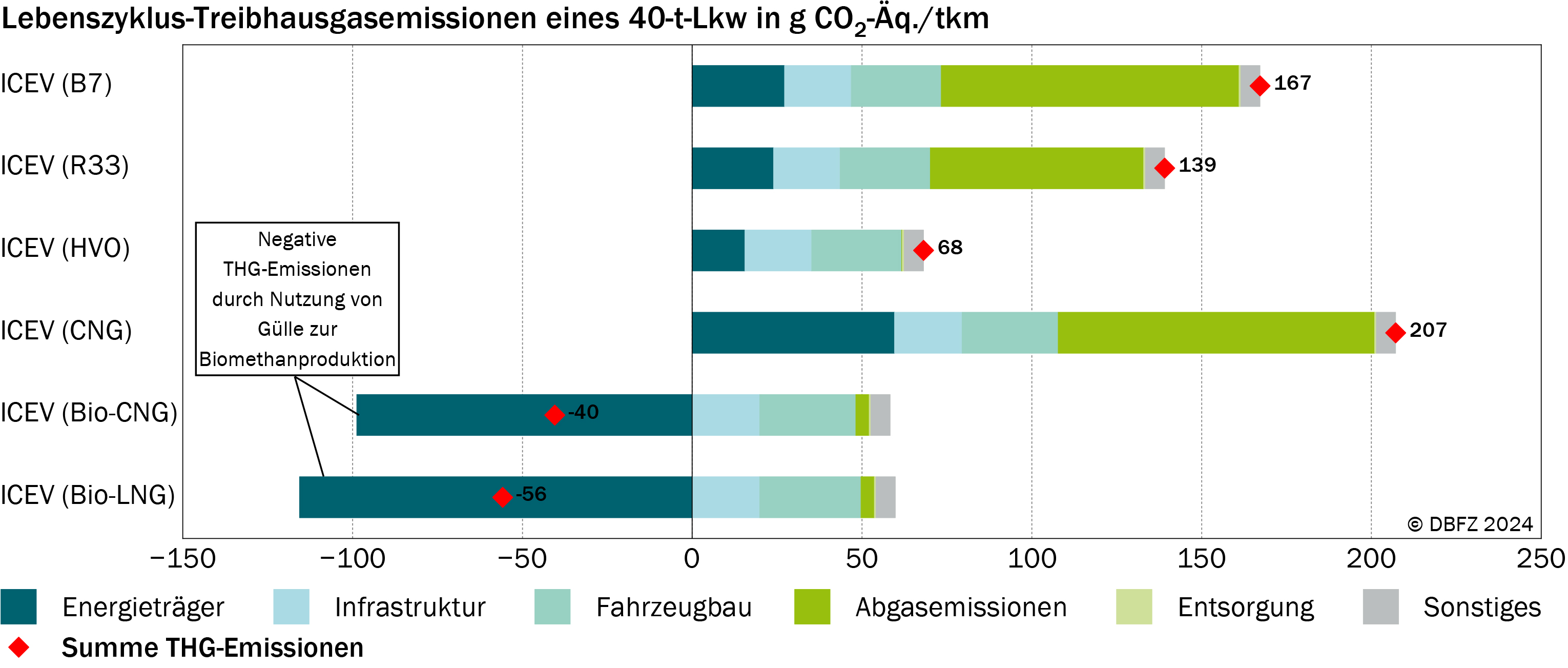
Life cycle GHG emissions of a 40-tonne truck, broken down according to drive energy used

Fig. 8-5 on page 143

Download [JPG, 908 KB]

Chapter 9: Economic evaluation and assessment

When using the illustrations in Chapter 9, please cite them as follows:

Dögnitz, N.; Etzold, H. (2026): Economic evaluation and assessment. In: Schröder, J.; Görsch, K. (eds.): Renewable Energies in Transport. Monitoring Report. pp. 143-147. Leipzig: DBFZ. ISBN: 978-3-949807-36-7. DOI: 10.48480/45hp-x131
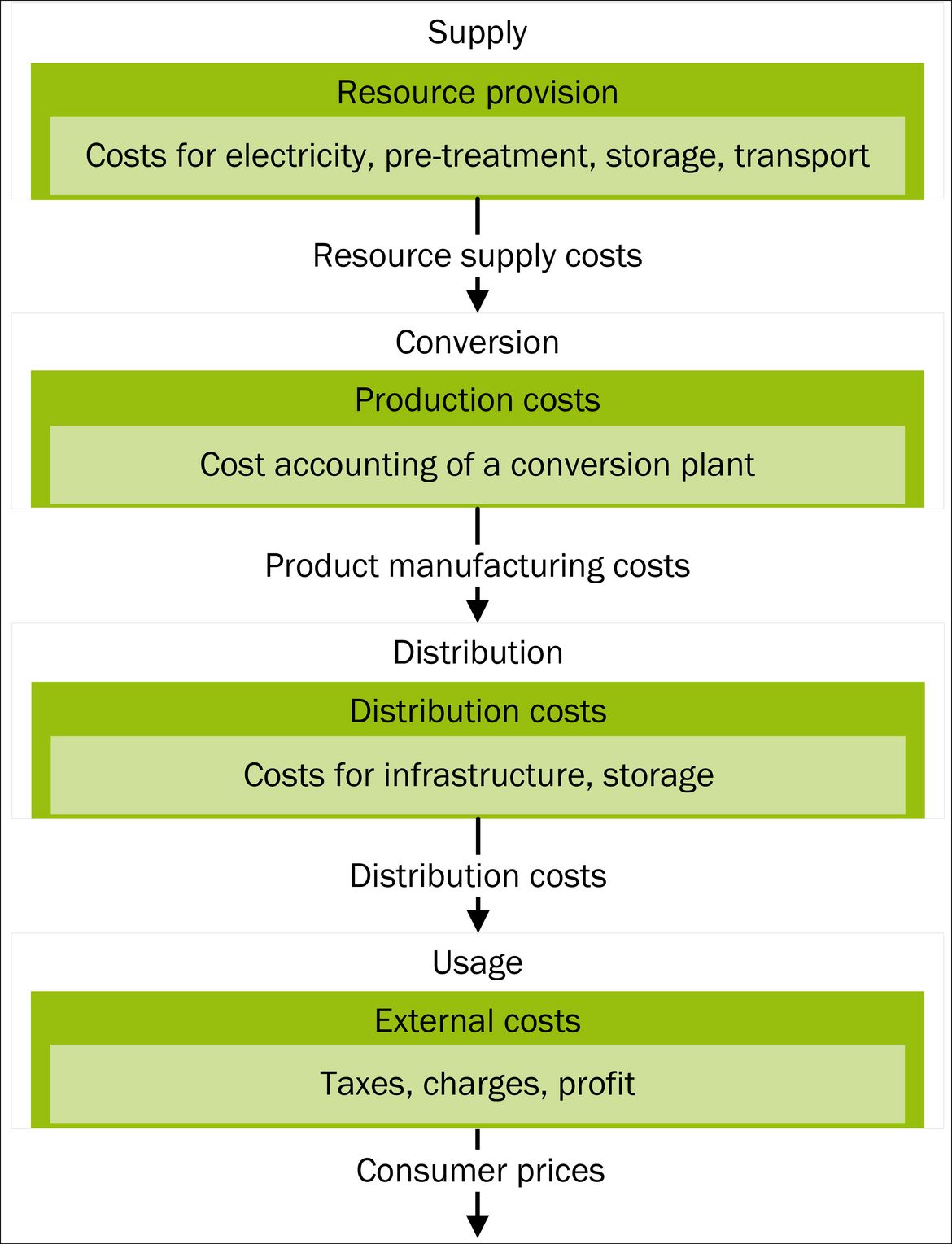
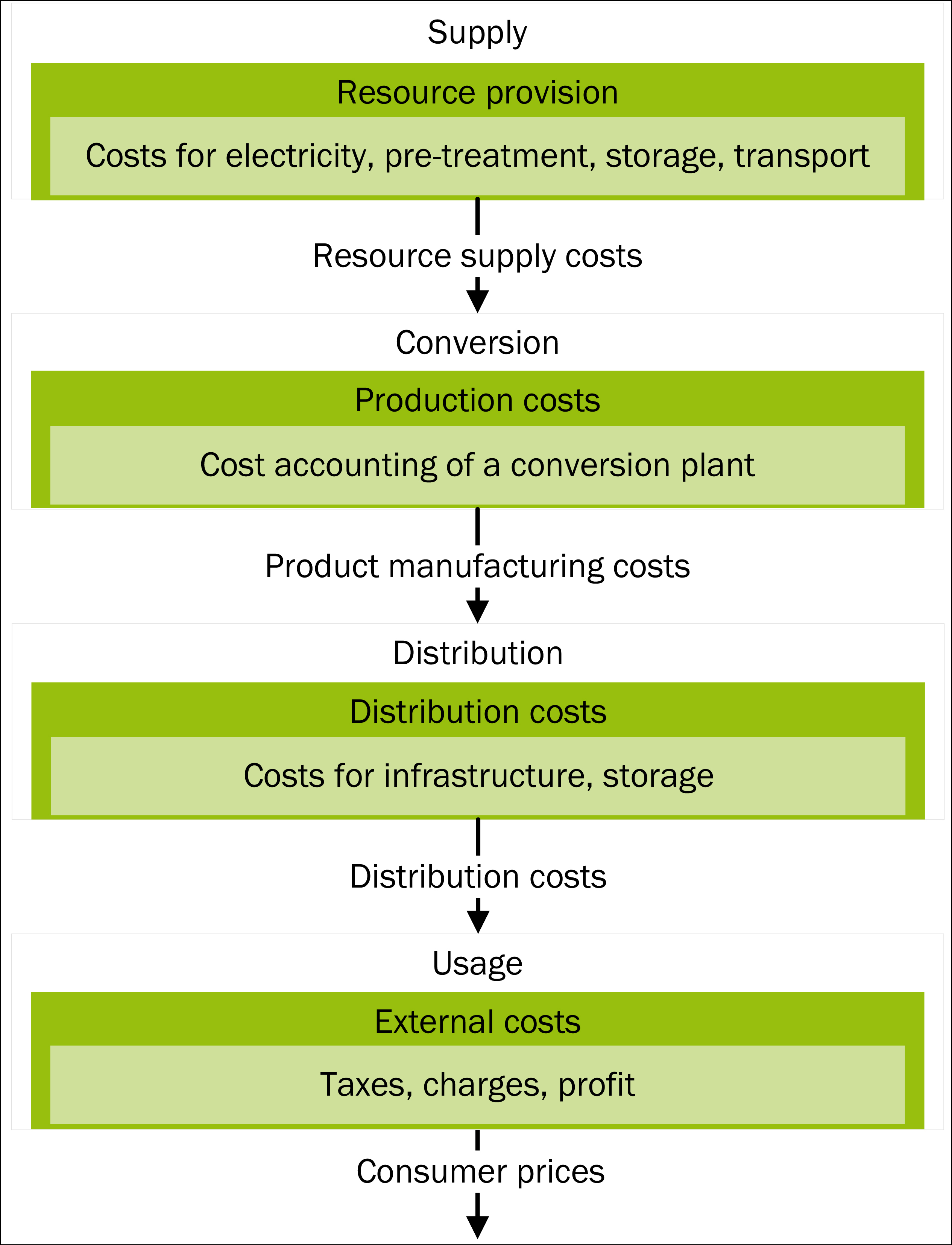
Simplified illustration for defining the system boundaries in economic accounting

Fig. 9-1 on page 144
Download [JPG, 1,4 MB]

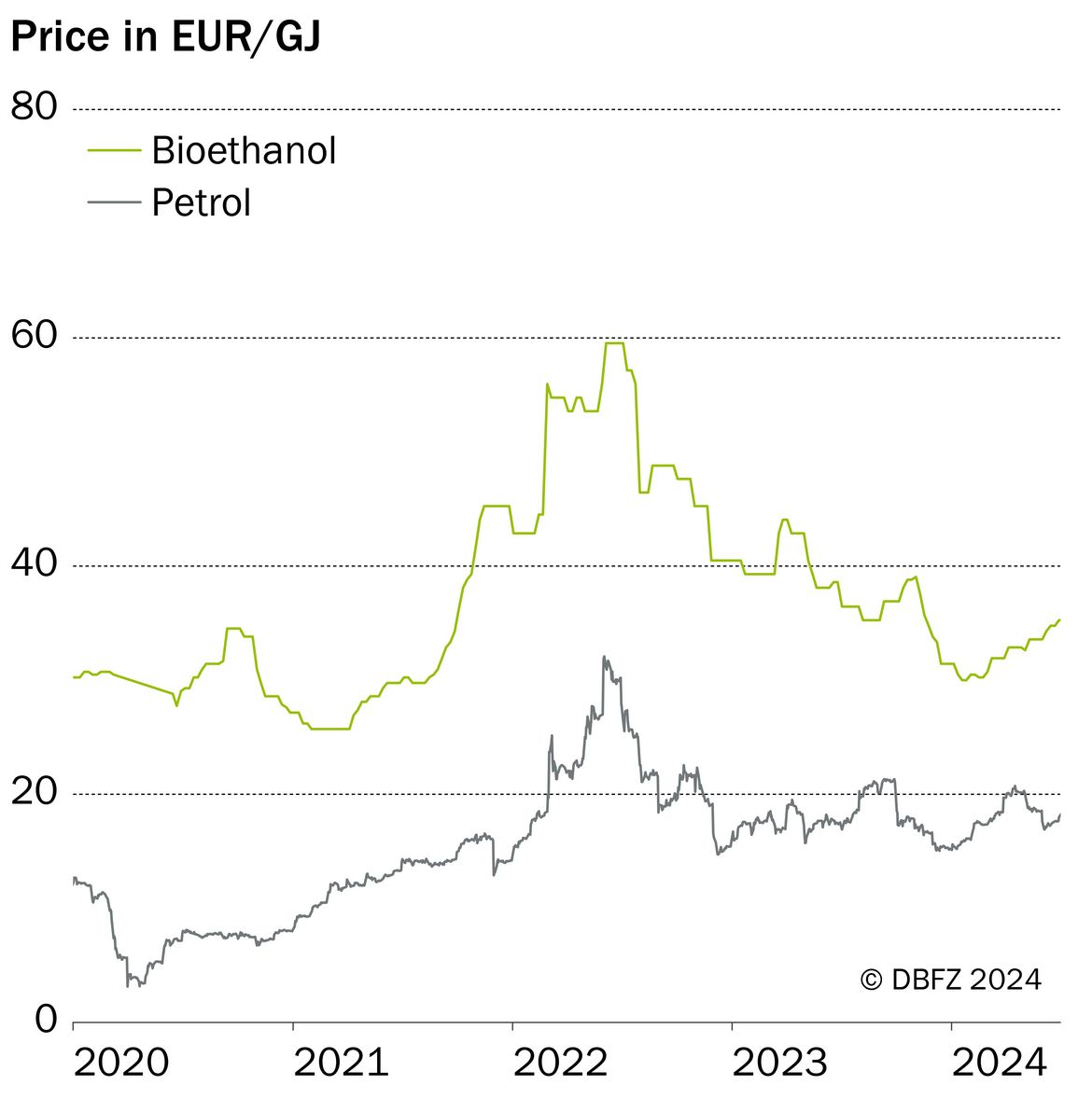
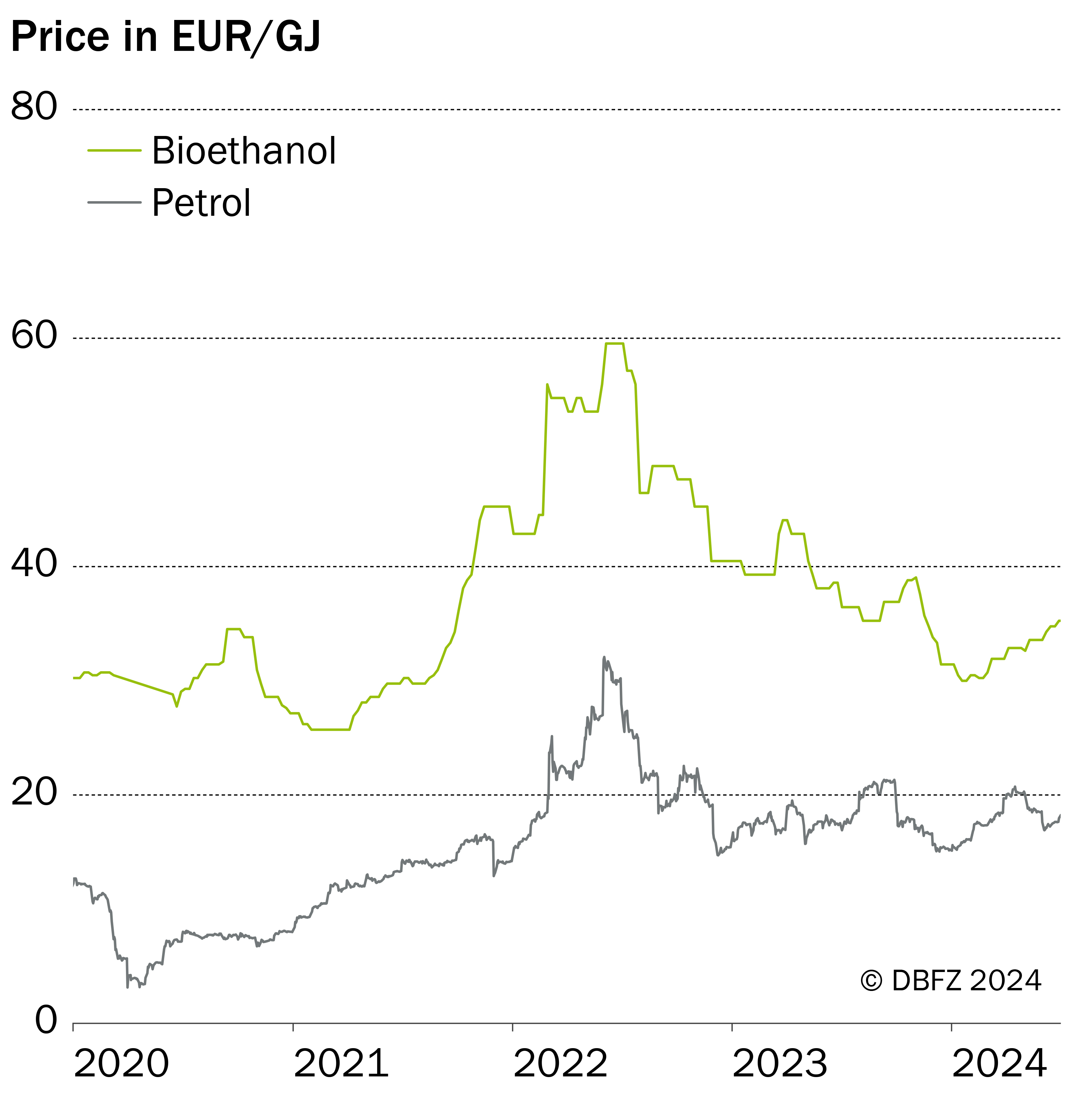
Price development of bioethanol and fossil petrol

Fig. 9-2 on page 144

Download [JPG, 1,25 MB]

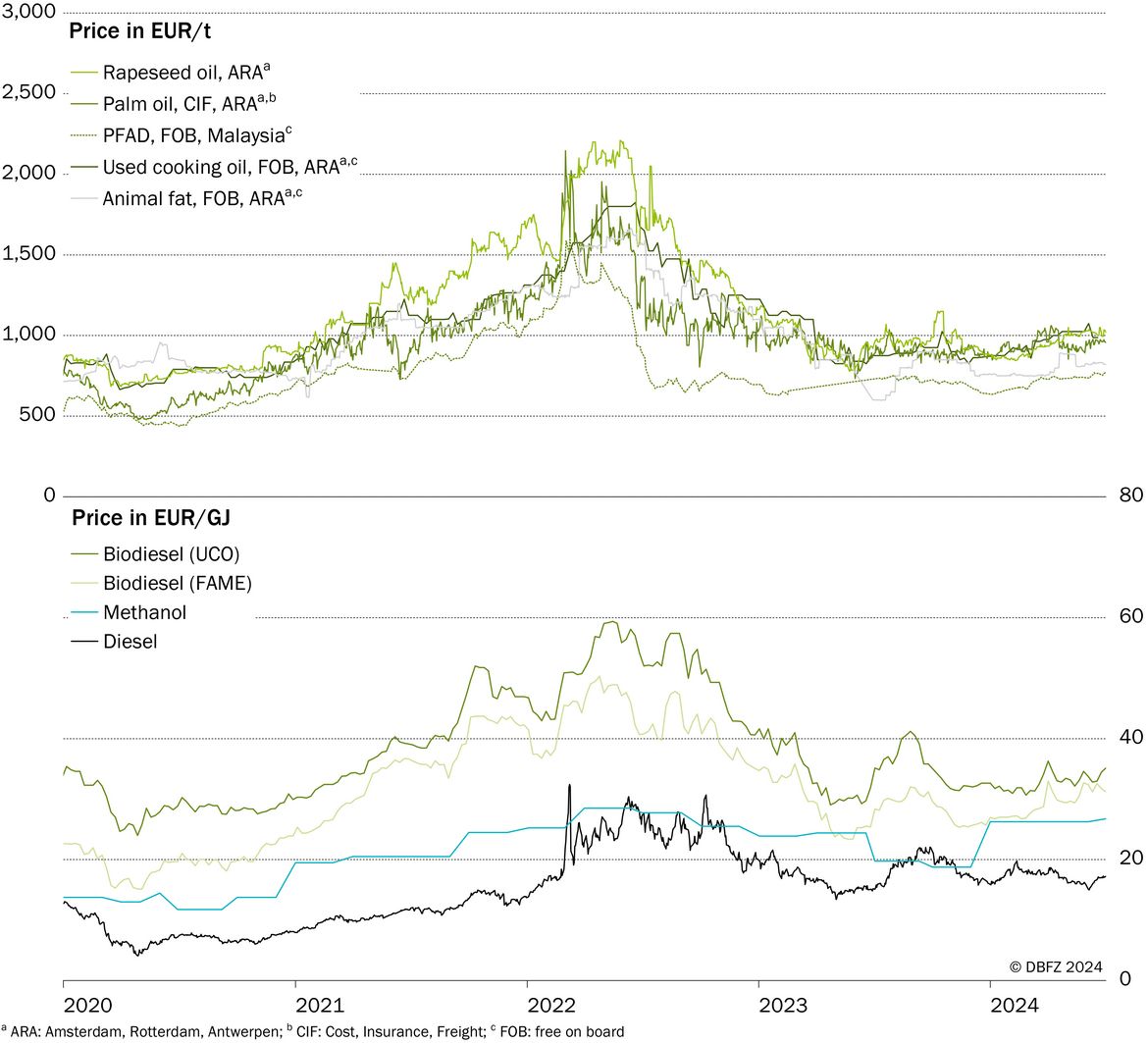
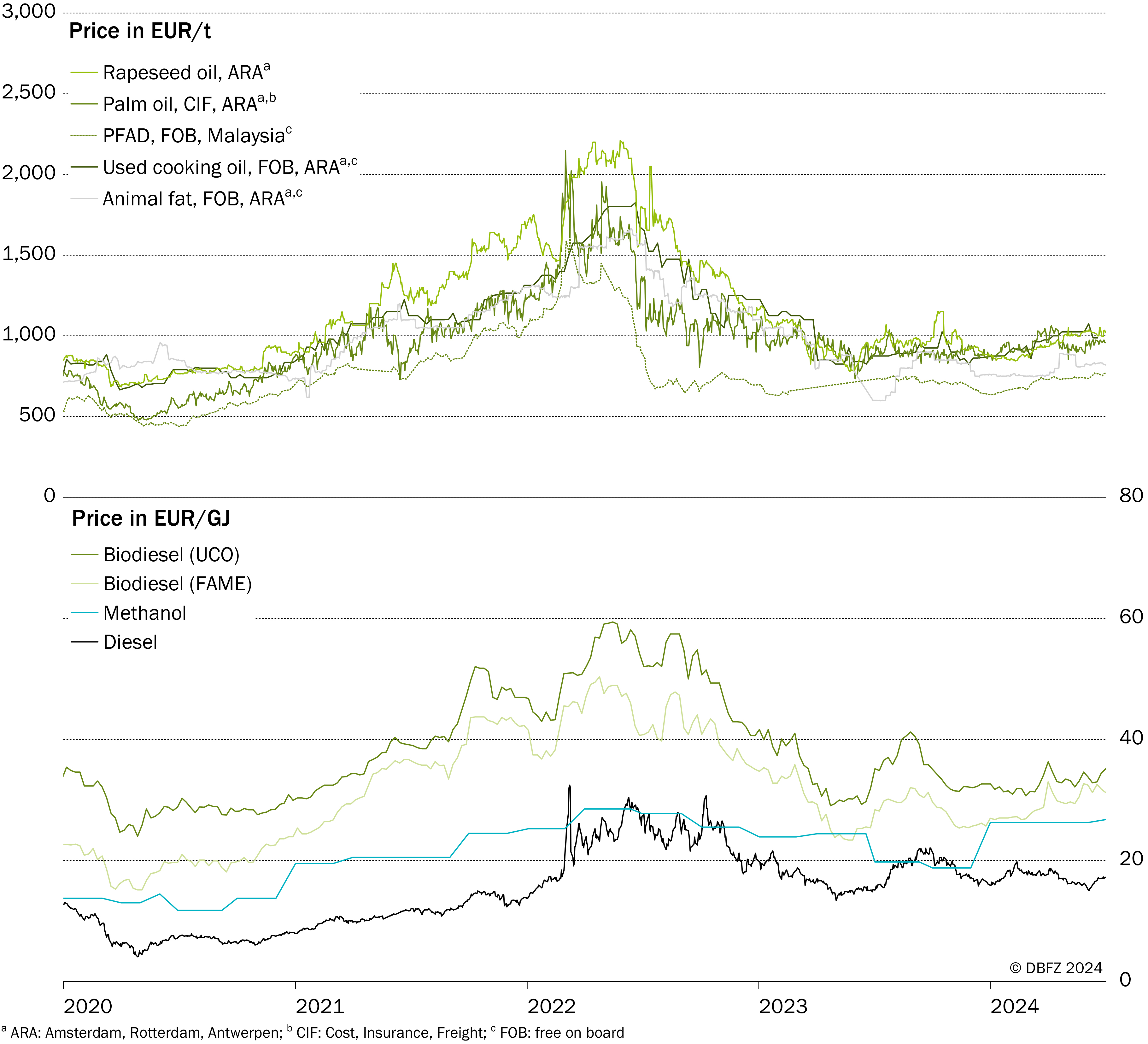
Price development of various vegetable oils and derivatives

Fig. 9-3 on page 145

Download [JPG, 2,3 MB]

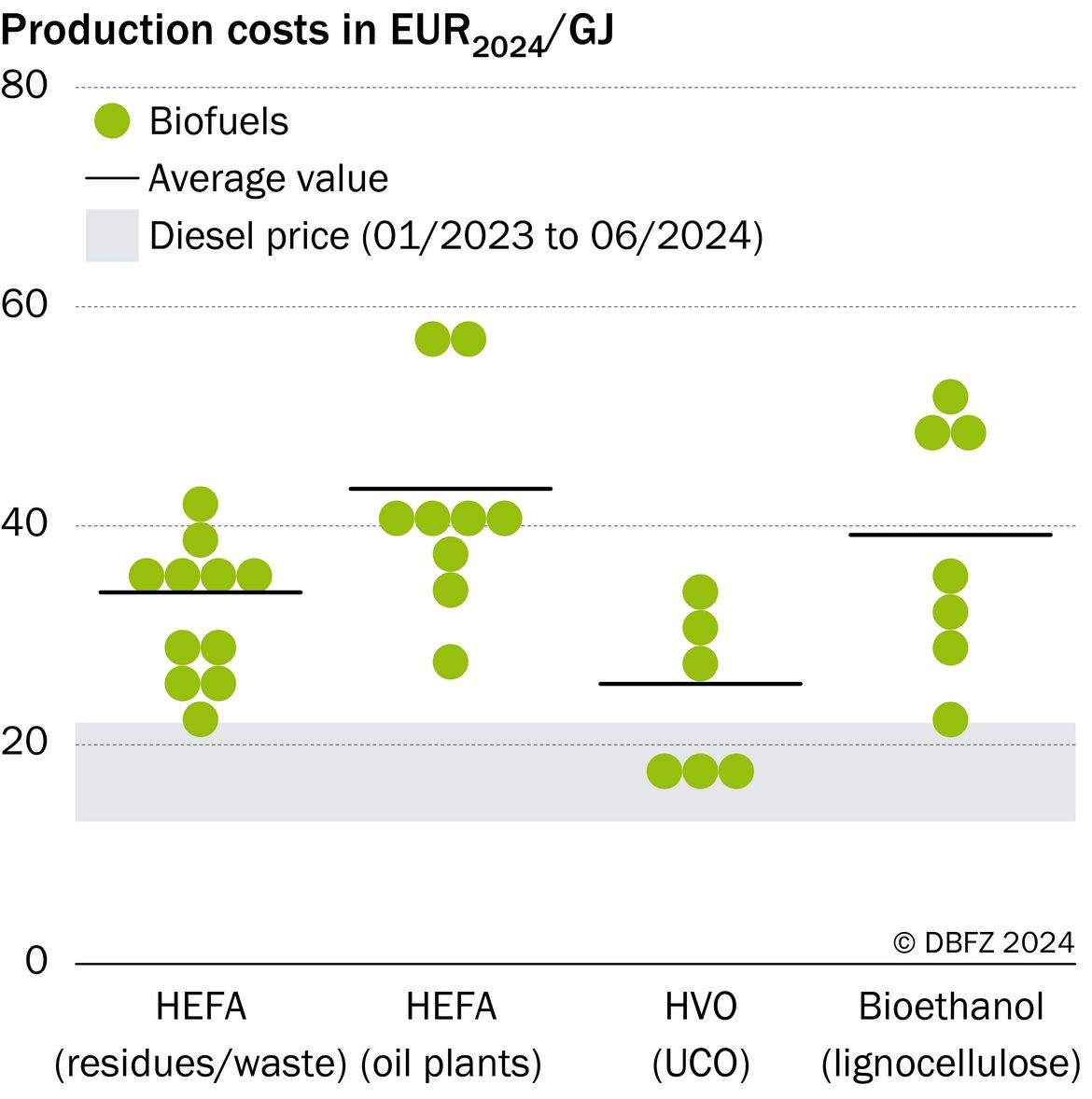
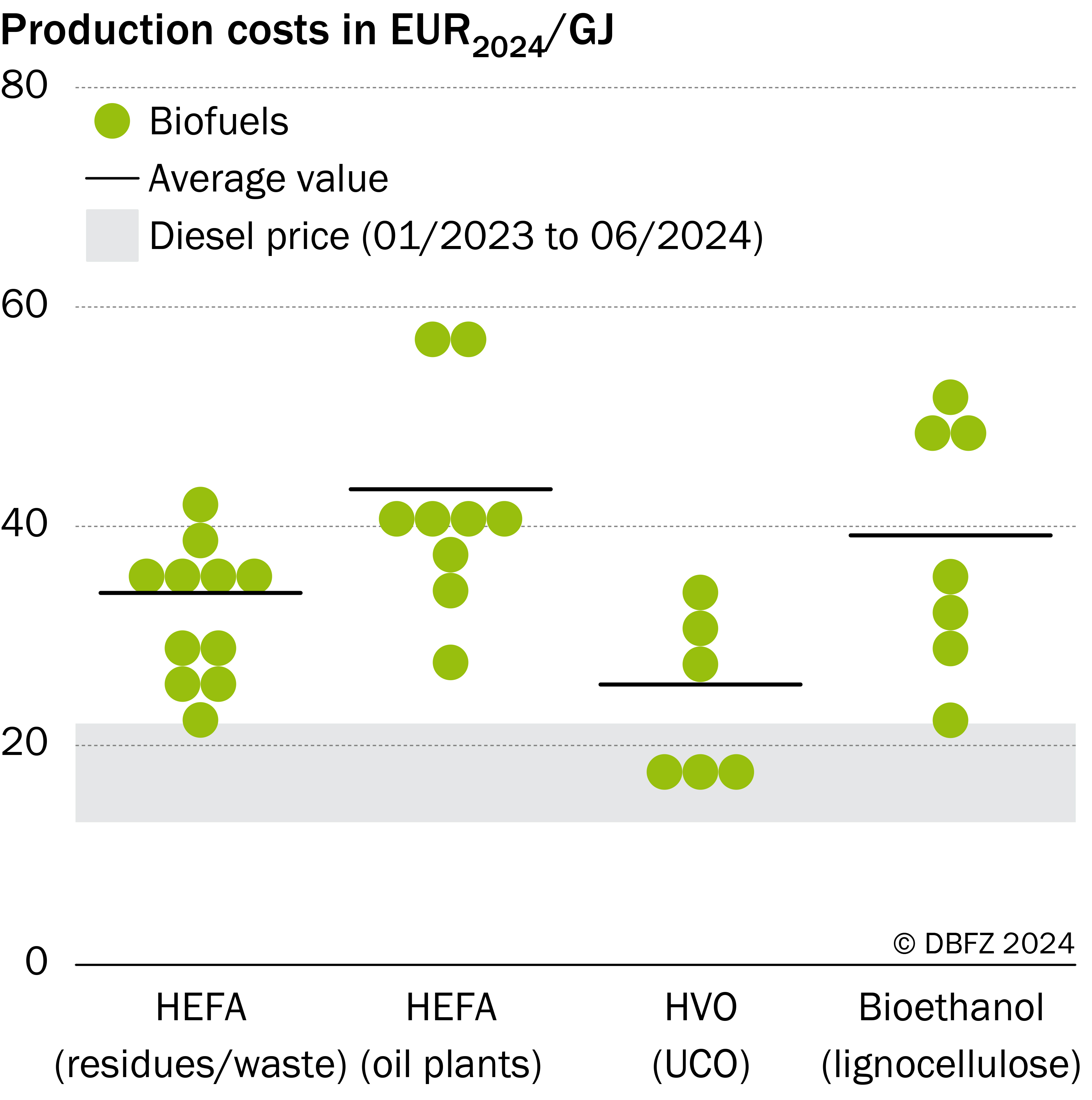
Production costs of established conversion pathways for HEFA and HVO, as well as bioethanol from lignocellulose

Fig. 9-4 on page 145

Download [JPG, 1,3 MB]

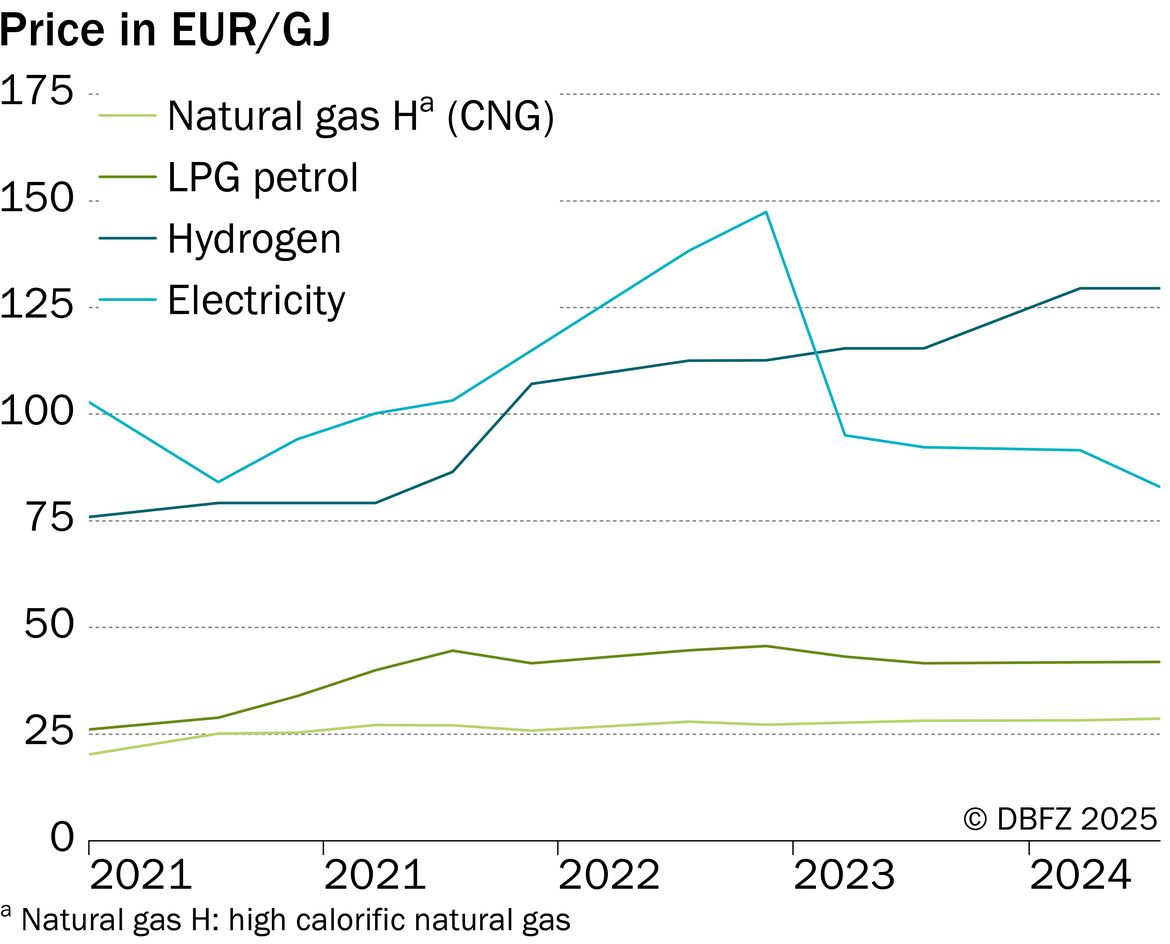
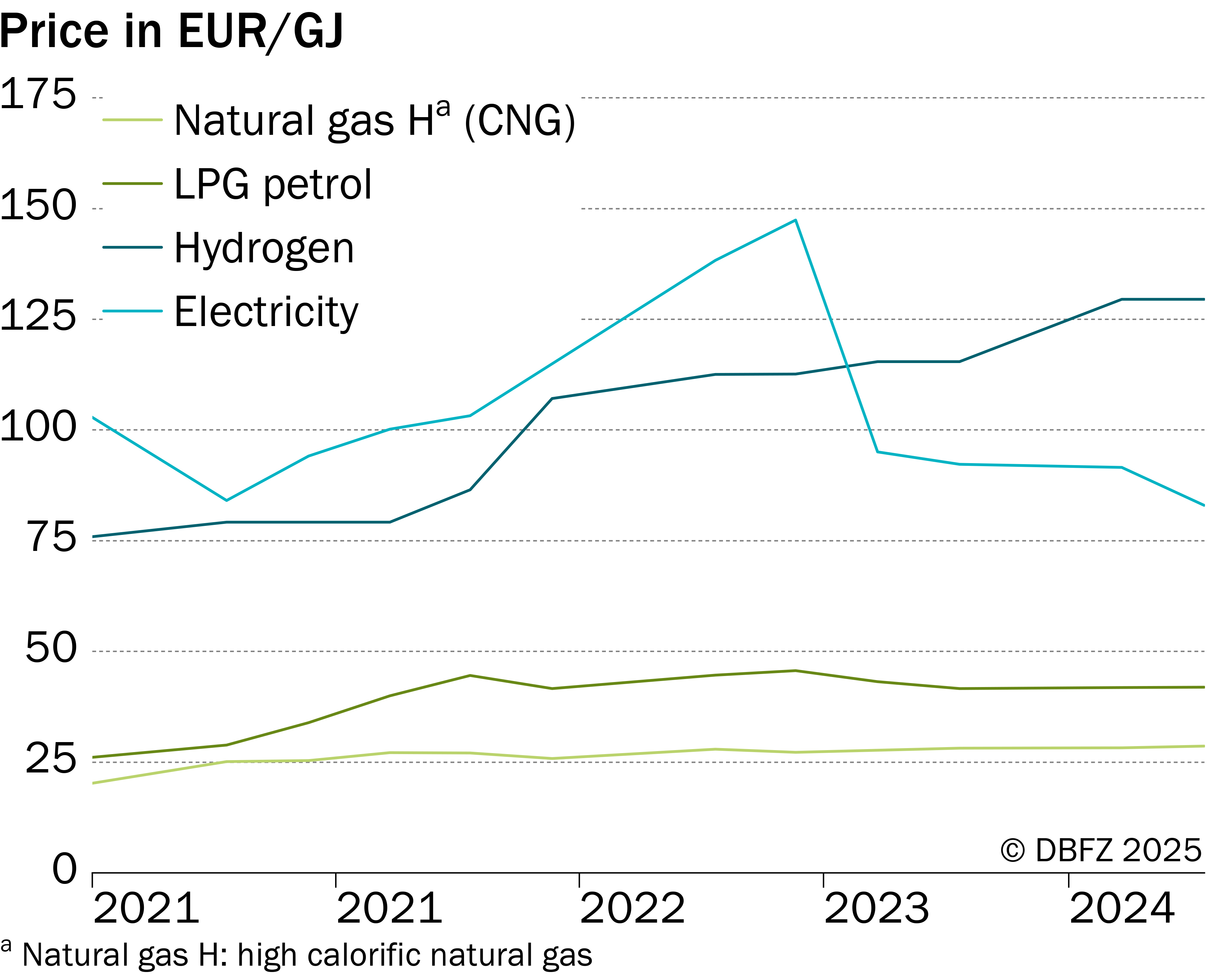
Energy cost comparison

Fig. 9-5 on page 146

Download [JPG, 1,5 MB]

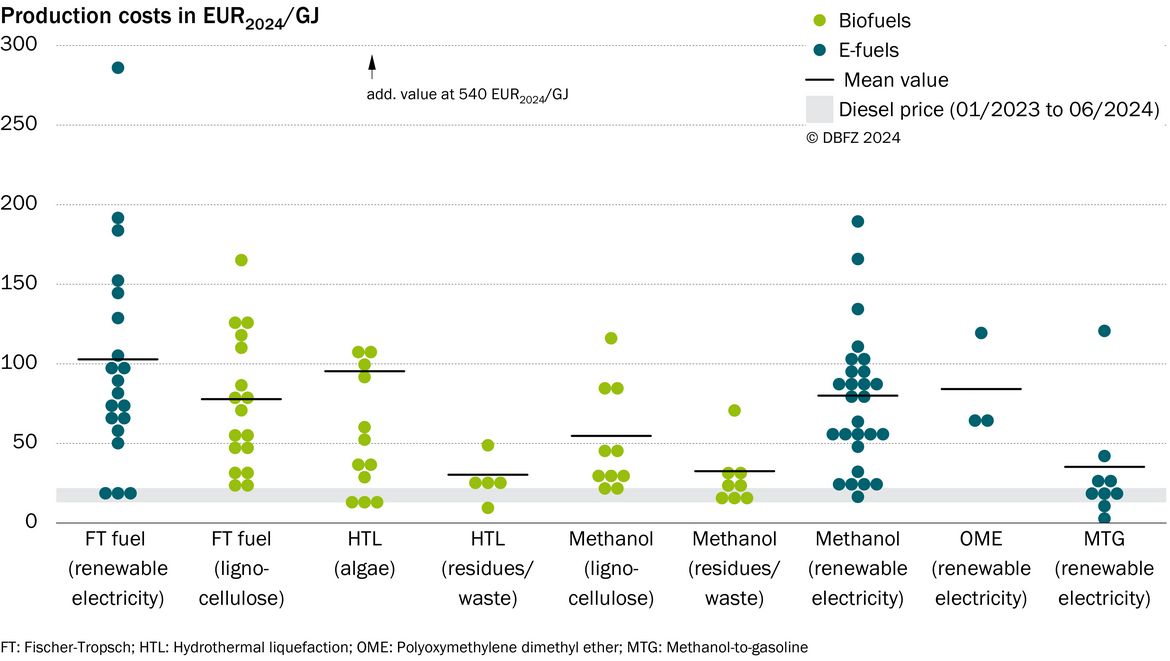
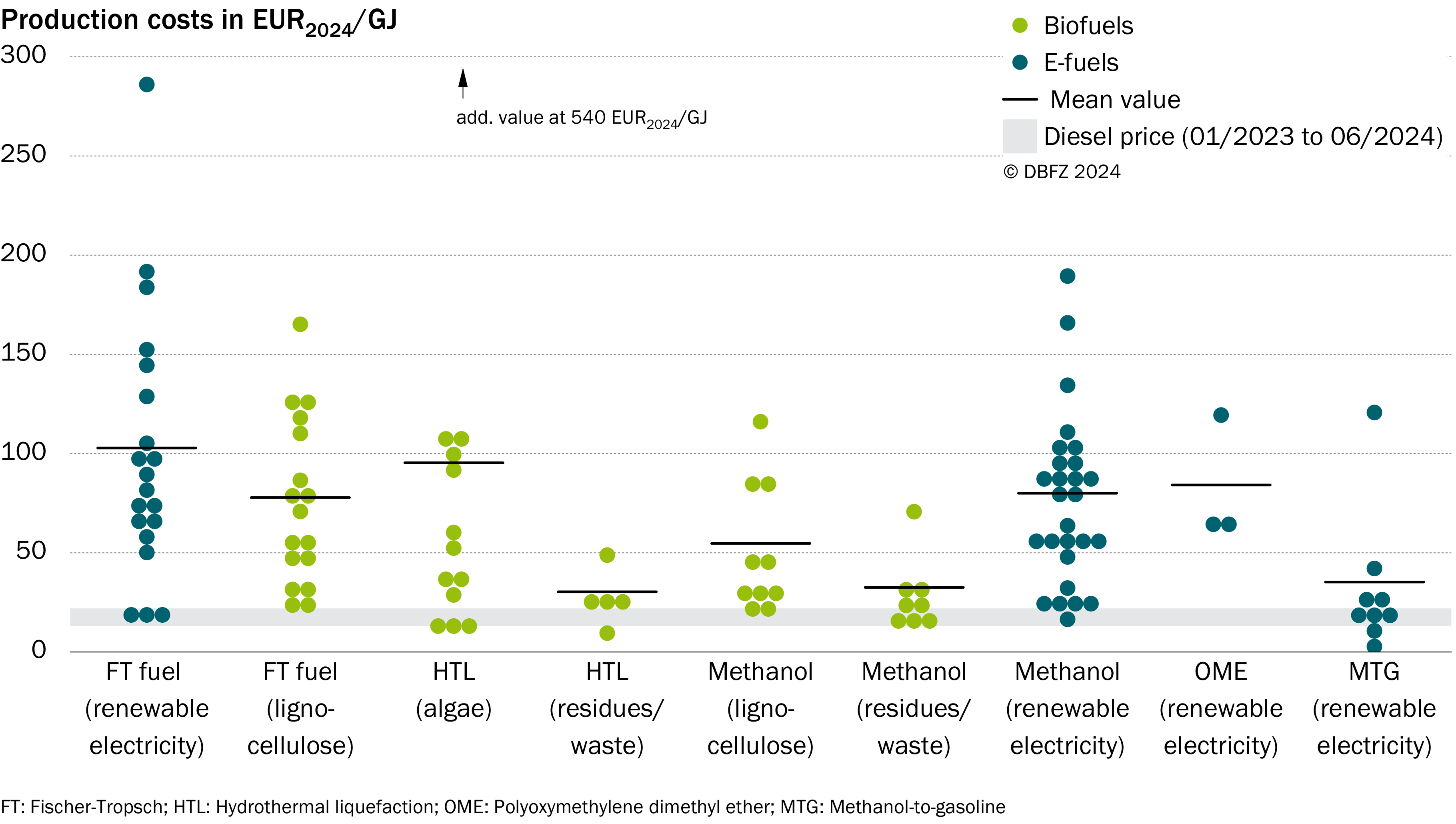
Production costs of renewable energy carriers in the demonstration stage for road transport

Fig. 9-6 on page 146

Download [JPG, 1,2 MB]

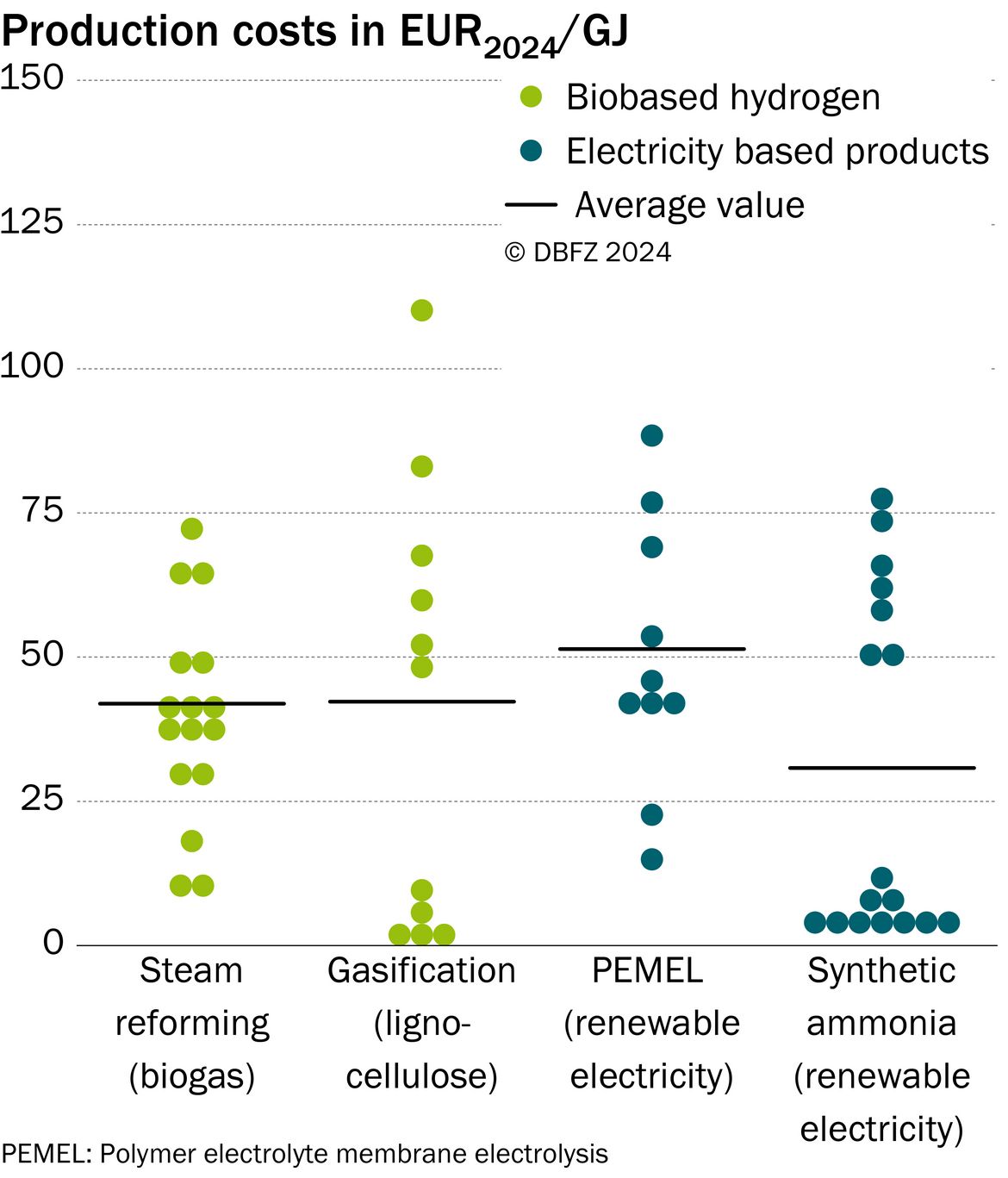
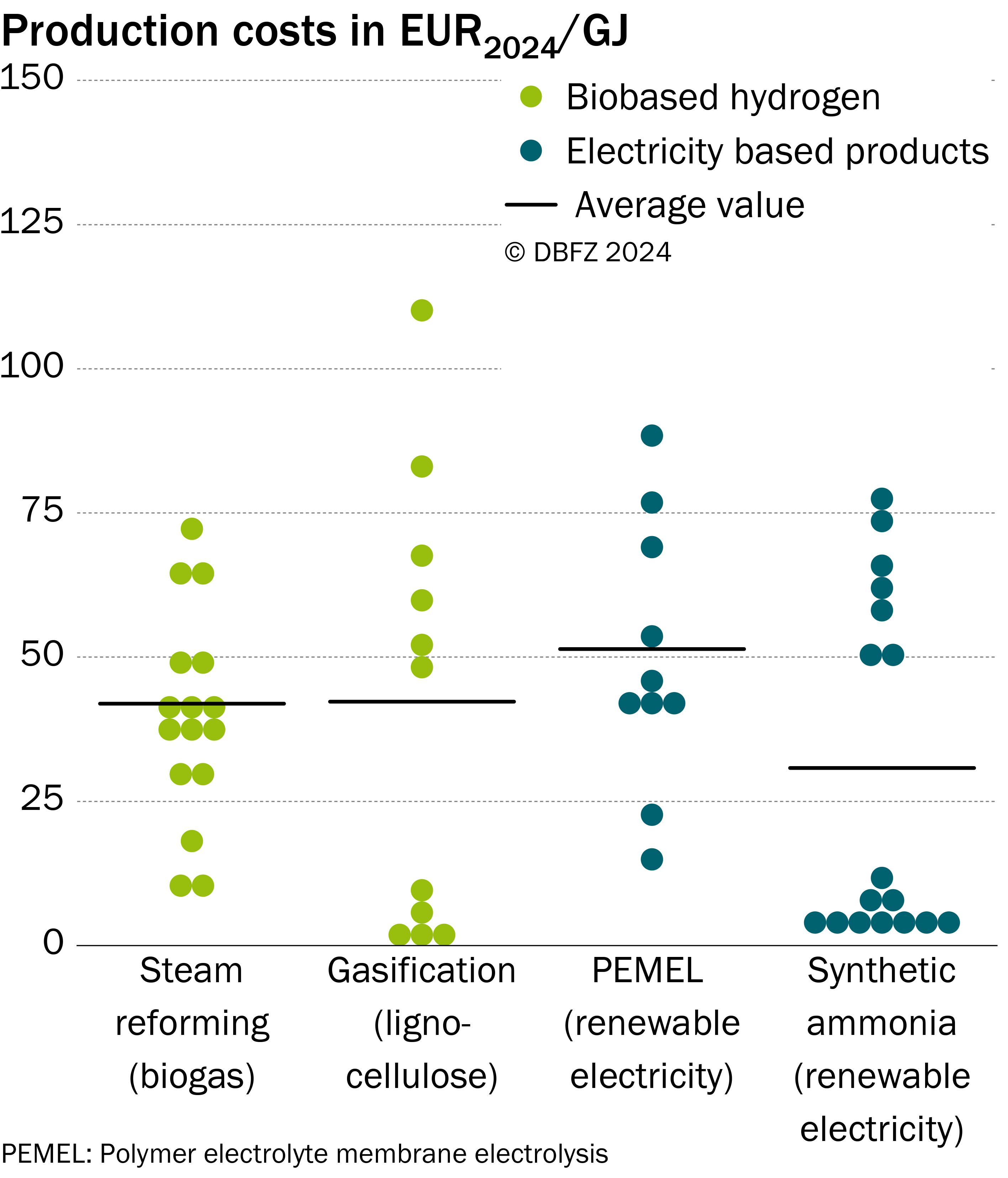
Production costs of renewable hydrogen production processes

Fig. 9-7 on page 147

Download [JPG, 1,3 MB]

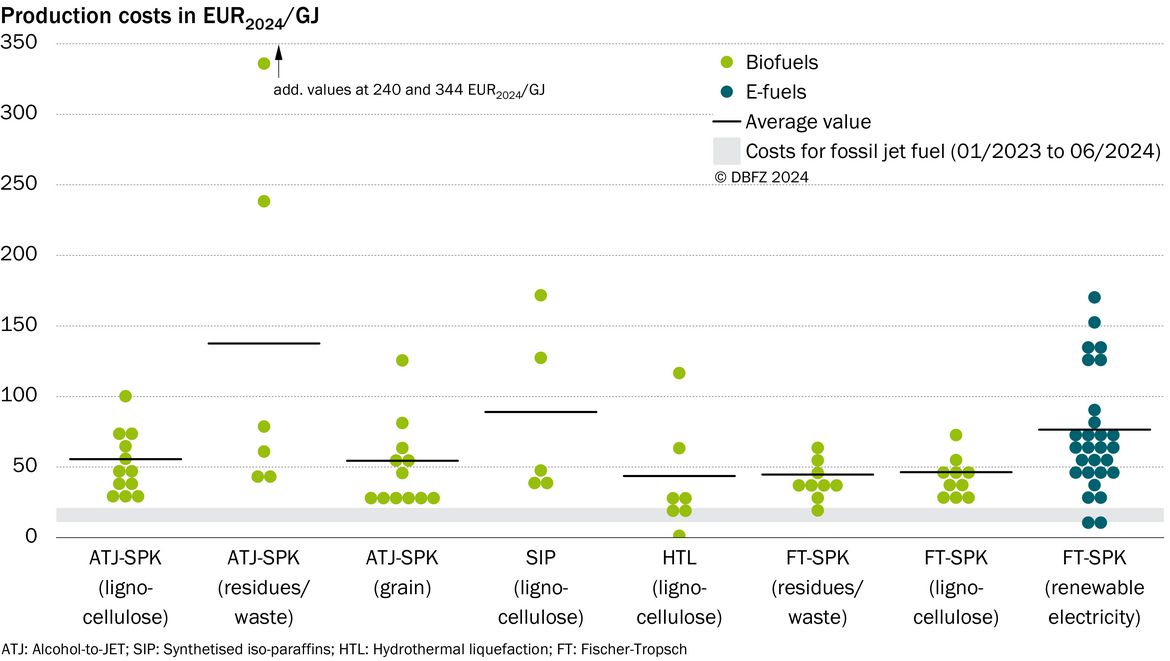
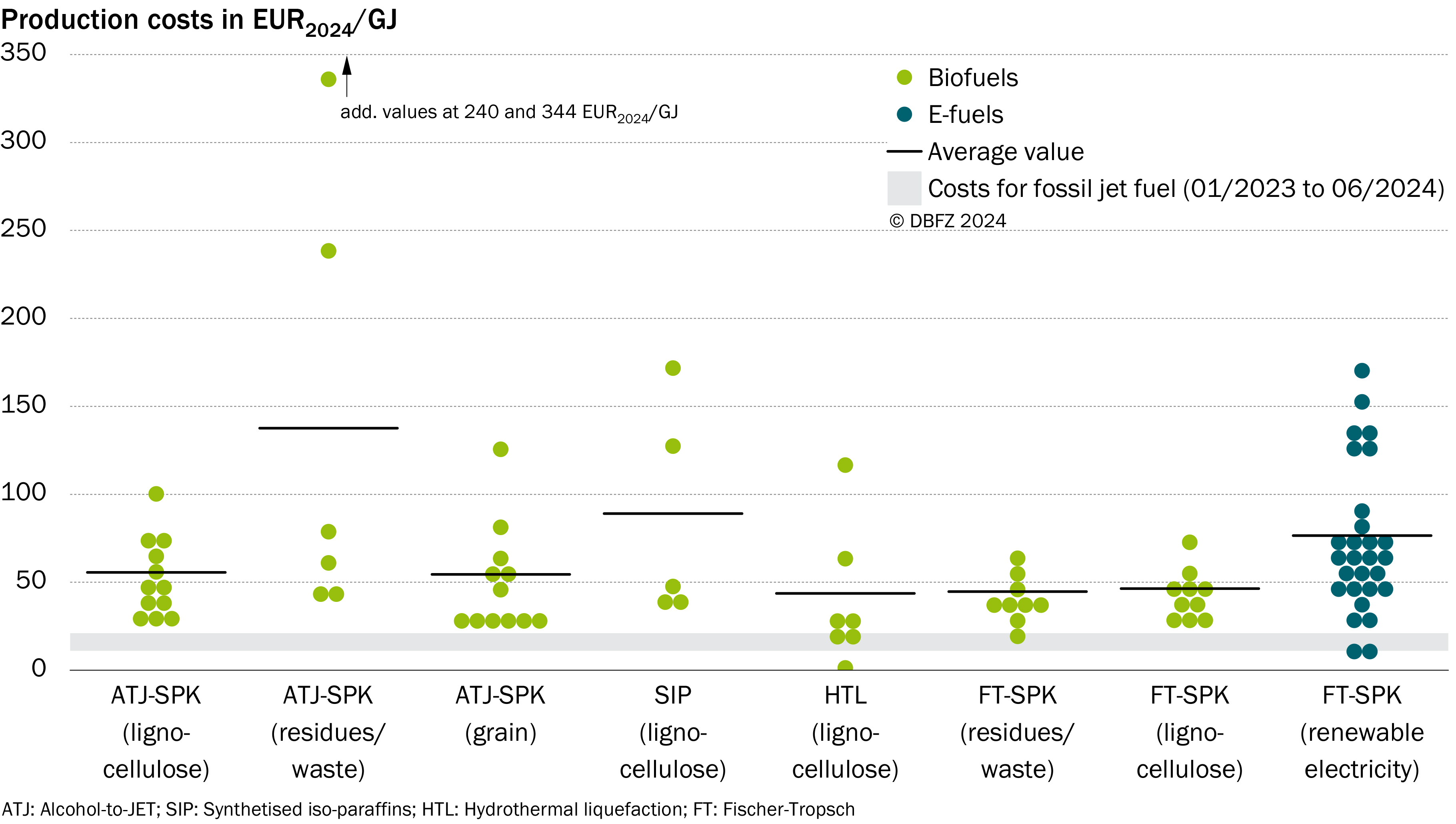
Production costs of renewable aviation fuels

Fig. 9-8 on page 147

Download [JPG, 1,2 MB]