Biochar and vermicompost for food security in Sidama
01.07.2026
In Sidama, smallholder farmers produced 7 tonnes of biochar in a single month, demonstrating how climate action goes hand in hand with improved agricultural productivity.
In field trials, biochar was mixed with (vermi)compost and applied to the soil as biochar-based fertiliser (BBF). The benefits for soil health and plant growth are already showing visible results. The photo below compares two maize–bean plots: the plot on the left received conventional mineral fertiliser, while the plot on the right was treated with BBF.
Working closely with trained observers, farmers collected the data required for the certification of the thereby created carbon sink. The Global Artisan C-Sink Certification creates an opportunity for farmers to generate additional income through carbon credits while simultaneously improving soil fertility and resilience through BBF.
Looking ahead, the project is strengthening partnerships with agro-industrial parks in Yirgalem and Dilla. This collaboration will enable waste avocado kernels to be converted into biochar directly on-site, creating a circular solution that supports both sustainable waste management and climate-smart agriculture.
Improved vermicomposting for better fertilisers
As fertilizer prices continue to rise with each new global crisis, local nutrient solutions are becoming increasingly important for smallholder farmers. One promising approach is vermicomposting – compost produced by earthworms – widely considered one of the most valuable forms of organic fertilizer. In Ethiopia, vermicomposting has already gained significant traction through both local initiatives and farmer-to-farmer knowledge sharing.
There is, however, considerable potential to improve how vermicompost is produced. Most traditional vermibins operate in batches: they are filled once and completely emptied during harvest. This is labor-intensive and reduces worm productivity, as the worms are not fed during the ripening phase and must later be separated from the compost by hand. Continuous-flow systems offer a more efficient alternative. Fresh feedstock is added from the top while finished compost is harvested from the bottom, reducing labor and allowing continuous production.
In the ETH-Soil project, we will be building continuous-flow vermibins to demonstrate these advantages in practice. Combined with biochar production – already successfully introduced in several regions of Ethiopia through the project – this system could become an important step toward greater food security and agricultural self-sufficiency in uncertain times.
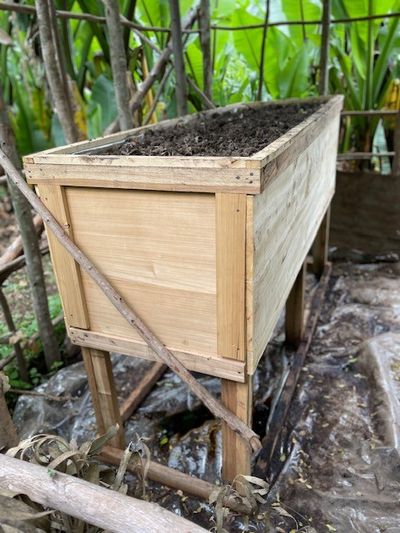
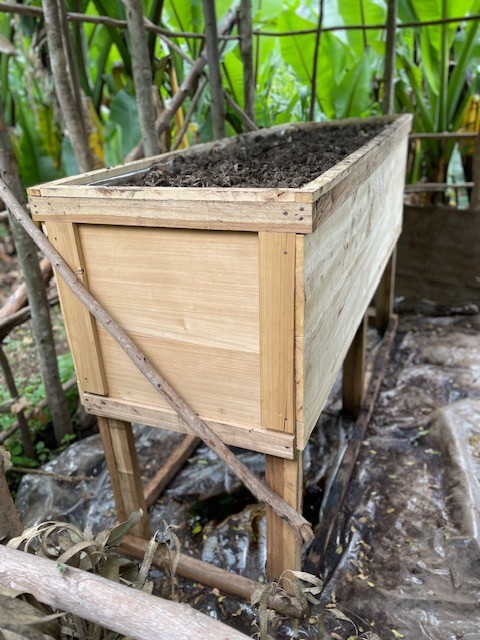
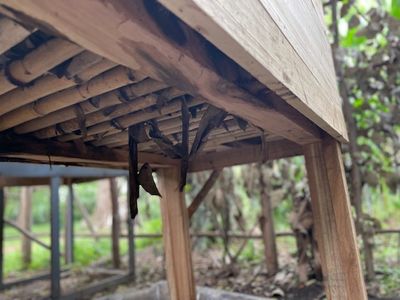
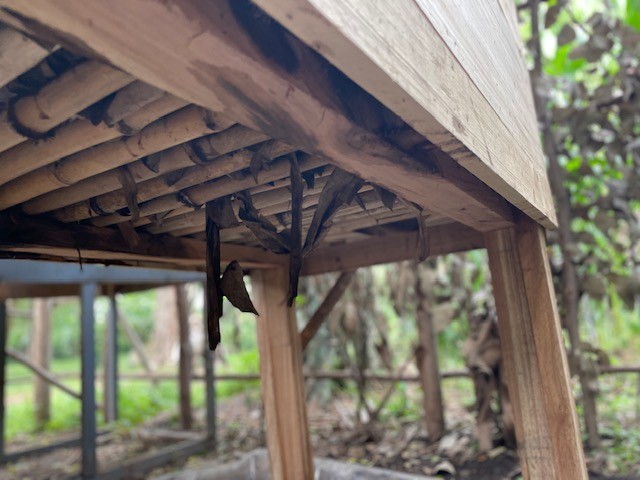
Improved vermibins with openings in the bottom for continuous harvesting