A Milestone for Applied Bioenergy Research: Biogas Plant Construction Kicks-Off at Jimma University
02.12.2025
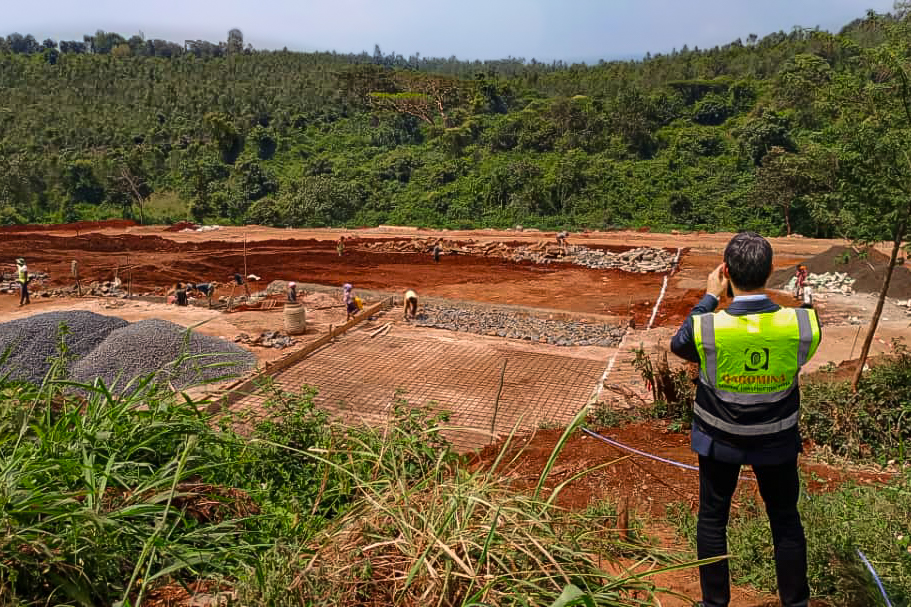
Construction has officially started on the new research and training biogas plant at Jimma University. This ETH-Soil-promoted extension of research infrastructure is a significant step toward strengthening Ethiopia’s capacity in sustainable energy and soil innovation.
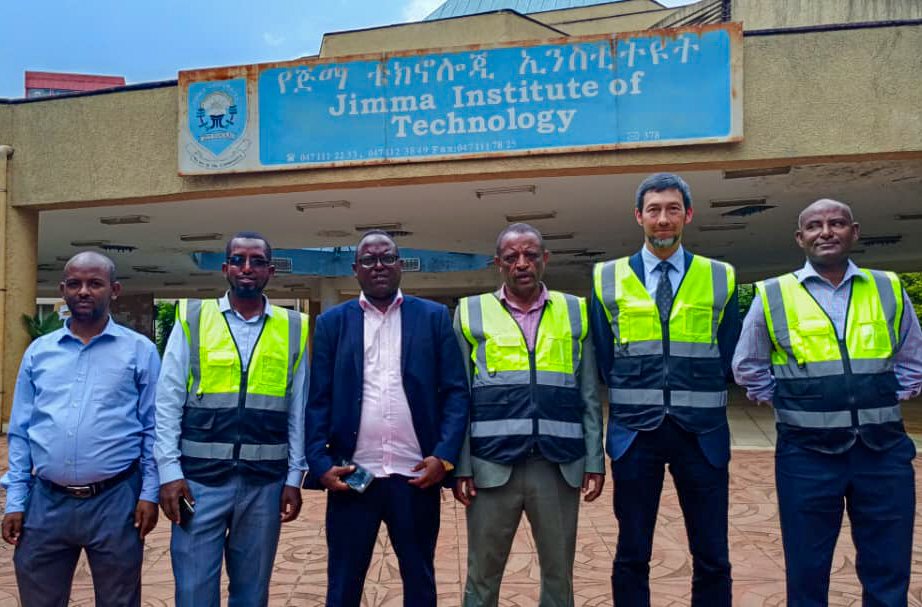
To mark the start of the construction phase, Prof. Dr. Volker Lenz, department head at DBFZ Deutsches Biomasseforschungszentrum gemeinnützige GmbH, met with Dr. Teklu Tafese the advisor and delegate of Jimma University President, Dr. Jemal Abafita, to discuss the upcoming stages of the DBFZ–JU cooperation. On the Jimma Institute of Technology (JIT) campus, the delegation was welcomed by Mr. Efrem Wakjira (Scientific Director, JIT), Mr. Alebachew Tenna (Vice Scientific Director), and Dr. Solomon Tulu (Dean, Jimma College of Agriculture & Veterinary Medicine). Project manager at JIT Mr. Shewangizaw Werkagegnehu Demissie provided and overview of the construction progress.
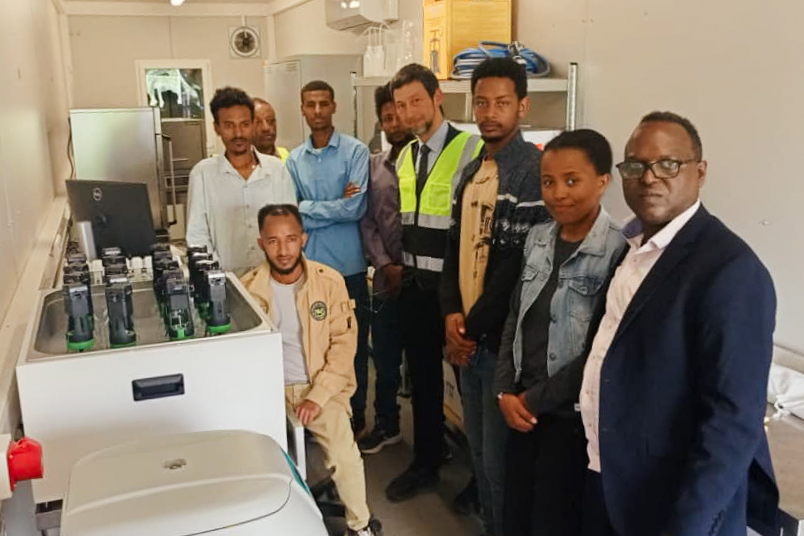
Students from the ETH-Soil supported Sustainable Energy Engineering M.Sc. program guided the visitors through the biogas laboratory - a facility that will soon play a central role in their practical training and applied research.
The biogas plant’s planning and construction are being carried out by AD Solutions GmbH, currently working on-site. They will soon be joined by experts from Awite Bioenergie GmbH, who will commission the second laboratory container.
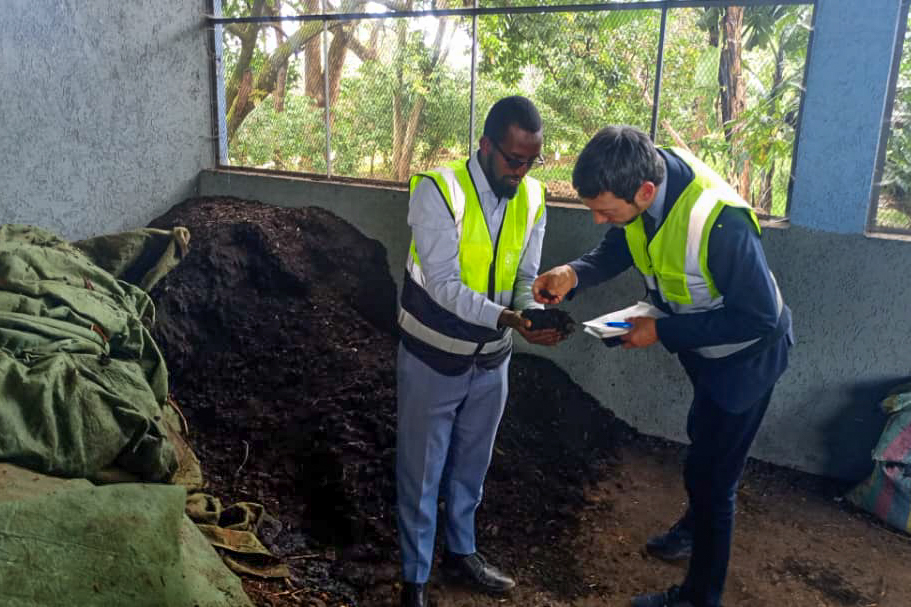
Dr. Volker Lenz also visited the Jimma College of Agriculture & Veterinary Medicine, where Dr. Milkiyas Ahmed presented newly established ETH-Soil-funded facilities for compost, biochar and biochar-based fertilizer production and storage. Once operational, the biogas plant will supply digestate as an important input for the fertilizer production line.
Beyond strengthening research capacity, this new infrastructure helps establish a strong foundation for Ethiopia’s own further development of bioenergy processes and technologies. By expanding local expertise and demonstrating practical system performance, the project is expected to reduce existing barriers for private-sector involvement in this emerging area of renewable energy.
With this milestone, Ethiopia moves another step forward in building the infrastructure and expertise needed to advance renewable energy, soil health, and applied bioenergy research.