Paving the way towards Artisan C-sink certification in Ethiopia
19.12.2025
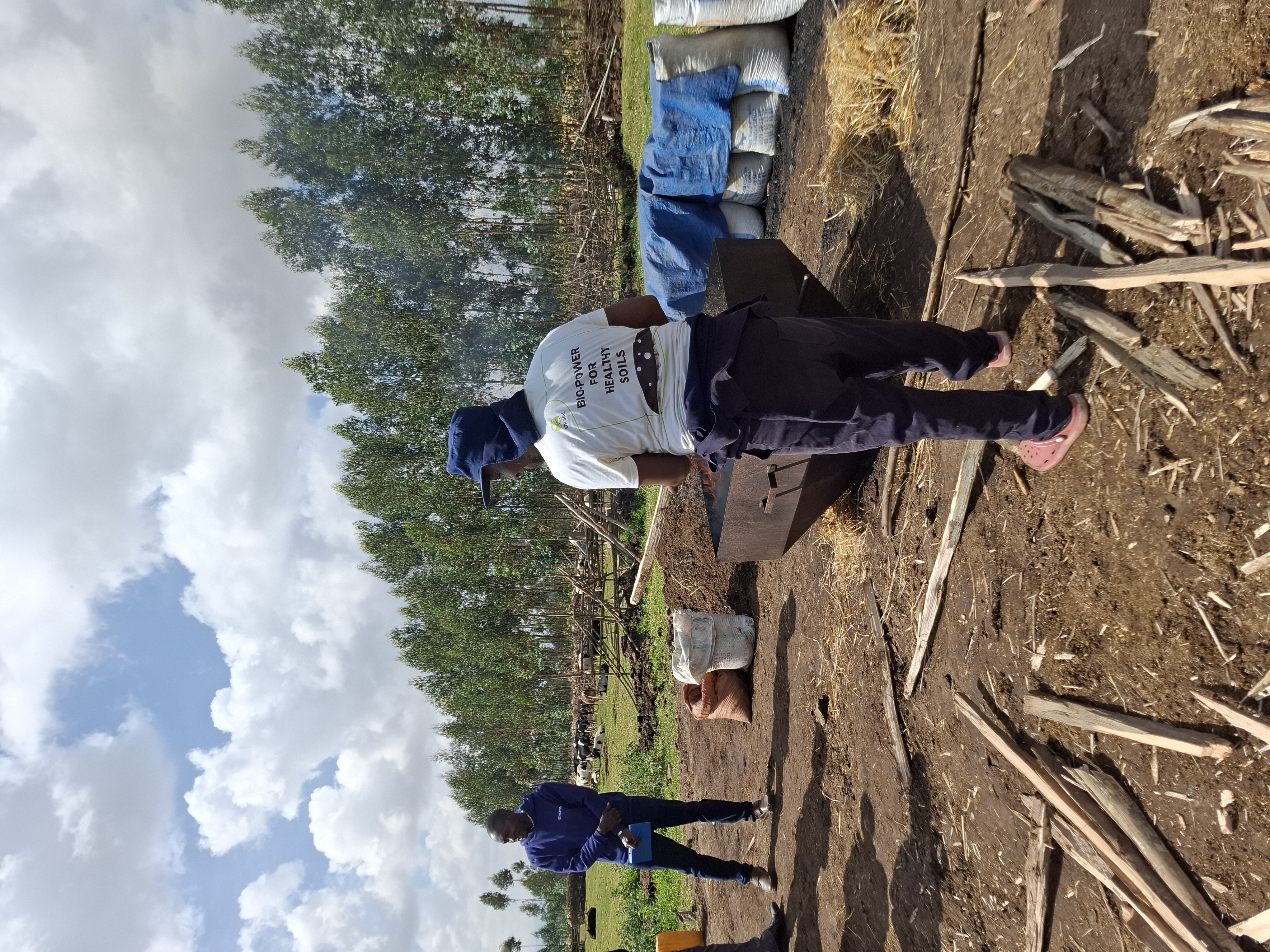
In Oromia, Ethiopia, the ETH-Soil project is taking an important step toward sustainable agriculture and voluntary carbon market participation. Since early this year, the project has been implementing C-Sink Certification for decentralized biochar production and application by smallholder farmers. In close collaboration with partners from the Ministry of Agriculture, Bureau of Agriculture Oromia, Sidama Bureau of Agicultural and Natural Resource Development ANRDB, Oromia Agricultural Research Institute OARI, and Jimma University, farmers, multipliers and observers were trained in biochar production, field application, and systematic documentation using the PlantVillage App as digital monitoring, reporting and verification tool.
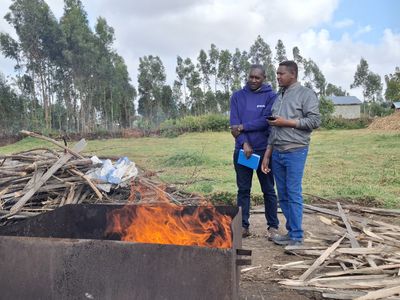
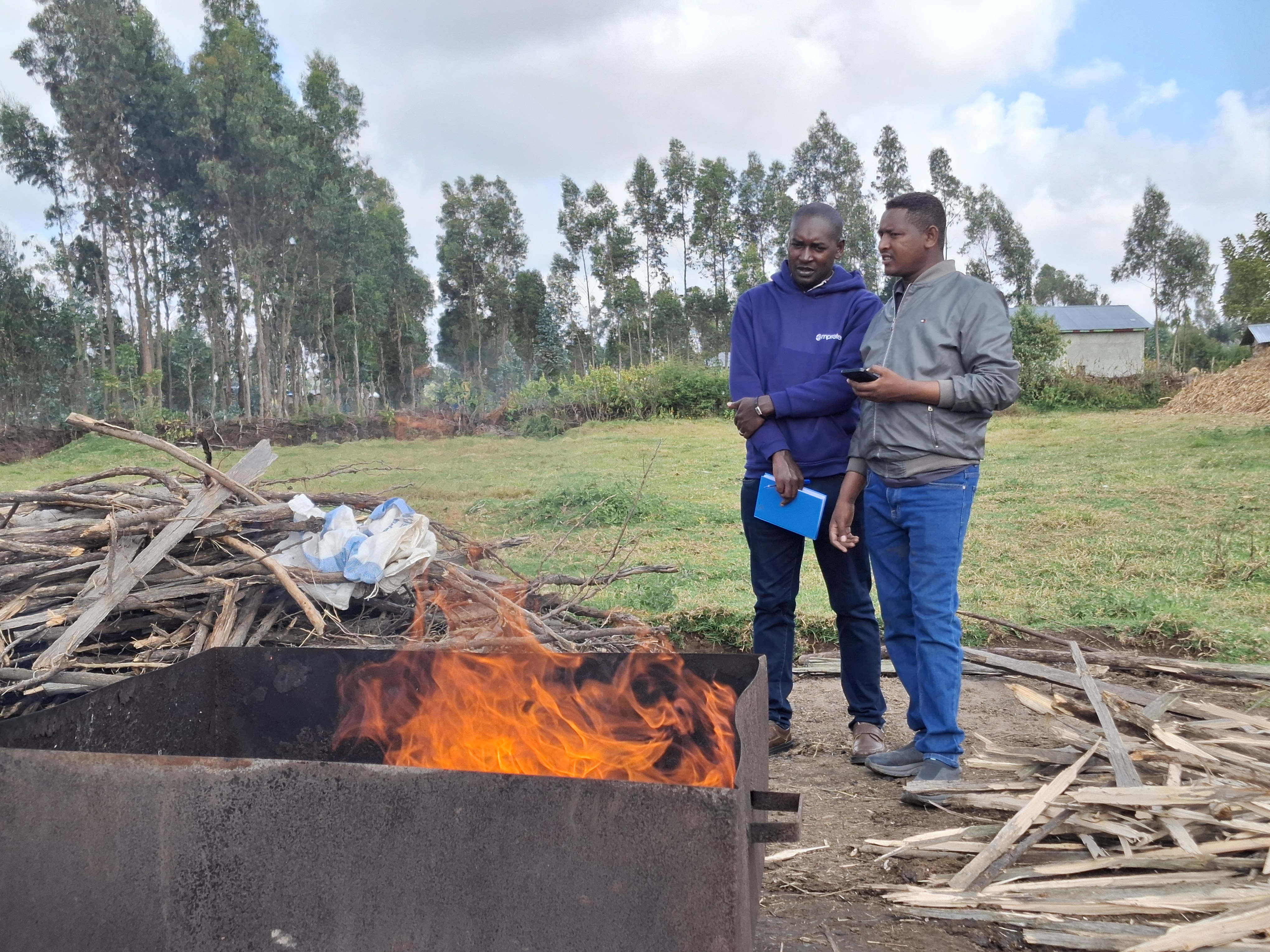
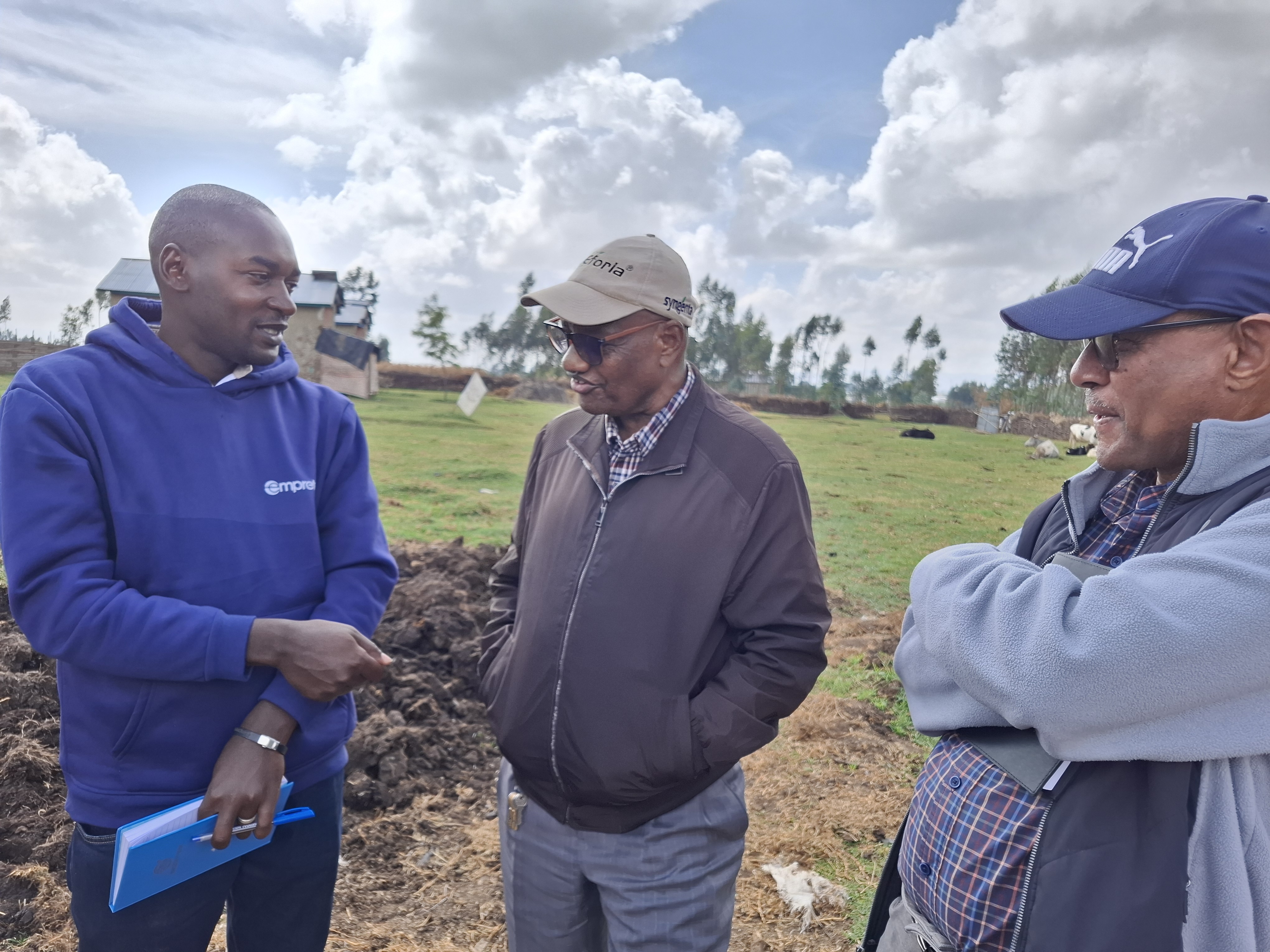
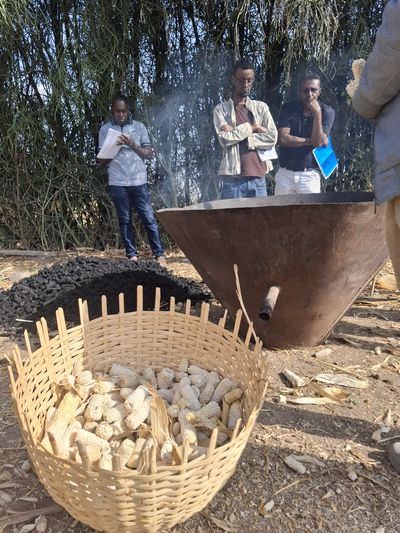
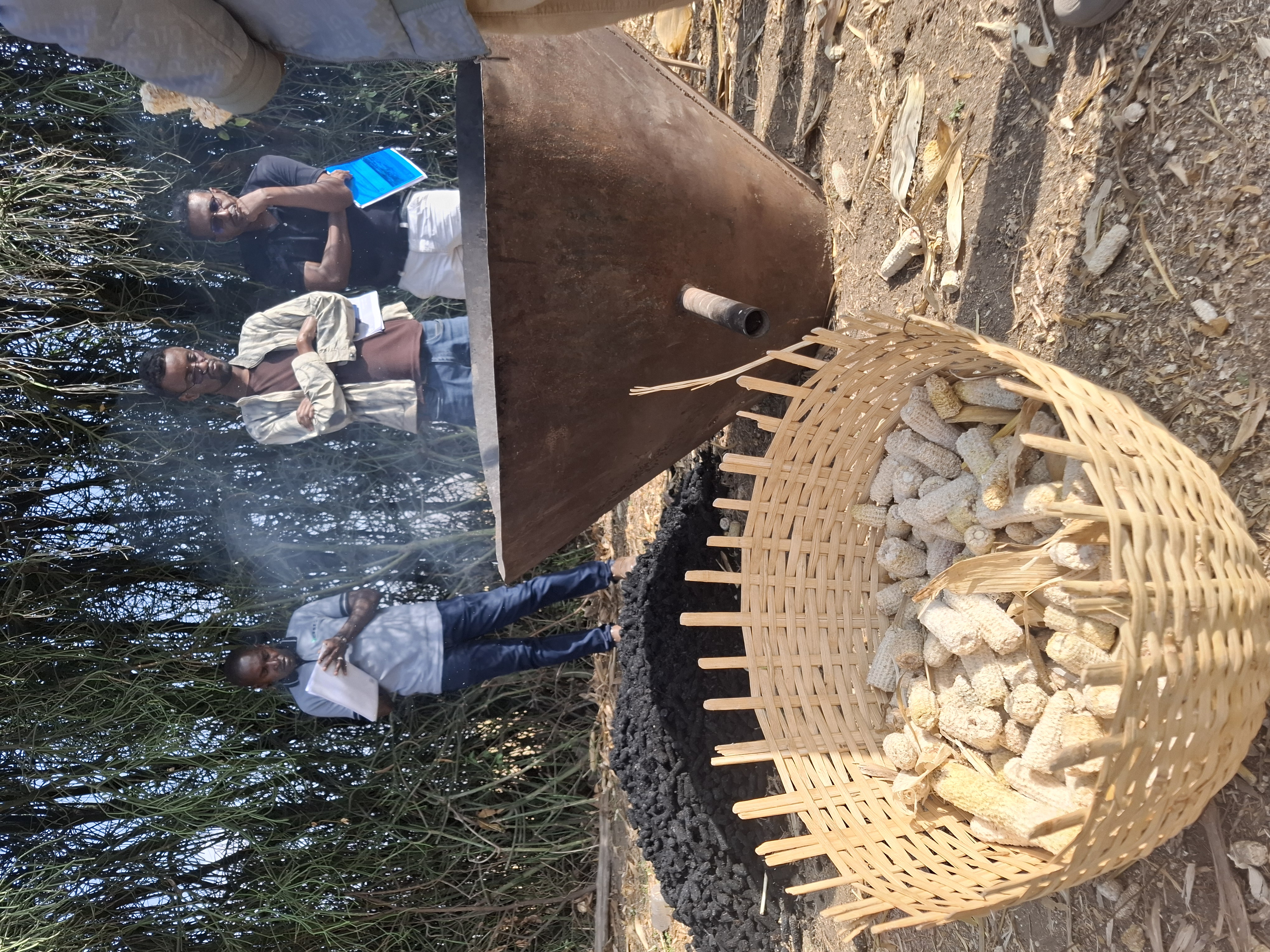
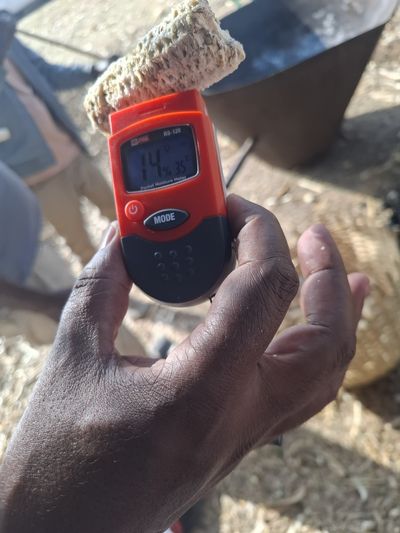
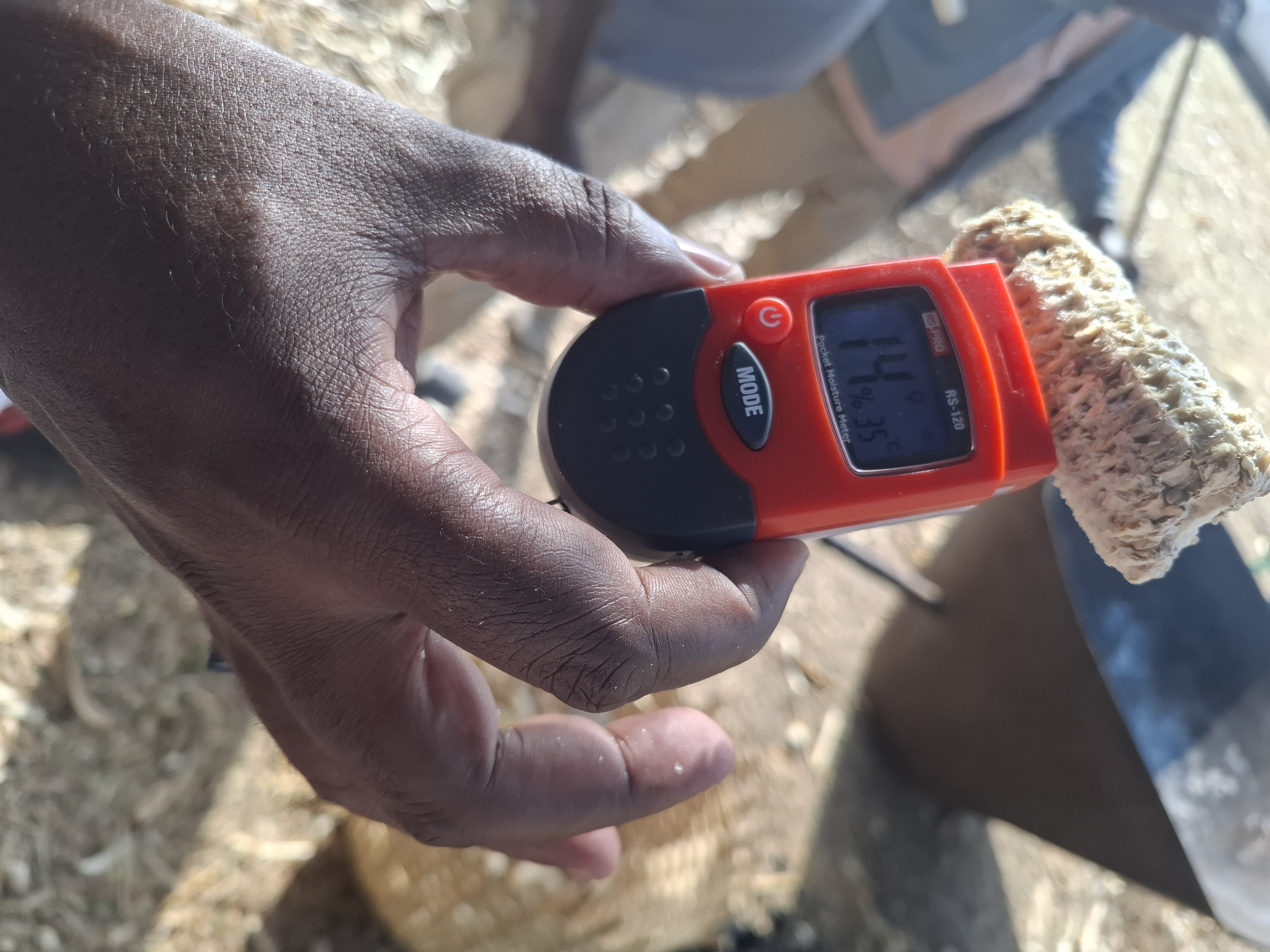
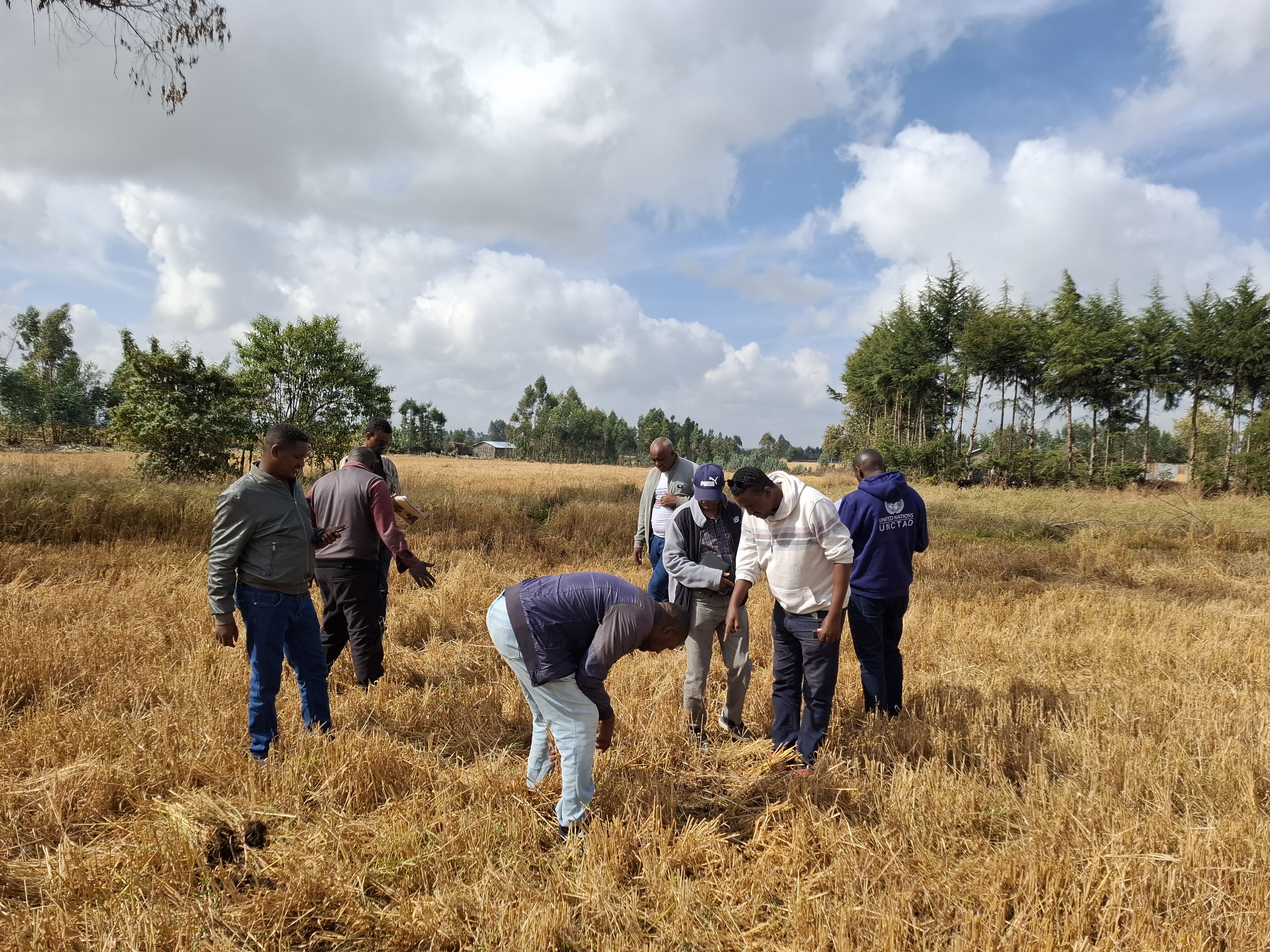
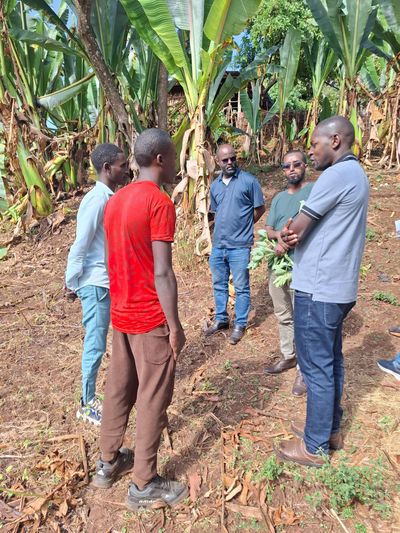
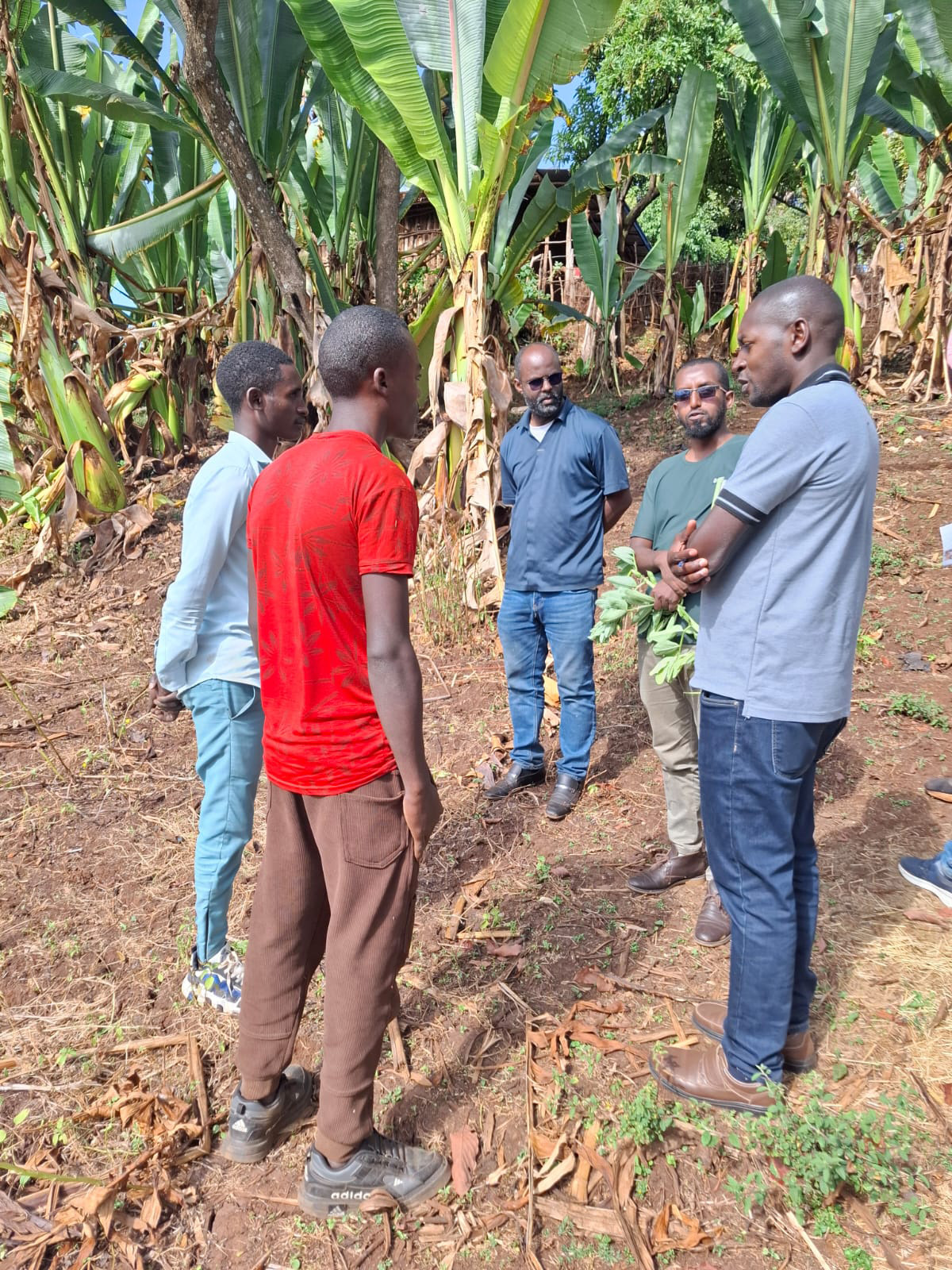
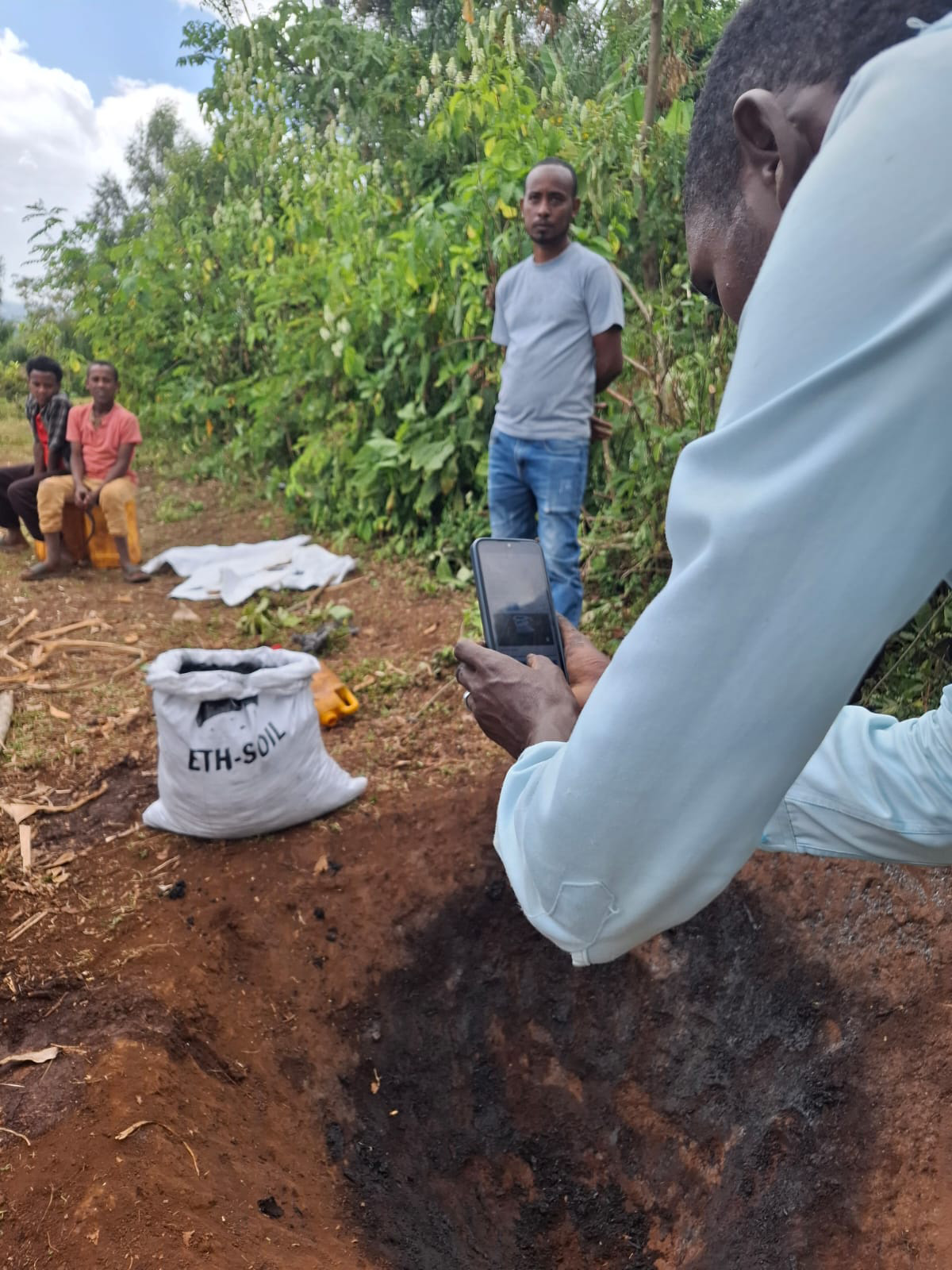
The biochar-based system established in Ethiopia is now undergoing its certification audit, a prerequisite for issuing C-Sink certificates and accessing voluntary carbon markets. DBFZ scientist Annett Pollex accompanied the audit process, conducted by Martin Majanja from CERES-CERT. The audit included a review of all relevant documentation and management plans, as well as field-level inspections of the implementation by participating farmers.
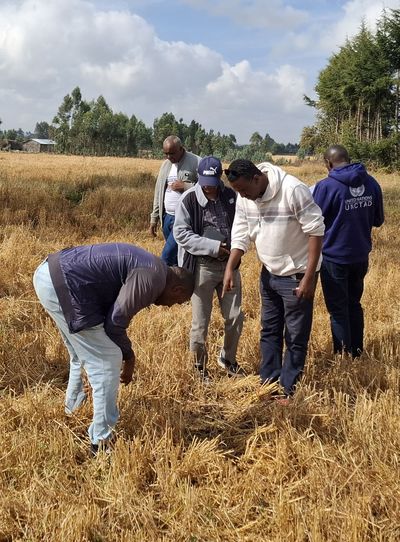
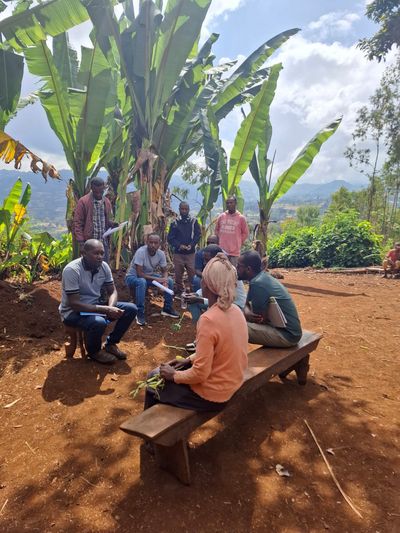
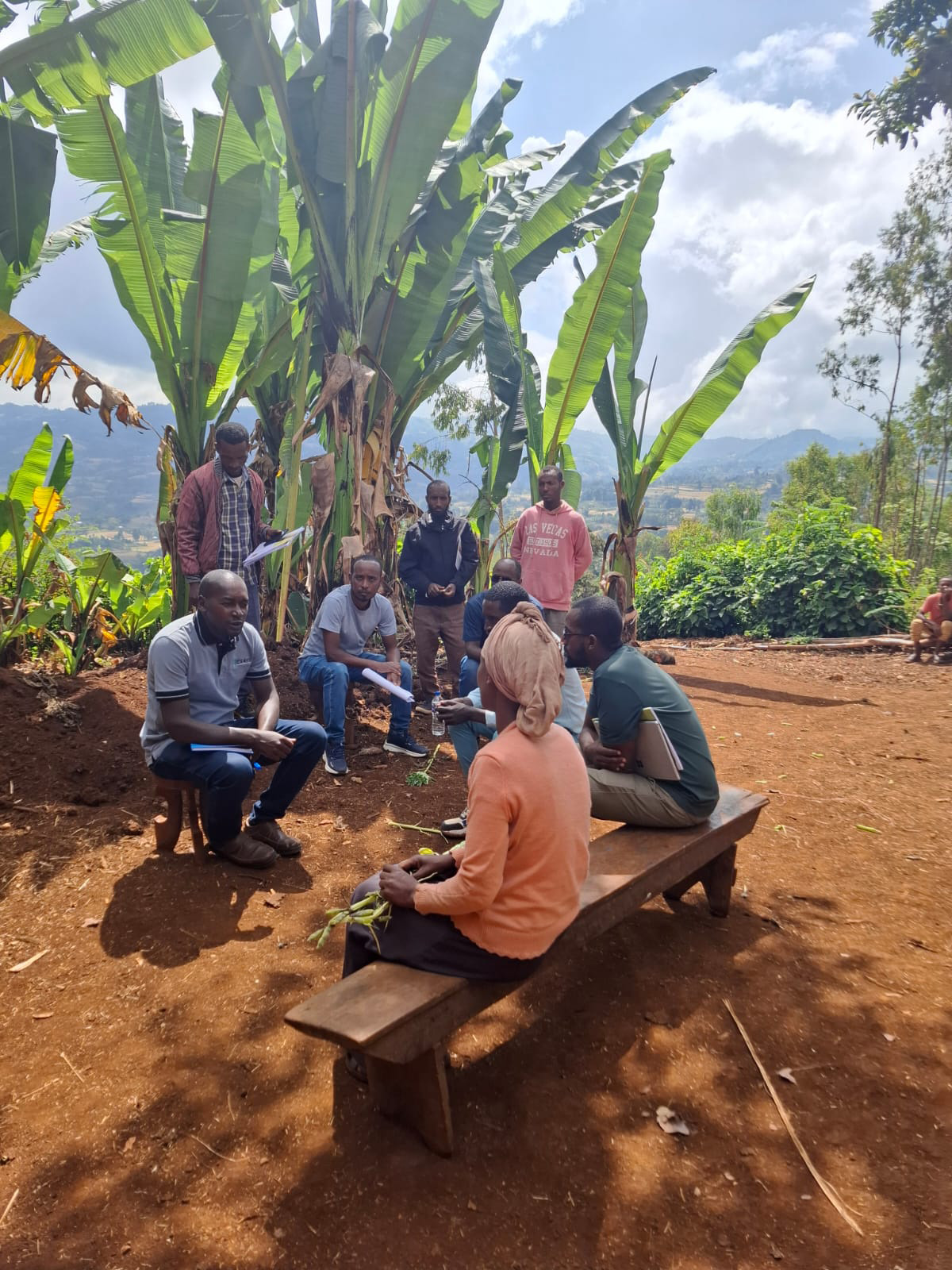
Within three days, audit visits were carried out in A/T/J Kombolcha, Kofele and Dedo, involving smallholder farmers, trained observers and responsible project partners. Dr. Assefa Ta’aa, Deputy Director General Research Wing at OARI, joined the field visit in Kofele to support the process.
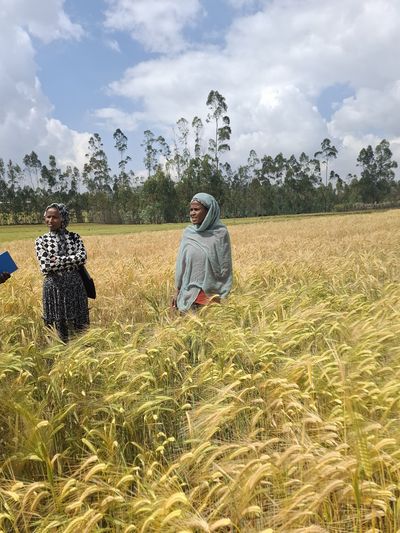
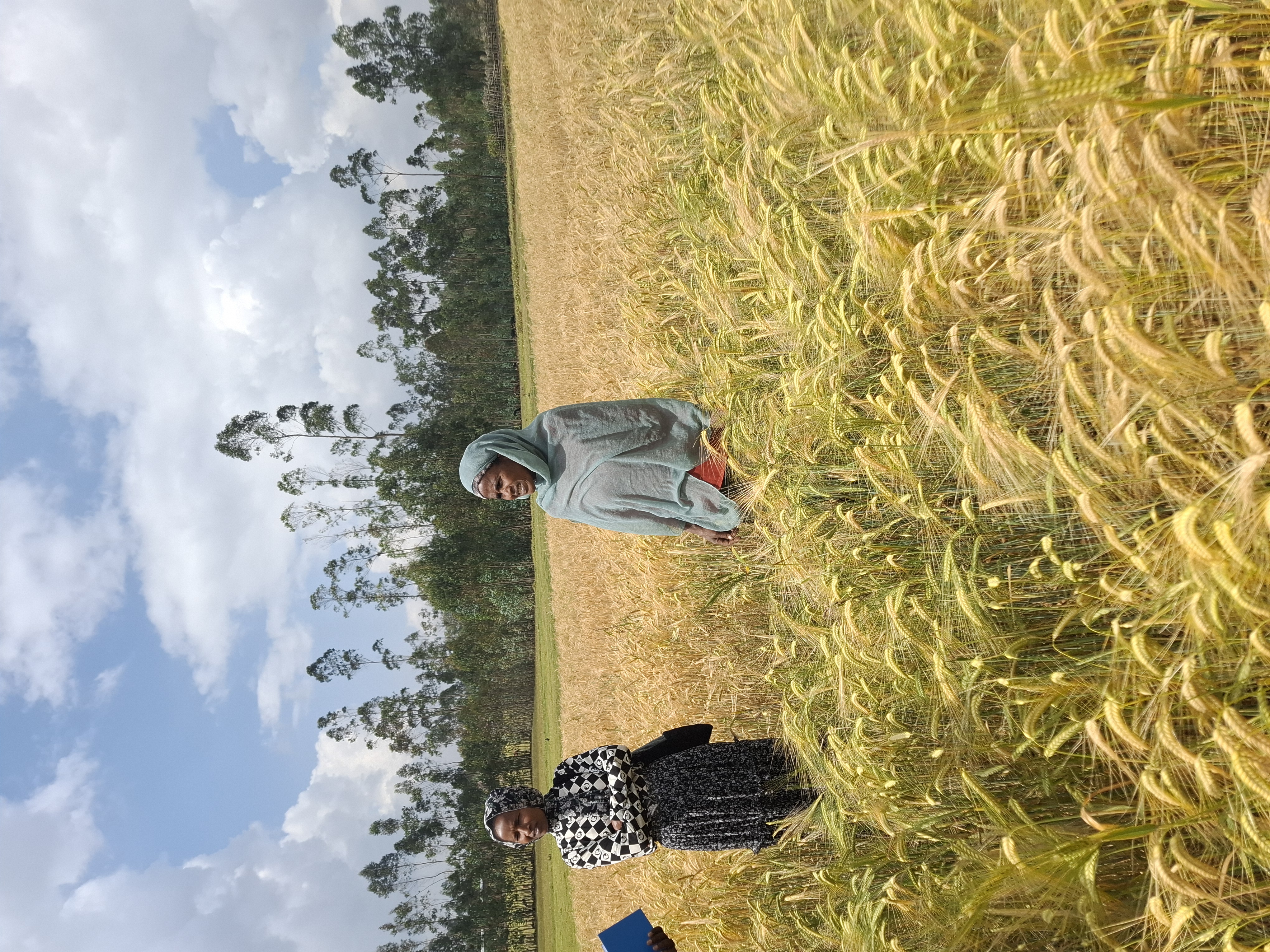
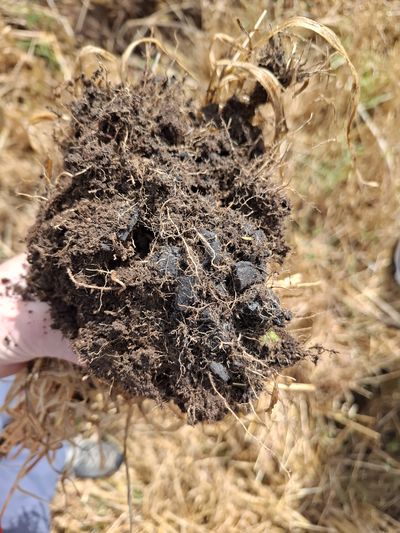
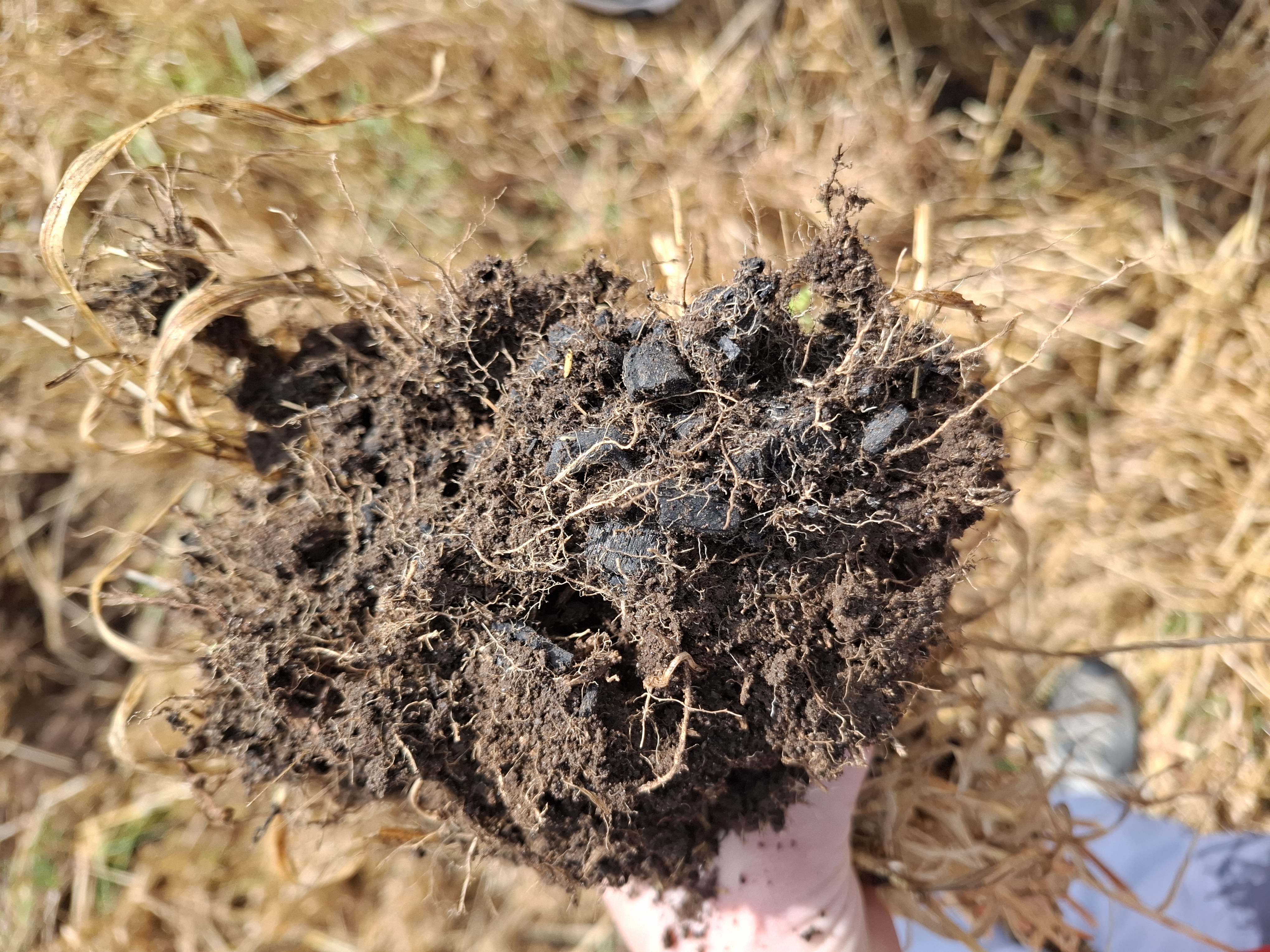
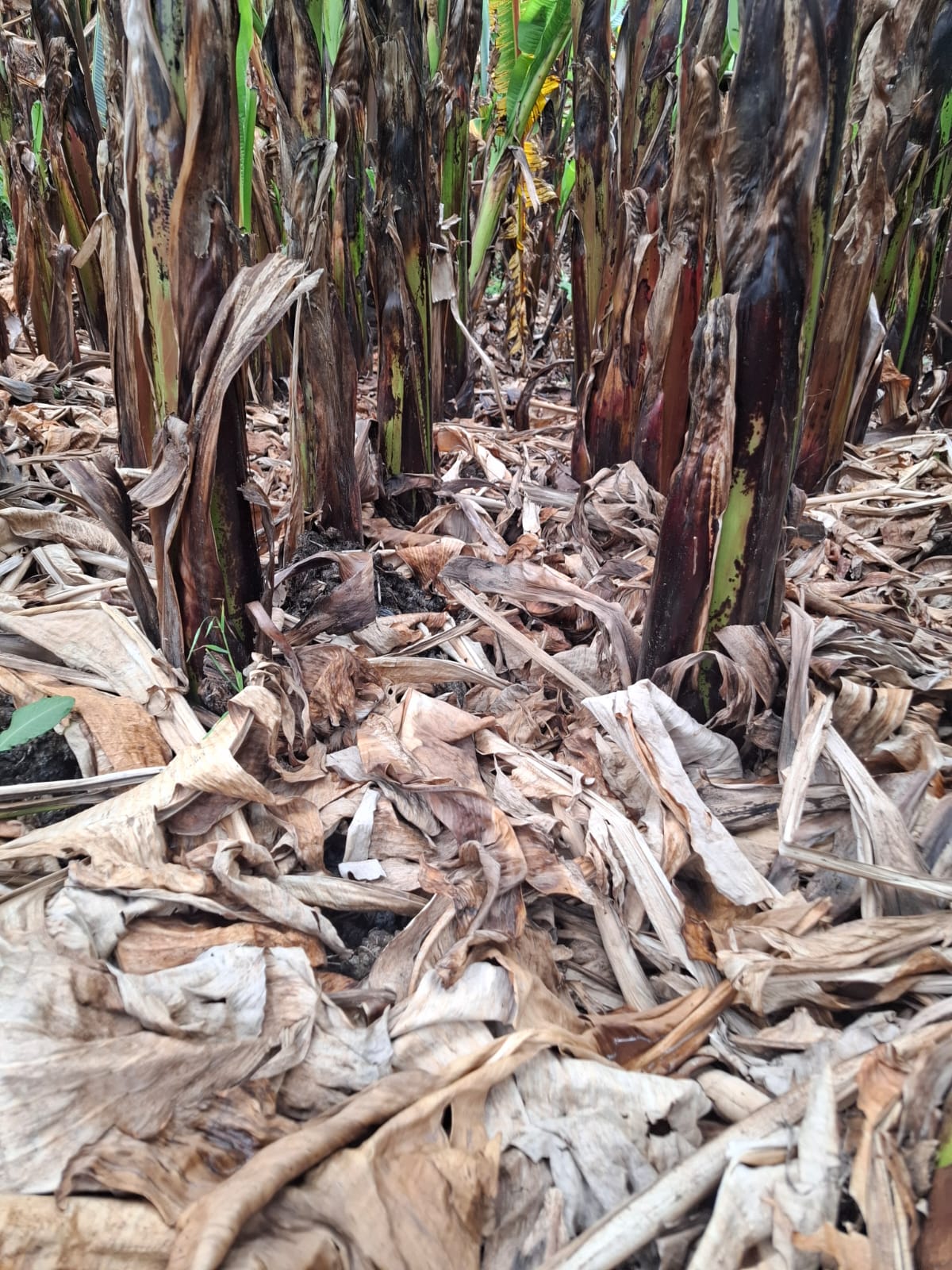
In parallel, direct exchanges with farmers provided valuable practical insights. Farmers reported improved crop growth and increased yields following the application of biochar-based fertilisers. One farmer from Kofele, Rukiya Hutcha Hamit, highlighted the successful rehabilitation of a previously abandoned field, which has returned to productive use.
These observations underline the potential of biochar-based soil amendments to improve soil productivity in smallholder systems, increase independence from mineral fertiliser inputs and support farmers’ stewardship for their soil. Combined with prospective revenues from C-Sink certificates, this approach contributes to enhanced food security and economic development in rural communities.
The ongoing audit represents a key milestone toward scaling climate-smart soil management practices that link soil rehabilitation, agricultural productivity and climate mitigation in a robust and verifiable manner.